





 Battery size: 58–79kWh
 Miles per kWh: 4.03
 E-Rating™: A
 Max charge rate: 185kW
 WLTP range: 268–351 miles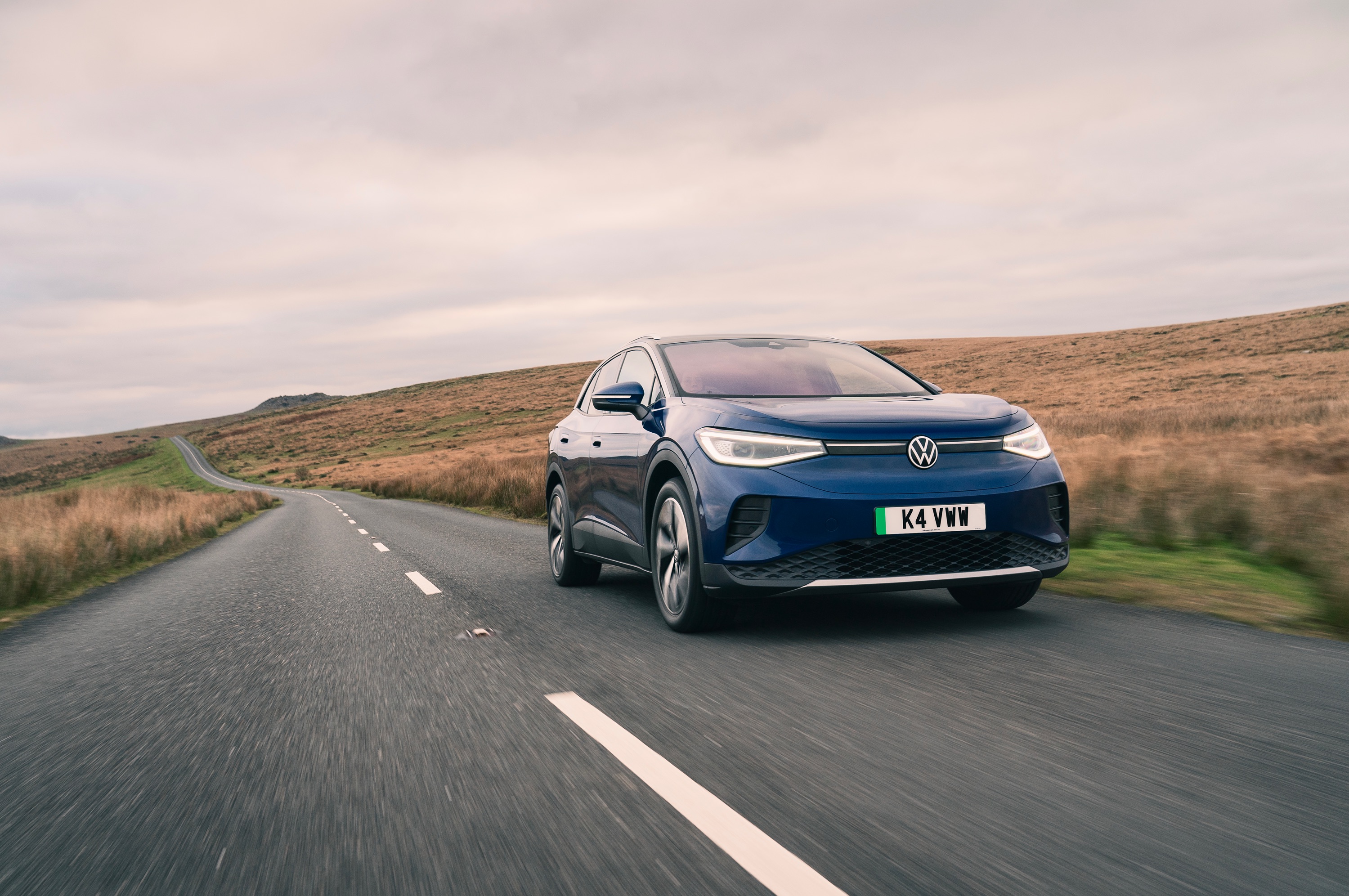
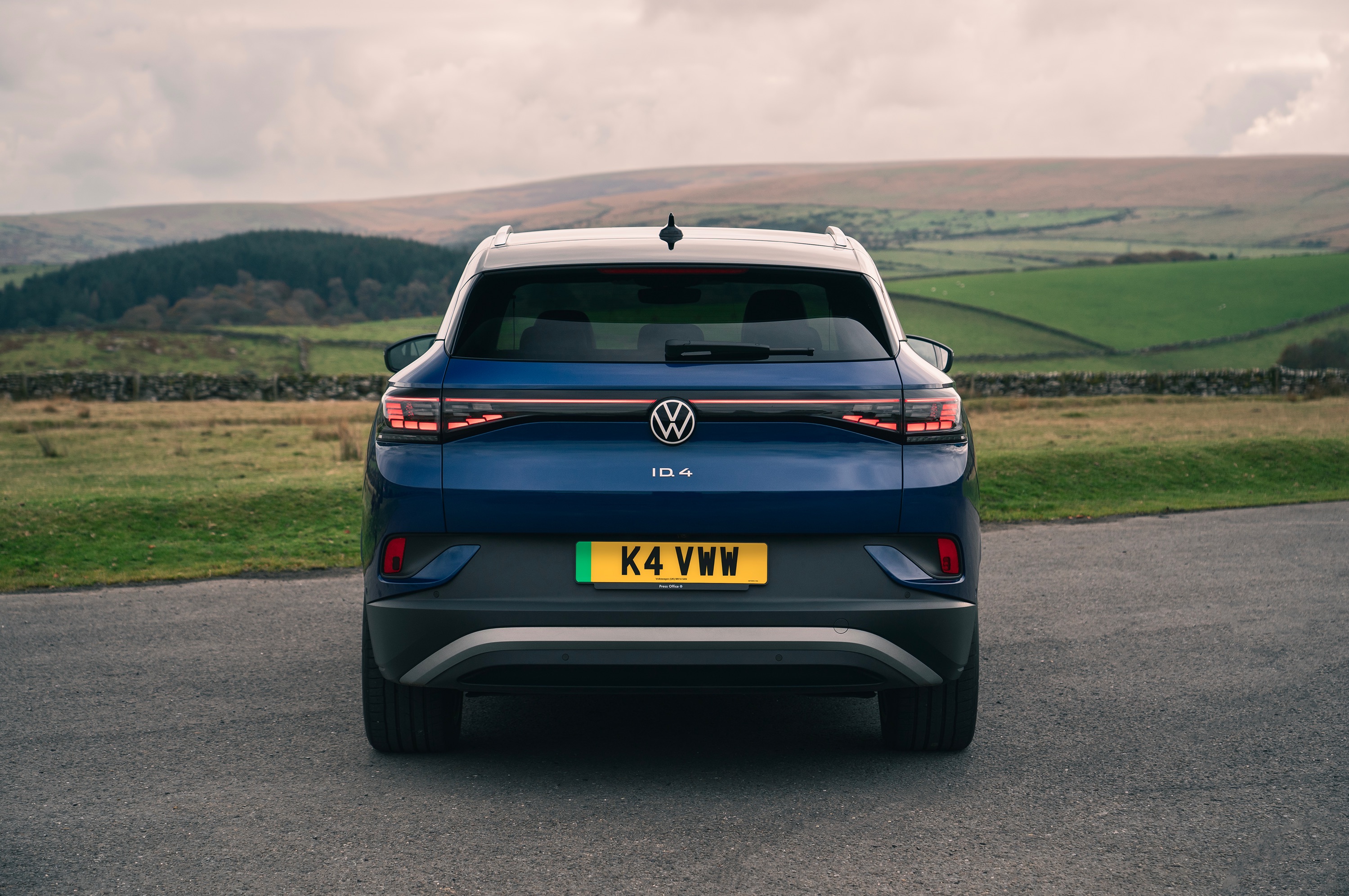
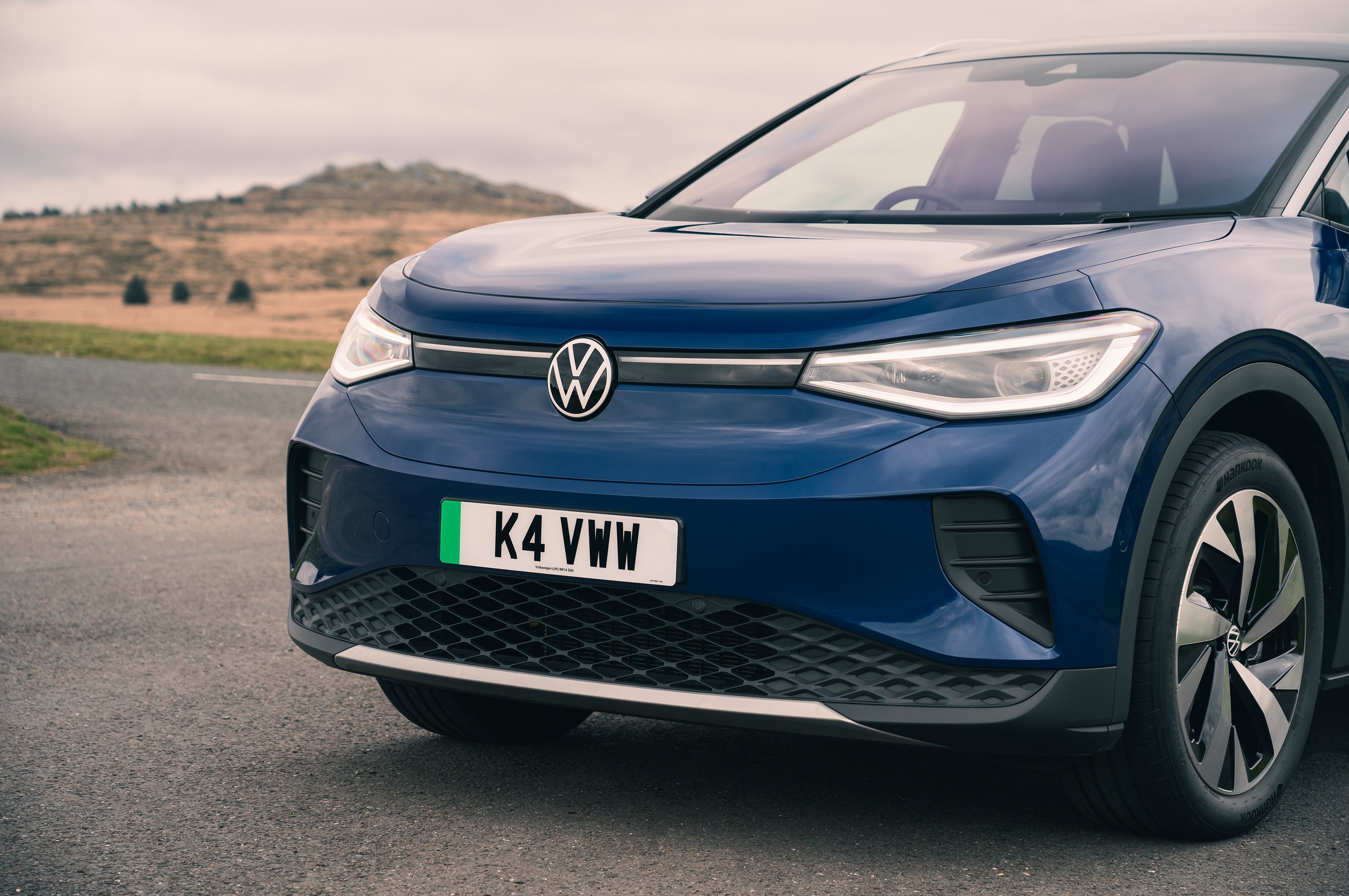
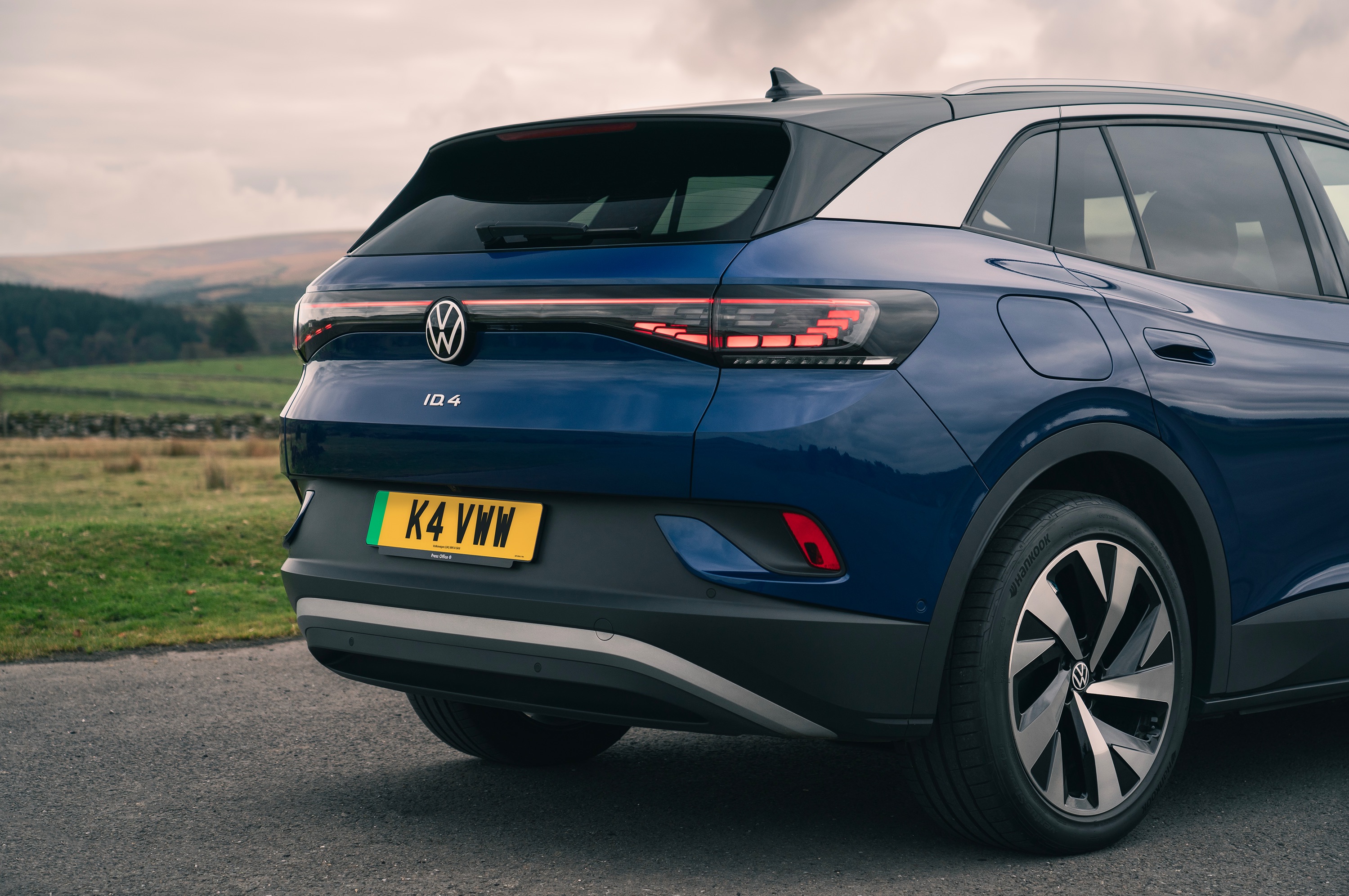
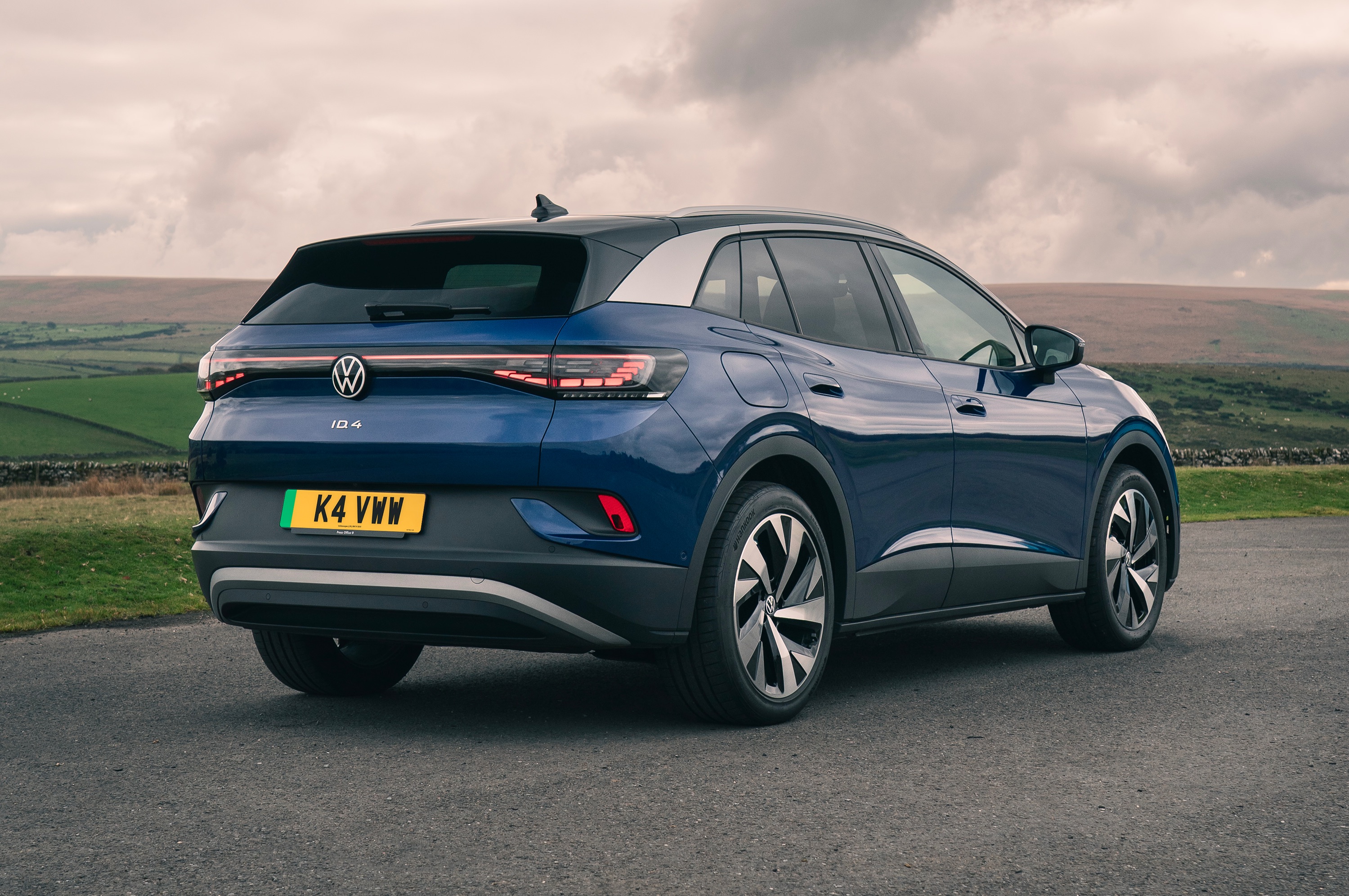



Introduction and model history – Volkswagen ID.4
It might fly under the radar a little in terms of Volkswagen’s electric efforts – the ID.3 was the early poster child and now the glamorous likes of the ID.Polo have come to hog the limelight – but the ID.4 is the pillar that’s holding those efforts up.
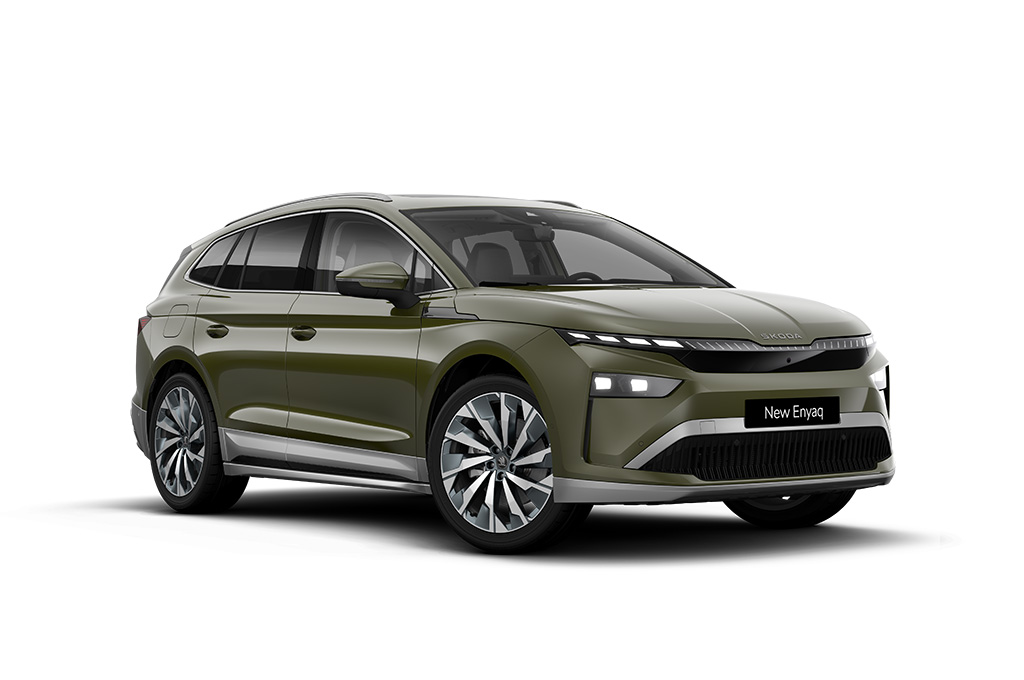
But never mind its importance to Volkswagen and the automotive industry. Is the ID.4 good enough to be your next family car, and should you be buying this instead of the Skoda Enyaq, Hyundai Ioniq 5, Tesla Model Y or MG IM6?
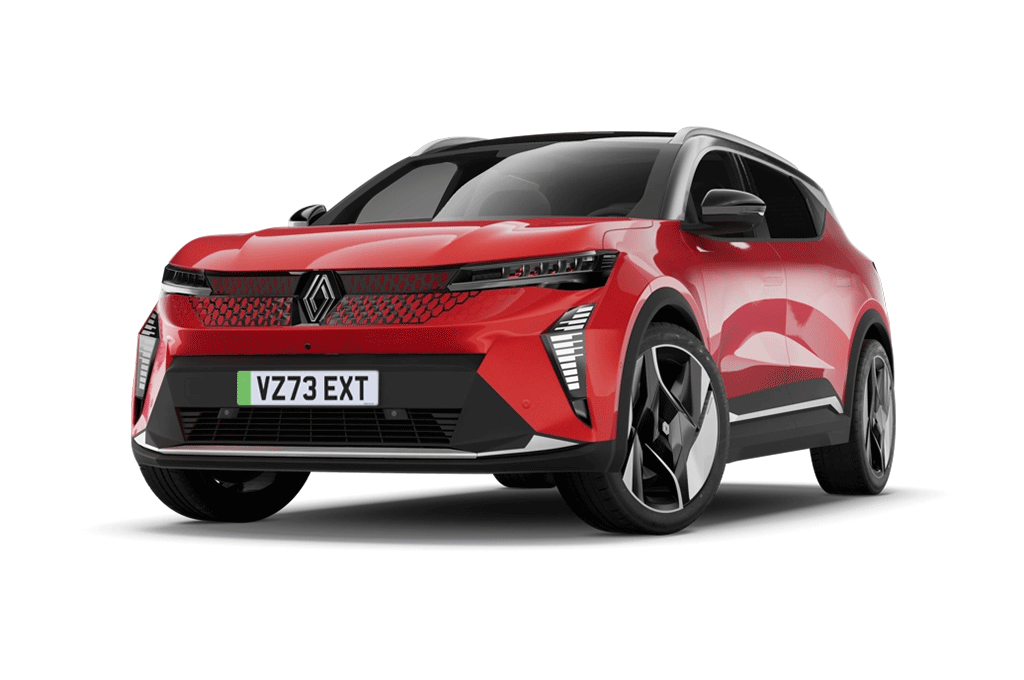
The ID.4 is a decent size at almost 4.6 metres long, and unfortunately only available as a five seater. But that does mean that it’s pretty spacious inside – enough to be one of the roomiest family SUVs of its rivals, which include such big-hitters as the Tesla Model Y, Skoda Enyaq, Hyundai Ioniq 5, Kia EV6, Renault Scenic and Peugeot E-3008. It's not short of competition, to put it mildly.
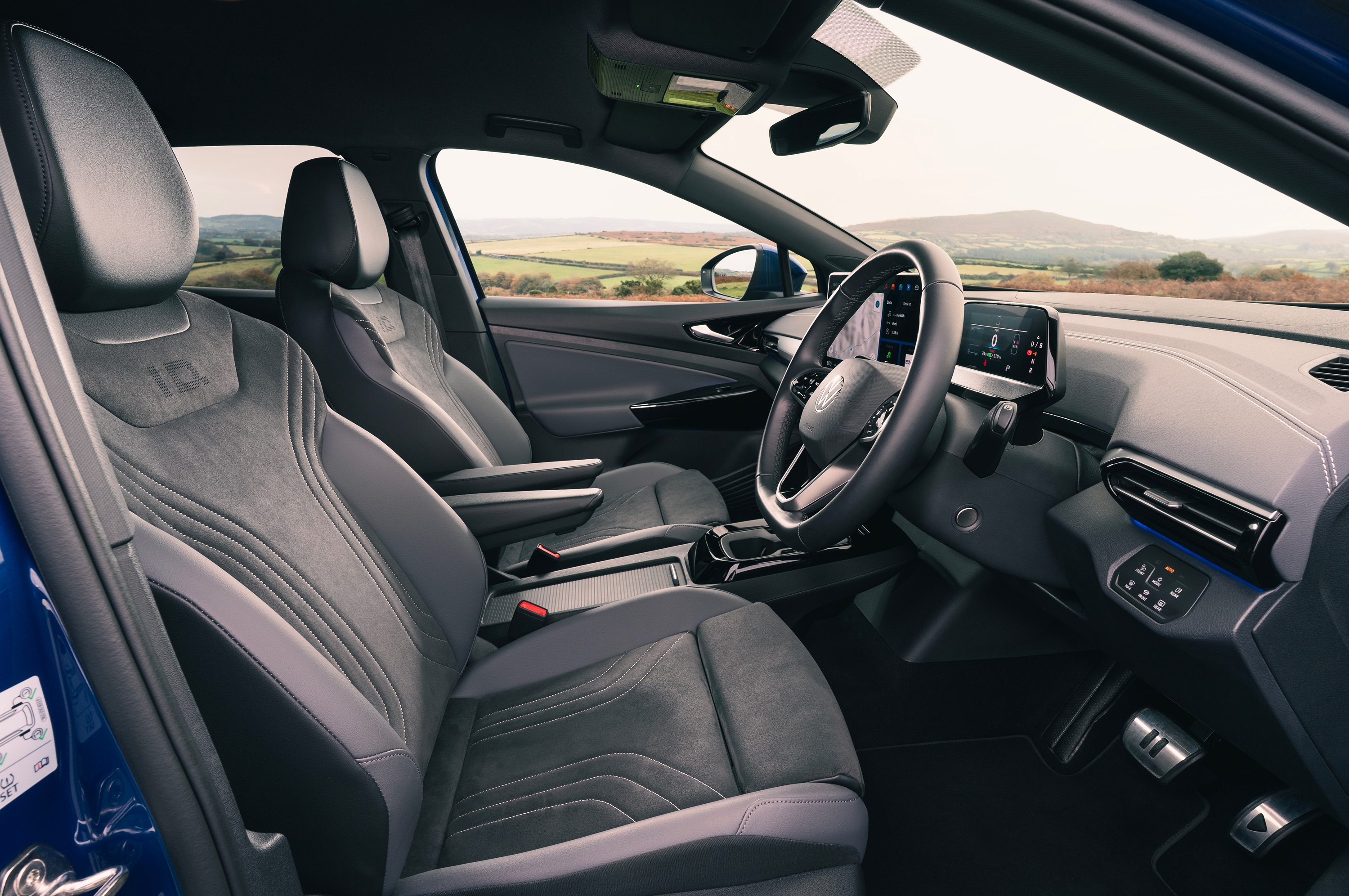
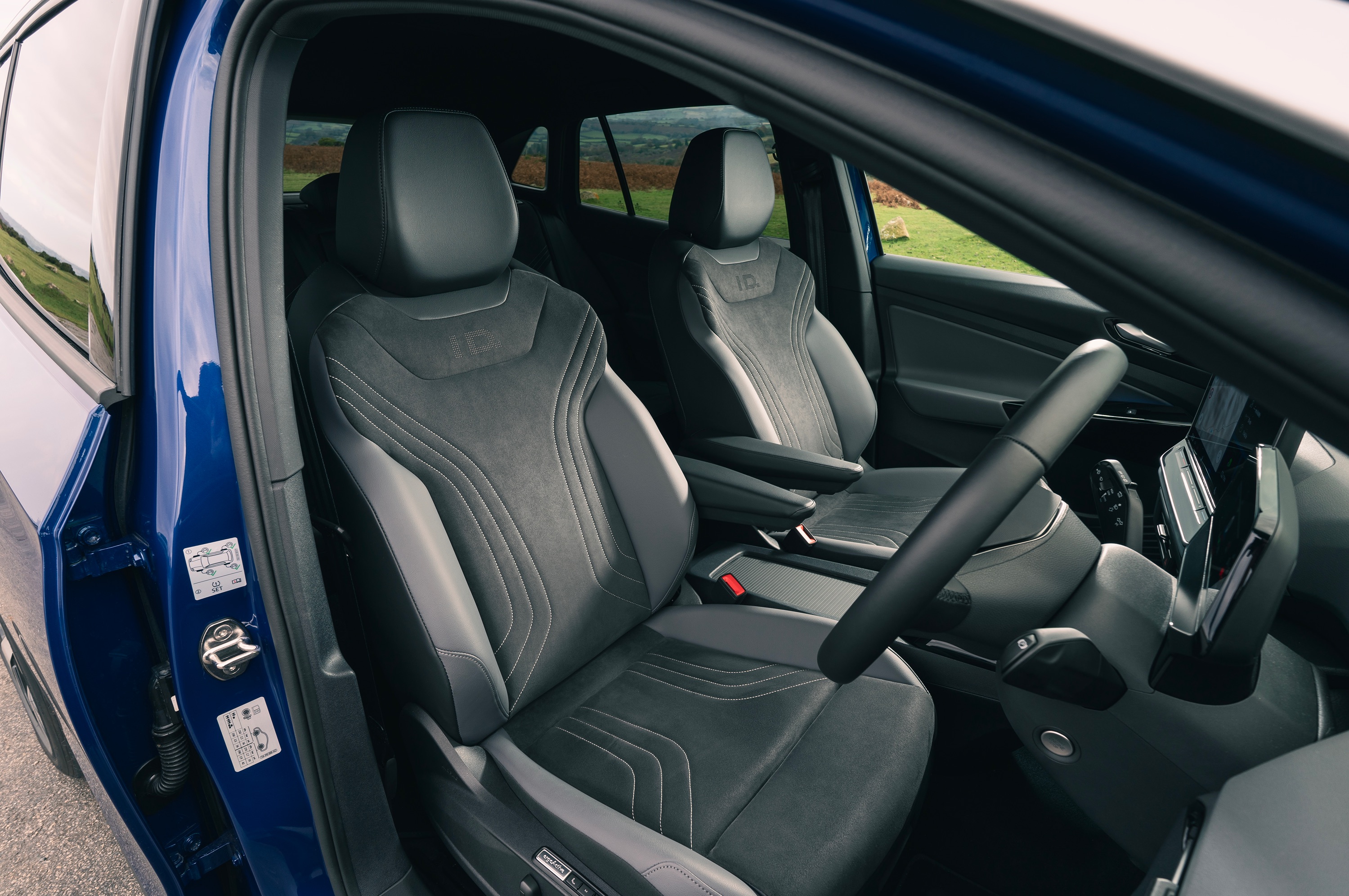
The interior is pretty slick, with a dash design that's cool yet simple, soft-touch surfaces and some really nice textiles all around, decent visibility and a generally very modern, airy feel. Some of the plastics lower down the cabin are quite cheap and scratchy, but generally it feels really solid and pleasant.
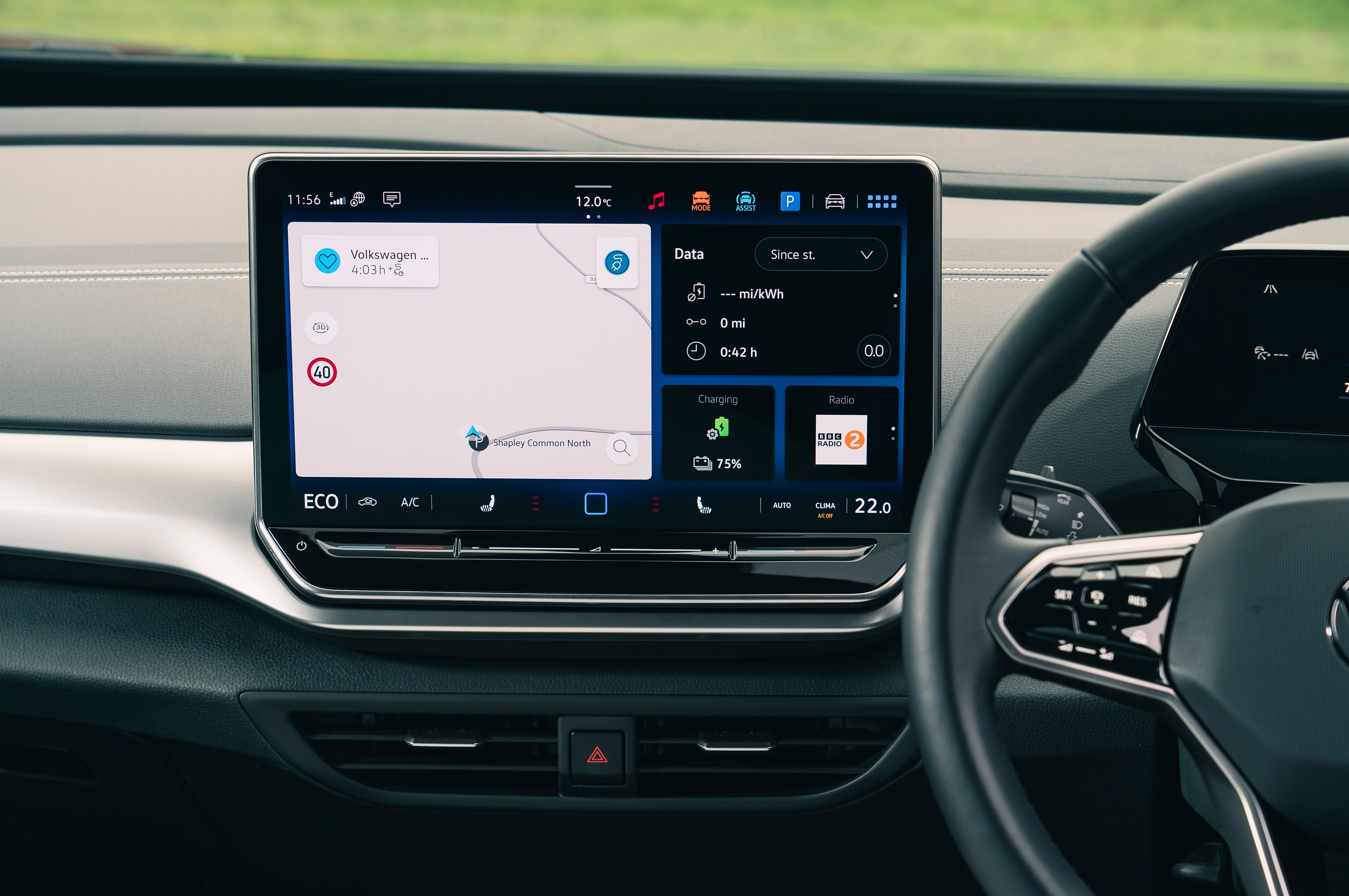
The touchscreen and touch sensitive dash controls have been a sore point for us since the car was launched. There have been a lot of software upgrades since the ID.4 first arrived, so while some of the touch-sensitive controls around the screen remain very annoying, the core functionality of the infotainment system has improved a lot.
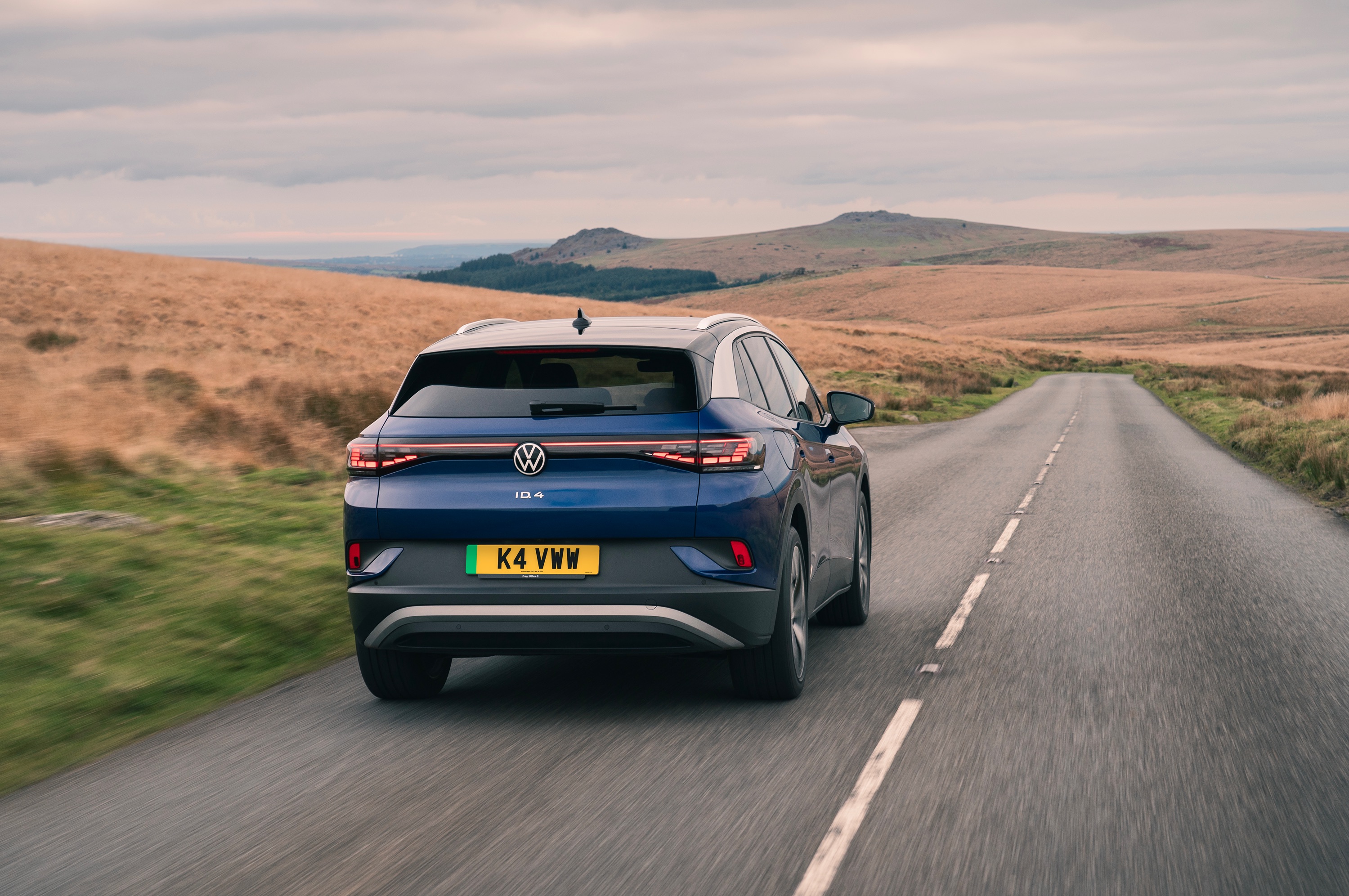
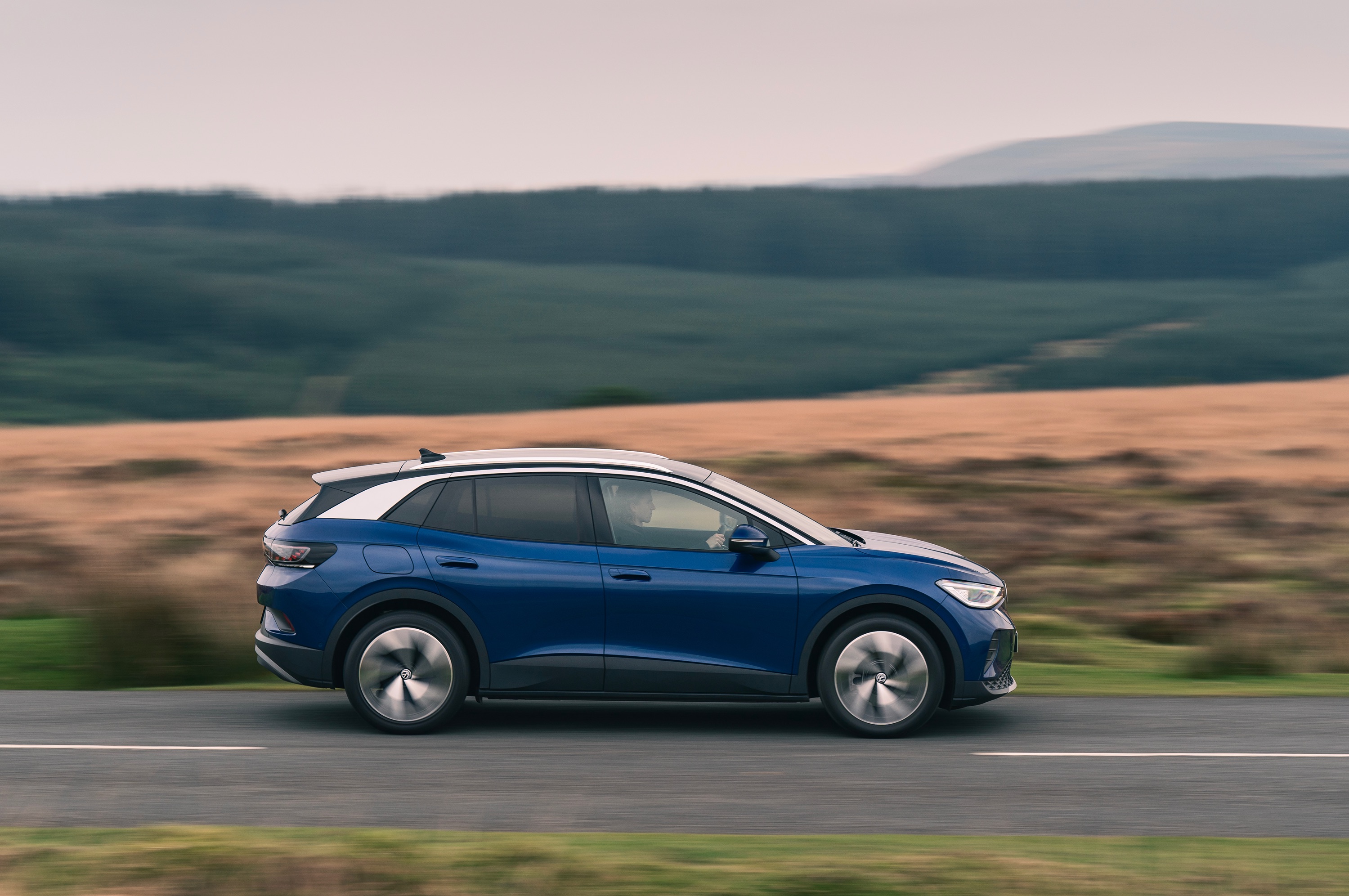
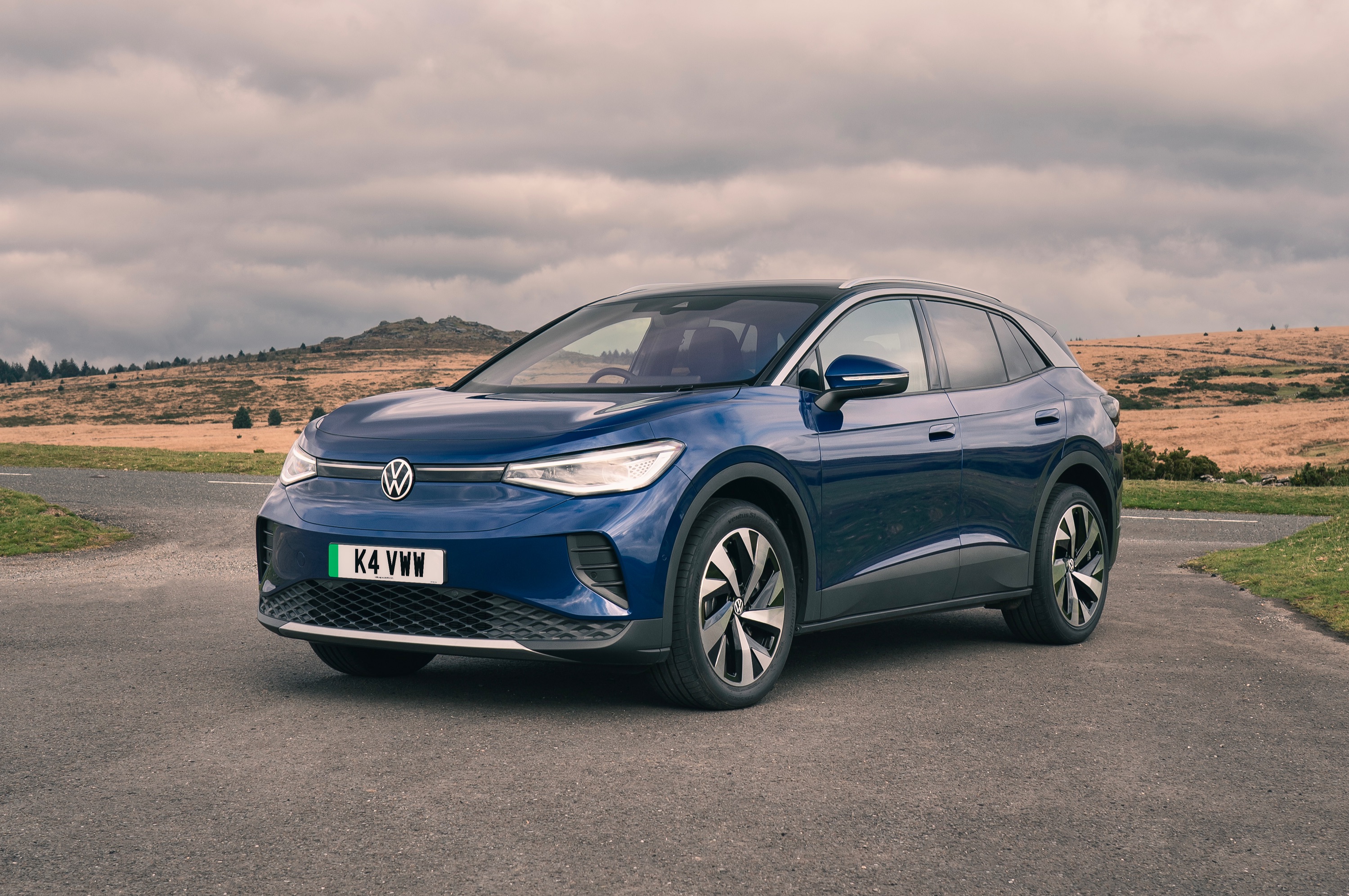
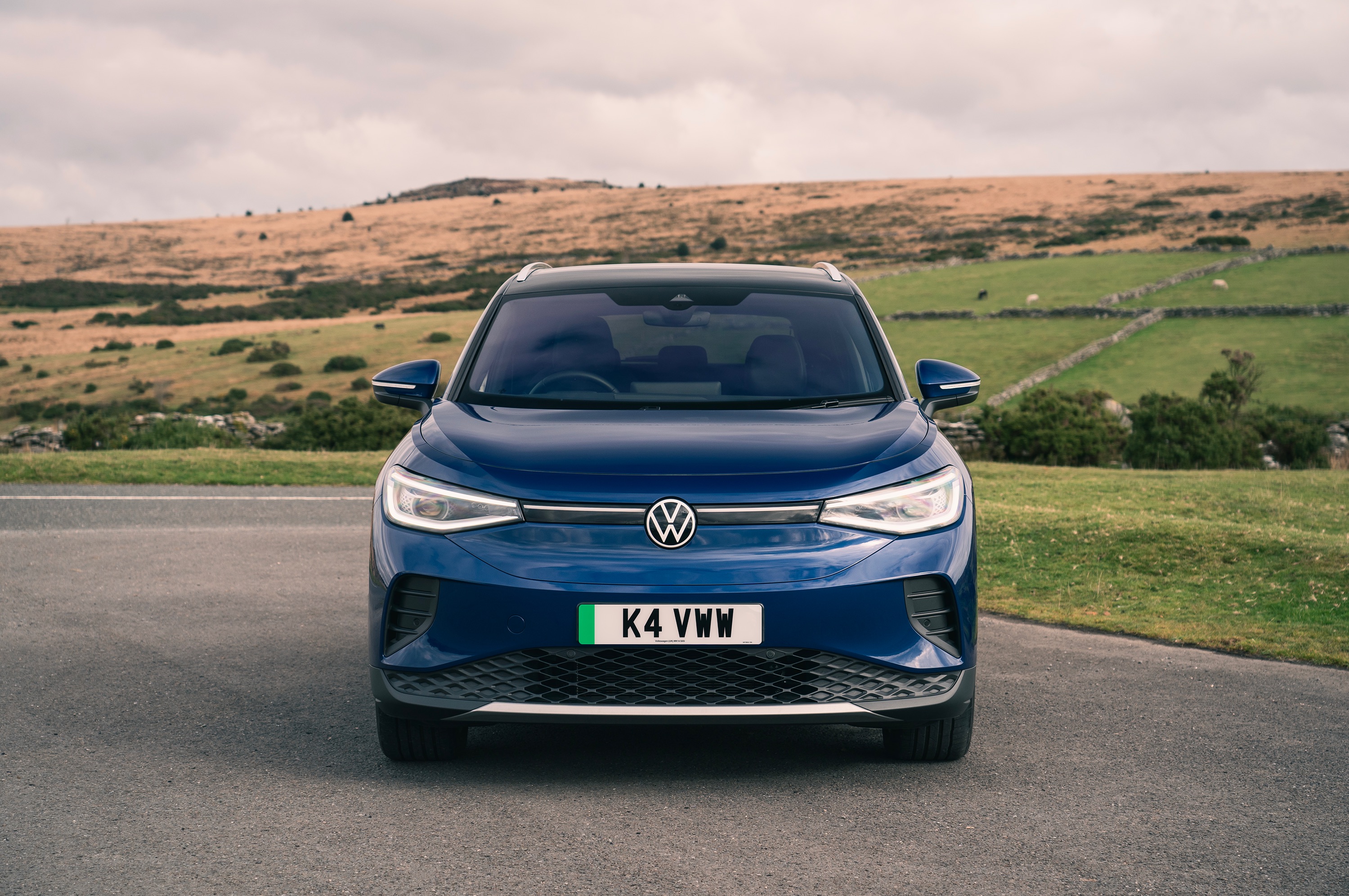
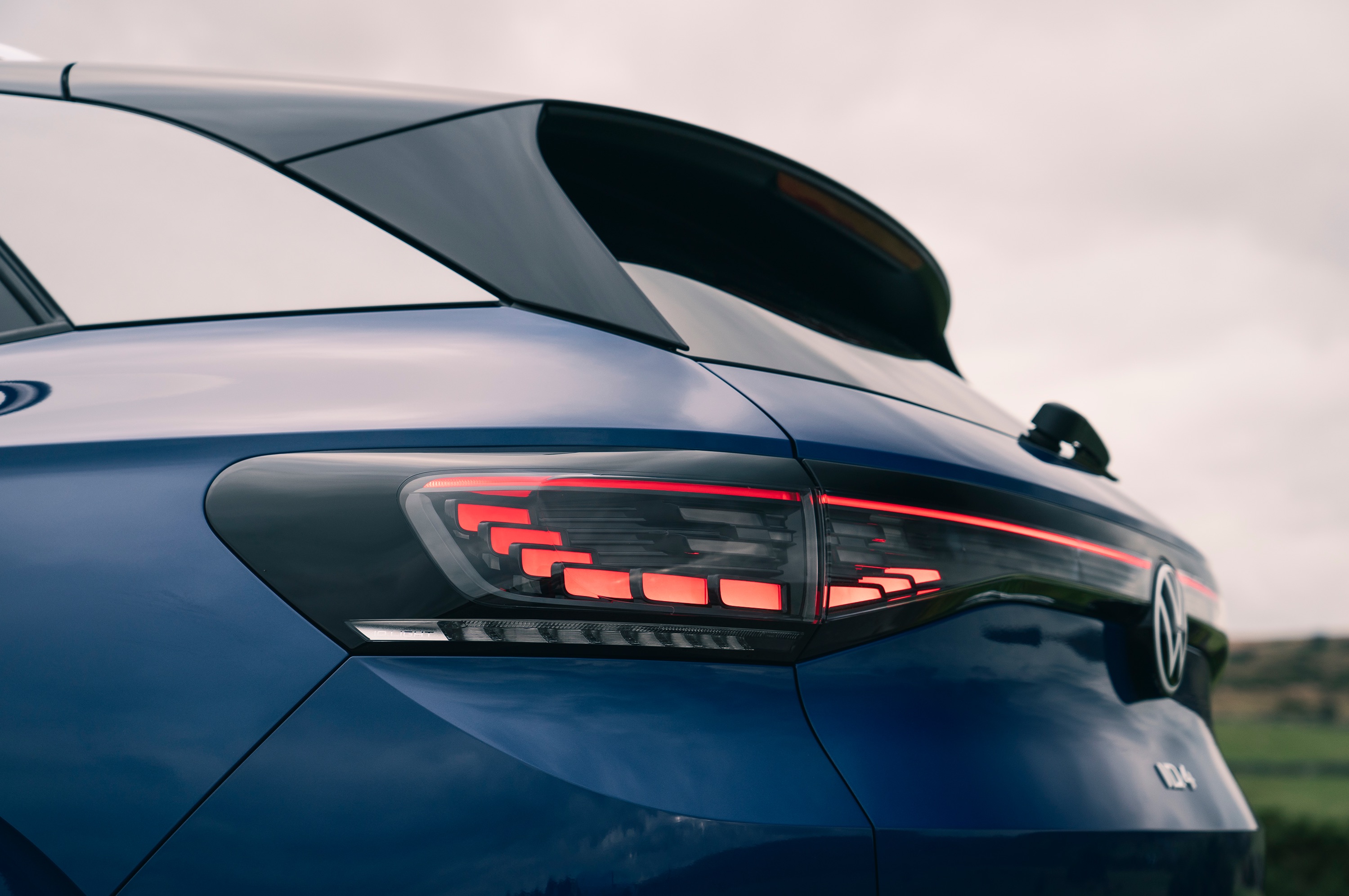
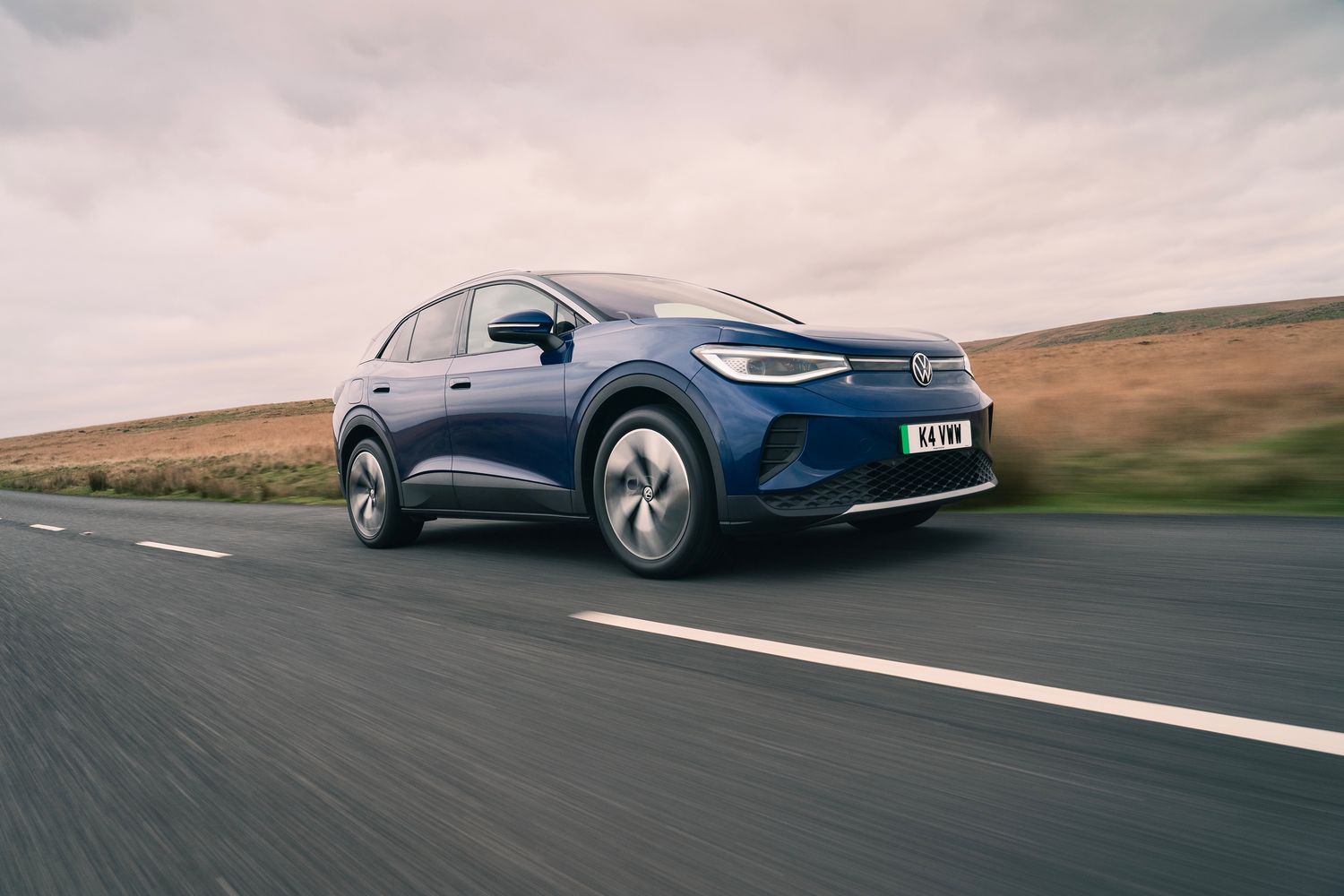
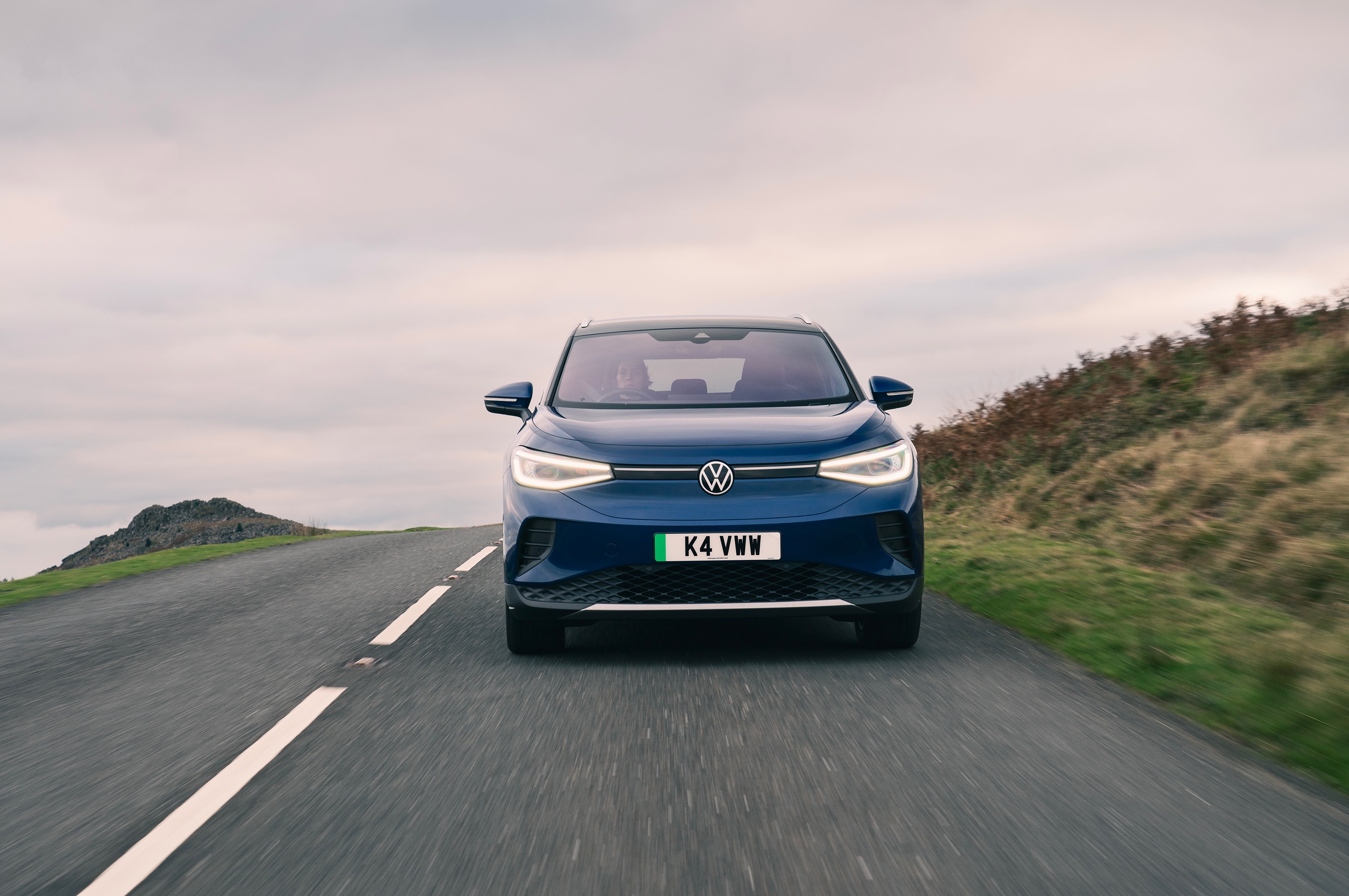
So the ID.4 doesn't look particularly avantgarde on the outside but – as with the interior – it's clean, fresh and appealing. The Ioniq 5 will have far more appeal if you want something that looks really striking, but the ID.4's understated looks are a good thing for many people who'd rather have a fairly traditional car, albeit one that's also at the top of its game for tech and powertrain offerings.
Range, battery and charging
There are three different sizes of NMC battery pack available within the ID.4 range, recently given a boost in 2026 so that some have increased in usable capacity and released a bit of range. You’ve got 58kWh, 79kWh and 77kWh options available that ramp up the power and performance levels accordingly.
Range varies across the er… lineup – the 58kWh cars get up to 268 miles of WLTP range, the 79kWh cars are rated up to 351 miles and the 77kWh cars up to 341 miles.
Our most recent experience with the ID.4 was driving the frisky high-performance GTX version, rated at 325 miles but over a couple of hundred miles of mixed driving we saw 3.2 miles/kWh for 246 miles of real world range from a full battery. Though that would be higher if you can resist trying out the accelerator and getting the tyres all excited.
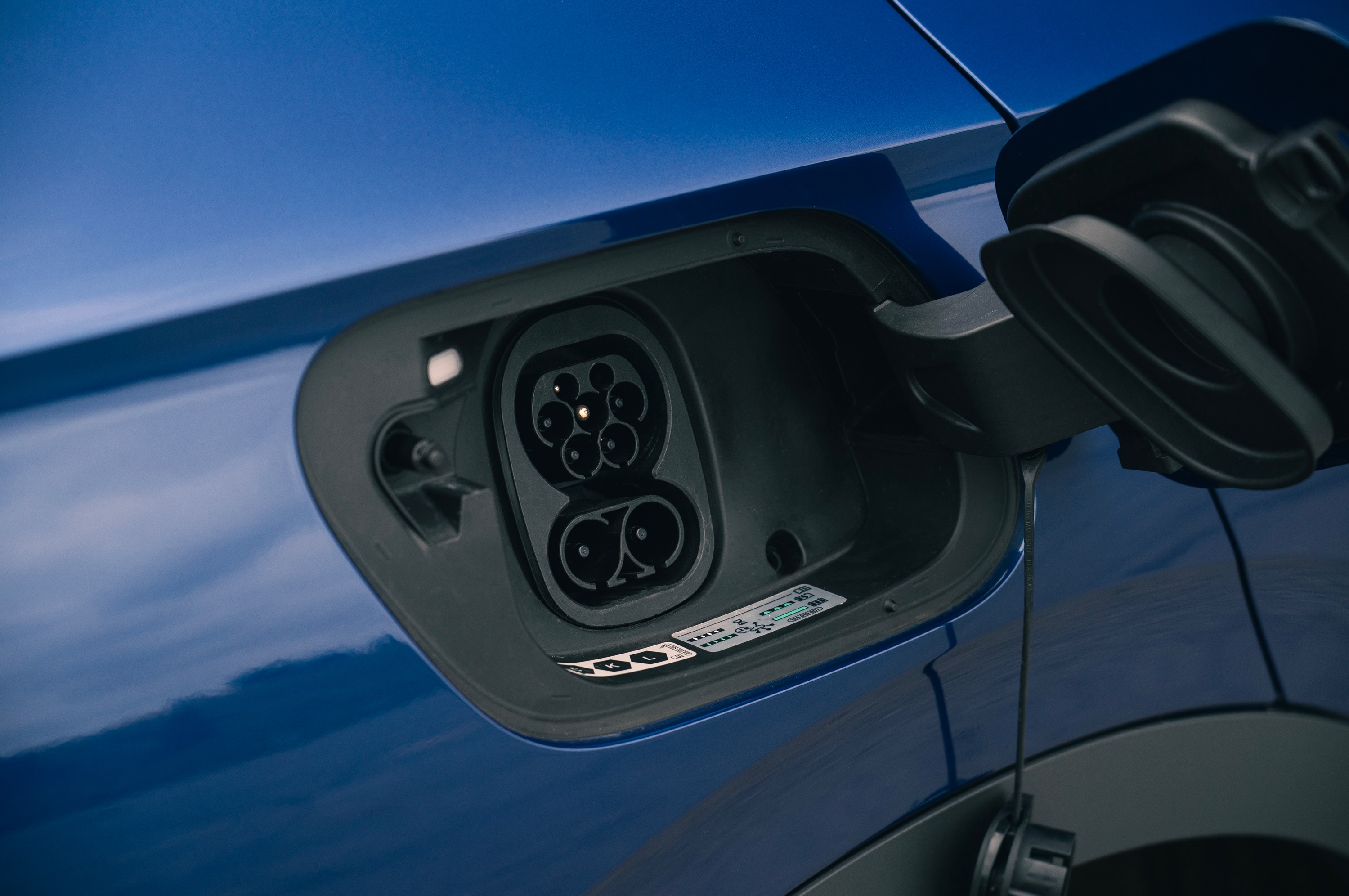
The 58kWh cars will charge at up to 105kW (for a 10–80% charge in 26 minutes), the 79kWh and 77kWh batteries up to 165kW (for 10–80% in 29 minutes), apart from in the GTX model where the car gets a boost to 185kW charging (27 minutes). This lags behind newer rivals a bit, but no doubt the next iteration of ID.4 will jump that on.
Otherwise there’s 11kW AC charging as standard, which means between eight and 12 hours for a slower charge depending on the size of the battery.
Practicality and boot space
It may not look it on the outside, but the ID.4 is one of the most spacious electric SUVs you can buy. As it was designed to be an electric car from the outset (rather than using the underpinnings from a petrol car), it means interior space has been prioritised.
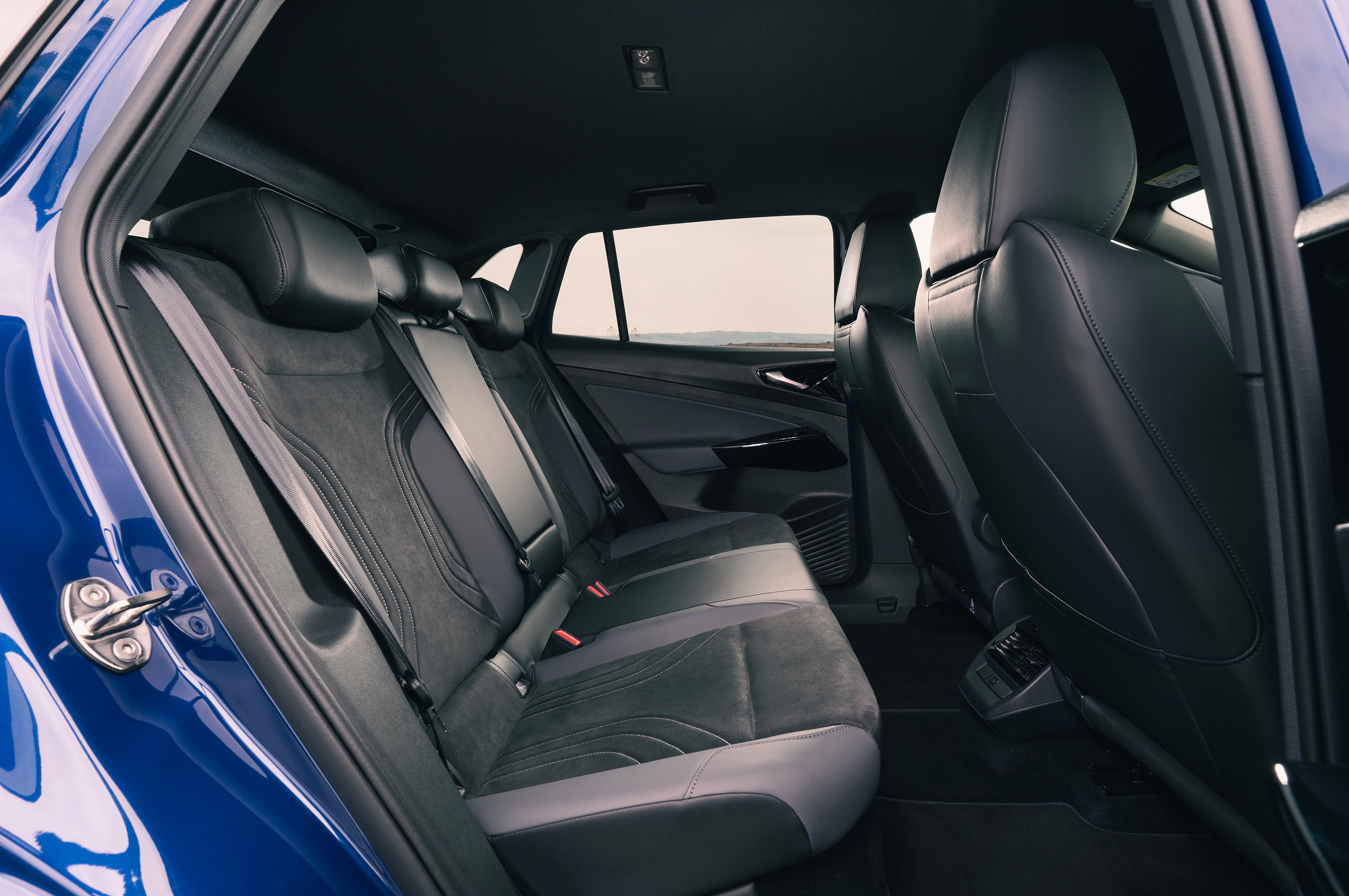
There's plenty of room up front and it all feels very airy thanks to there being no bulky centre console. There's also tons of rear leg and headroom – more than you'll find in the Ford Mustang Mach-E – and thanks to a flat floor, you can carry three back seat passengers in reasonable comfort.
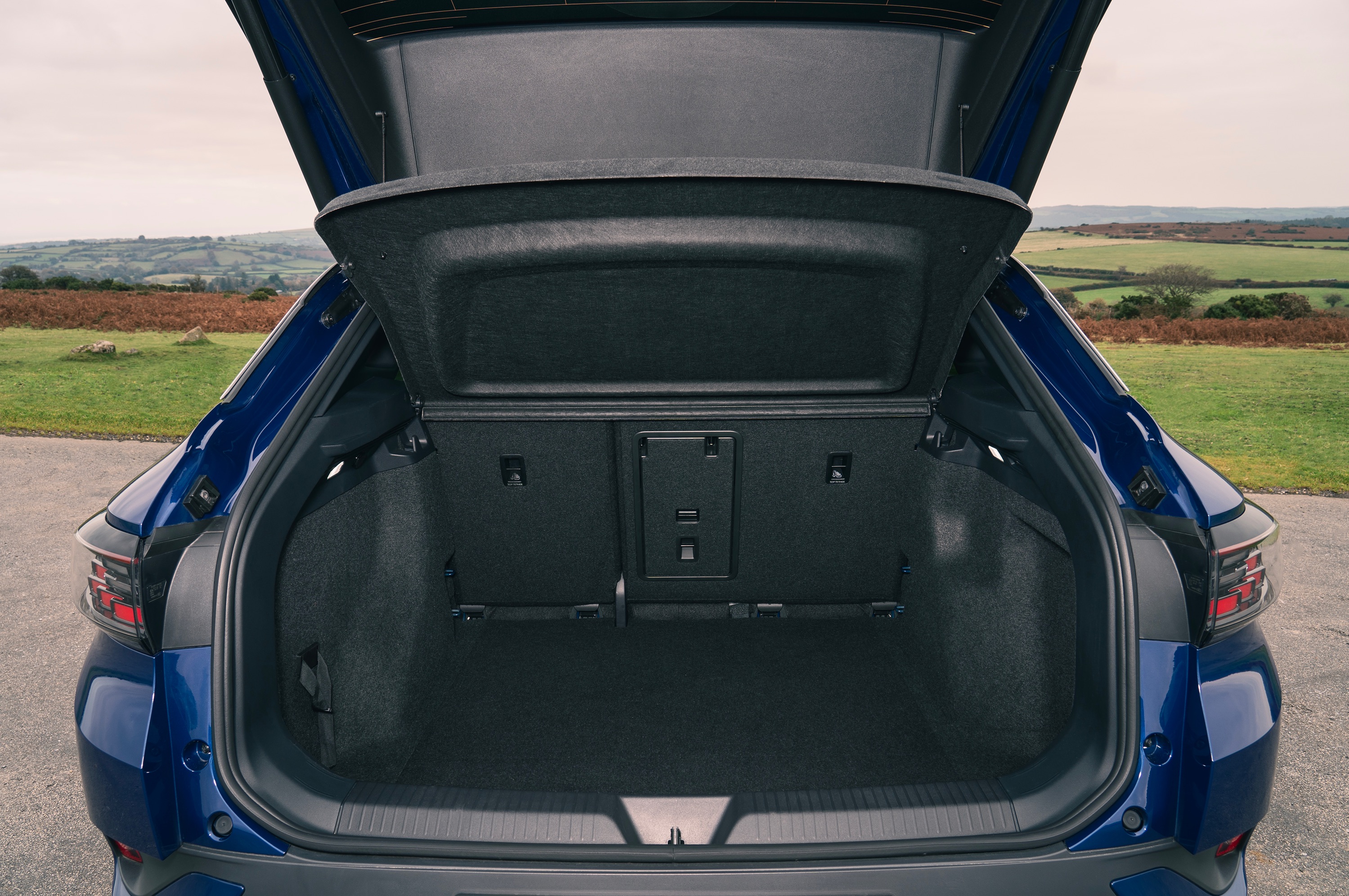
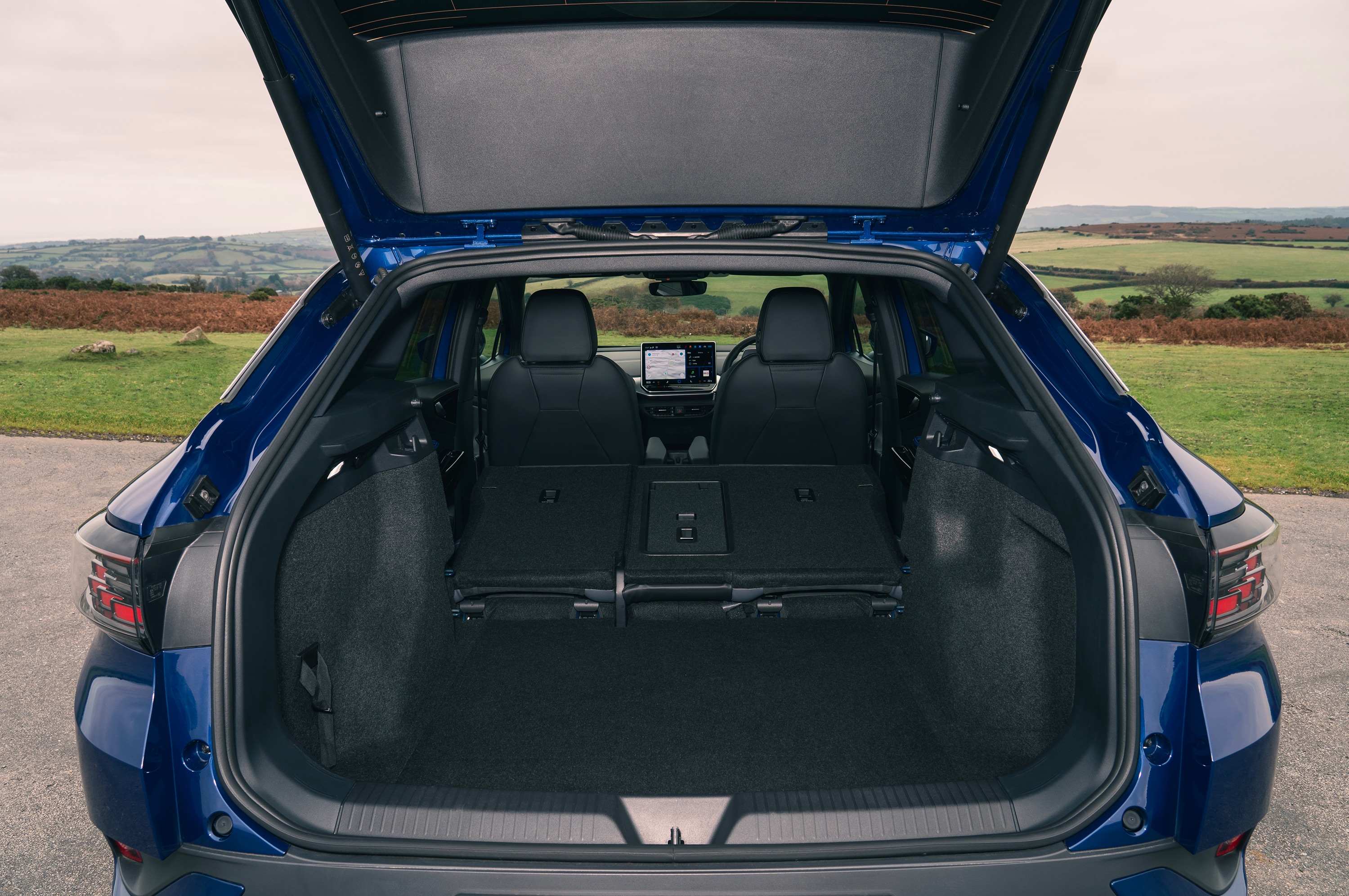
The boot is roomy enough for a double buggy or a couple of big dogs, but it's a shame there's no height adjustable floor to raise the boot floor up so that it's flush with the 60/40 split rear seats, when they're folded down. There is a small storage area underneath the boot floor for cables and things, but no frunk.
You get 533 litres of space with the seats up, which increases to 1,565 litres with them folded down. That’s more than the likes of the Kia EV6 or Hyundai Ioniq 5, but strangely less than the Skoda Enyaq’s 585/1,710 litres on the same platform.
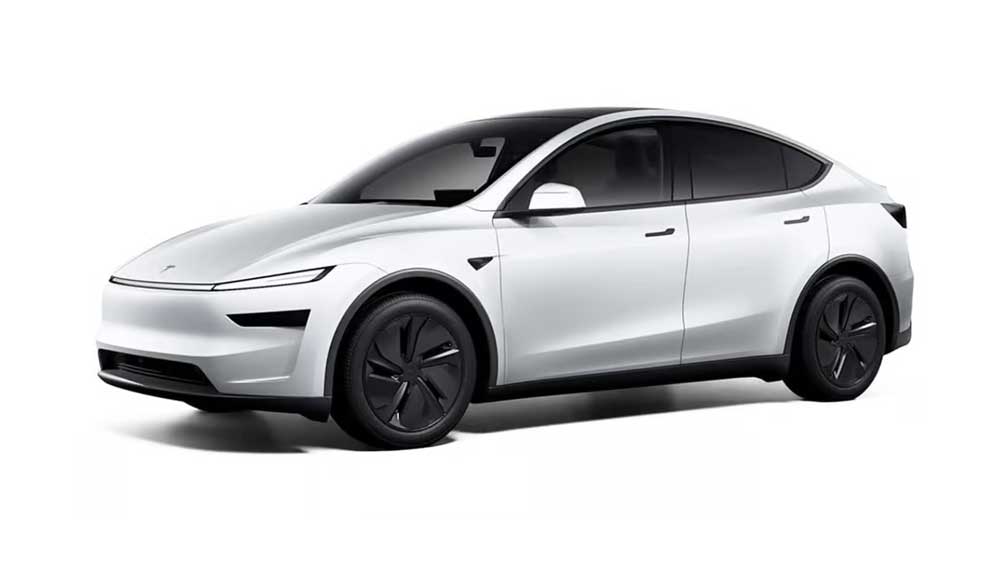
The Model Y is a bit roomier if you need the space, but it’s hard to compare exactly because Tesla is a bit of a scamp when it comes to measuring the space – 854 litres seats up, 2,138 litres with the seats down, but that number is measured to the ceiling rather than the window line. It does get a frunk though.
- Dimensions: (L/W/H) 4,582mm/2,108mm/1,619mm
- Max towing capacity: 1,800kg (AWD models)
Interior, design/styling and technology
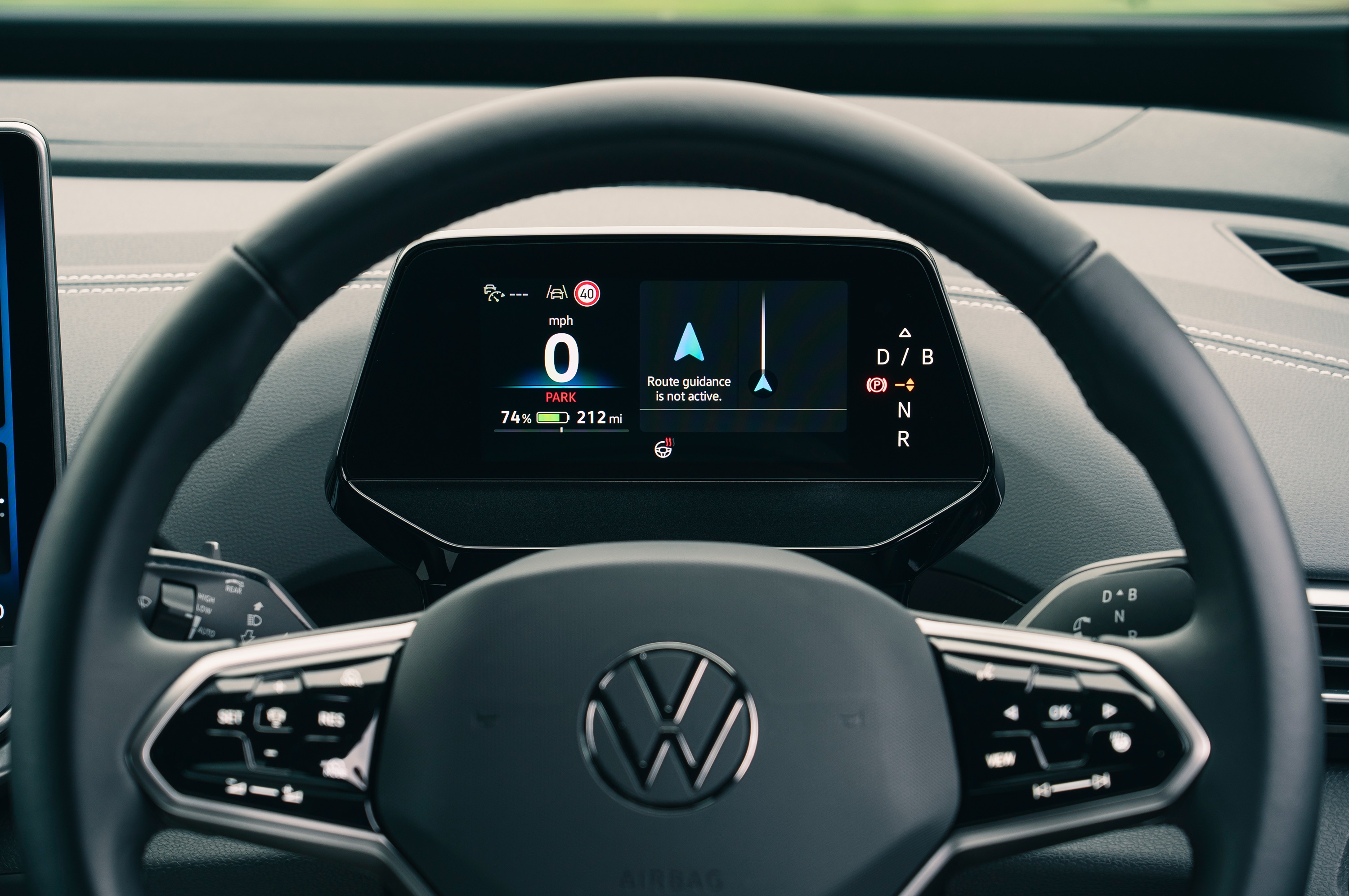
Volkswagen has steadily been working on improving its buttonless interiors since the concept was introduced with the first versions of the ID.3. It’s still not perfect, but the touchscreen is snappier than it once was and you get a reserved section at the bottom of the screen to change the temperature and circulation but not the fan speed.

Likewise, VW is gradually moving away from its dreadful touch sensitive steering wheel controls, but the the ID.4 isn’t quite there yet.
We’d still suggest having a test drive and making sure that you’re happy with the way the car works – most people are, but it’s still compromised enough that it could put a few folks off in everyday driving.
It’s a shame, really, because the ID.4 is nicely put together and Volkswagen has always known a thing or two about a decent family focused interior.
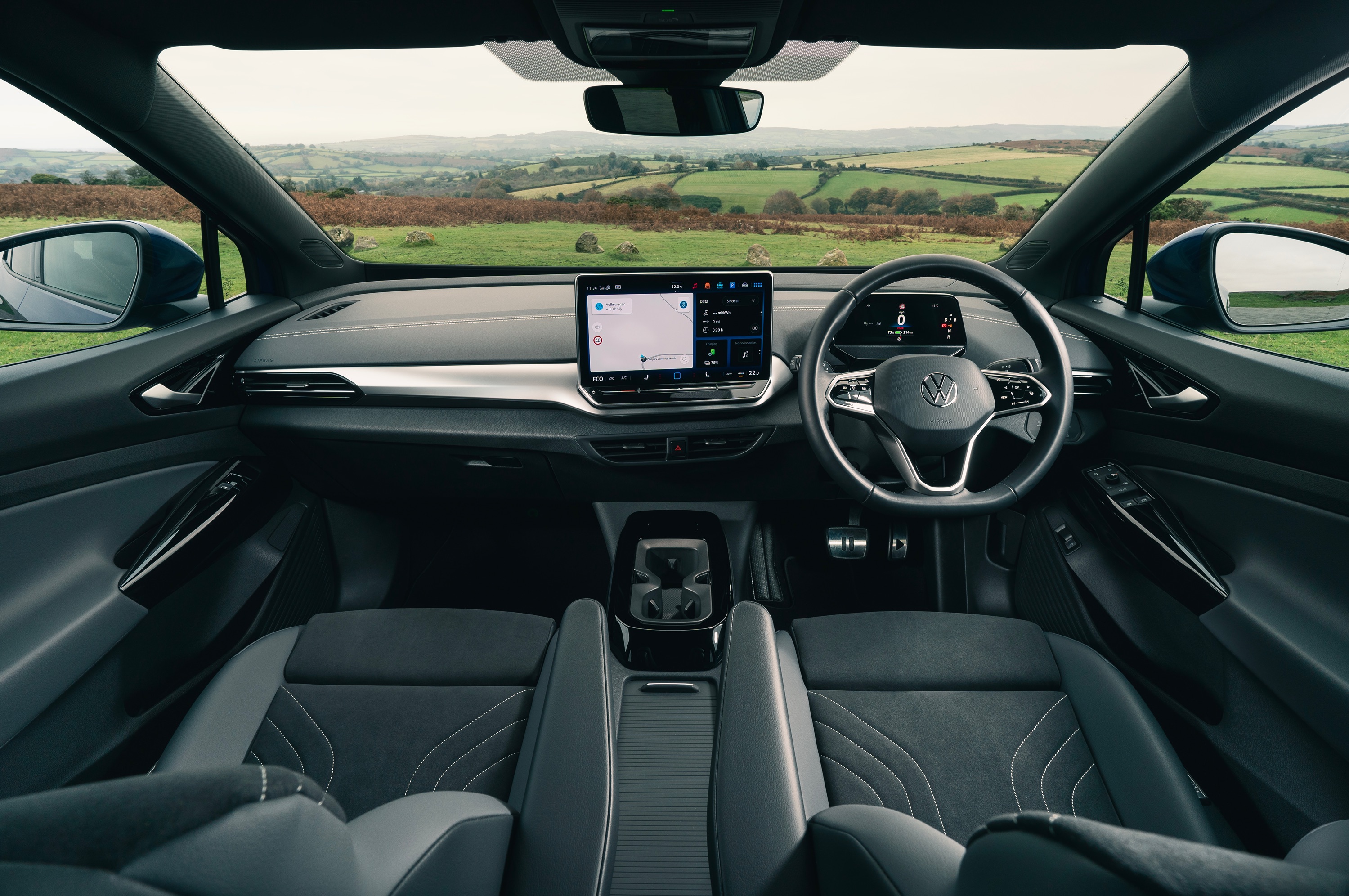
You get wireless smartphone connectivity and charging as standard in the ID.4, which is nice. Likewise the heated seats. You don’t get electrically adjustable front seats as standard until the Pro Black trims, so if you’re sharing driving you’ll want to look at those.
The ID.4 got the full five stars on its last Euro NCAP test in 2025, scoring 89% for adult occupants and 87% for child occupants.
Motors, performance and handling
The ID.4 range is as brisk as you’ll need for an everyday family car – the smaller batteried 58kWh entry powertrain will get from 0–62mph in 8.5 seconds, which is fast enough to embarrass the third generation of Golf GTI.
The 79kWh, 286hp longer range powertrain drops that to 6.7 seconds – certainly more than enough to be getting on with. But if you want more performance (and 800kg more towing capacity), the four-wheel-drive version of the car has 299hp and a 6.1-second 0–62mph time.
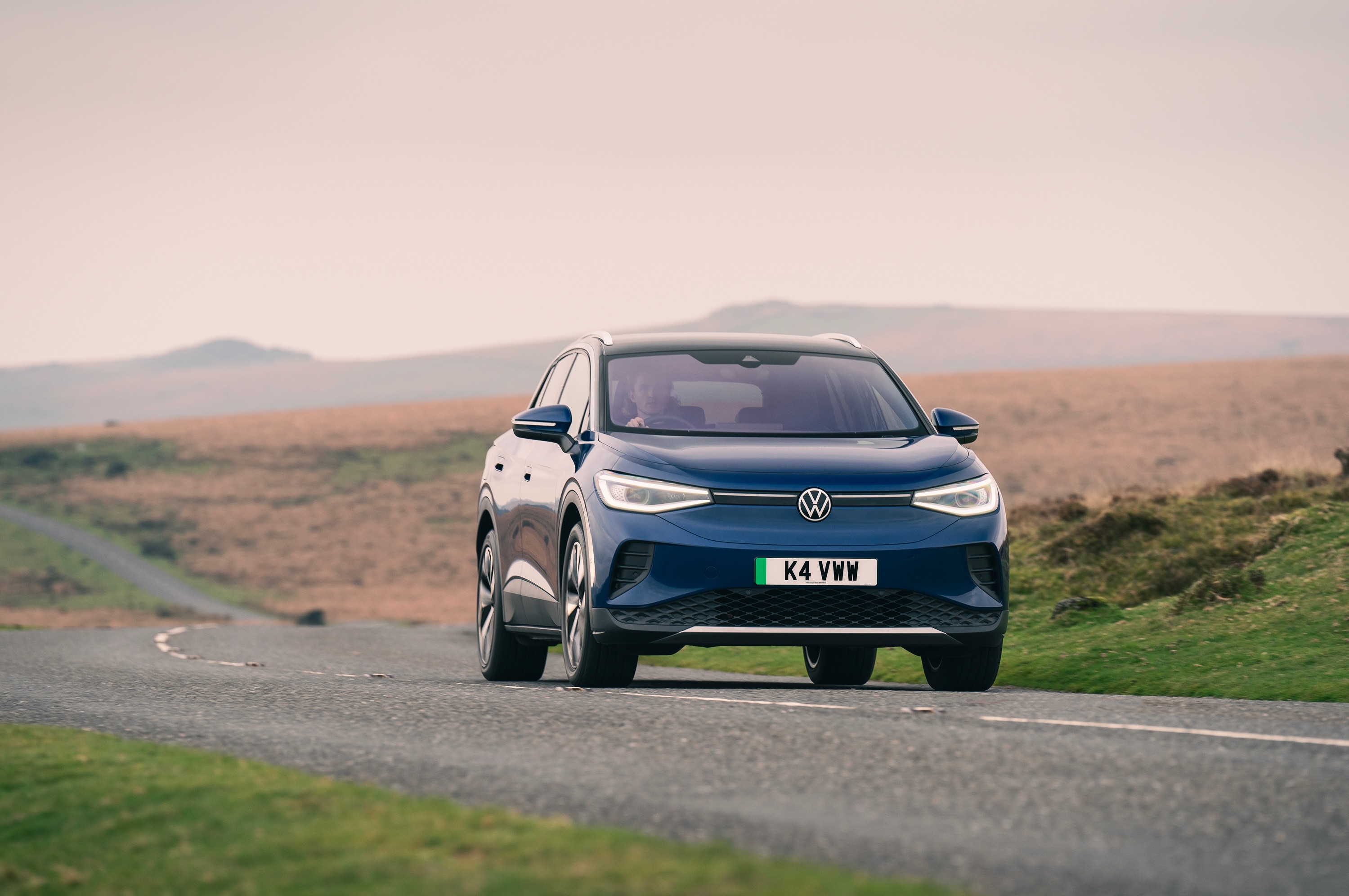
And there’s the range-topping GTX performance version that has 340hp and 5.4 second performance, but if anything feels even faster.
It’s a barnstormingly pointless bit of theatre from the GTX – there are surely fewer ways to get the kids to throw up faster and we all know that speed trashes range, so it’s a confusing mix.
More important than outright pace, is that the power delivery is smooth in every ID.4, with decent pedal response that helps to make it glide easily through traffic or down a decent country road, without you having to give much thought to the inputs you're giving.
It's all pretty intuitive, and that goes for the brake recuperation, too. There's no one-pedal mode, like you get on the Hyundai Ioniq 5 and MGS5, but the standard mode is mild or you can increase it by selecting 'B' mode. Both settings have the regen bleeding in gently and predictably, so it's easy to get a feel for when the car's going to stop.
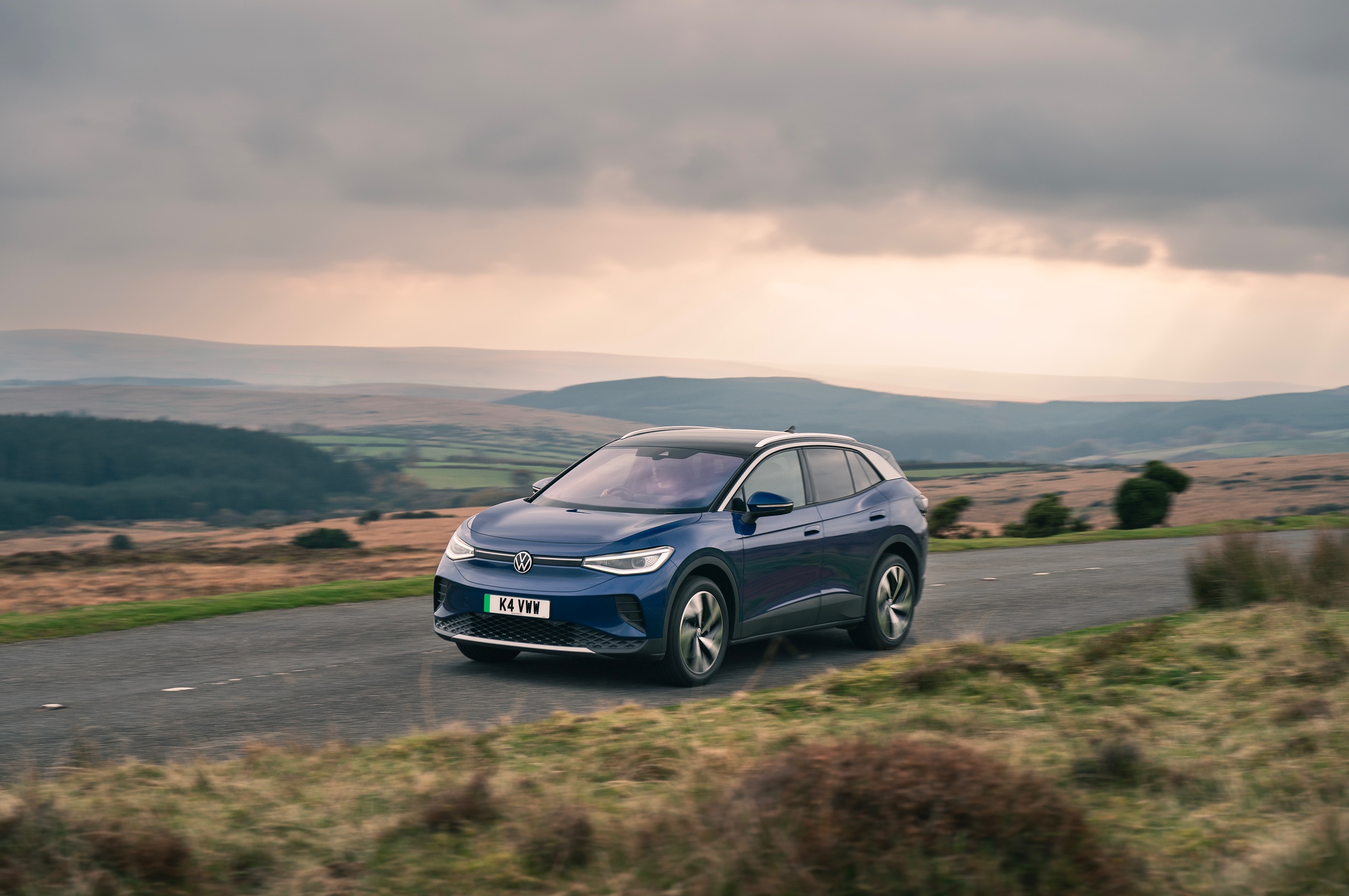
While it might not be the quickest electric family SUV on the market, the ID.4 is easily one of the nicest to live with day-to-day. It's calm, doesn't roll about too much through corners and the steering is light and accurate.
Bigger alloy wheels can make the ride a bit lumpy, but overall it's an easy and relaxing car to drive – natural, quiet and reassuring family transport.
Running costs and pricing
The ID.4 range is a bit confusing, so bear with us here. The Pure Essential is the entry model, with a 58kWh battery, 190hp and a £36,995 starting price. But there’s also the Pro Essential, which has a 79kWh battery, 286hp and a £36,995 starting price. Wait, what?
The Essentials come with all the essentials – satnav, heated front seats, rearview camera, two-zone aircon, adaptive cruise control, ambient lighting and keyless go, but 19in steel wheels (that I quite like the look of personally).
The Pure Match has the same powertrain as the Pure Essential, but costs from £39,590. The Pro Match is likewise with the bigger battery and costs £44,970, but there’s a four-wheel-drive Pro Match that adds 13hp, takes off 2kWh and costs £46,690.
The Match models get 19in alloy wheels, front and rear parking sensors, matrix LED headlights, an electric tailgate and tinted windows.
You can add £2k to that lineup to get the Pro Black Editions, that get some upgraded exterior body kit in black (obviously), electric front massage seats, and a panoramic glass roof.
The range topper is the speedy 340hp GTX model that has the 77kWh AWD setup and will cost you £52,900. That car adds tri-zone aircon, 20in wheels, augmented reality head-up display, improved safety kit and sport suspension.
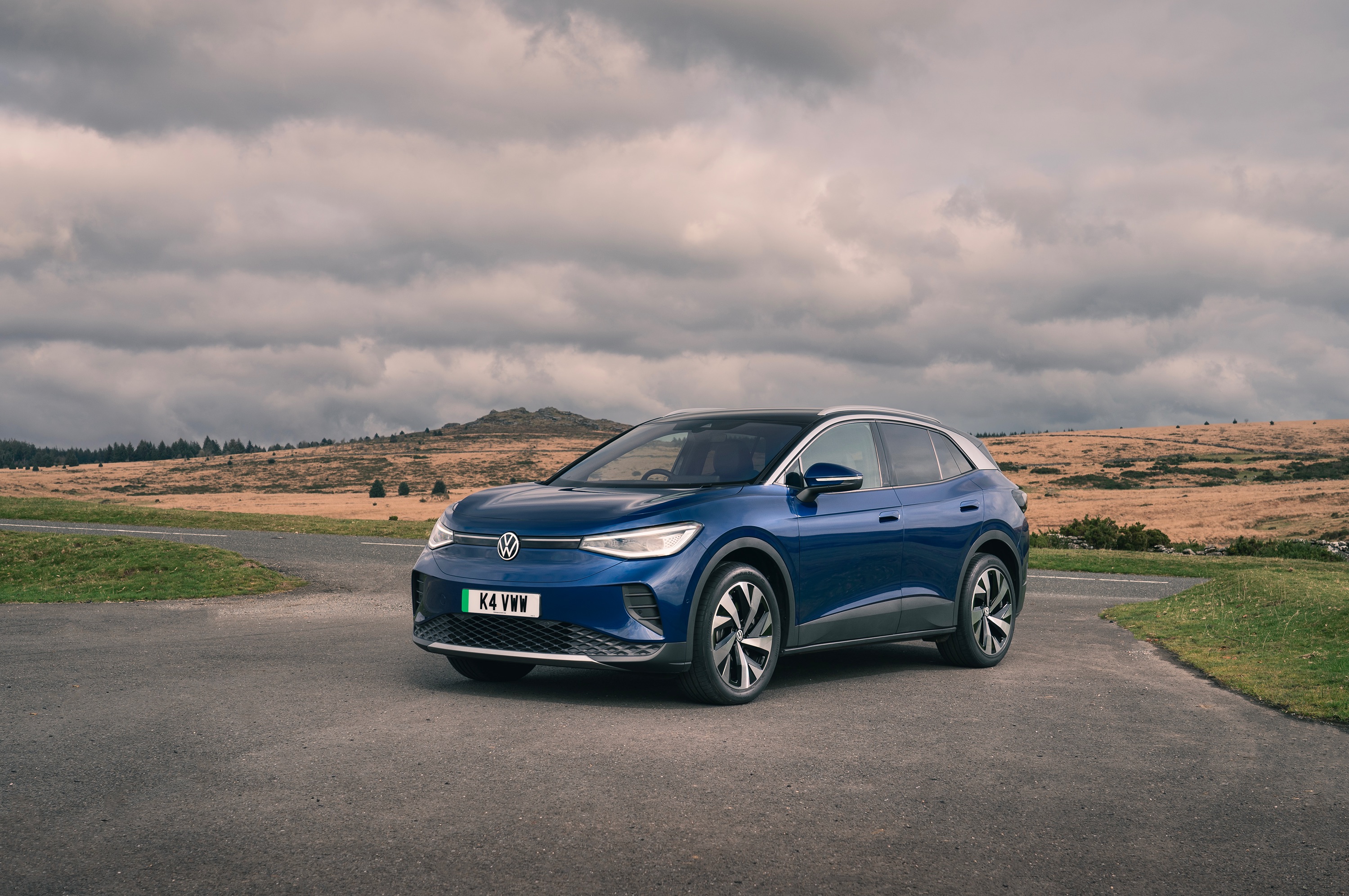
The ID.4 doesn't need annual services, instead Volkswagen recommends a check-up every two years. The three year, 60,000 mile warranty is a little on the stingy side though – other carmakers routinely offer more.
The ID.4 is one of the cheaper electric family SUVs to insure (the more entry level cars start around group 20 out of 50, the top spec GTX sits in the high 30s), and is very competitive with its key rivals.
Always get a personalised insurance quote before you commit to any car, as insurance costs can vary wildly depending on your address, driving history, which way the wind is blowing and what colour your underwear is.
Verdict
The ID.4 is one of those cars that is continuously evolving – Volkswagen has been chipping away so the car you buy today is usefully improved over the one you would have received at launch. And that's good, as this has always been a comprehensively good electric family SUV – roomy, safe, comfy, reassuringly familiar even if you're new to electric cars, and it goes a long way in between charges.
With those constant small improvements having now also solved most of the niggles that the ID.4 suffered with initially, it's even more appealing. We wouldn't say the ID.4 is quite class leading, but if you can get a decent finance deal then you've got a resoundingly likeable, well-rounded electric SUV.

 8
8