





 Battery size: 18.4kWh
 Range: 62 miles
 Company car tax: 9%
 Emissions: 47g/km
 Fuel economy: 139mpg
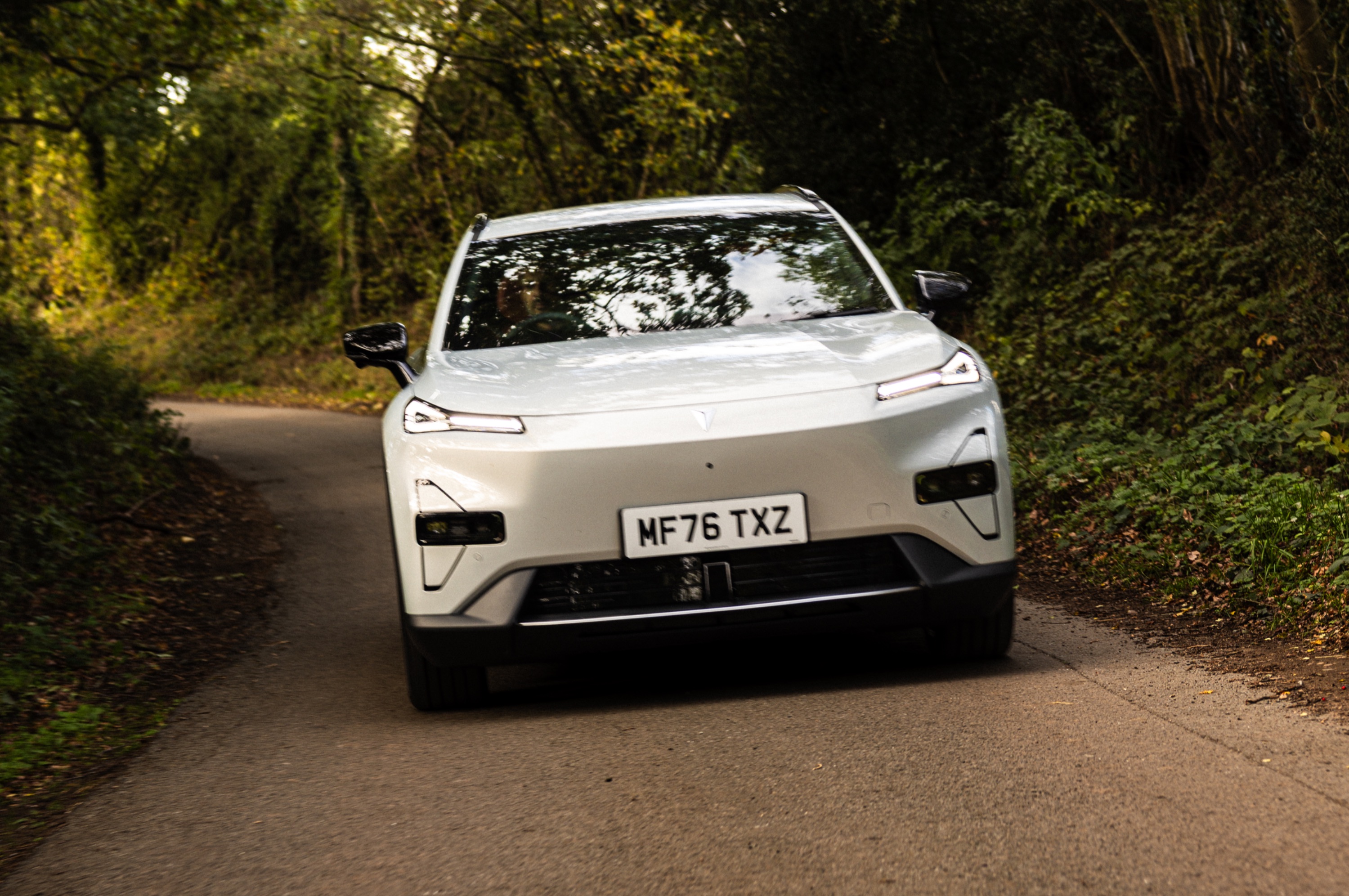
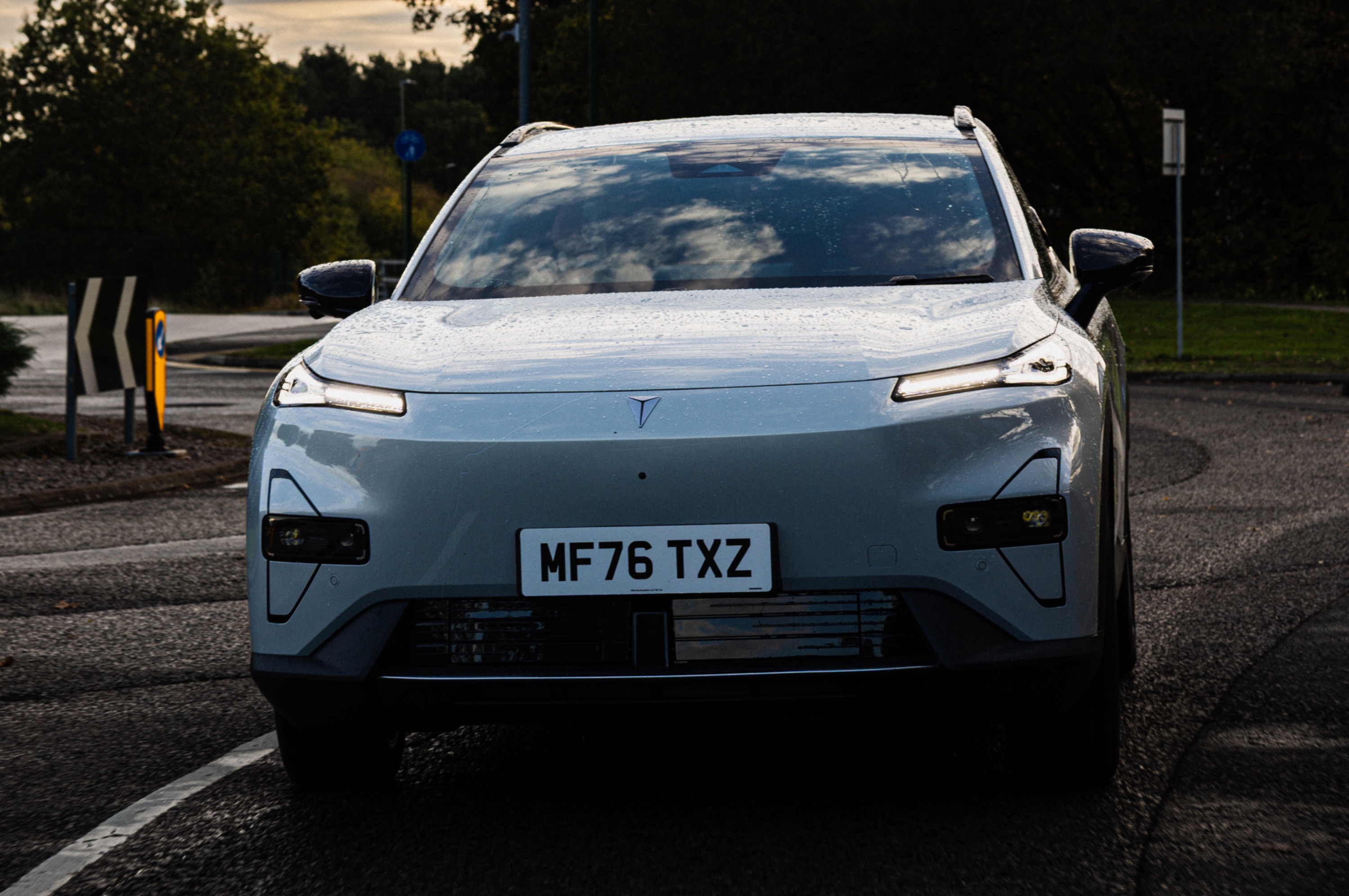
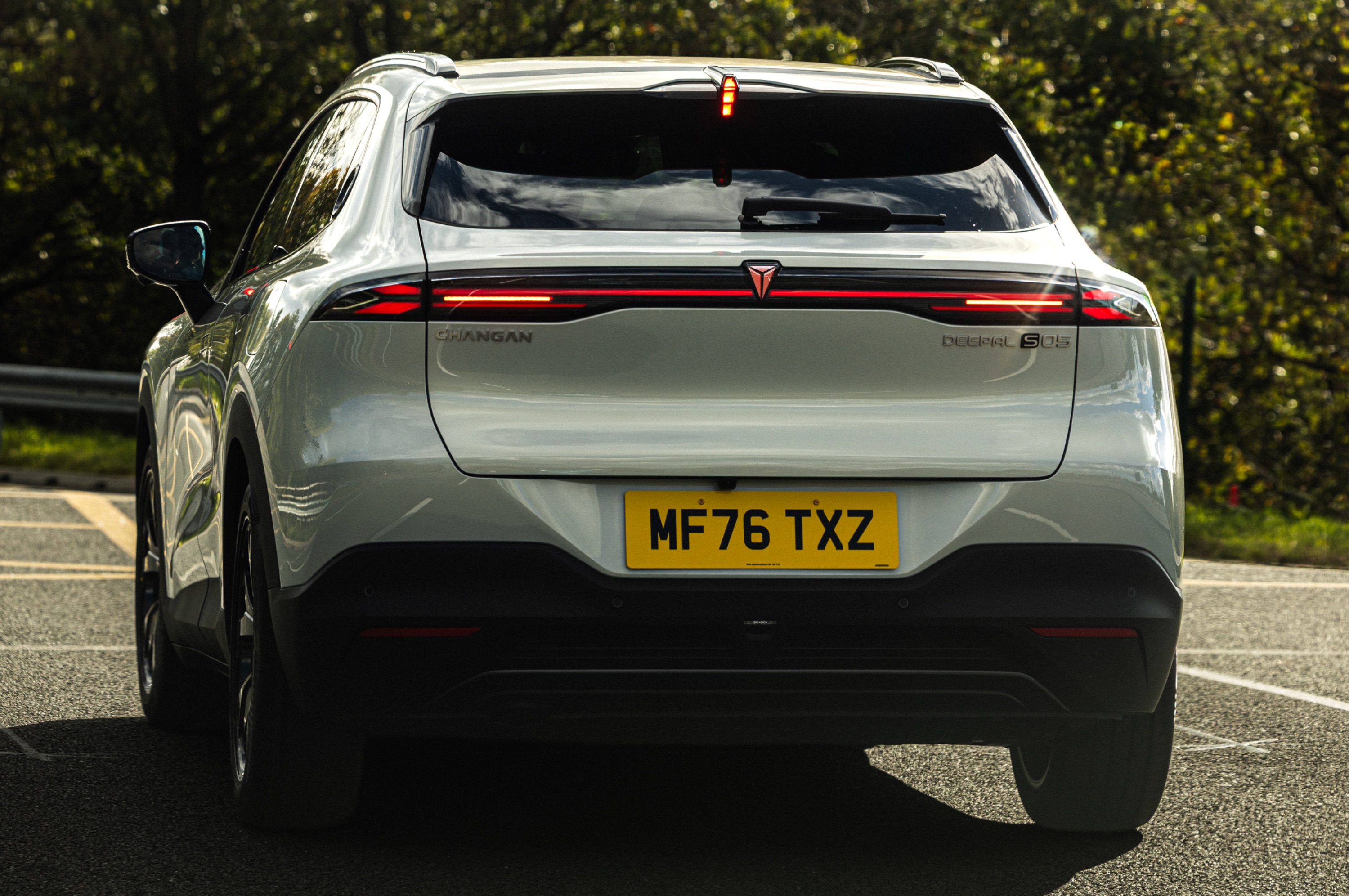
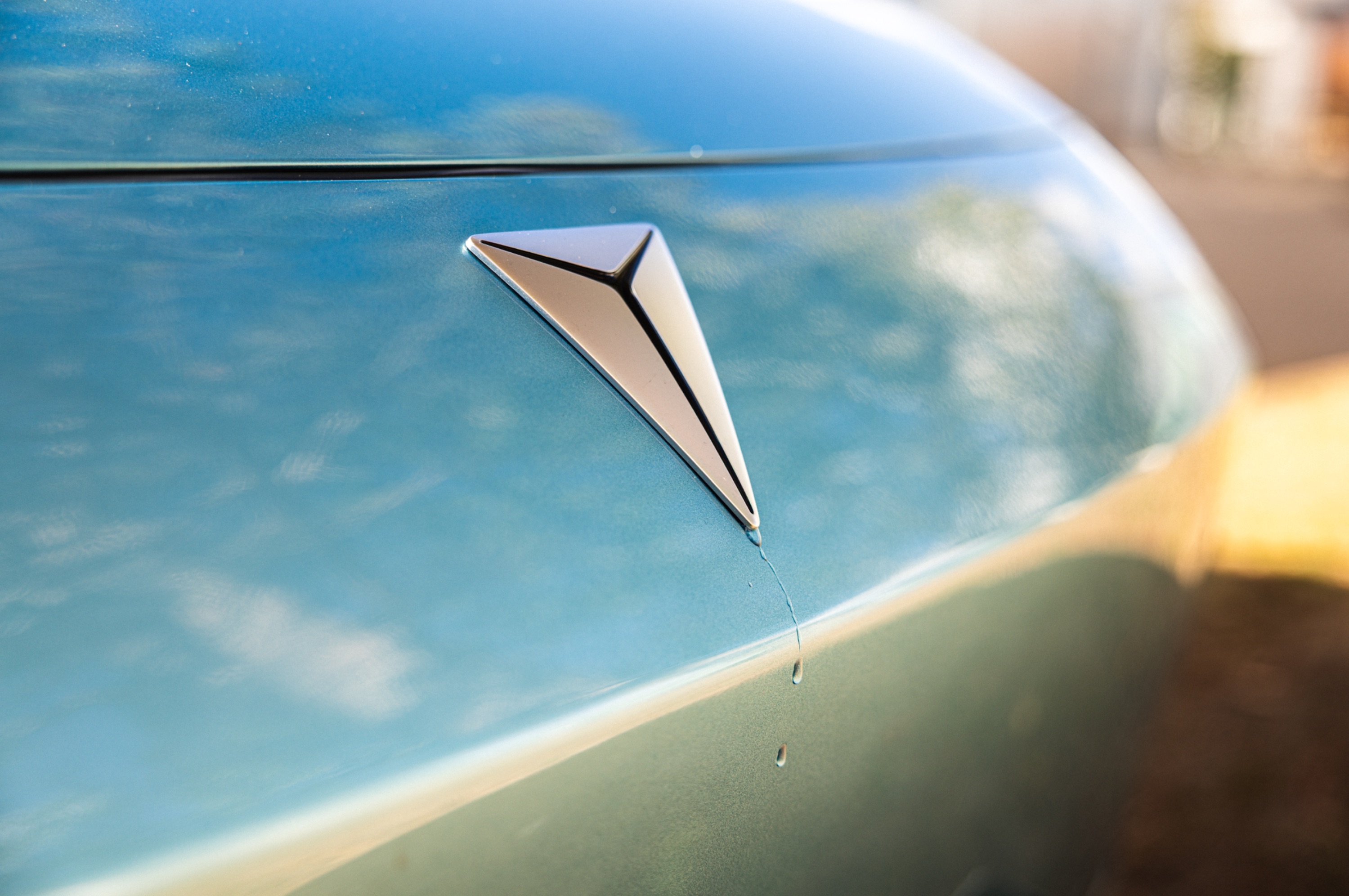
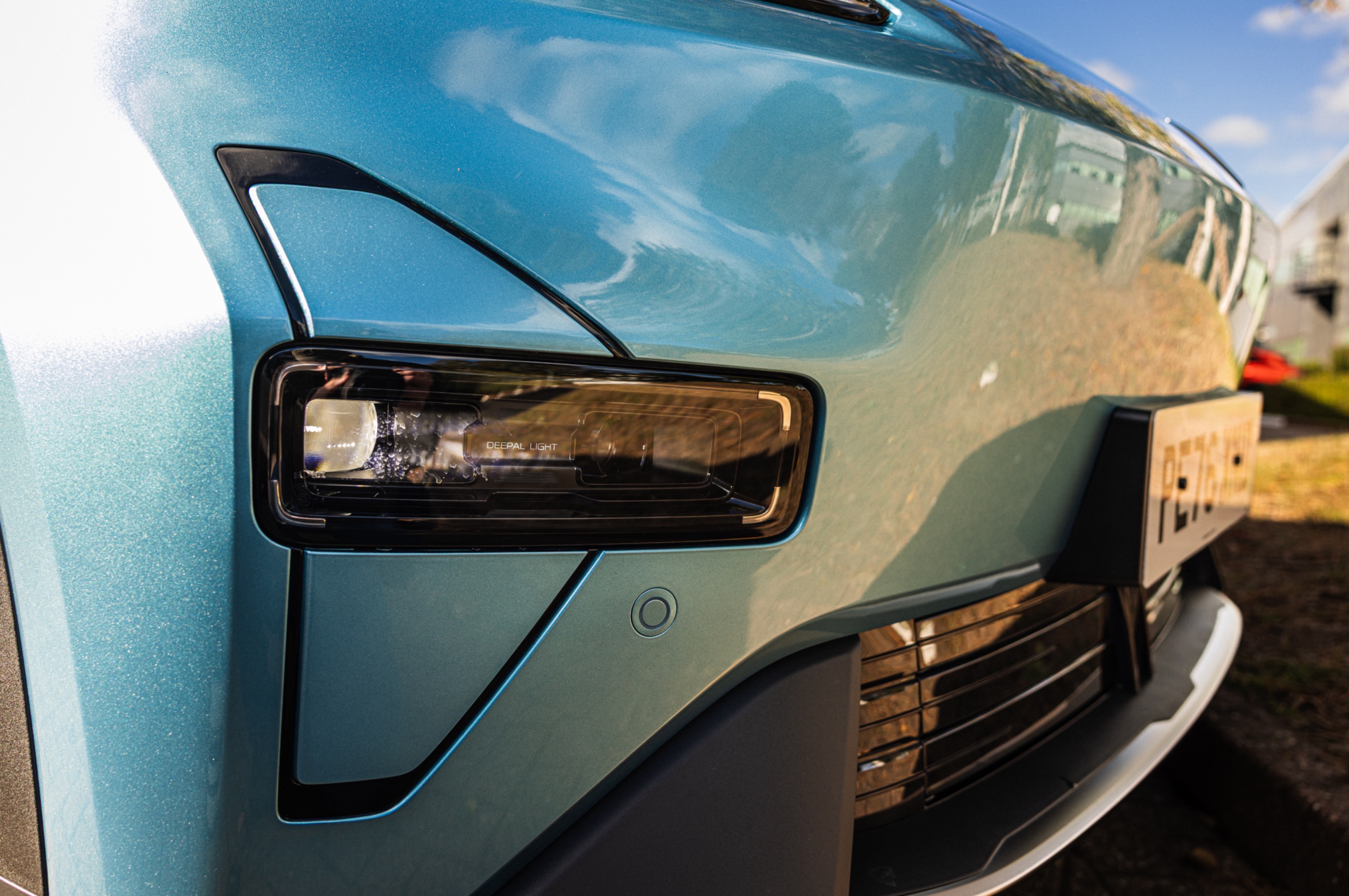



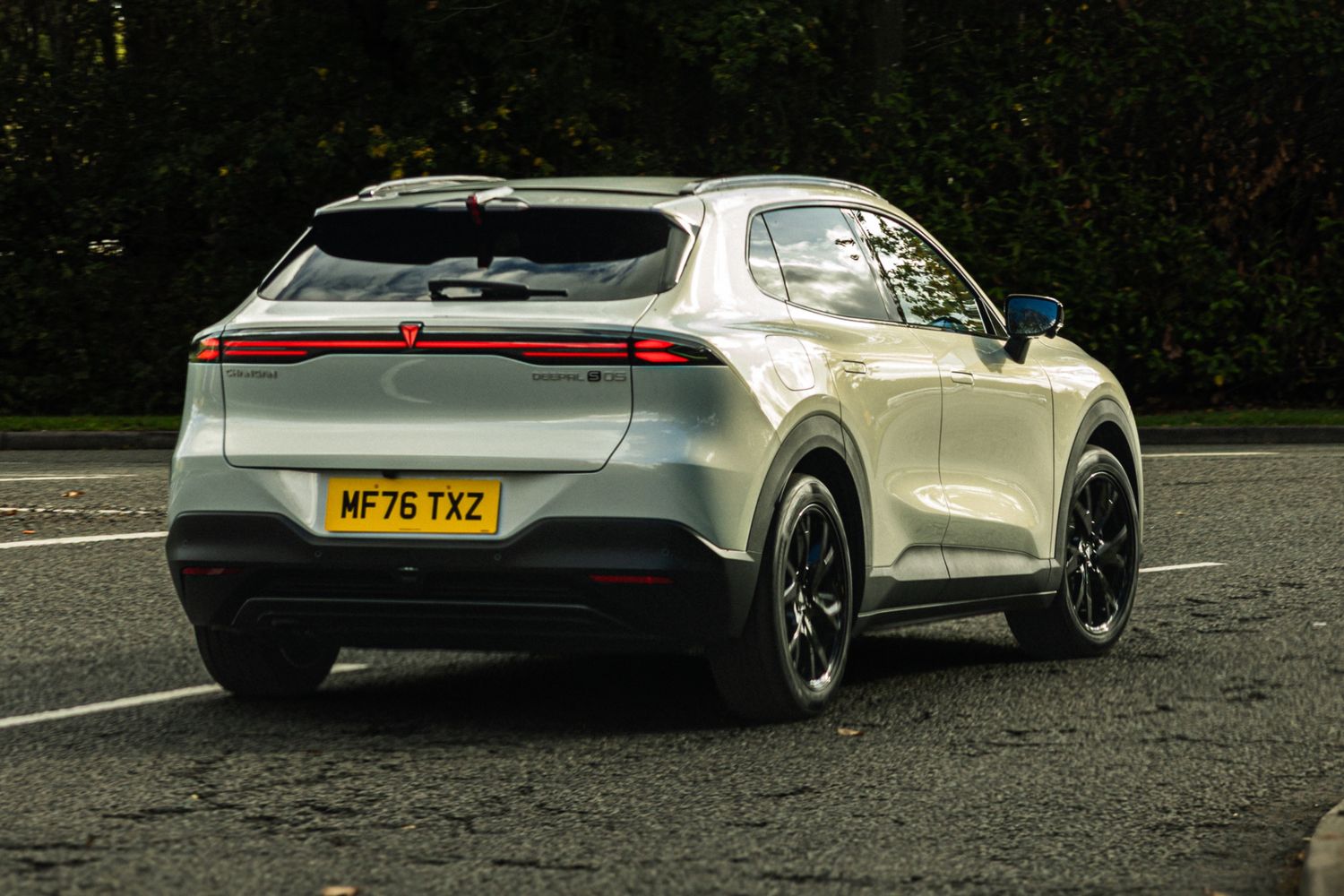
Introduction and model history – Changan Deepal S05 Ultra PHEV
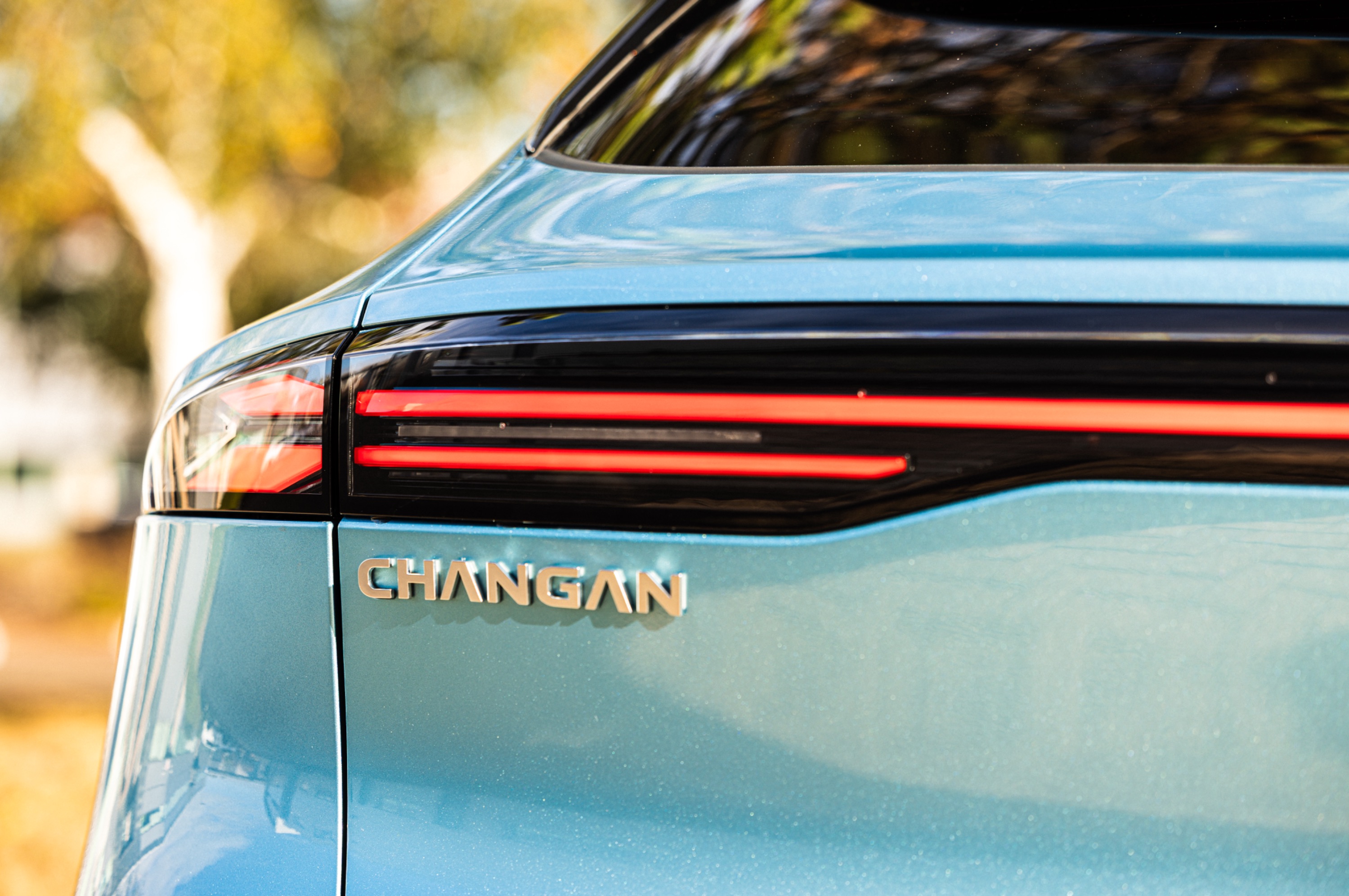
You might be surprised to hear this, but Changan actually launched in the UK over a year ago – I know. It’s China’s self-professed oldest carmaker, tracing its existence as a company back to 1862 when it made guns, and then 1984 when it switched to passenger cars. It’s probably not as big a leap as you might think.
It’s properly state-owned, the second largest of the so-called ‘Big four’ car official Chinese companies after MG owner SAIC. Say what you like, but you won’t have to worry about finding parts. Does any of this actually matter? Probably not, unless you happen to work for the MOD, in which case it probably won’t be on your company car list.

Changan reckons it’s been deliberately quiet, biding its time to see how its other Chinese rivals get on. Is that a PR line? Maybe, but it does actually have a good foundation – I drove this new car at the company’s Birmingham R&D base, which has been around for years. And the S05 was designed at a studio in Turin that’s even older.
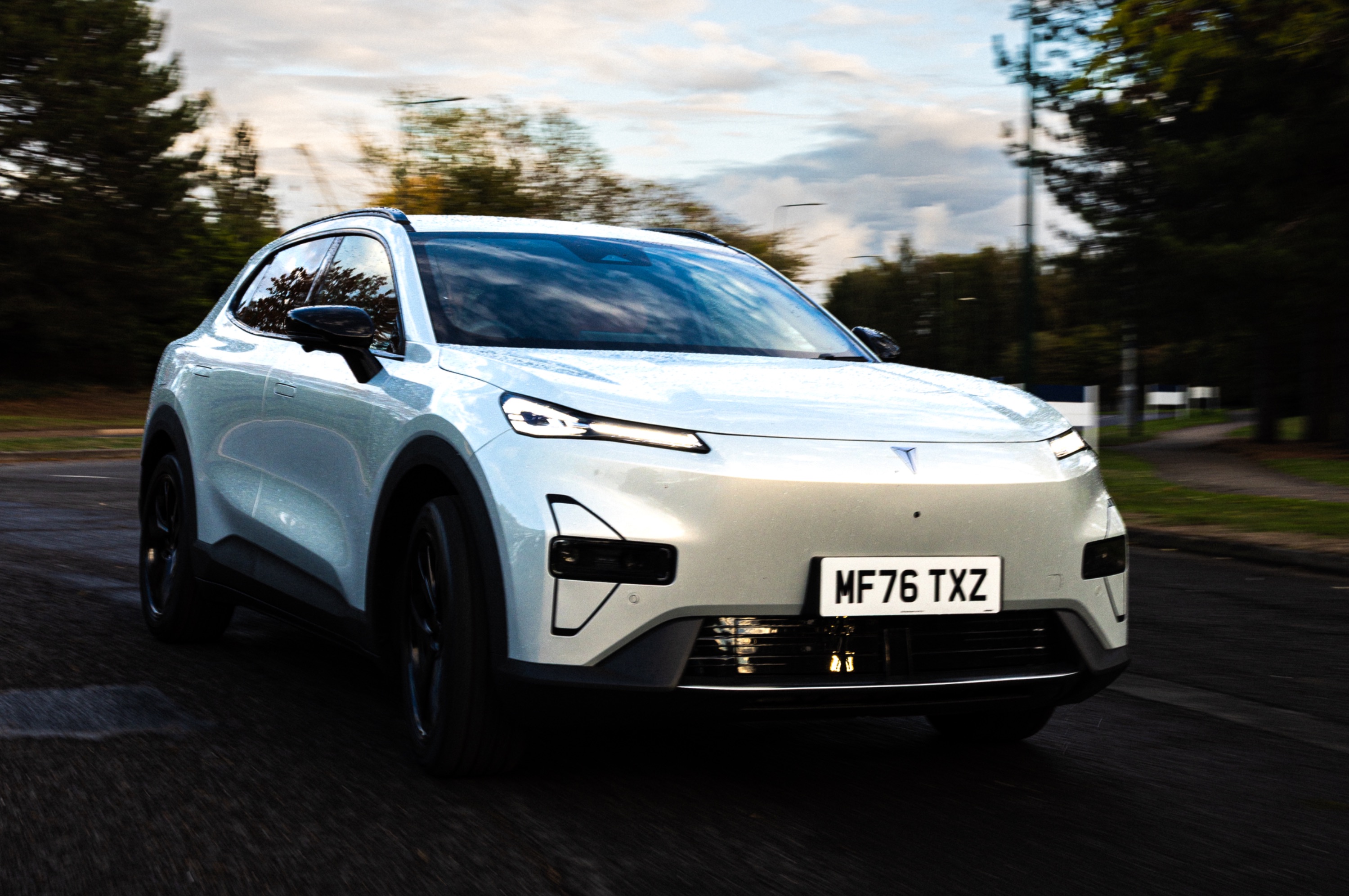
It feels like a mature product that’s been developed for European tastes, at any rate, rather than a flimsy thing that’s been shipped over straight from a Chinese showroom. This car is the new plug-in version of the S05 electric SUV that we drove earlier this year and is already on sale. You get a solid slug of range (62 miles of WLTP) from an 18.4kWh battery that comes with V2L as standard as well as DC rapid charging at 55kW should the desire strike you. And a well sorted car that’s been tuned around the roads of Birmingham (poor thing) and costs £5k less than its electric sibling.
It's up against some stiff competition, though – the likes of the Jaecoo 7, MG HS, Kia Sportage and Citroen C5 Aircross all offer PHEV versions with reasons to look at them.
Range, battery and charging
You’ve got 258hp of power at the wheels courtesy of a 1.5-litre petrol engine and a nifty little e-motor that’s powered by an 18.4kWh LFP battery. There’s all sorts of tech trickery going on, but the nicest thing is that you don’t need to both with any of it – just get in and go. Phew.
Officially you get 62 miles of range from the battery, and I was on track to match that (and possibly better it) on a chilly day in the wet – lots of traffic around, though, which is brilliant for a bit of regen, but not so great when you’re trying to run down a plug-in battery.

Once the juice has gone the car acts as a normal hybrid and Changan reckons you’ll get 52.3mpg out of the engine doing a combination of charging the battery and occasionally powering the wheels. Mostly the S05 PHEV’s petrol engine acts as a range extender, just generating electricity in the most efficient way it knows how. In practice, I reckon you’ll get 45/47mpg in this state, which isn’t too bad either.
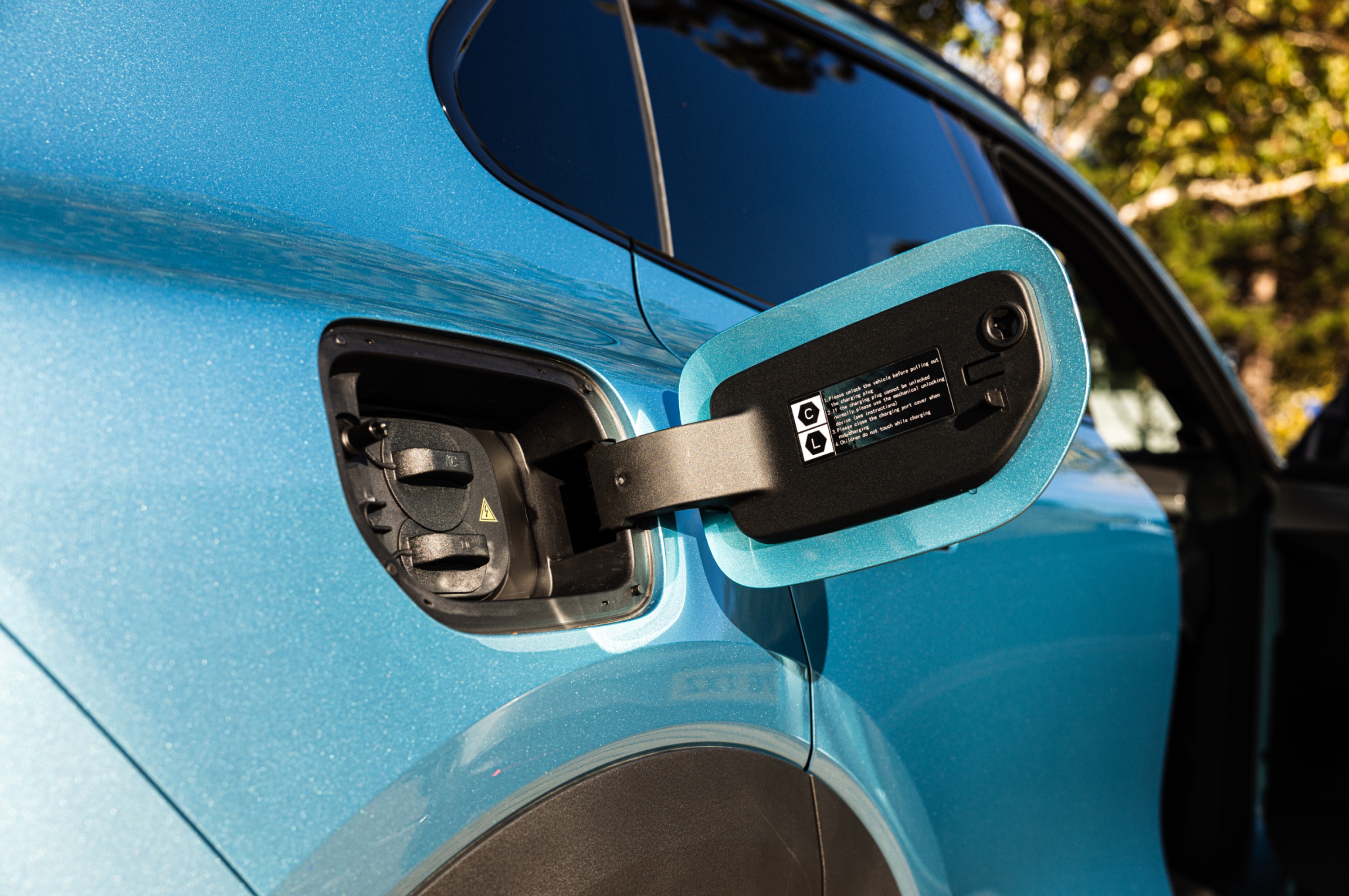
You get 11kW AC charging and 55kW DC rapid charging as standard, which is an impressive offering. Given the efficiency of the S05 PHEV it actually makes more sense than most plug-ins to juice it up on a public charge point occasionally. But like all PHEVs it only makes proper sense if you've got charging at home.
Practicality and boot space
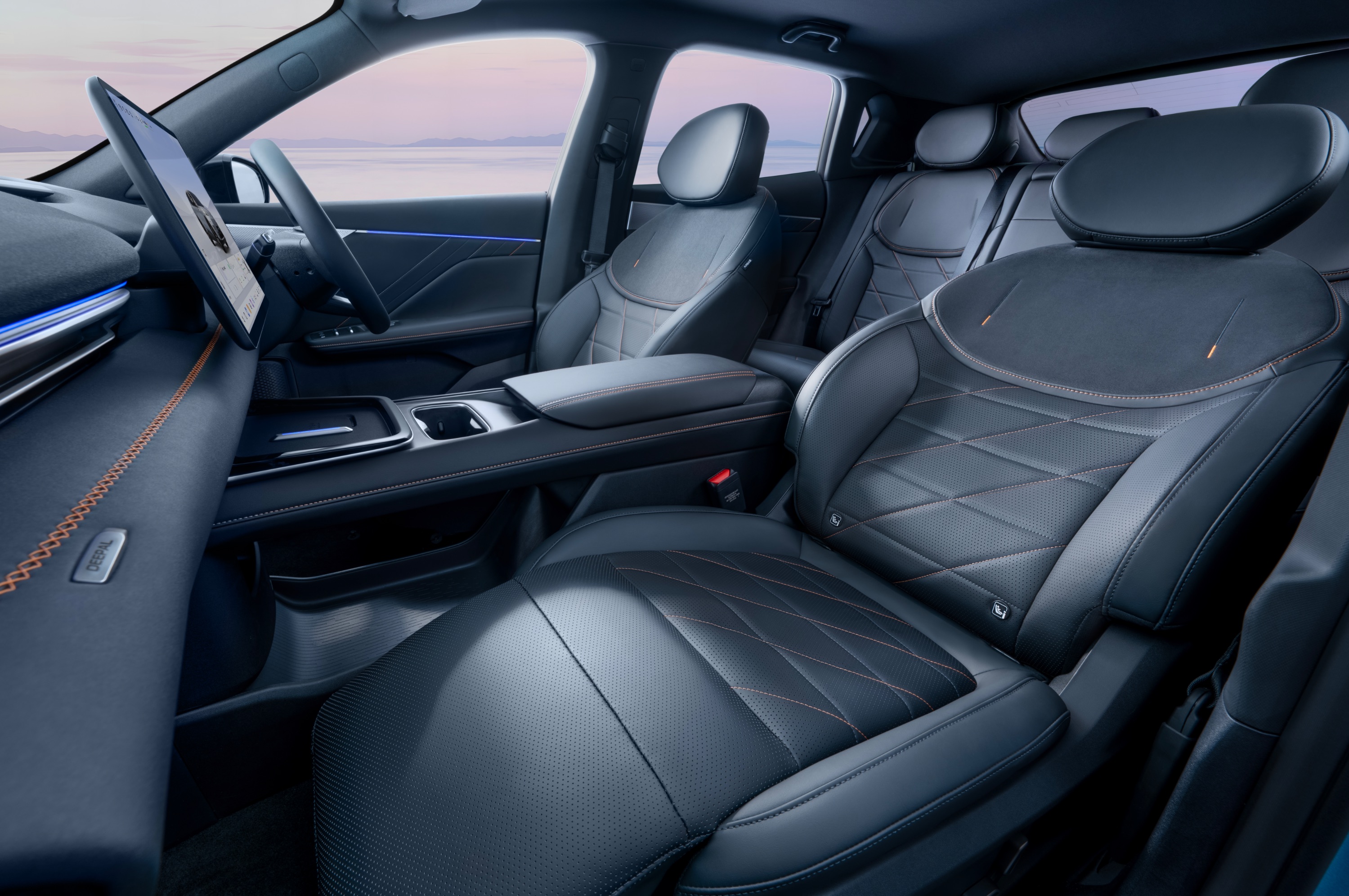
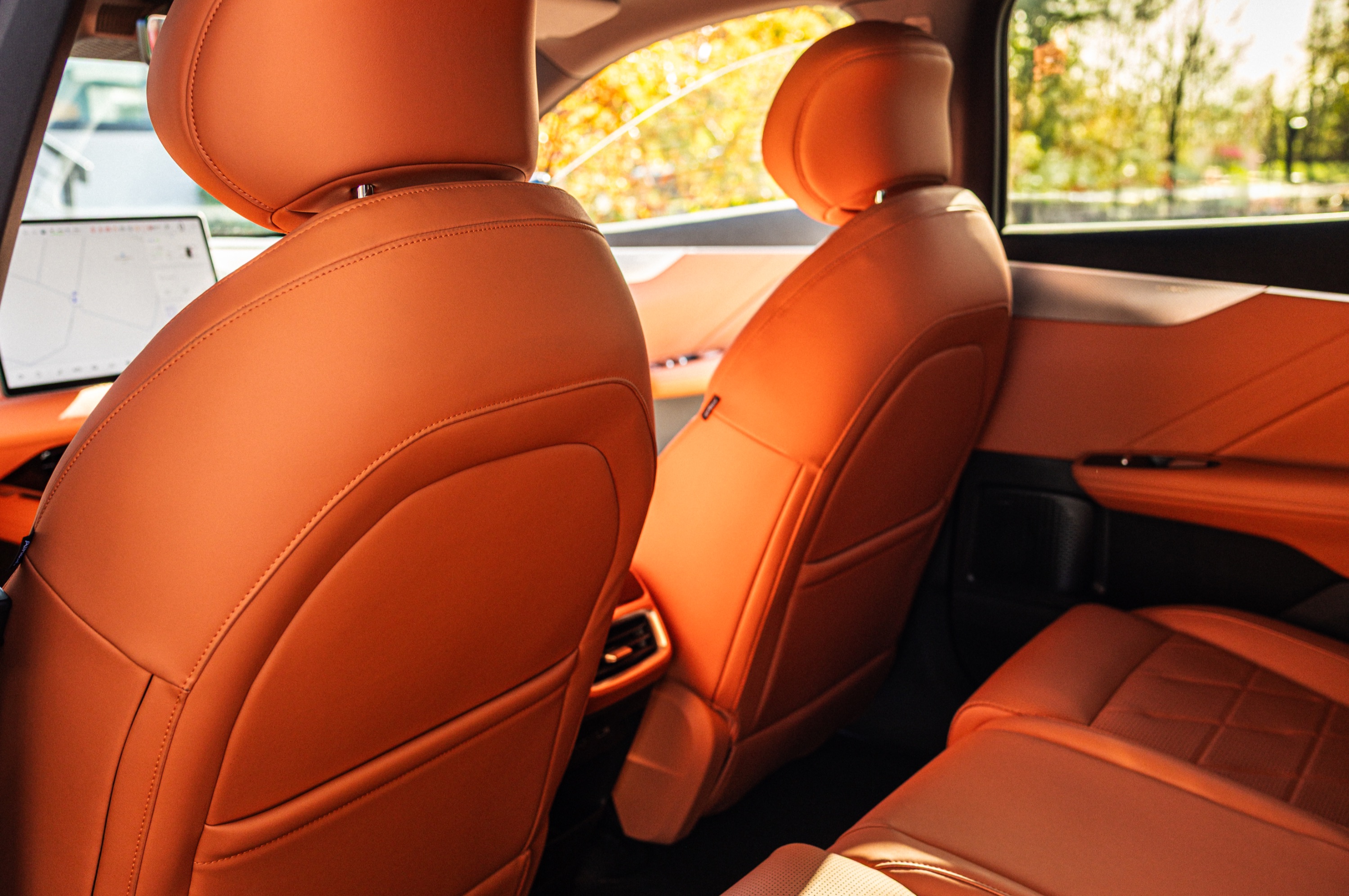
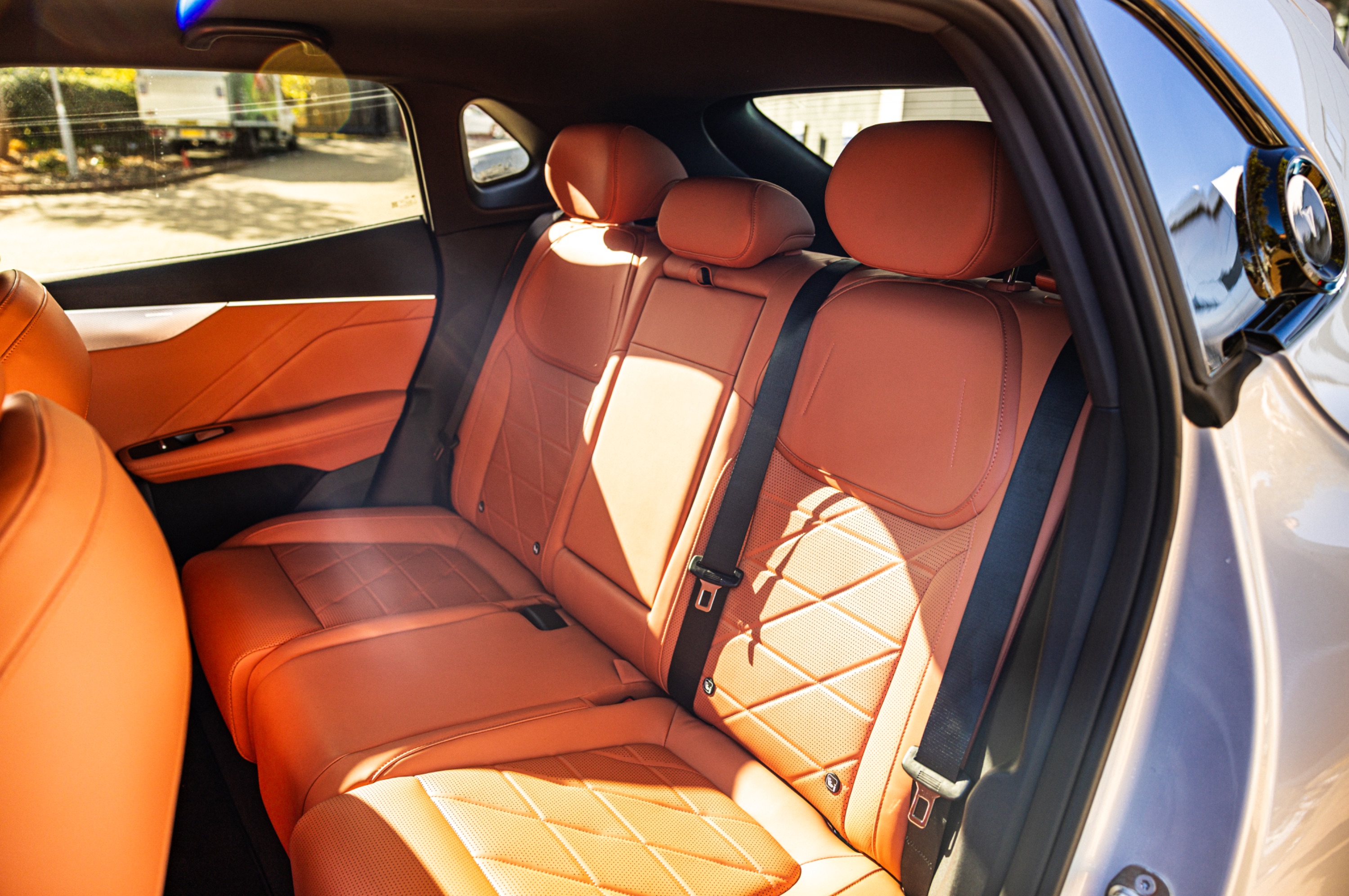
The Deepal S05’s cabin feels surprisingly spacious inside, with decent room for four adults and space for a fifth on occasion. There’s a load of legroom in the back that will go down nicely with your rear passengers.
You’ve got a mix of deep central storage bin and a sneaky little shelf (annoying for drivers to try and reach on the move) in the central part of the dashboard, but no glovebox and no dash top storage.
The maximum braked towing capacity is 1,600kg on the PHEV version of the car, but you don’t actually gain anything here because that’s exactly the same as on the EV. It is of course much easier to refuel on the move when towing a caravan if you’ve got a petrol tank. The tow bar is a £700 option.

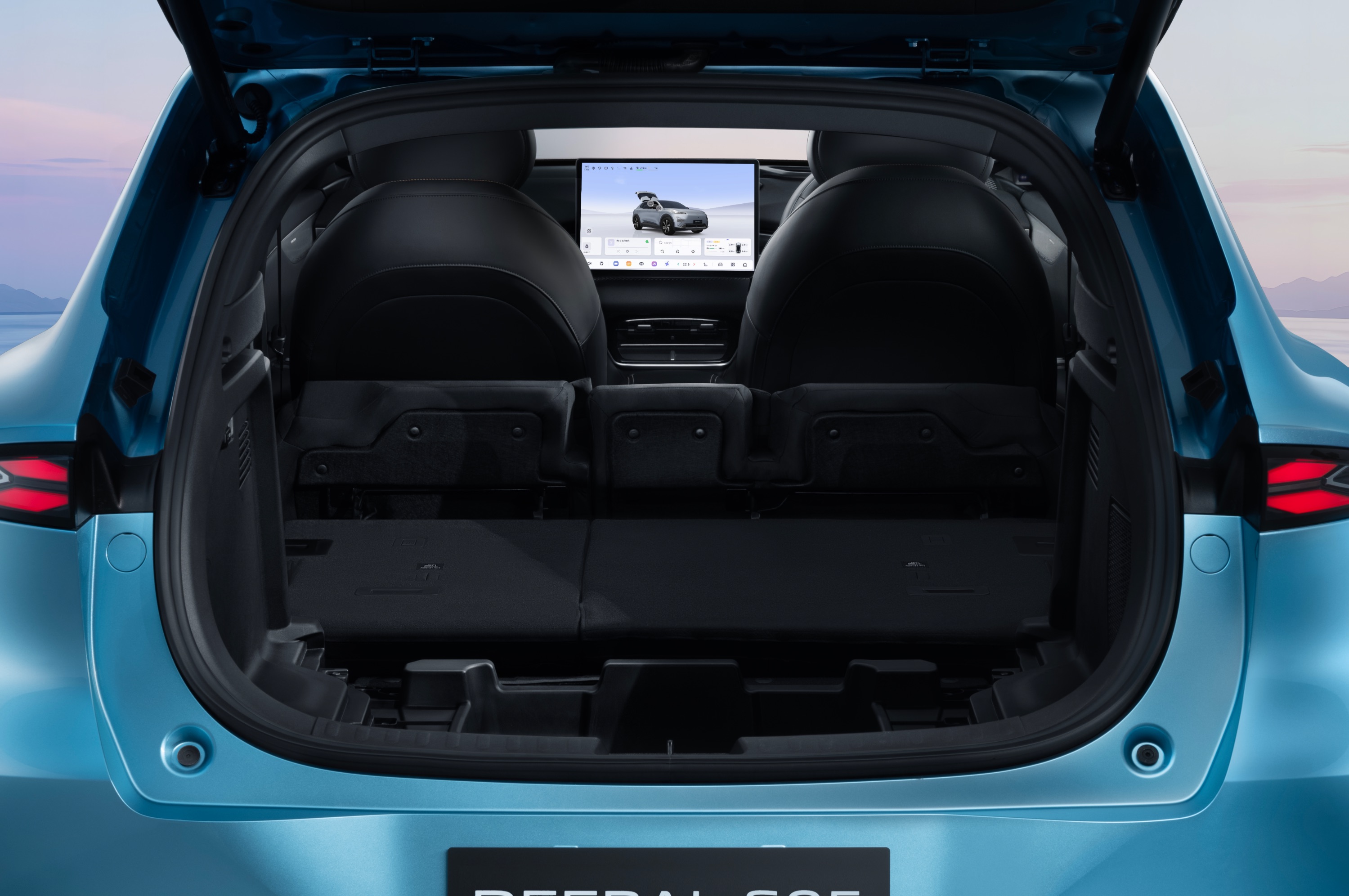
The boot space is impressive when compared against PHEV rivals – the 552 litres of the Changan are better than the Jaecoo 7’s 410, MG HS’s 507, Kia Sportage’s 540 and the Citroen C5 Aircross’s 460 litres.
It falls to the middle of the pack when you tip the seats down, with just 1,310 litres on offer – the Kia Sportage has over 1,700 litres of boot space in this setup if you’re regularly carrying lots of stuff.
Interior, design and technology
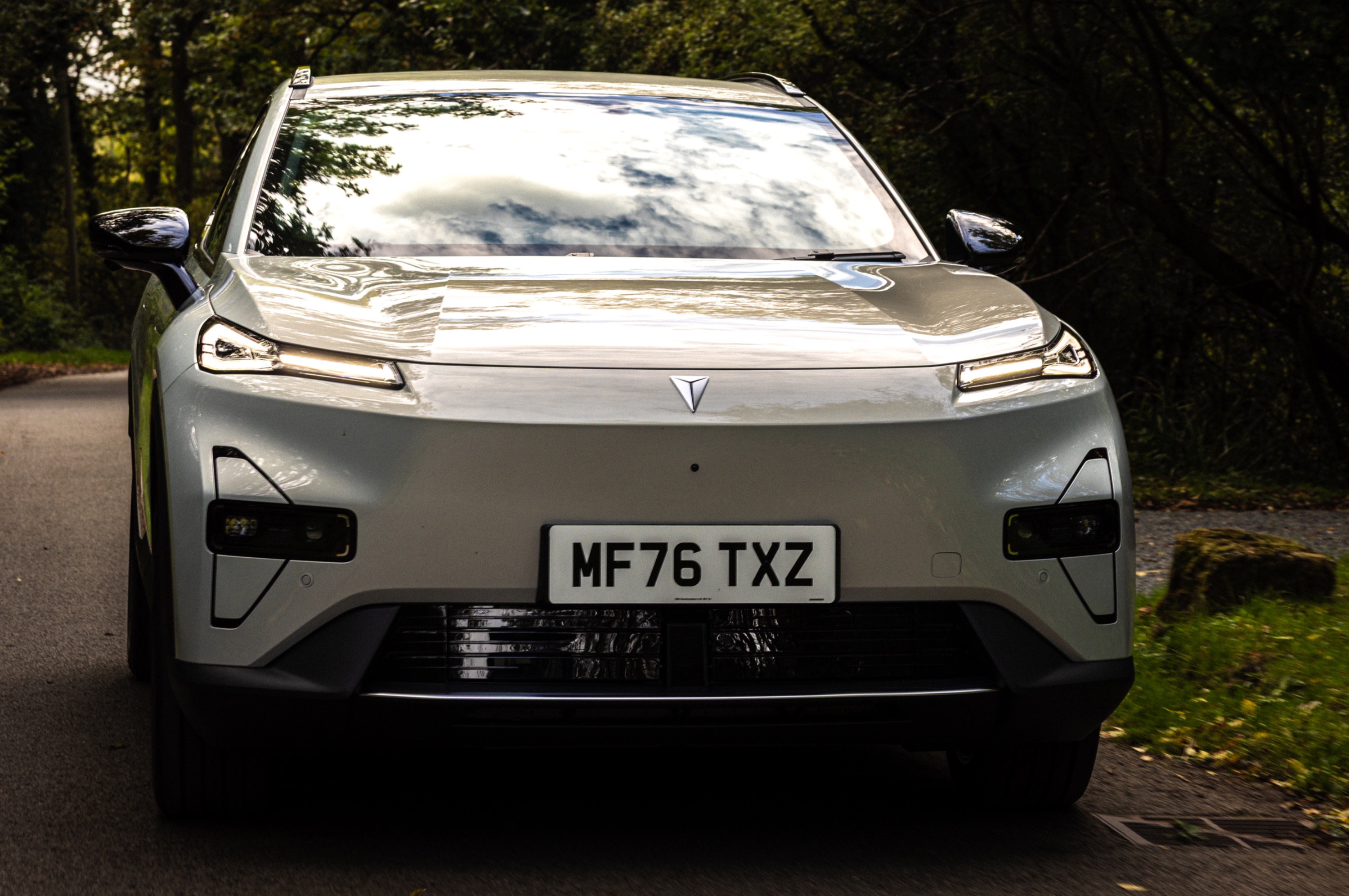
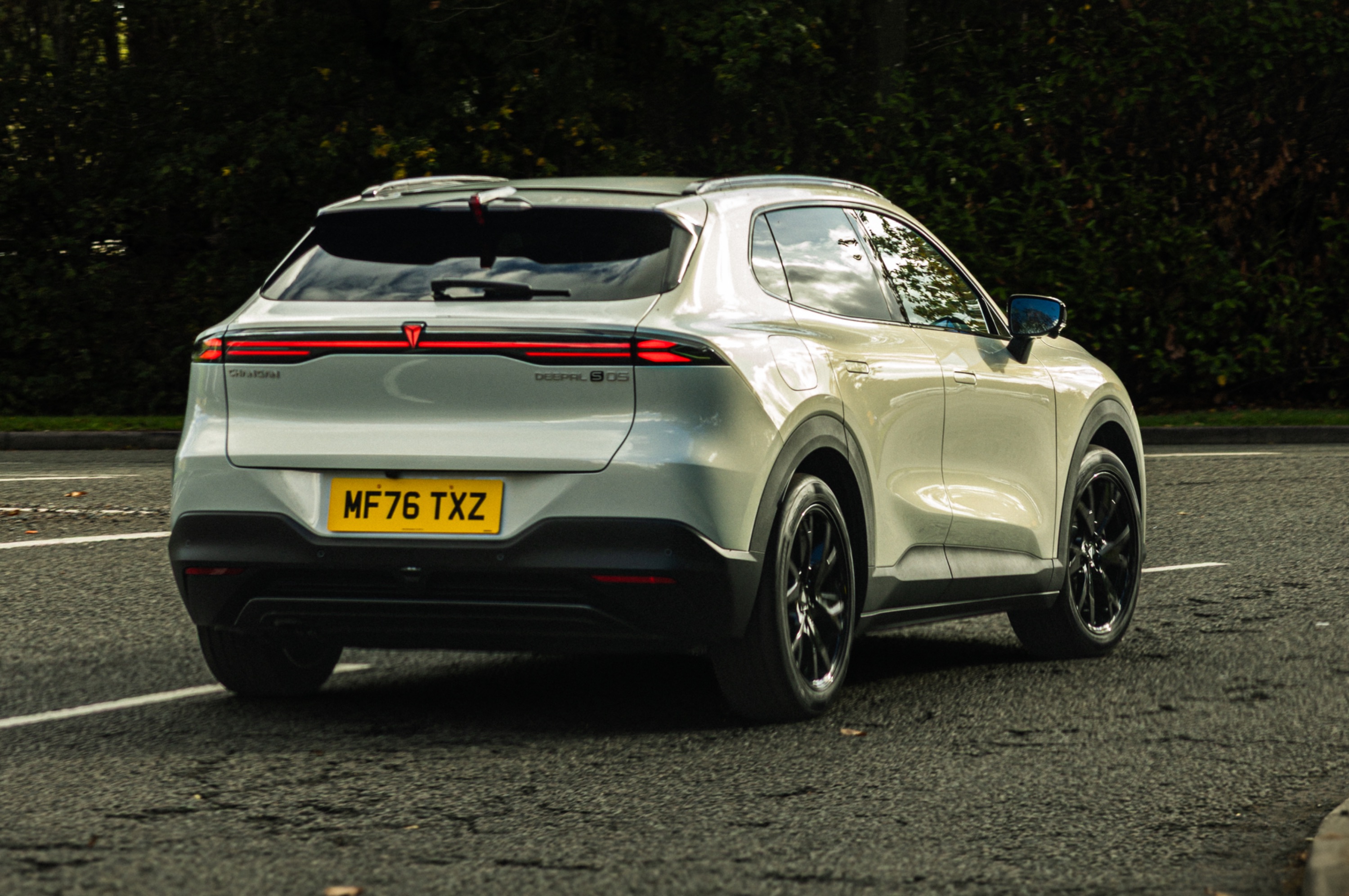
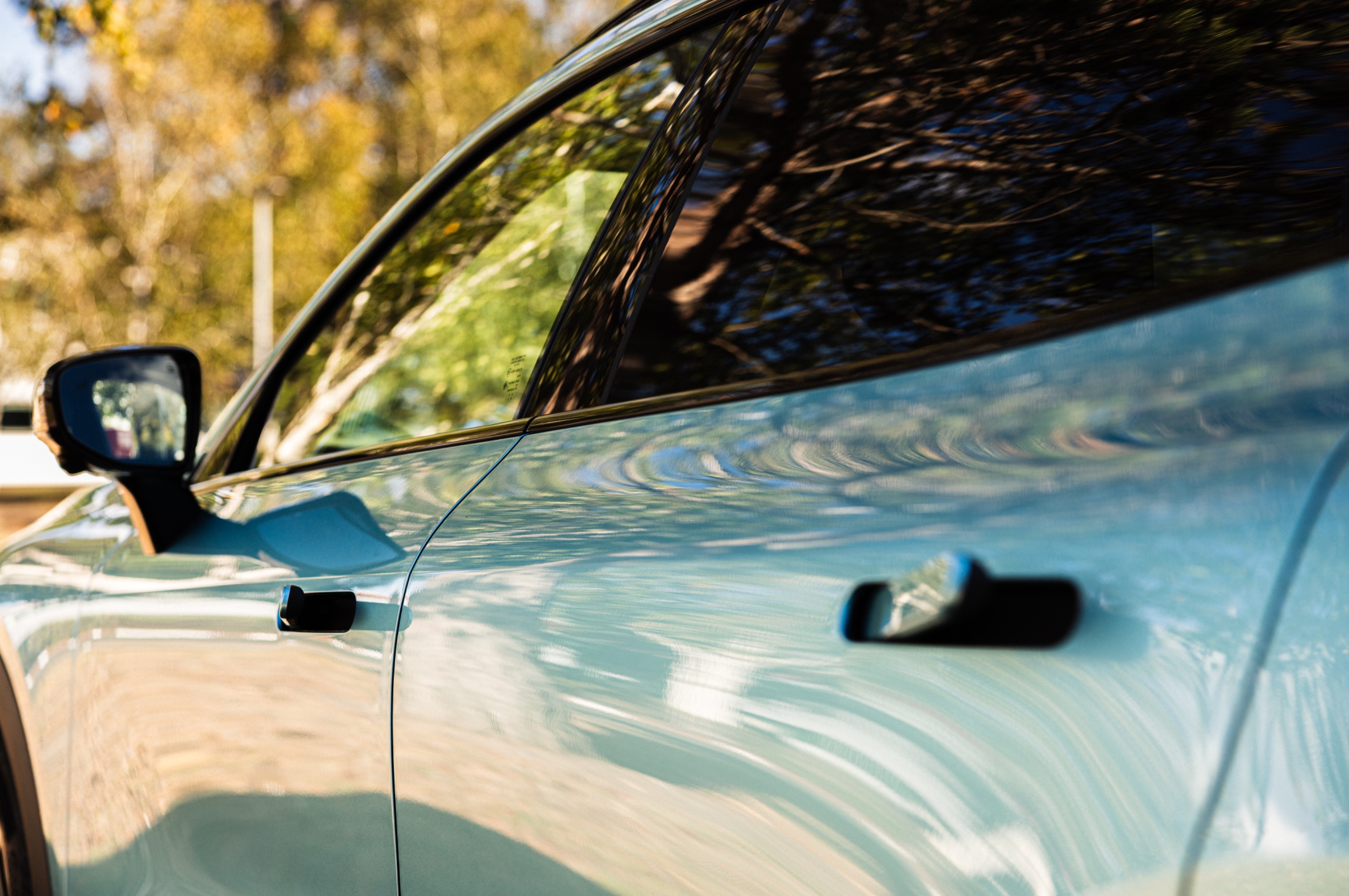
The overall styling of the car is very slick, if a touch anonymous – but maybe that’s just something that’s improved by having more of them on the road. There’s a lovely shade of blue available that really lends the Deepal S05 a little something.
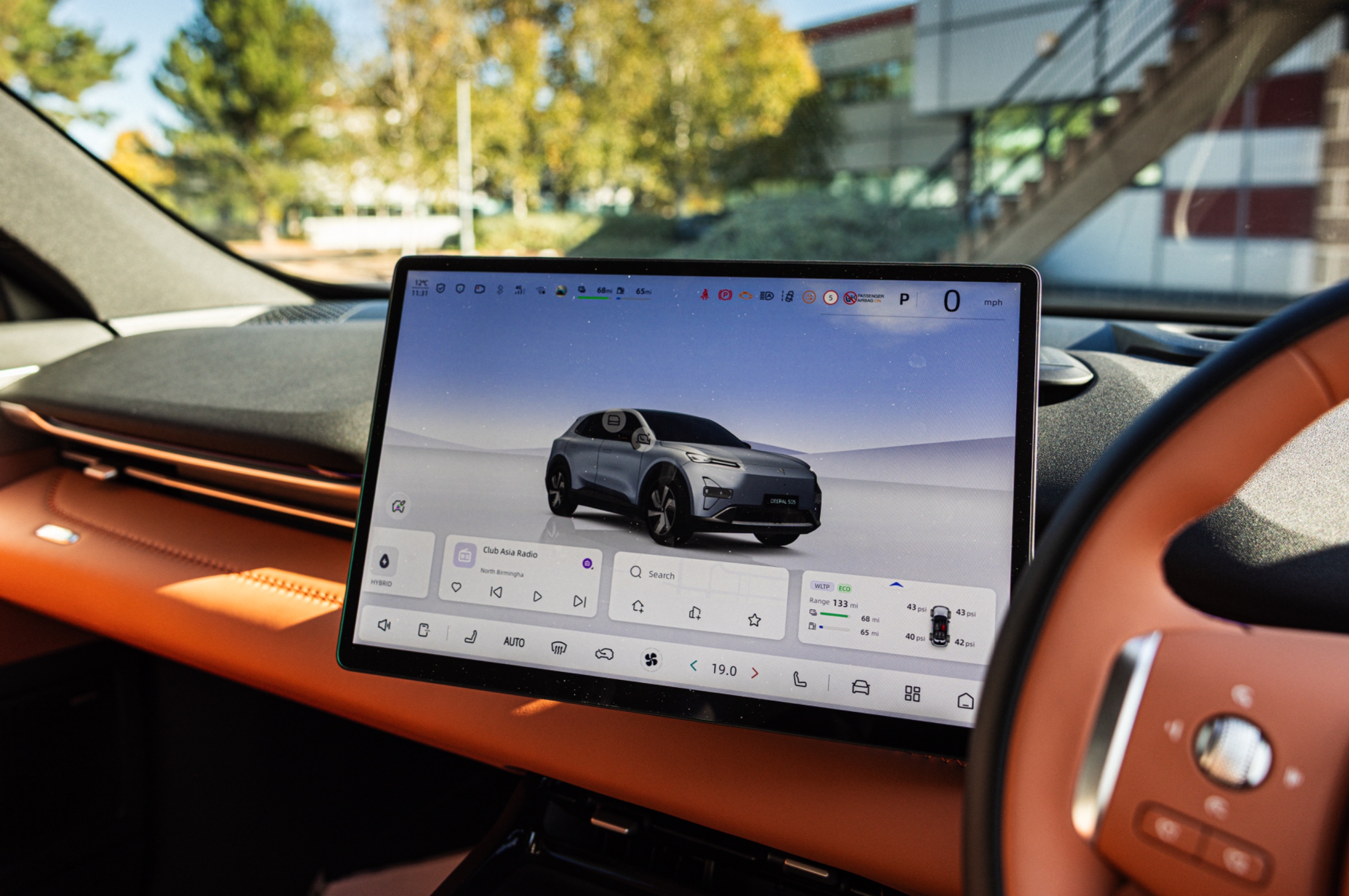
Inside you’re not overwhelmed by the tech – you’ve got a 15.4in central touchscreen that does all the heavy lifting. This has to fill in for an absent instrument panel, with your speed relegated to the top corner and various warning lights and indicators almost impossible to make anything of. You get a bong while you’re driving and you’ve no idea what it’s trying to tell you – but it all looks lovely, which is the main thing.
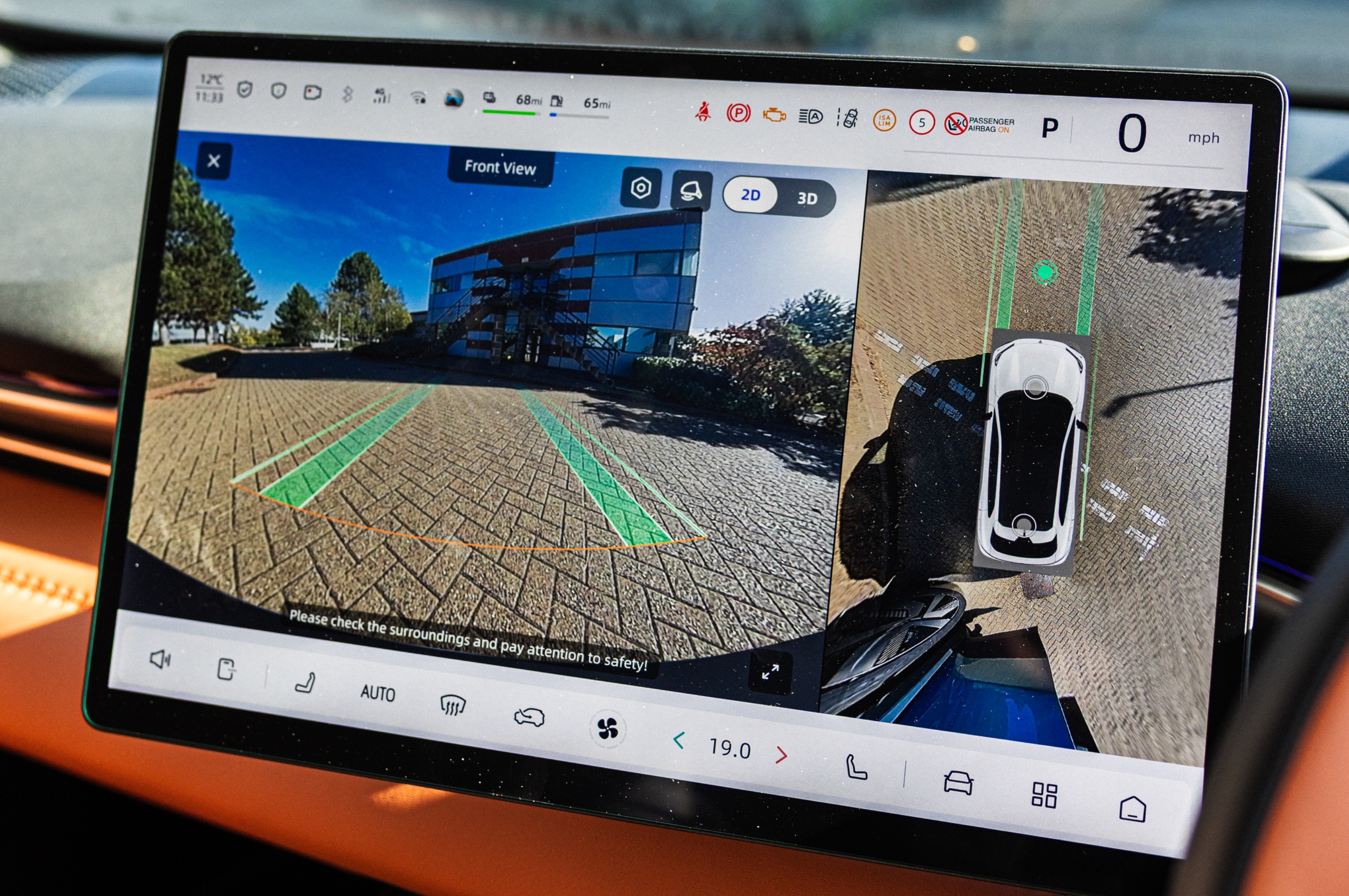
The infotainment is better looking than many Chinese rivals, with a glossy finish that’s missing elsewhere, but you’re still left hunting through endless submenus to change basic settings. It’s a modern plague though, I’m not just singling out Changan.
There are some nice little things in there though – in the window control section you can press a button that gets all of the windows in the car to drop a centimetre or two to allow some fresh air inside.

If you go for the top trim the head-up display offsets some of the issues with not having the dashboard driver’s display, and you also get a tilting infotainment screen that swivels between driver and passenger. I’m not sure if it’s the answer to a question nobody asked, but it’s fun to play with.
In that Max trim the front passenger also gets a fancier seat that reclines with a built-in footrest, turning the S05 into one of those rare cars you’ll be arguing not to drive.
Motors, performance and handling
The Deepal S05 PHEV feels like a mature car to drive – which is to say that it’s clearly been set up for European tastes, with a weight and poise you don’t always encounter on Chinese-tuned cars that are overassisted and with a light touch to the controls.
It’s all very simple to get in and drive, and you don’t even notice the lack of start button until you try to turn the car off as you leave. The ADAS electronic safety gizmos are pretty well sorted – the benefit of having a long-standing UK research base.

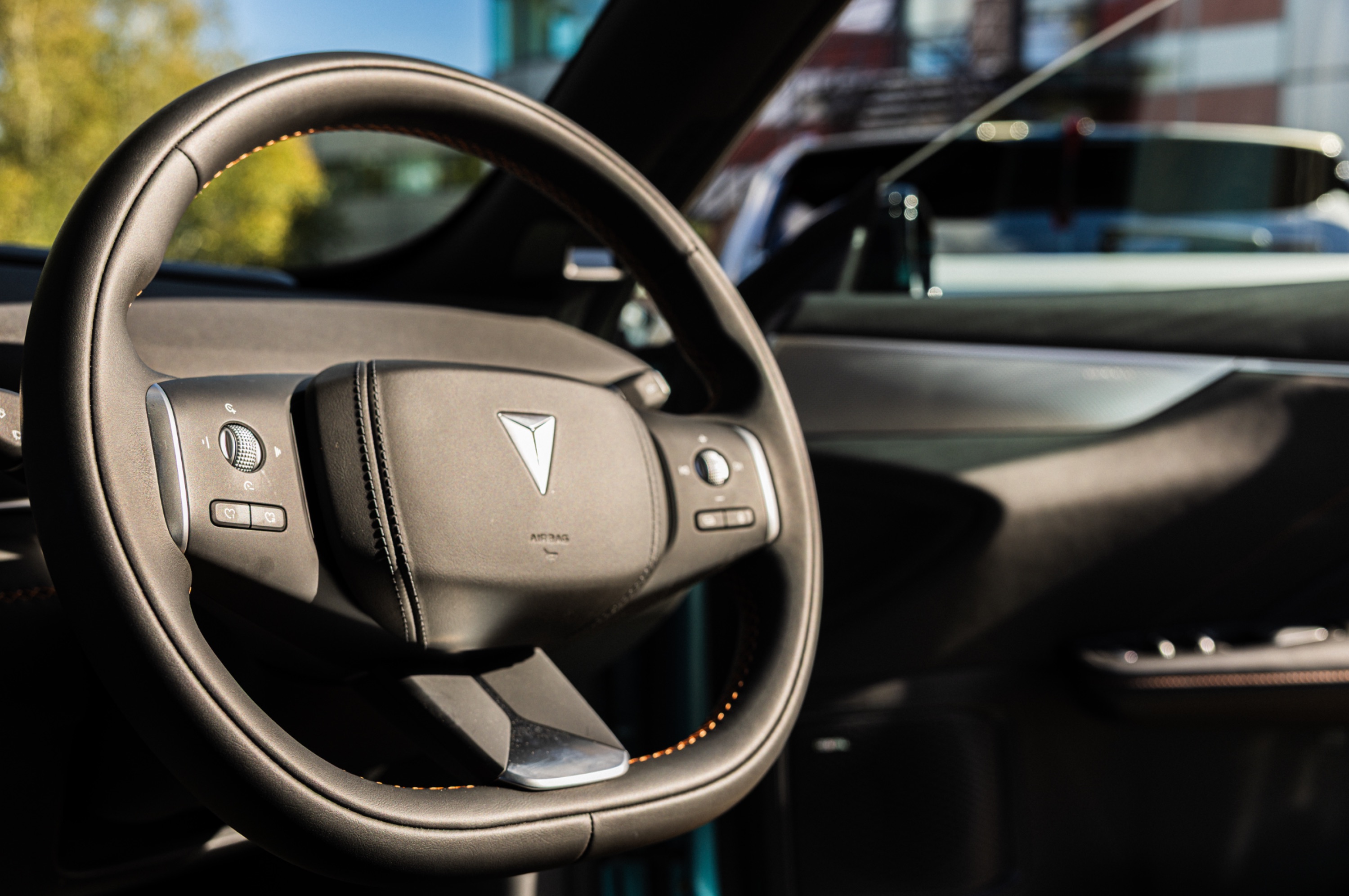
There’s nothing in the Changan that I’d feel compelled to turn off straight away every time I got in, but a nice touch is the fact you can set up a couple of hot buttons on the steering wheel for whatever shortcut you want. The traffic sign recognition for the speed limit alert got things wrong a few times, so that would be the first one to go.
My one big peeve with the car is that the huge headrests really impact your over-the-shoulder visibility (if you’re still old-fashioned enough to actually be looking around when you drive). You can see anything to the right and you’ve got to stretch to see to your left.

Changan has tried to mitigate this by having a little side view camera pop up on the infotainment screen when you indicate, but it covered up the satnav directions at critical points and I switched it off.
On the other side, I was all geared up to be annoyed that the brake regen isn’t adjustable, but actually it’s very intuitive. The S05 has a setting to turn on ‘comfort braking’, which actually makes a decent difference to how the car comes to a halt. Not sure why uncomfortable braking would be your default.
Running costs and pricing
It’s all fairly simple here – like with the EV version, there are two versions of the plug-in hybrid – Pro and Max. Both are £5k cheaper than their electric siblings, the Pro coming in at £32,990 and the Max at £34,990.
It’s much cheaper than the likes of the Jaecoo 7, Kia Sportage and Citroen C5 Aircross, but only £1k cheaper than the MG HS PHEV (probably not a coincidence). There are differences in equipment, though – you’ll have to go line by line through the spec sheet to see which you’d prefer.

The HS does up to 72 miles on its 24.7kWh battery but only charges at 6.6kW with no rapid option.
The Pro model comes with the 15.4in screen as standard, Apple and Android connectivity, electrically adjustable front seats, satnav and a 360-degree parking camera.
The Max adds the tilting function to the screen, the head-up display, heated steering wheel, heated and ventilated front seats, ambient cabin lighting and a cooled wireless phone charging pad.
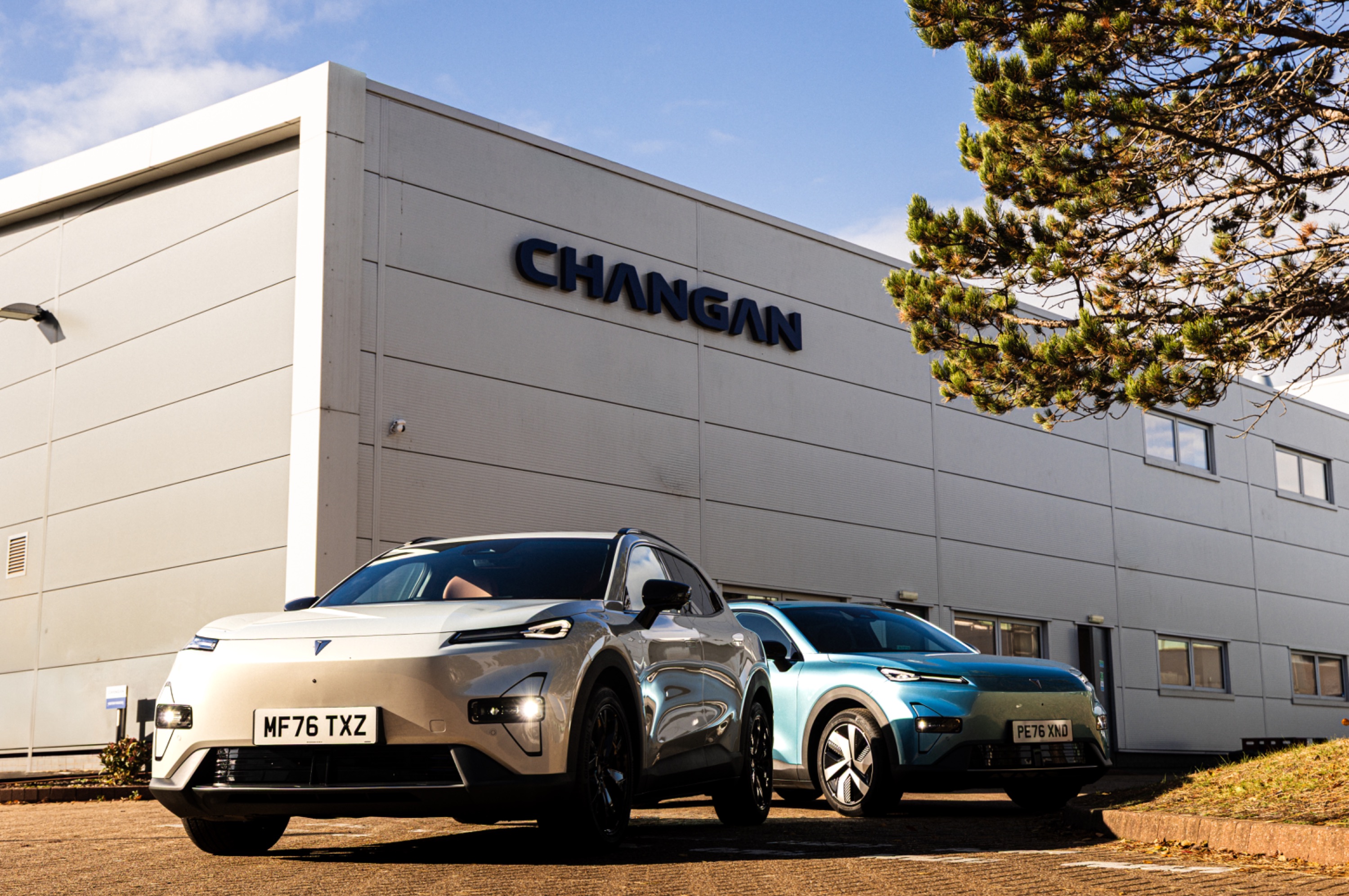
You’ll pay £900 for a decent exterior colour that isn’t grey (though the acquired taste orange interior is a no-cost option), £700 for a tow bar and £1,000 if you want a pano roof with blind, but that’s only on the Max. Otherwise it’s all thrown in.
You get a seven-year/100,000-mile warranty as standard, with eight years and 124,000 miles on the battery. There’s also three years of European assistance from the RAC.
Verdict
I'm not sure how anyone would even stumble their way into the driving seat of a Changan at the moment, it's all been very low key from the Chinese carmaker – anyone who does get there will find a decently built car with lots to like, but not too much in the way of novelty.
Unless you're really pressed for budget, the entry version doesn't really make any sense – better to stump up the extra bit of cash and get things like the heated seats and head-up display.
It's well priced, though, easy enough to get on with and actually quite efficient – with the 11kW AC as standard and even a 55kW CCS option suddenly you've got a PHEV that it makes sense to occasionally charge up on public plugs. I don't think anyone who buys one of these will be at all unhappy with it, it's just the challenge of getting them there in the first place.
 9