






 Battery size: 118.5 kWh
 Range: 372 miles
 Max charge rate: 350kW






Introduction and model history
The Range Rover. Since 1970 it has had an aura about it. Beloved of everyone from royalty to rappers, it is a sign of status. Why? Because it makes owners feel good. They are comfortable, not just because the seats are squishy, but because they are pretty sure they will get home, even in the foulest weather.
But there have been storm clouds brewing. Those princesses and pop stars realise that driving around in the archetypal gas guzzler is not a good look. And the answer is finally here - the all electric Range Rover.
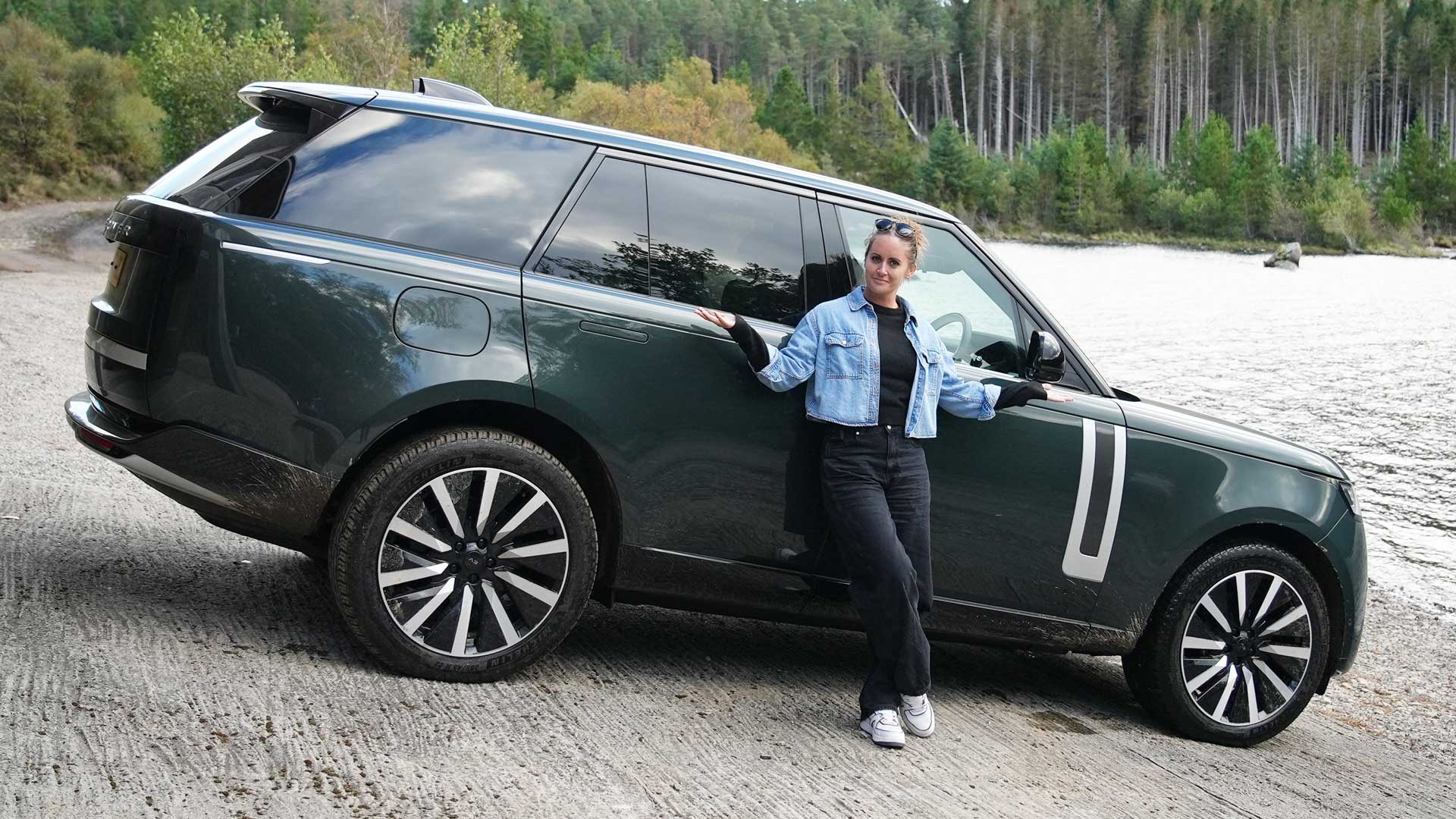
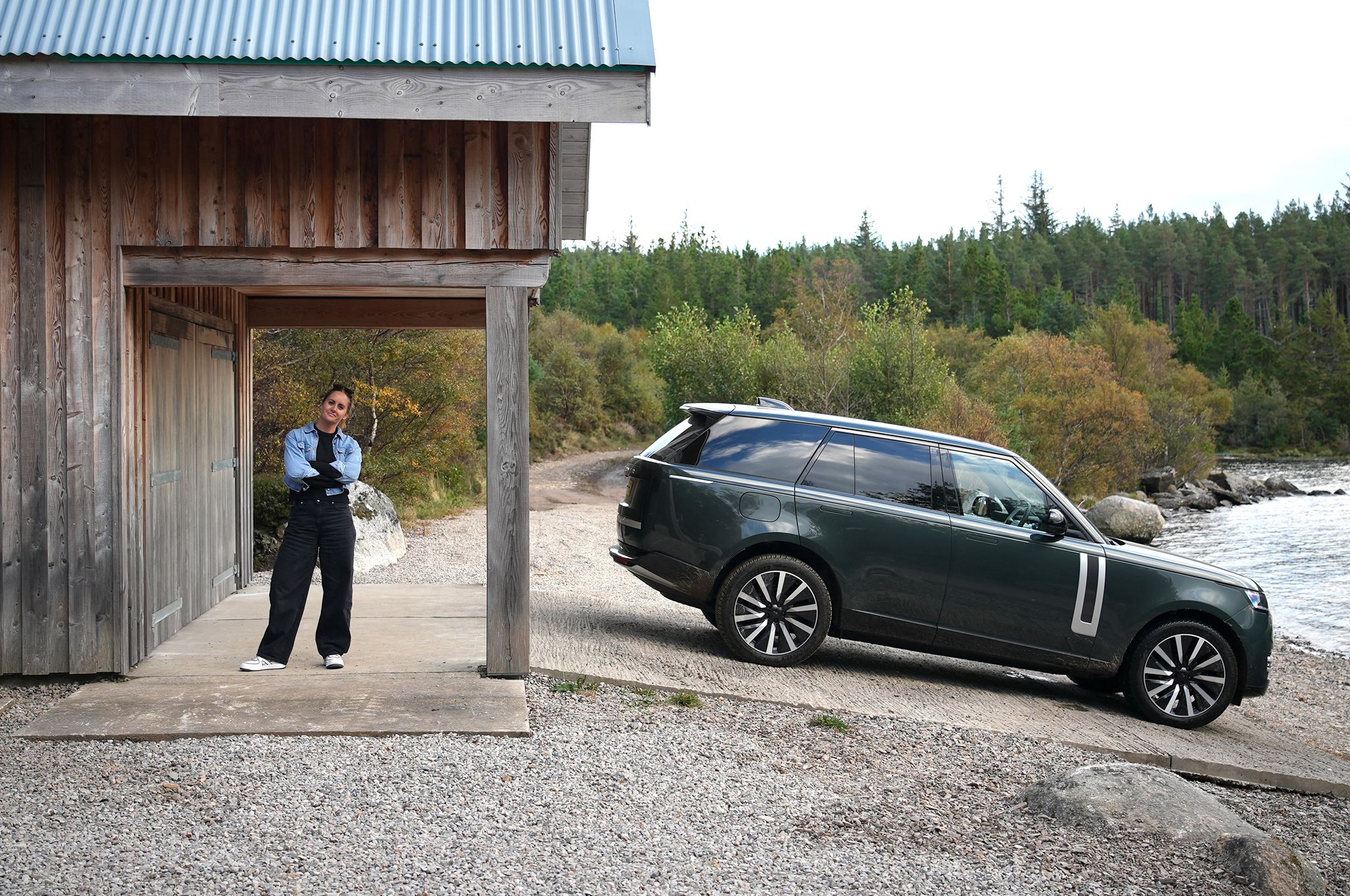
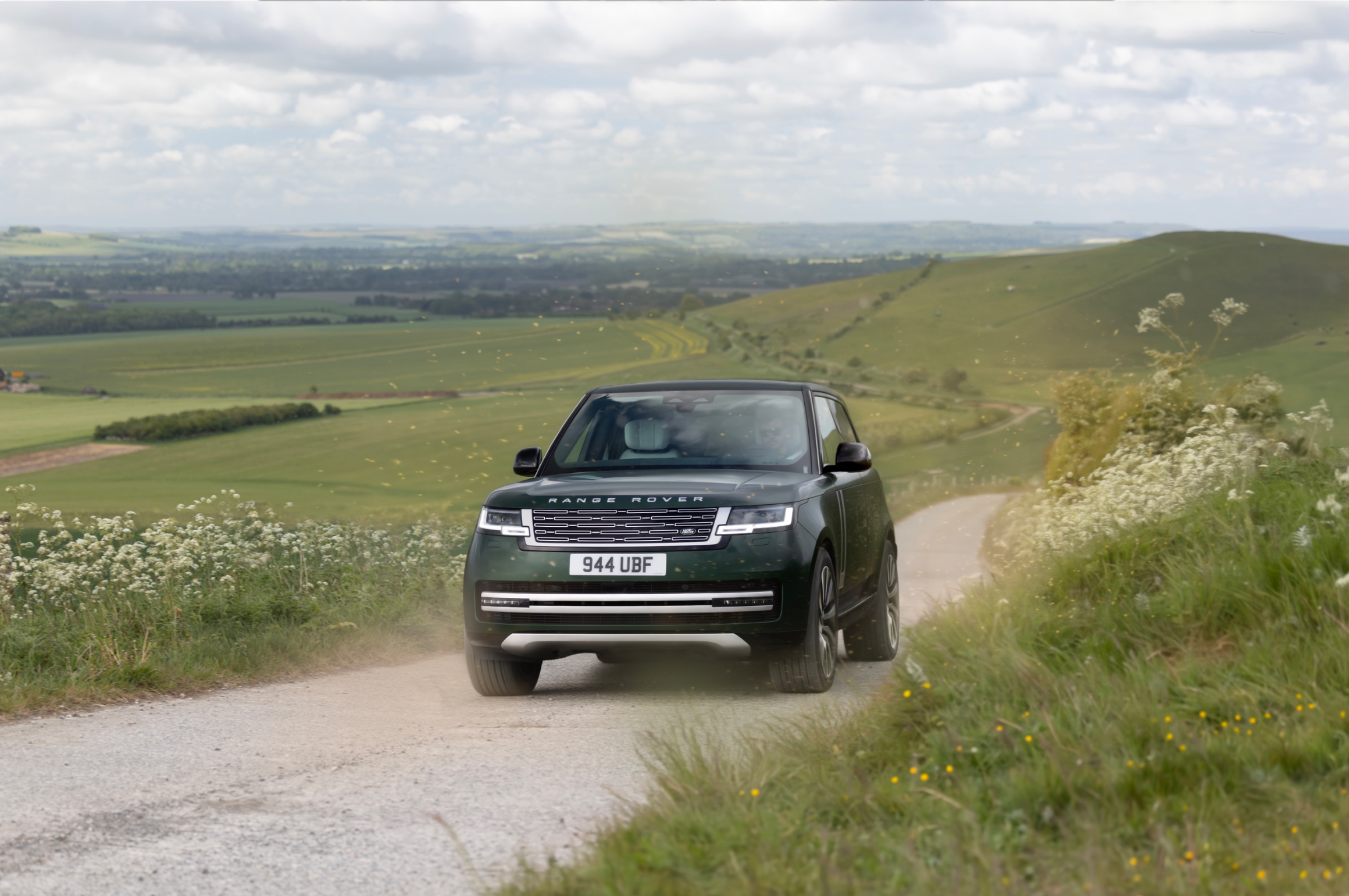
Normally when we see a new model as exciting as this, there's big fanfare, dramatic lighting, and a silky cover that gets whipped off to reveal it - but because visually there's almost nothing to distinguish the new EV model from the existing Range Rover, it’s almost an anticlimax.
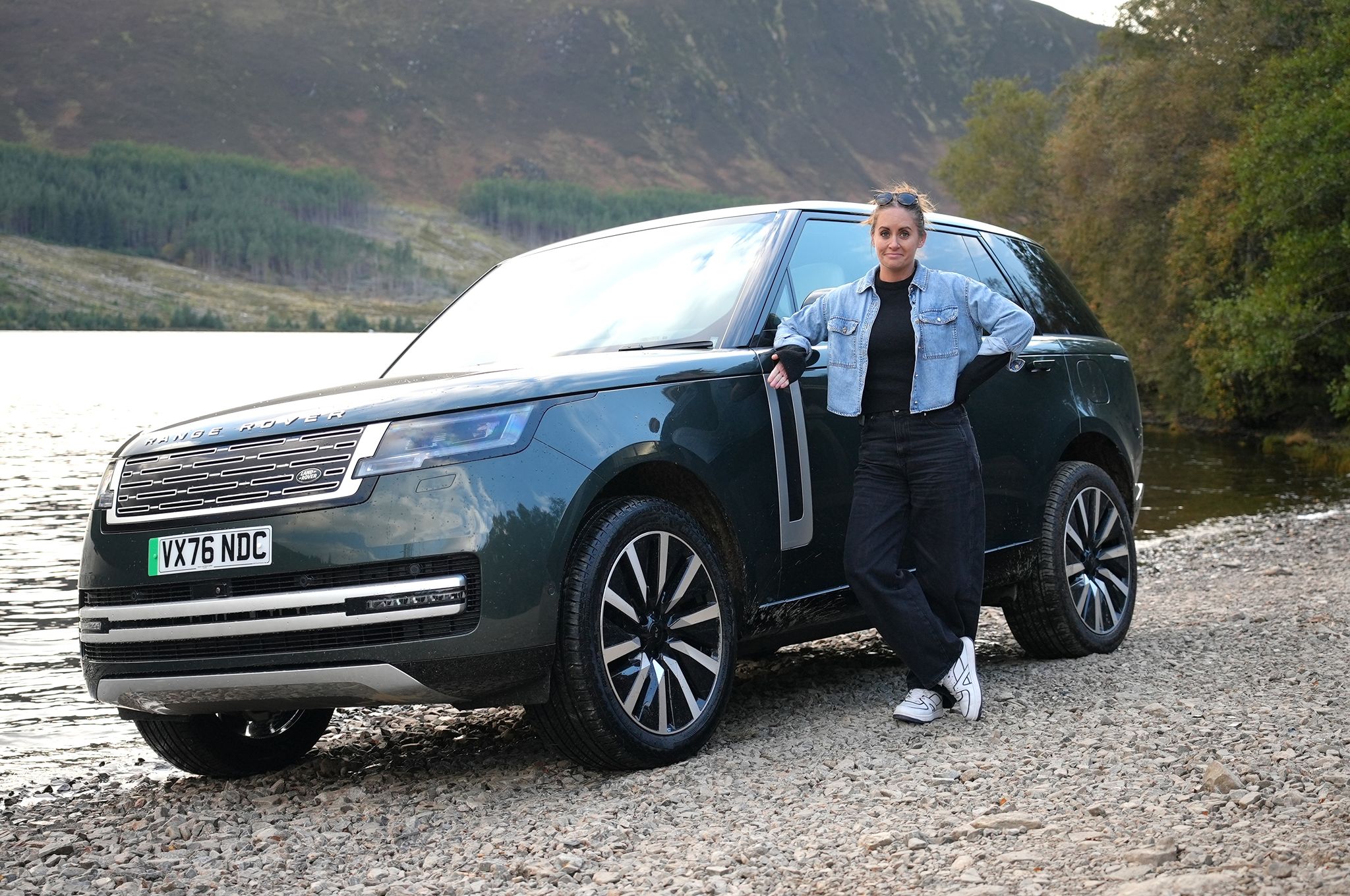
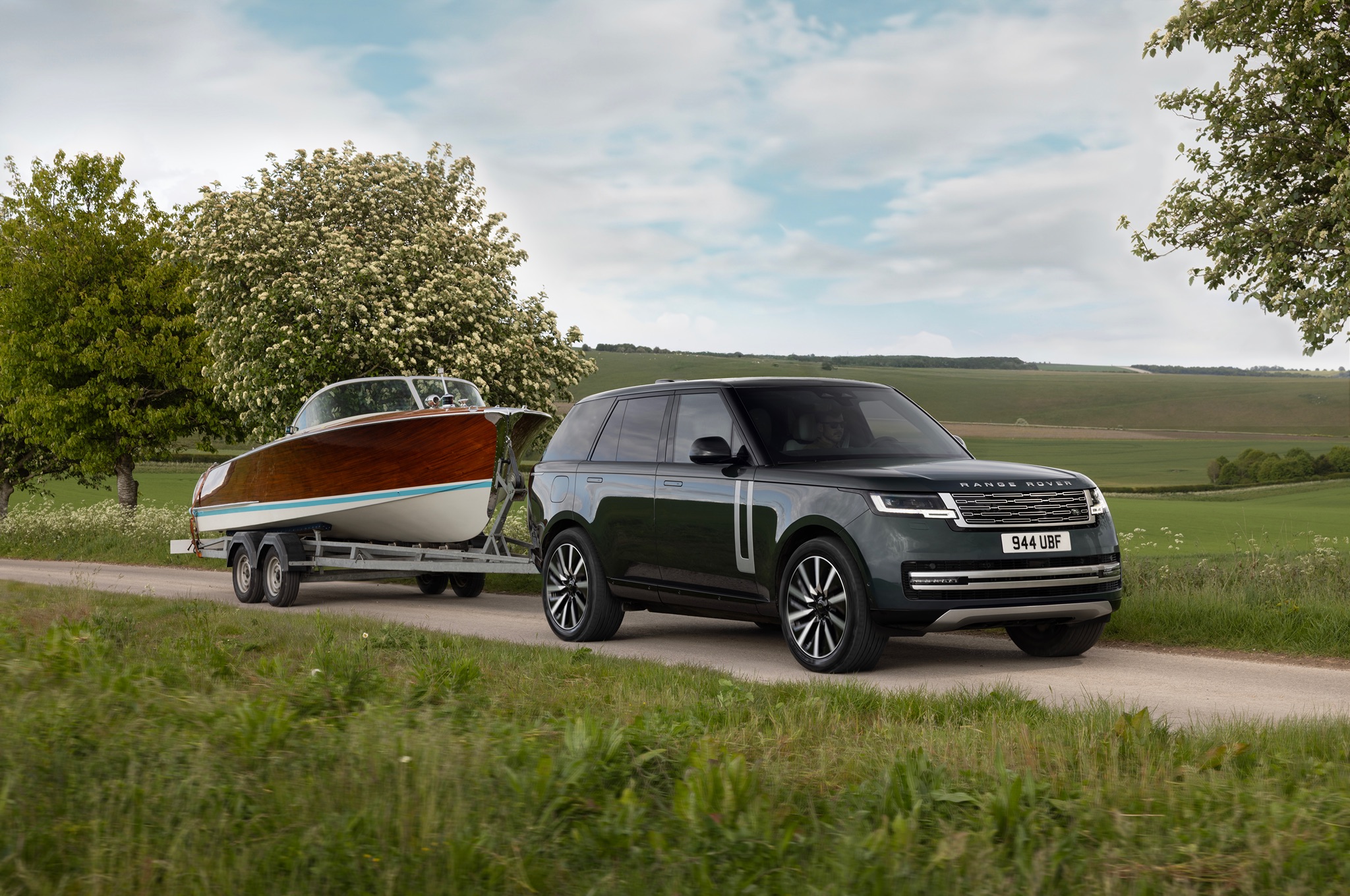
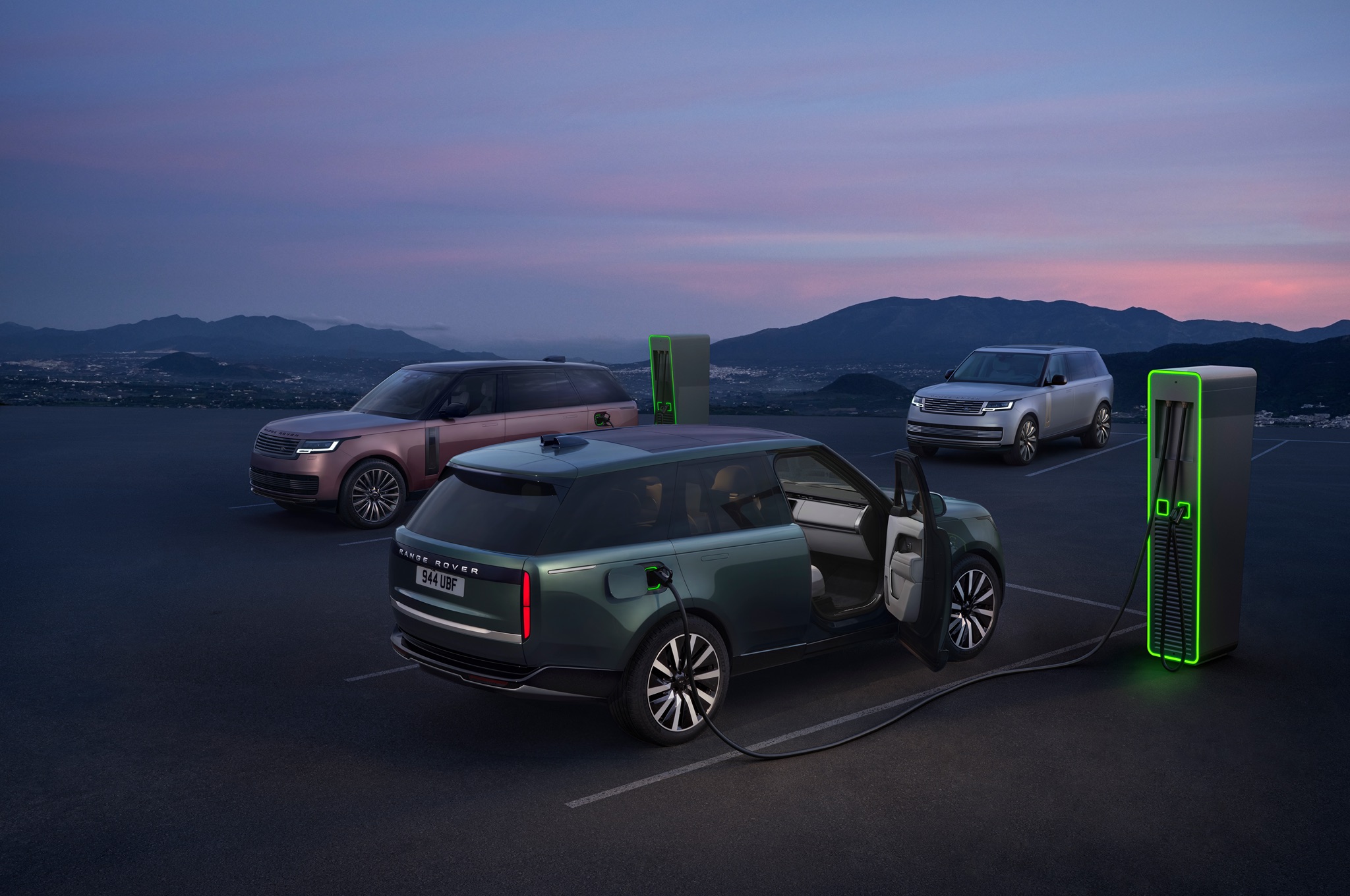
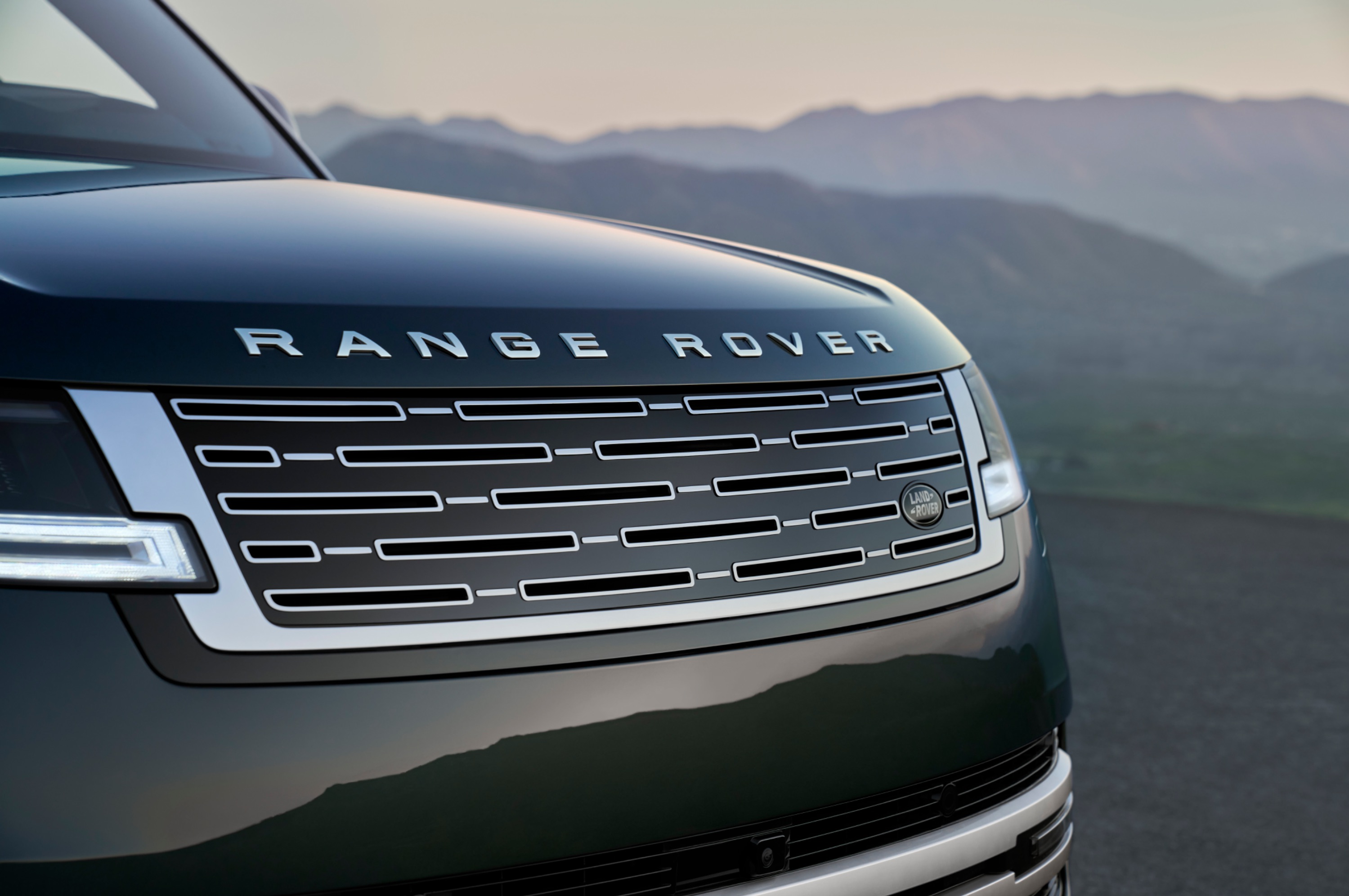
The differences between the brand's first all-electric model and the rest of the Range Rover lineup are minimal. There’s a new grille, bespoke wheels and dual charging ports positioned on either side of the rear of the car. But so subtle are the changes that the EV won't even carry much specific badging to set it apart. You'll have to look closely to spot whether it's the electric, petrol or plug-in hybrid Range Rover!
When asked if going down this route will turn off potential buyers who may want to make more of a song and dance about the fact they've gone electric, Range Rover's team told me they've done the research, and its customers know what they like.
And what they like is the Range Rover exactly as it is. Of course, what all this means is that everything that's really exciting about the Range Rover electric is the stuff you can't see! But don't worry, I'm here to tell you all about it.
Range, battery and charging
This is the most patented Range Rover in its 56 year history with many elements - like the electric motors - being developed in-house. It uses a new, heavily updated version of the MLA platform that underpins the existing Range Rover, and which will be used across all Jaguar Land Rovers electric vehicles including the production version of the wild, electric Jaguar Type 01.

It’s powered by two motors, one on each axle, with power coming from a 118.5kWh lithium-ion NMC battery (usable capacity) in a battery pack that’s double stacked thanks to the fact that, well… it's a very tall car. That's good for a WLTP range of 372 miles (599km), which I guess is... okay. Ish.
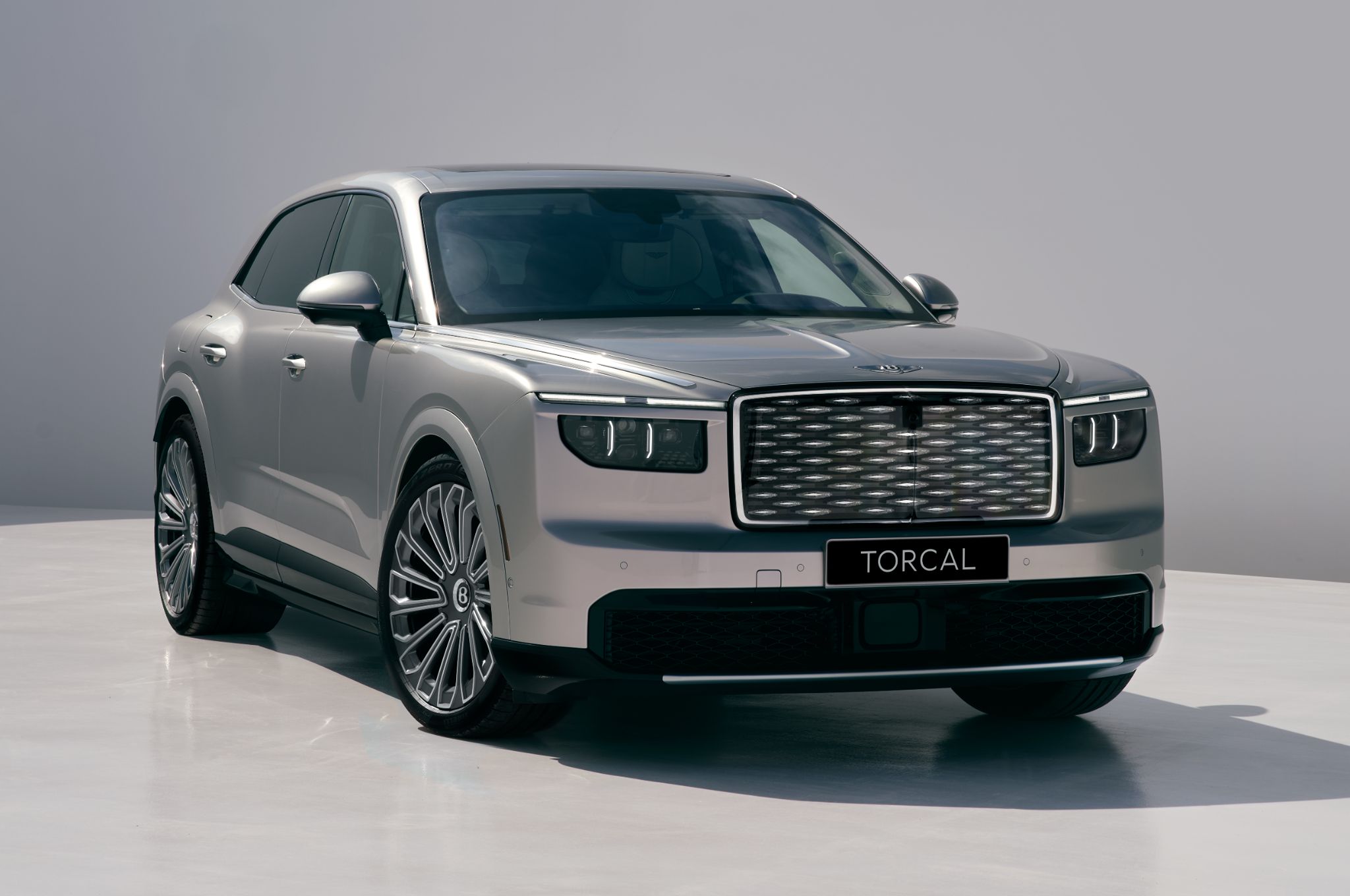
Competitors like the Volvo EX90 and Mercedes EQS SUV are all managing 370-400 miles or more. The new Bentley Torcal, embarrassingly, gets 375 miles, just beating the RR. The biggest headache will be the BMW iX5 though, which has a claimed 500 mile plus range. I'd not be surprised if that car's spec has been one of the reasons the poor Range Rover has been more delayed than a train when it snows. And that's before you start considering global rivals from Rivian, Denza, Xpeng and Yangwang - among others.
Perhaps more interesting is that Range Rover is very open about the amount of testing its done, and that it expects real-world range to be around 300- to 330 miles in all sorts of everyday conditions. Not only that, but the company has worked hard to make sure that the range readout in the car is very accurate - so we're told that when it says you have 300 miles left, you really do have 300 miles of range left in those real-world conditions you're driving in.
Charging is via an 800V architecture, which means that you can rapid charge at speeds of up to 350kW. If you can find a powerful enough rapid charger you can get from 10-80% in 20 minutes. It also has 22kW AC charging as standard, with charging ports on either side, so that you can make the most of any faster AC kerbside or destination chargers; a smart move given that Range Rover customers spend a lot of time in the city.
Just like a Porsche, if you're plugged into a 400-volt charger, it doesn't just slow down. Instead, it has a clever trick: it splits its big 800-volt battery into two "banks" of 400 volts each and charges each in parallel.
Home charging from a standard 7kW wallbox will take some 17- to 20 hours to fully charge this massive battery from nearly empty.
One of the main challenges faced by the engineering team was coping with the elements. A Range Rover is just as likely to be found in a city as it is out in the desert or in sub-zero conditions - and that's where things get tricky. Battery chemistry doesn't like temperature extremes. EV batteries are a bit like Goldilocks - they work best when it's not too hot, not too cold and just right. Get it wrong, and you'll see reduced range, sluggish acceleration, and slower charging. None of which are very... 'Range Rover'.

To manage all that, the team has built a sophisticated thermal management system. It automatically juggles over 300 different settings to find the best balance between cabin comfort, charging speed, and range. You do get a heat pump as standard, as you'd expect, which can also harvest energy down to -15°C - right at the lower end of a heat pump's efficiency. All of this means that the Range Rover Electric is some 40% more efficient than any previous JLR car.
Practicality and boot space
One tell-tale sign that the Range Rover wasn't developed specifically for electric drive is the missing frunk - the front is still packed with control units, electric motors and other components.
The boot capacity shrinks a little compared to the ICE versions too, with 733 litres compared to 818 litres. The good news is that this space is taken from underneath the boot floor, so most of the time you won’t notice. There is no dedicated place to put a spare wheel though, which might be an issue if you are prone to punctures on the rutted track to your estate cottage.
Rear seat space is as luxuriant as in any Range Rover, so there are no concerns there. Mind you, from launch you’ll only be able to get the standard wheelbase version, which is a mere 5.05-metres long. The long wheelbase Range Rover Electric will arrive a bit later, bringing all 5.25m for VIP limo levels of space and luxury.
Interior, design and technology
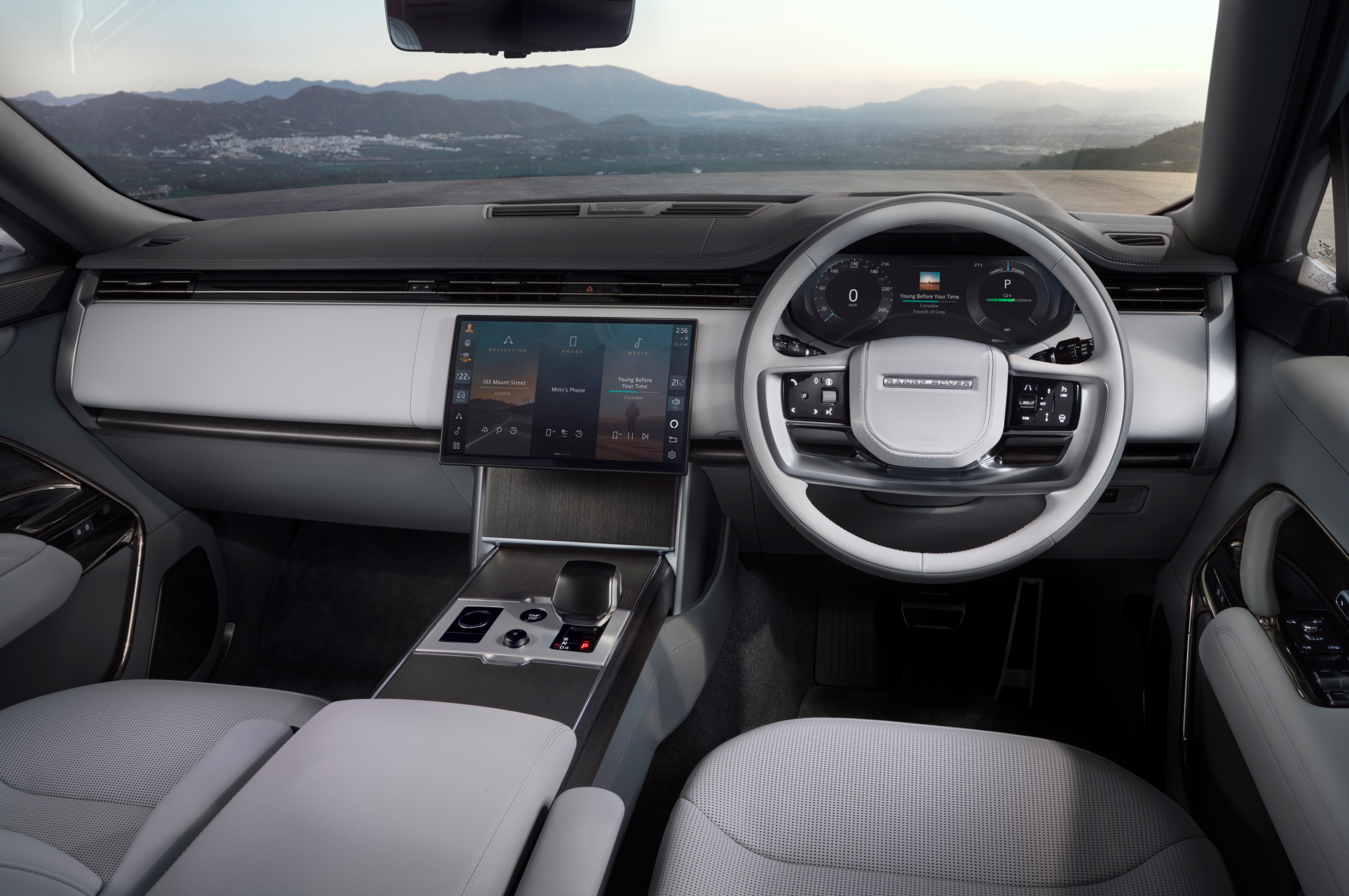
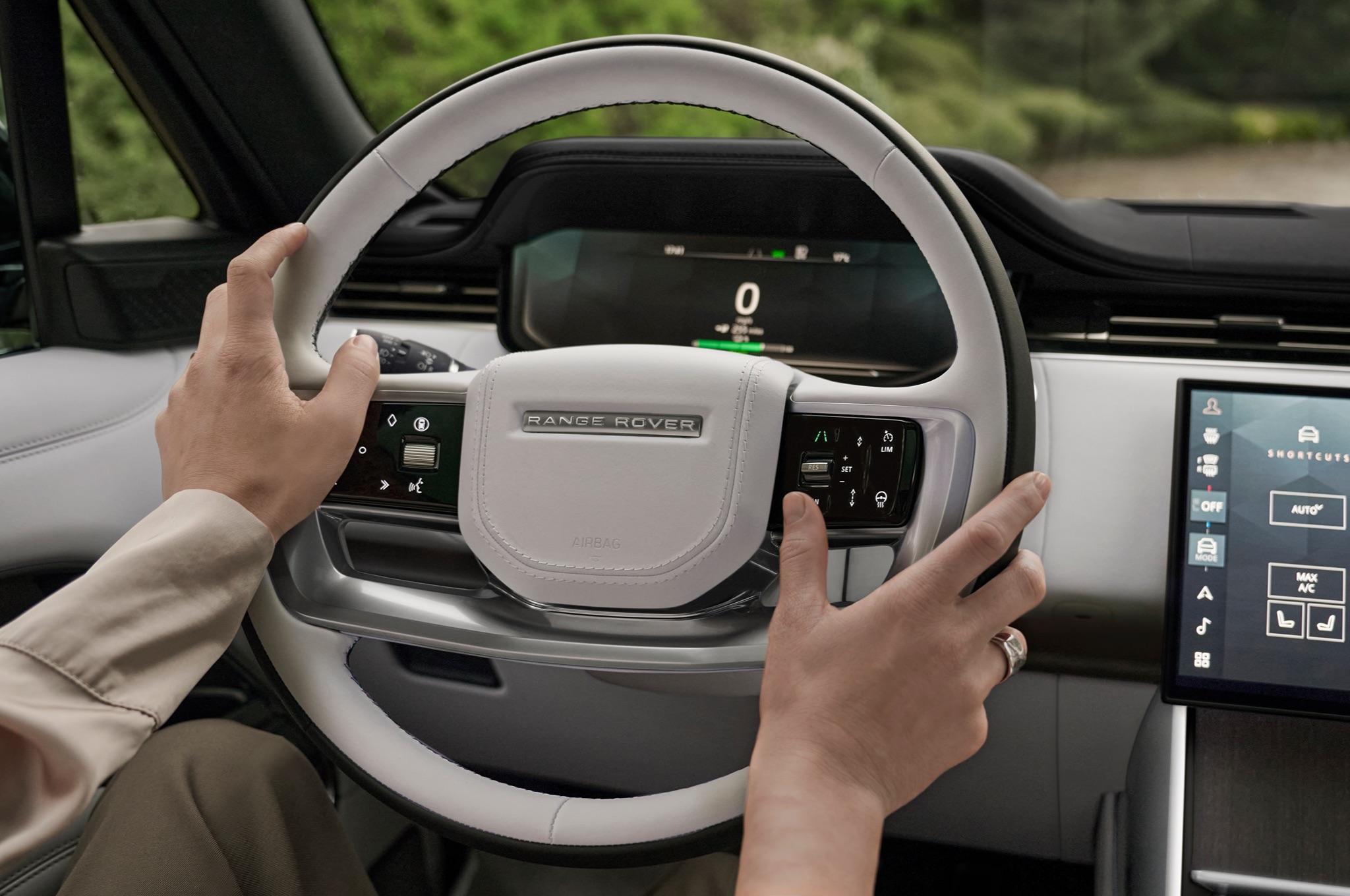
The Range Rover Electric maintains the trademark luxury of the Range Rover, with one of the most sumptuous cabins of any premium SUV. The electric variant will have much the same interior as the existing cars, so the cabin doesn't disappoint.

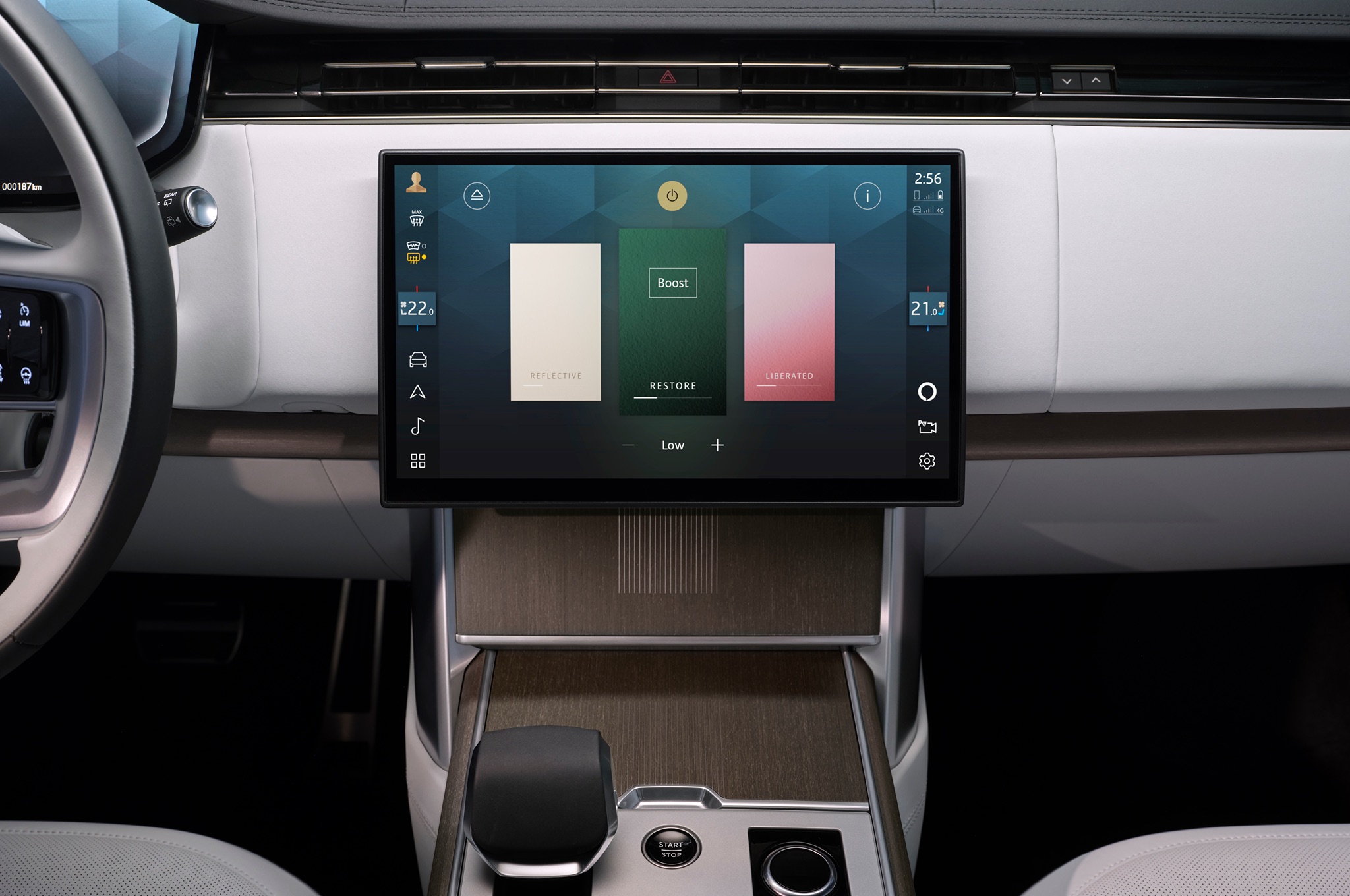
The central touchscreen gets the latest software, including nav, wireless Apple CarPlay, Android Auto and AI-powered voice control (of course). Plus you've got the all important 'command' driving position, which is what makes a Range Rover so special, if you ask me. That high set seat, the elbow on the window sill, the effortlessness of it all... There's something about the way you can slip into a Range Rover and instantly relax and feel like you're at home, in your lounge on wheels. It's the best SUV driving position of any, if you ask me. It’s not the sportiest, but you are up high and it all feels so effortless. Makes you feel superior, even.
And the materials are gorgeous, too, but for most buyers it's the fact that there's a huge array of personalisation options that will matter most. You really can make your Range Rover Electric bespoke - from the colour to the interior materials and what you want embossed on the headrest. For a price, of course!
Motors, performance and handling
Enthusiasts would argue that a ‘proper’ Range Rover needs a V8, as it produces the effortless and lazy pulling power that a big car like this needs. But I’d argue that electric power suits it even better.
Twin electric motors deliver all-wheel drive (obvs), with 550hp (542bhp) and 850Nm. All of that torque is available instantly so there is no need to wait for turbos to spool up. It’s perfect on the road and off it.
Stick to the Tarmac and the Range Rover has the effortless feel that you’d expect, with the added refinement which comes from having no engine noise. This isn’t a car which appreciates being hustled – it is more about cruising – but it can get a shift on if needed.
Having the batteries under the floor lowers the centre of gravity and reduces the amount of body roll in corners, while the huge tyres and air suspension soak up the worst of British road surfaces. Potholes become nothing but a distant thump.
The steering has a nice balance of weight and feedback, without making it seem too fidgety. The brakes are strong without being grabby too. There is a lack of initial bite but you soon realise that the stopping power is there, it just needs more of a push than on sportier rivals.
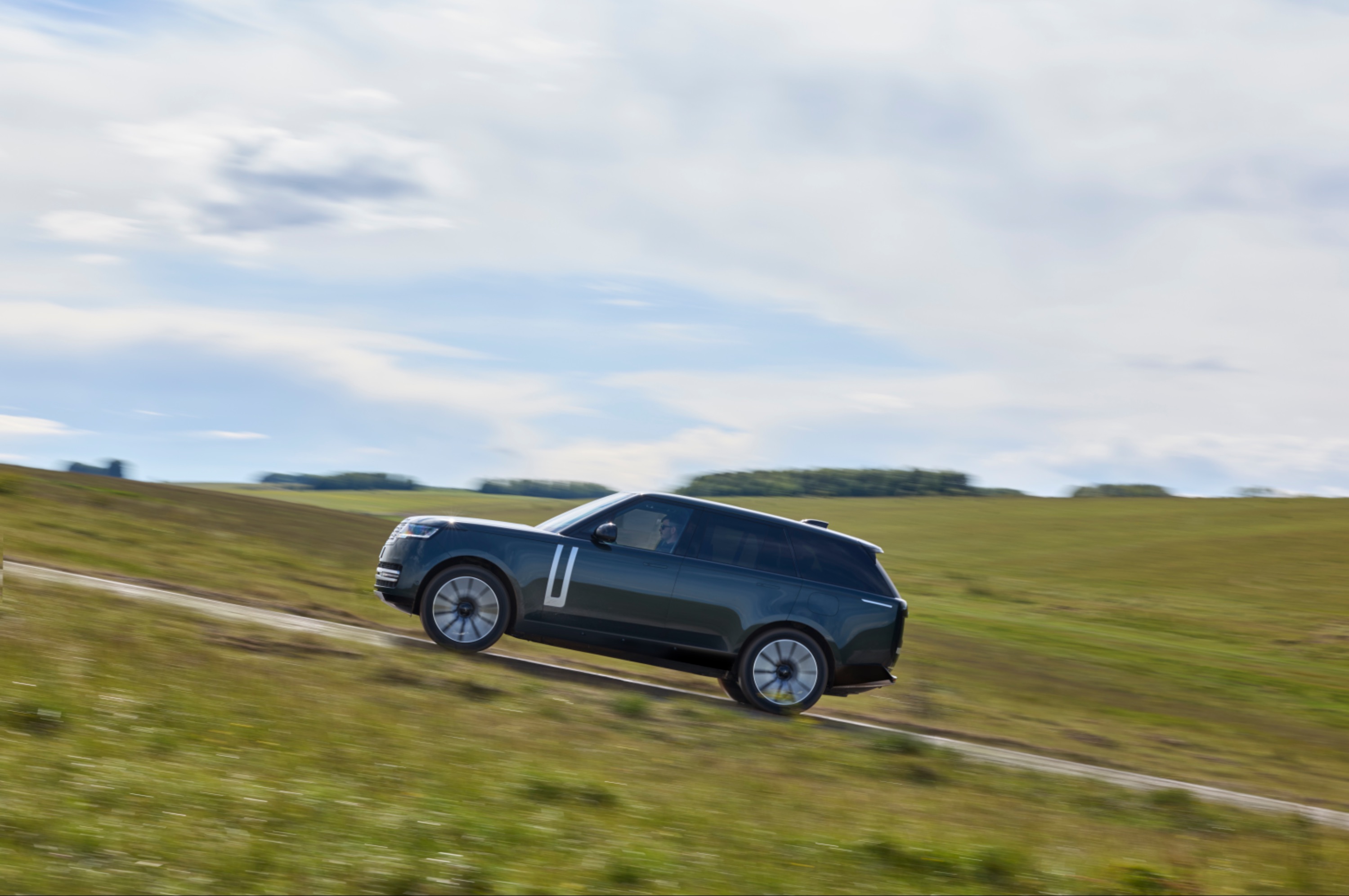
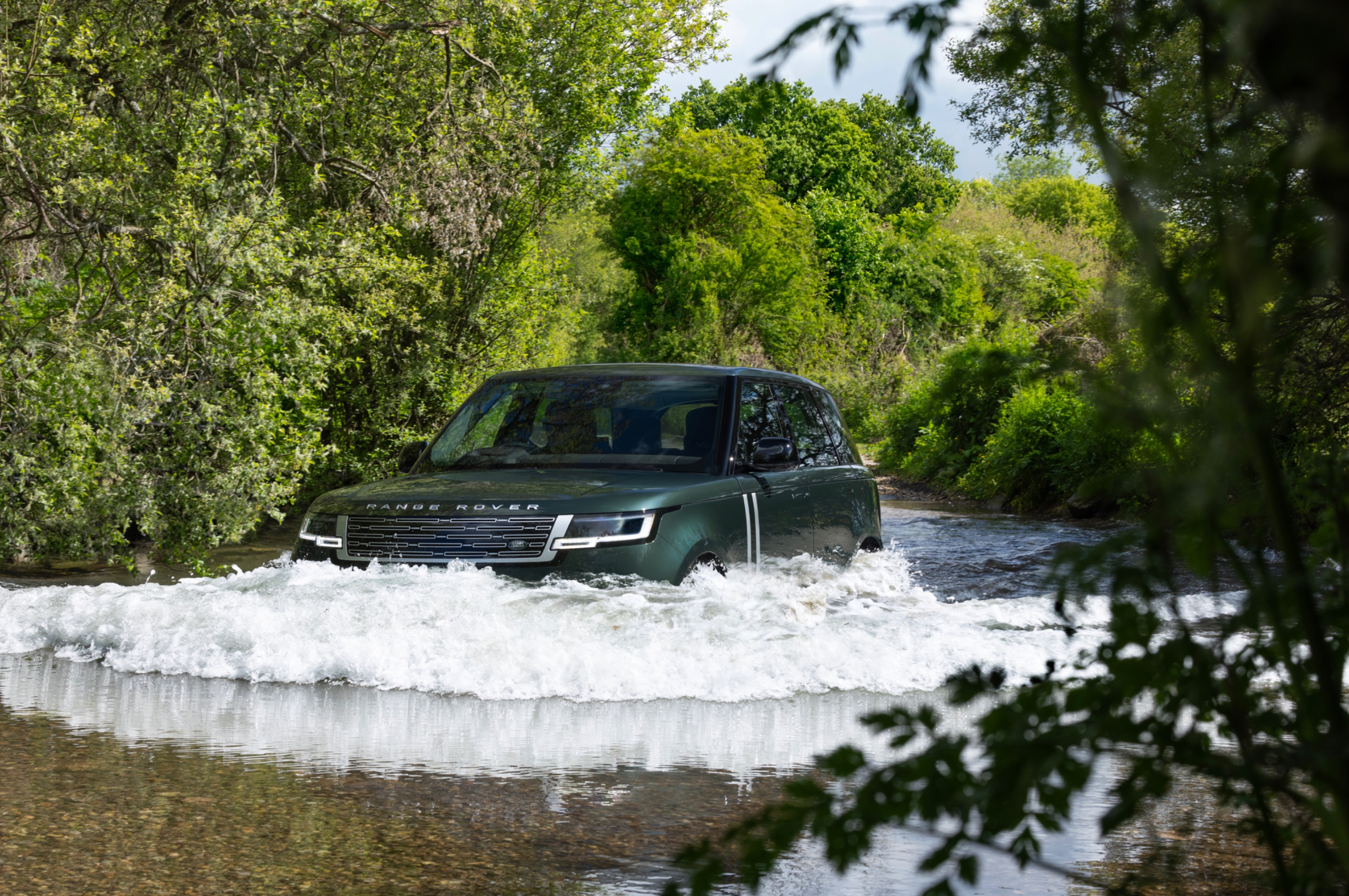
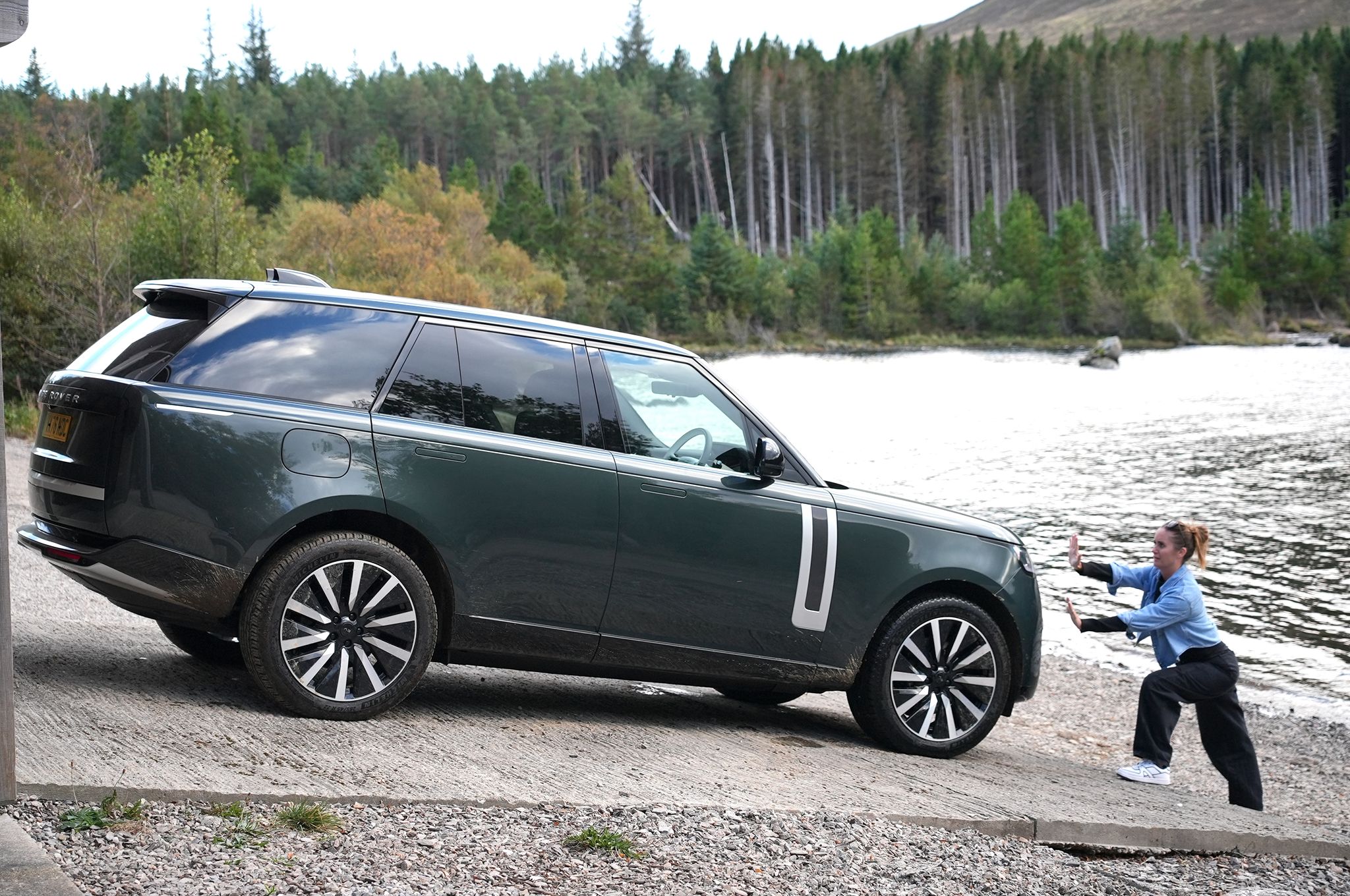
One of the big advantages of going electric in a car like this is how good it can be off road. The instant torque makes it incredibly capable when you're climbing, crawling or tackling tricky terrain. You also get super-precise control - no gears, no lag, no risk of stalling - just smooth, predictable power exactly when and where you need it.
And with dual motors and software doing the job of locking differentials, and managing grip, it can react faster than traditional systems.JLR says it's 100 times faster for slip management than the ICE equivalent. Range Rover's engineers talk about 'effortless progress' and that's exactly what it delivers, it's controlled, calm and more sophisticated than any combustion engined Range Rover I’ve driven.
Because the battery and motors are simpler to package than an engine, there's also zero impact on off-road capability. The fording depth, approach angles and ground clearance either match or beat the regular car.
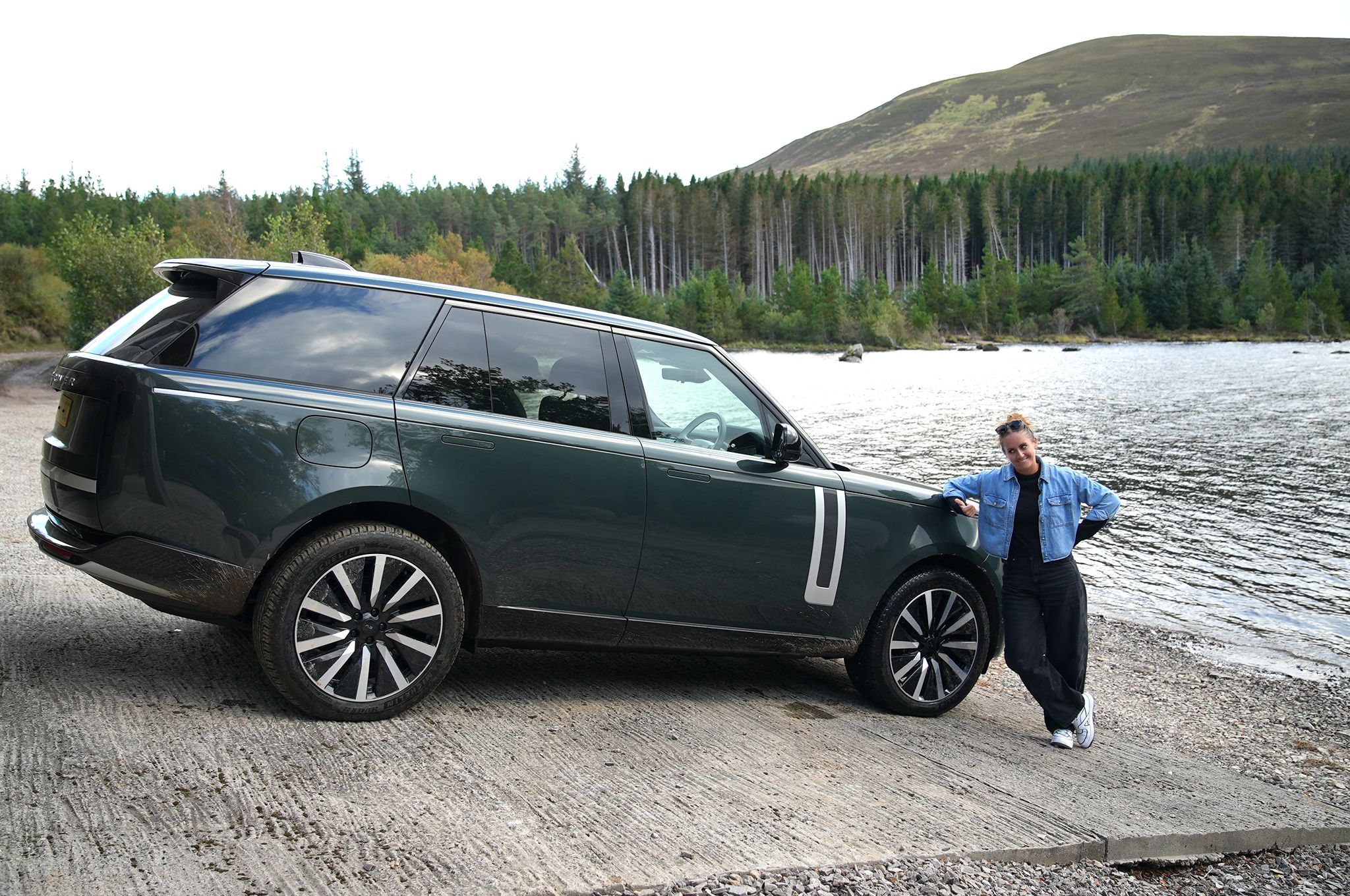
What impressed me most about my off-road drive is how the engineers have taken single pedal driving to another level. In addition to slowing the vehicle and delivering charge into the battery from regenerative braking, it is also tuned to work with Terrain Response and will bring the vehicle to a complete stop or even engage Hill Hold, enabling the driver to move off again without having touched the brakes at any point. The experience of heading over the brow of a steep hill to feel the single pedal driving kick in is quite extraordinary, and it controlled this almost three-tonne beast's descent with calm precision.
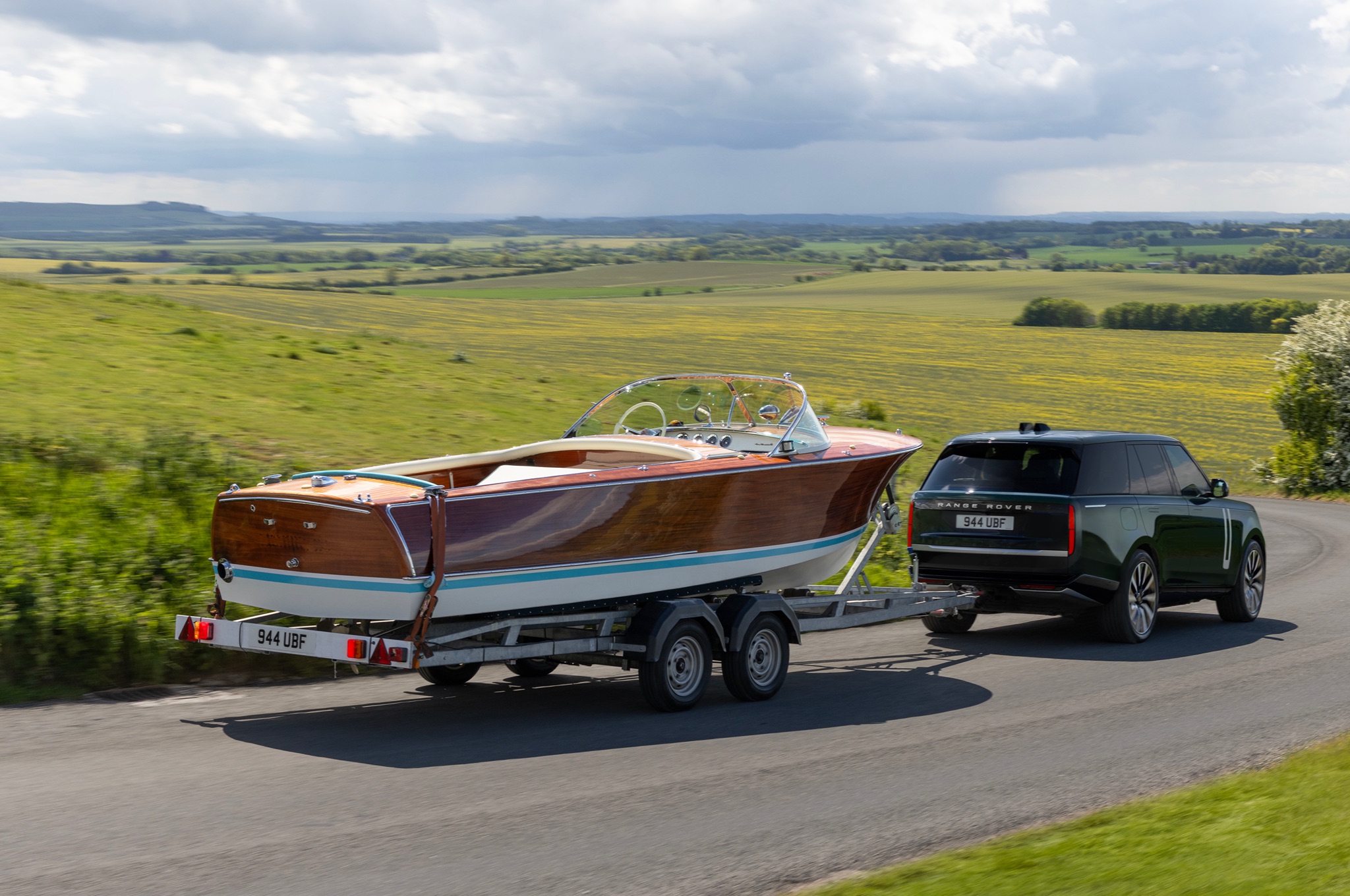
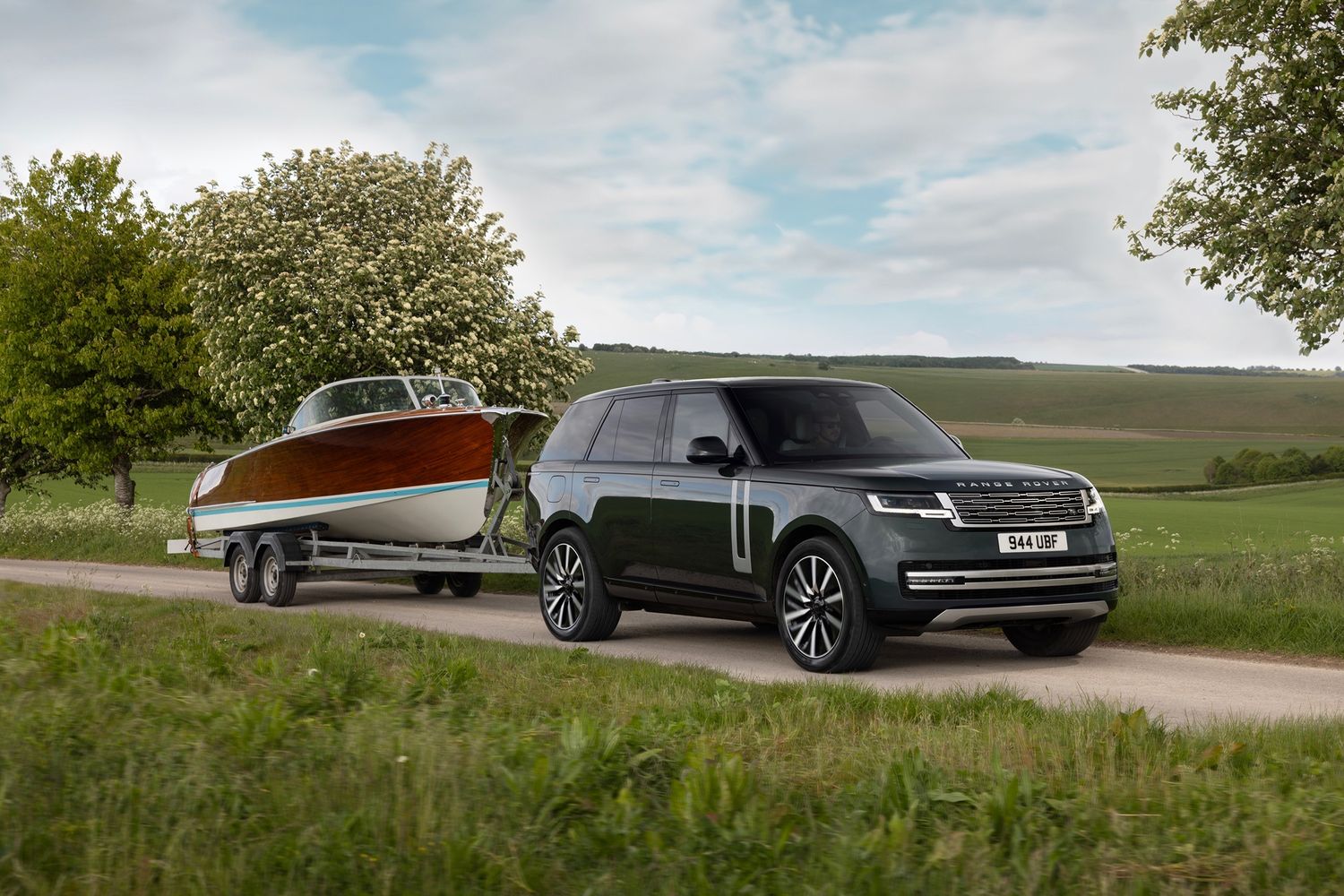
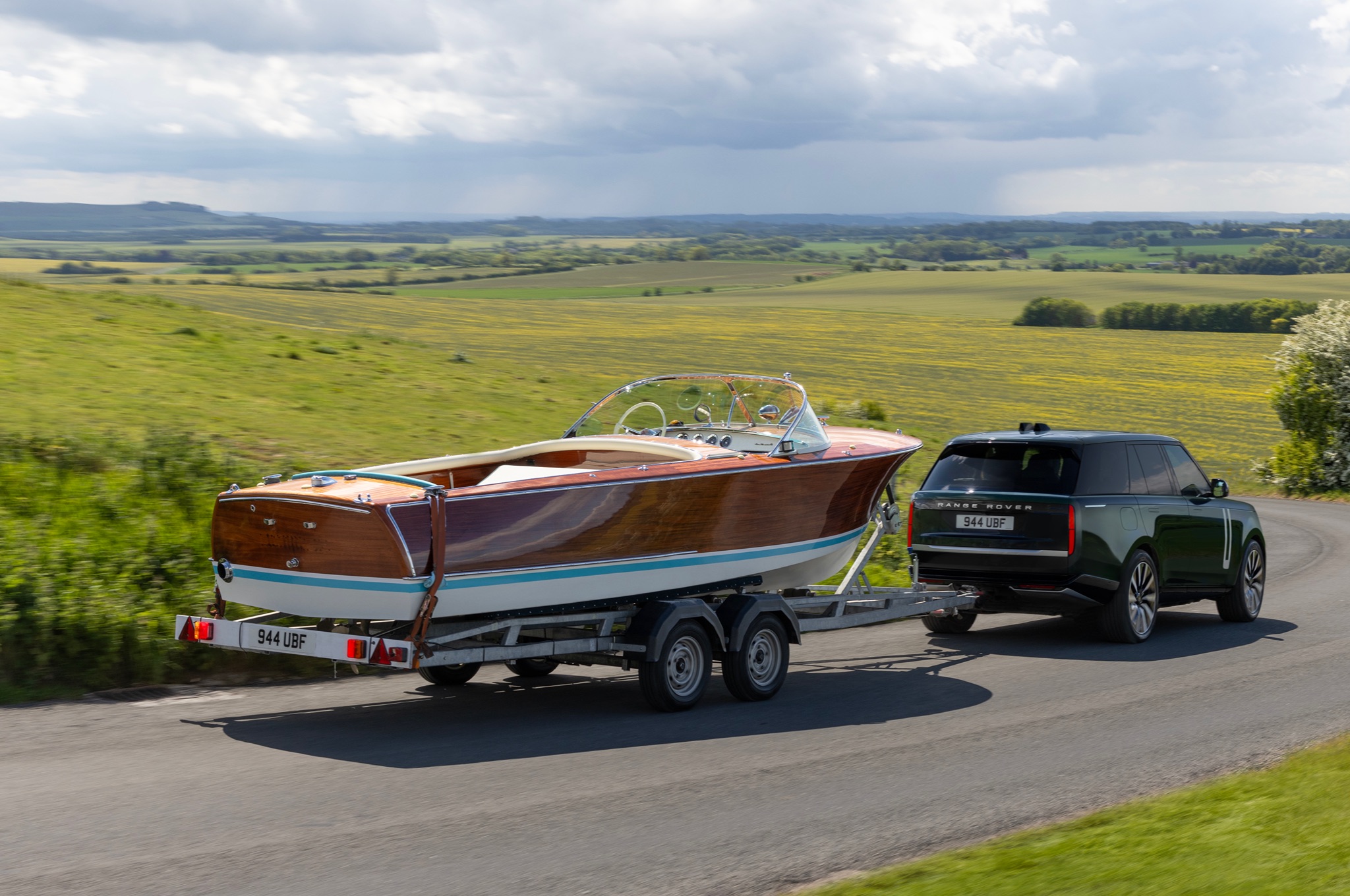
Oh, and I should mention towing! The Range Rover is a big favourite with people who pull big loads, so the 2,500kg max braked trailer capacity might be a point of contention. Although it will satisfy most needs it is a tonne less than the ICE versions and the Porsche Cayenne EV's towing capacity too. So you might have to tell your little princess to get a smaller pony or downgrade your boat. Check out the best electric tow cars, right here.
Rivals? Yes, it has a few. The Volvo EX90, Mercedes G580 EQ, BMW iX5, Porsche Cayenne and the Bentley Torcal. Not forgetting the Rivian R1, and forthcoming rivals from Denza and Yangwang, too. And how about the Kia EV9 and Hyundai Ioniq 9?! It's saying something for the Kia and Hyundai, that we're uttering those names in relation to a car that costs upwards of £150,000.
In reality, though, the Range Rover Electric probably doesn't have a true rival yet. Range Rover has always been in a class of its own, and from this very brief experience behind the wheel I suspect that the Range Rover Electric will be, too.
Prices, specs and on sale date
Orders are open for the Range Rover Electric, and there are eight different derivatives to choose from, starting with the Range Rover EV550 Autobiography SWB version that starts at £154,070. That will come with pretty much all the luxuries you want, but most will opt for the First Edition version that costs around another £3,000, or for the SV version that costs from £176k.
If you’re feeling especially punky then the long-wheelbase EV550 SV Black LWB version of the electric Rangie costs £225,240! Ouch. There’s an SV Ultra LWB version above even that, but the price is ‘POA’. I know that all seems a bit much, but the truth is that the Range Rover transitioned into a true prestige product quite a while ago. It's up against Bentley and Rolls-Royce, just the same as it's up against Rivian, Kia and Hyundai. And you can't say that about many brands, can you? So yes, it's expensive. But I reckon it'll sell well around the world despite that.
Verdict
Confident, refined, quiet, and yet incredibly powerful; electric power is a perfect fit for a car like the Range Rover, where luxury is even more important than pure performance.
Yes, a Cayenne is better to drive, but it’s different. The Range Rover is more majestic and ultimately makes you feel better about yourself. There are lots of ways of spending more that £150k on an EV – but this is a car which does it all. And let's face it, if you want a Range Rover there's just nothing else like it. That's why Range Rover knows it can charge this sort of money and people will very happily pay it.
Its biggest issue is the new Bentley Torcal. That has similar capabilities and even more luxury – but is not more expensive. And while the Range Rover is subtle in its looks, the Torcal is in-your-face showy. Which you choose is going to be a question of taste. Which are you? Rapper or royal?!


 8

.jpg?width=300&height=185)

