





 Battery size: 18.4kWh
 Company car tax: 10%
 Emissions: 23g/km
 Range: 56 miles
 Fuel economy: 403mpg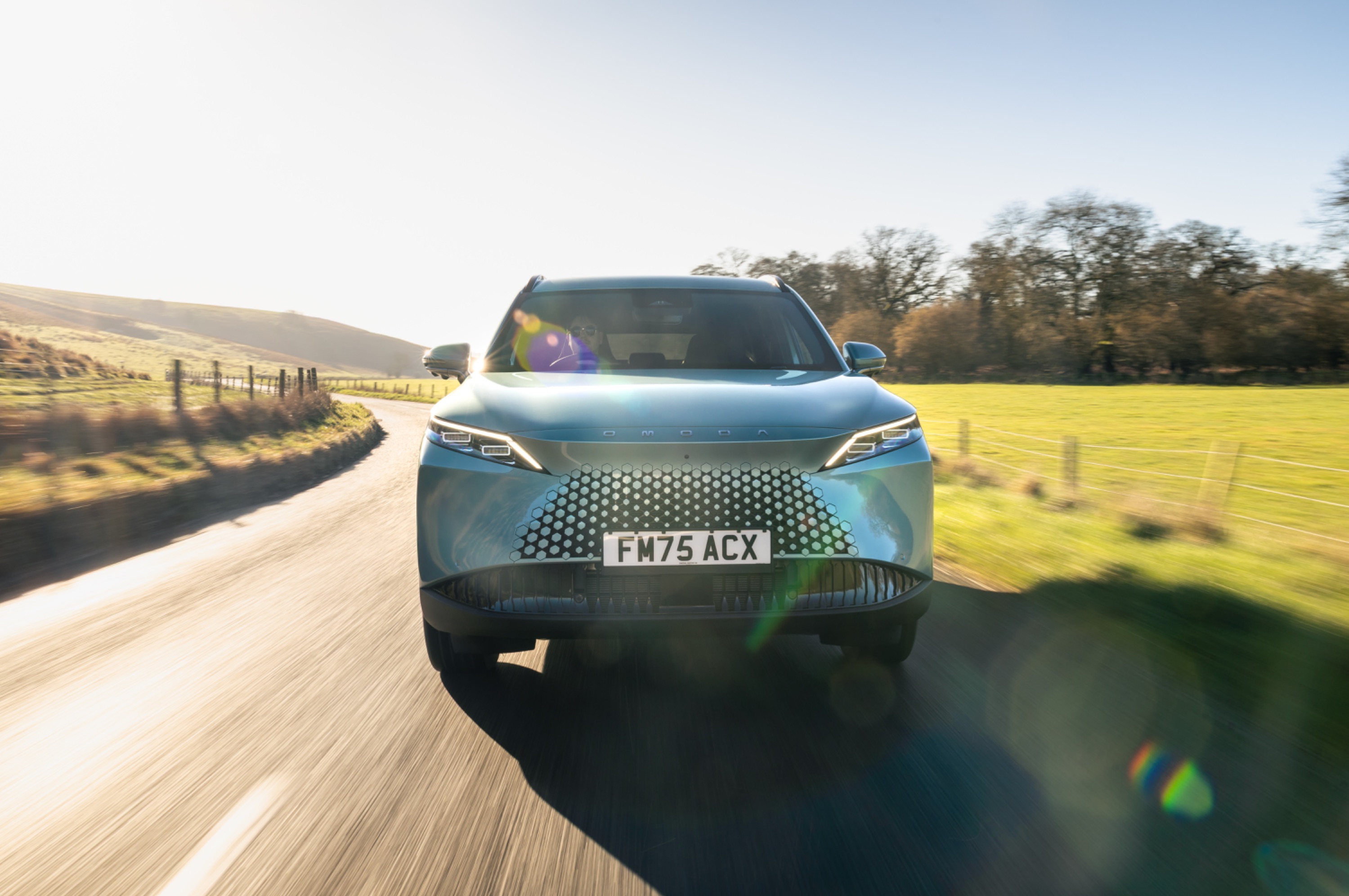



Introduction and model history – Omoda 7 SHS
Omoda and its sibling company Jaecoo are quietly making inroads into the UK market despite being new to the area. Quietly? Actually I didn’t mean that, they’re making a lot of noise as they go.
And while you hear plenty of criticism from people about the cars, curiously it’s not so much from the folks actually driving them.
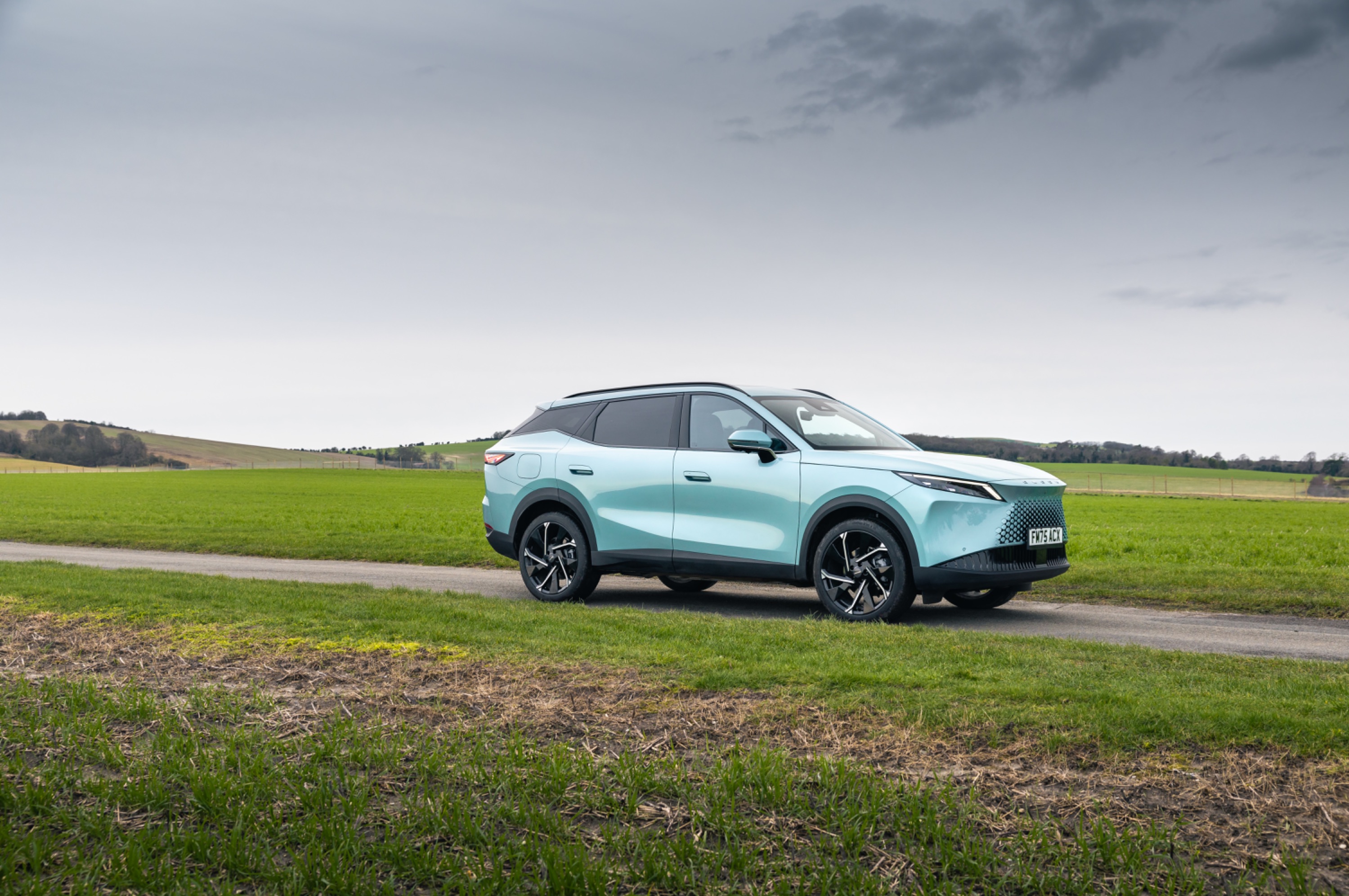
It seems buyers are perfectly happy with a blend of value, high-tech interiors and glossy looks that may or may not have been inspired by the off-roaders from Coventry.
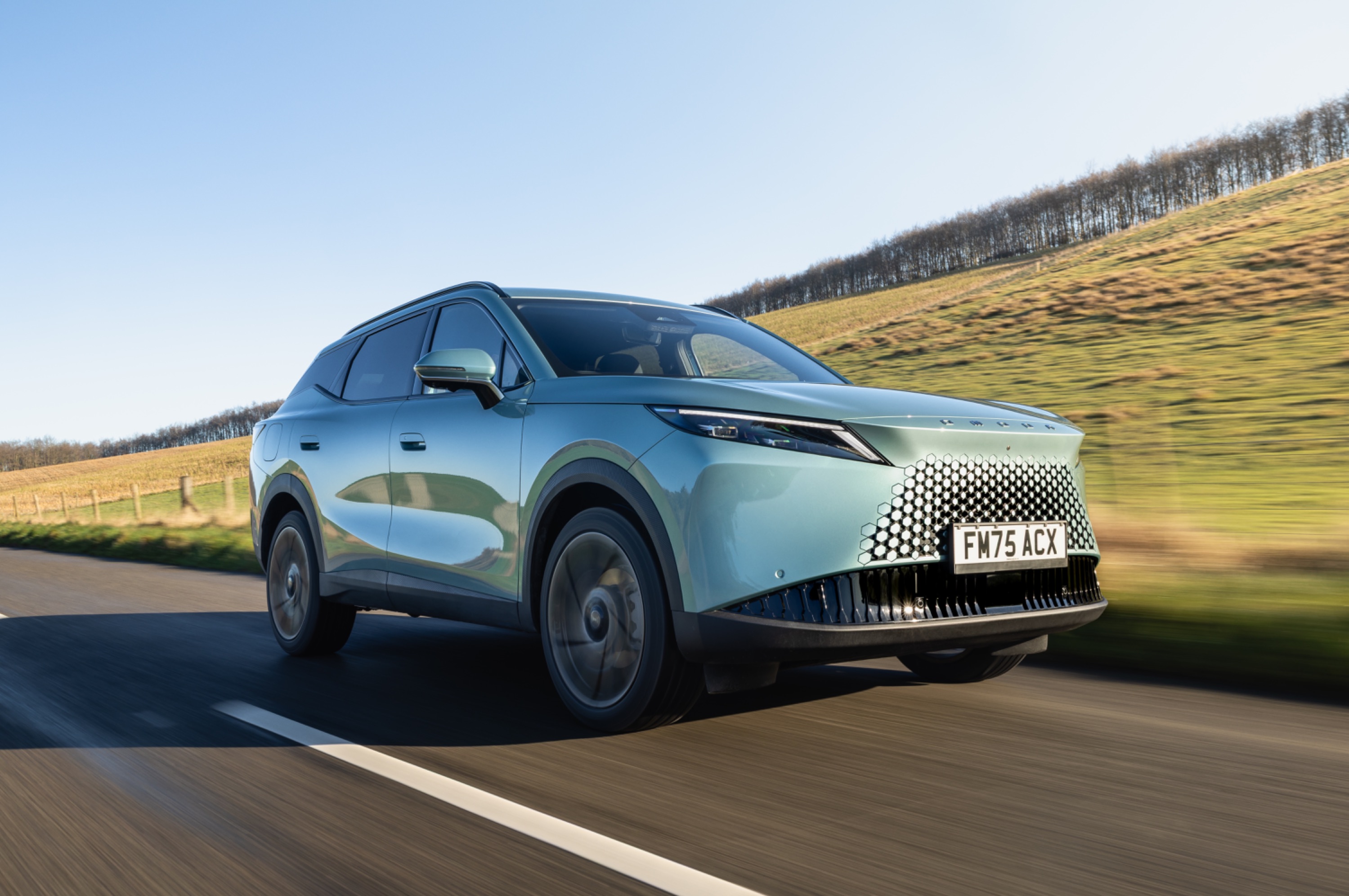
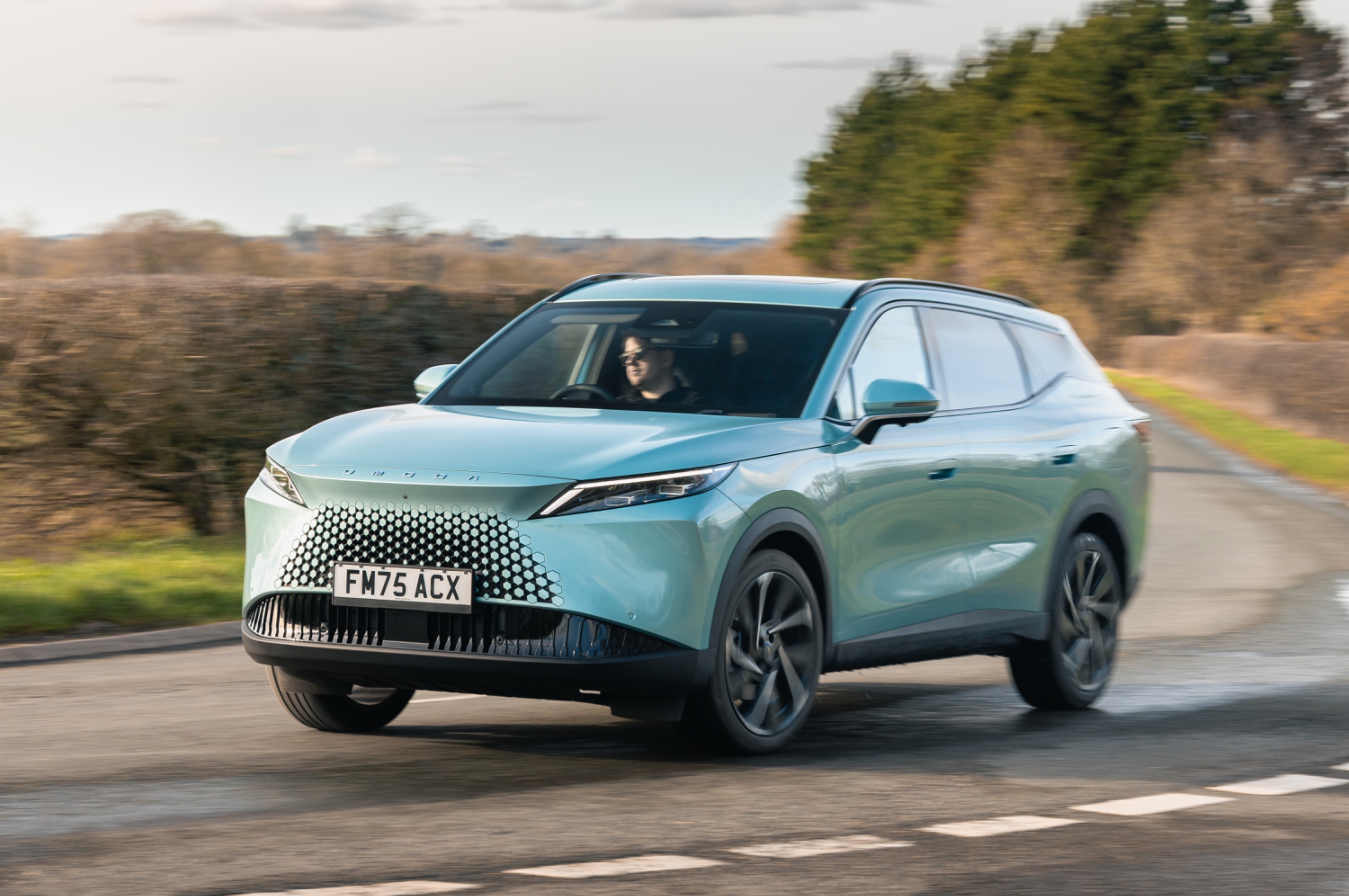
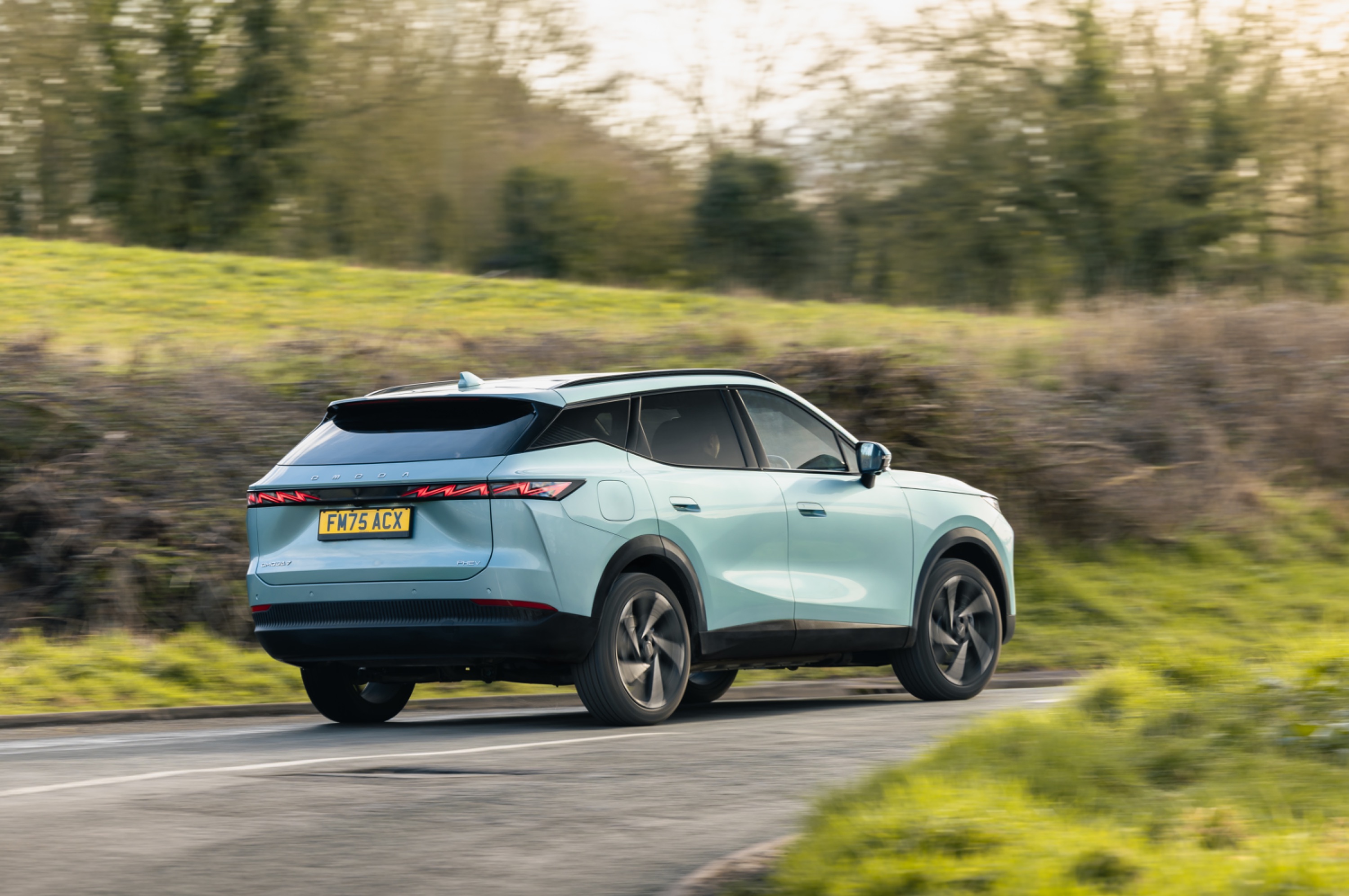
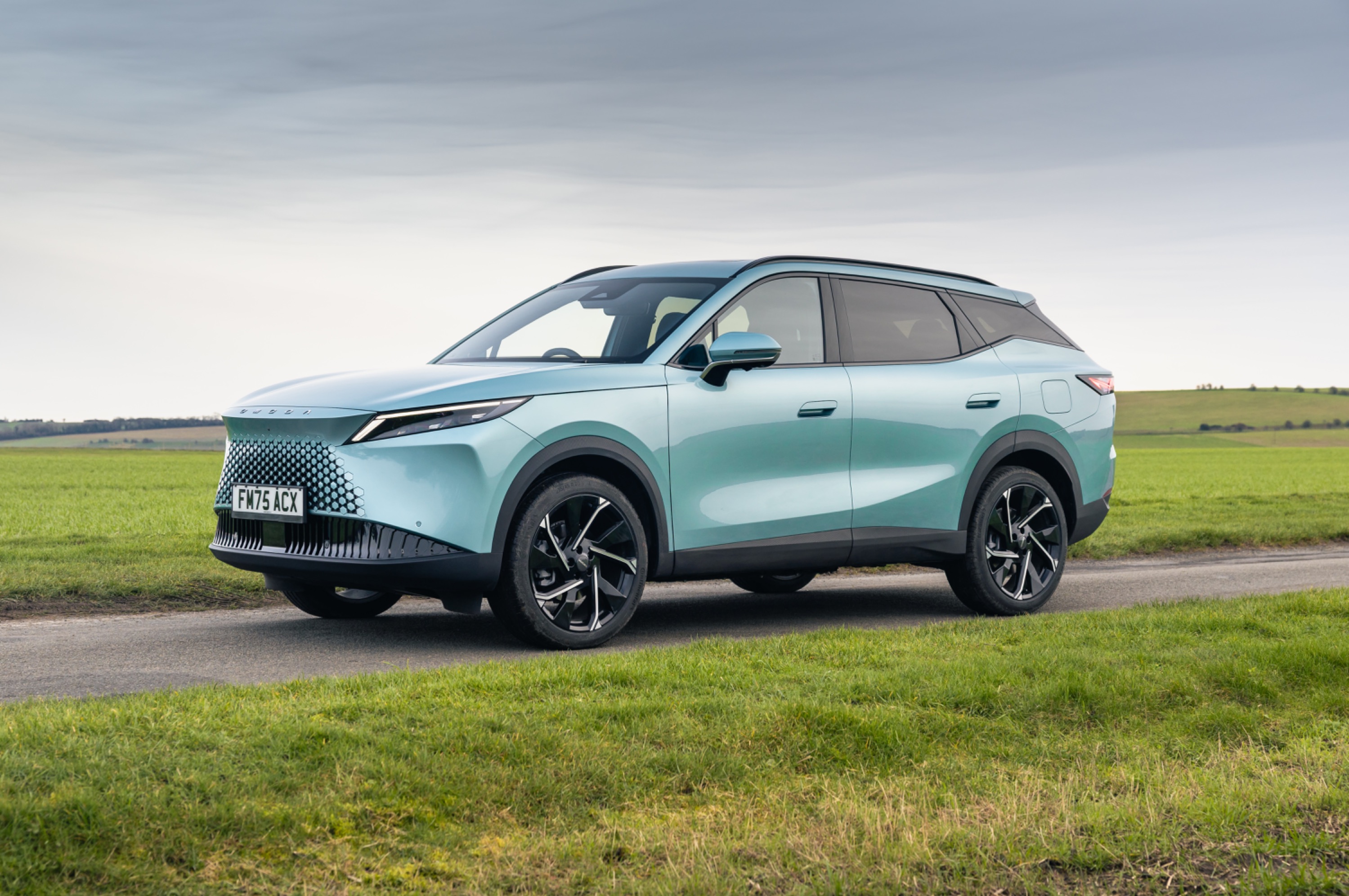
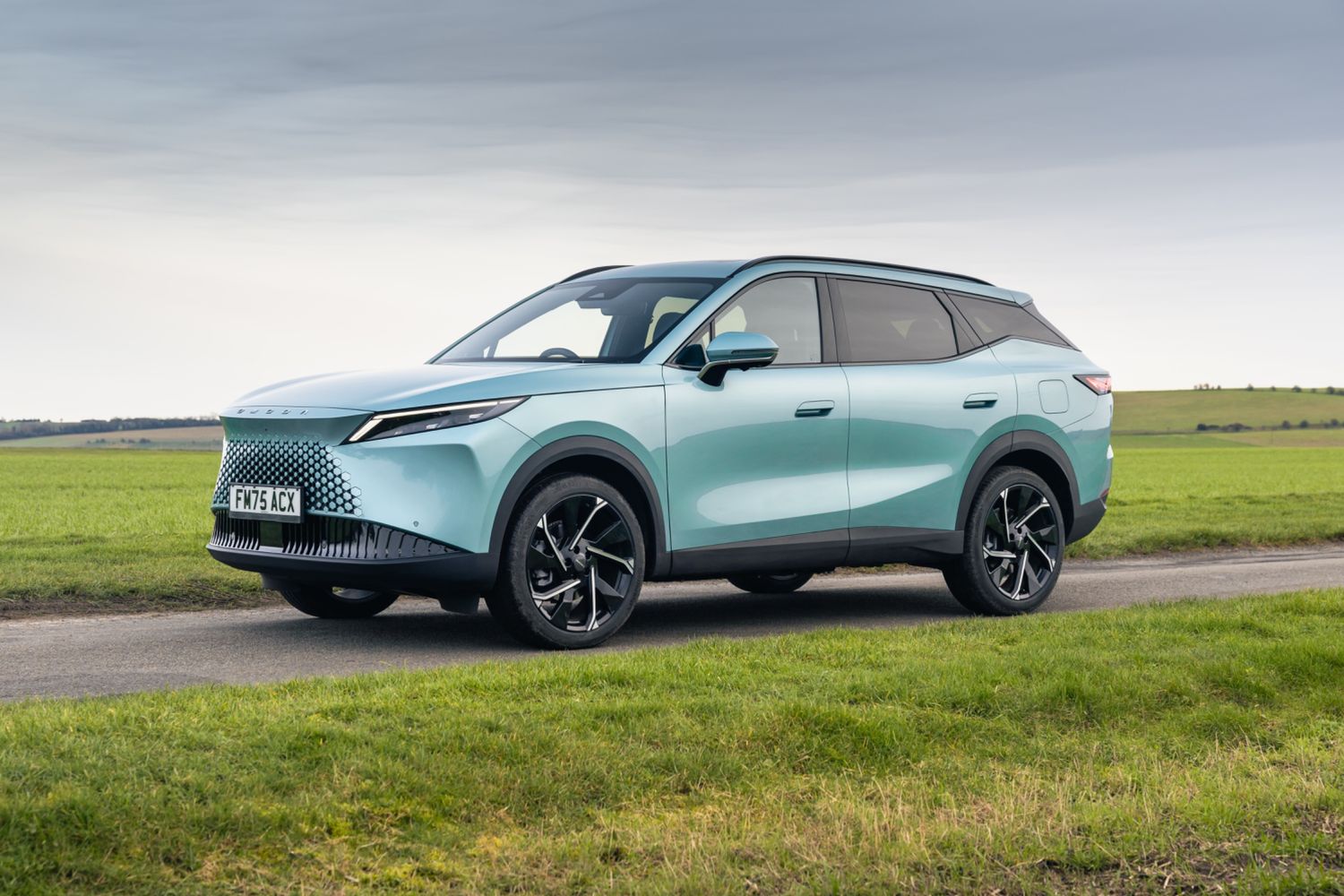
Omoda is meant to be the fancier of the two, and for my money (if I was spending it) it’s the more appealing. I like the sleeker looks and the hints of sophistication.

So while you see a lot of Jaecoo 7s on the roads, I think the Omoda 7 is more of a connoisseur’s choice. And it’s got a sensible PHEV powertrain if you can charge at home (plug-in hybrids don’t really make sense if you’re only charging on public charge points) – up to 56 miles of EV range and a petrol engine that sensibly keeps out of the way as much as it can.
But of course the usual caveat that a plug-in hybrid only really makes sense if you’re able to charge it up at home – the economics of public charging and the decreased efficiency of PHEVs mean you’d end up paying more than just getting a petrol.
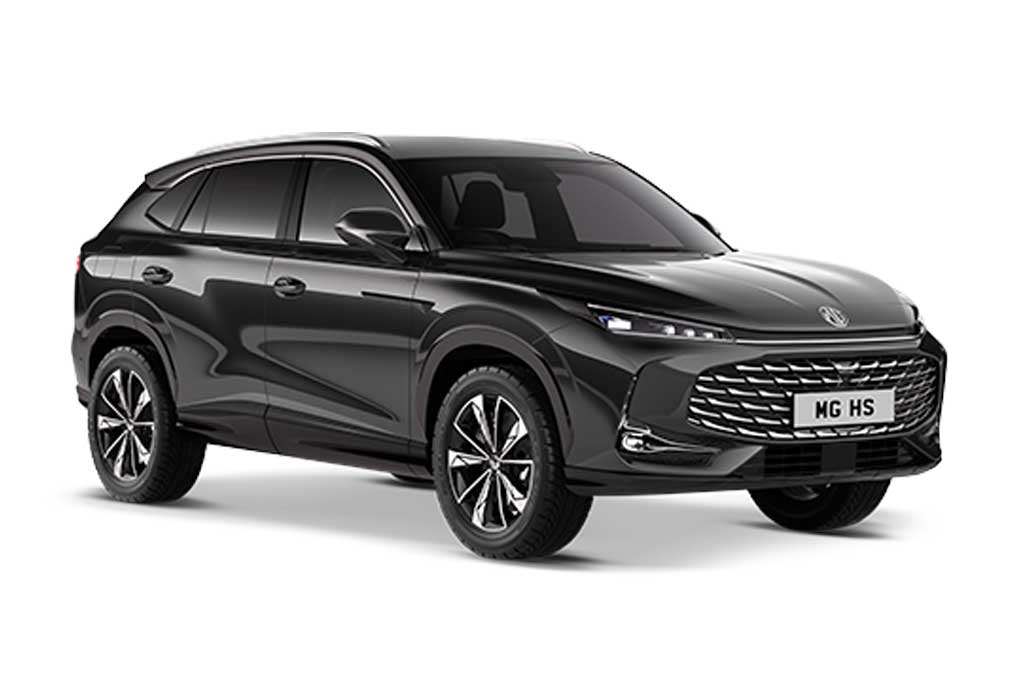
Get the sums right though and you’ll have bagged yourself a decent set of family wheels. To get to the point though, you'll have had to stride past a number of capable Chinese-badged rivals including the Geely Starray, BYD Seal U and MG HS. Not to mention the likes of the Kia Sportage and Peugeot 3008 PHEVs.
Range, battery and charging
Now, having said that it’s uneconomical to run a PHEV by charging it on public sockets, the Omoda 7 does actually offer you the option of juicing up on a CCS fast charger. It offers a peak charge rate of 40kW that’ll get the 18.4kWh battery from 30–80% in 20 minutes.
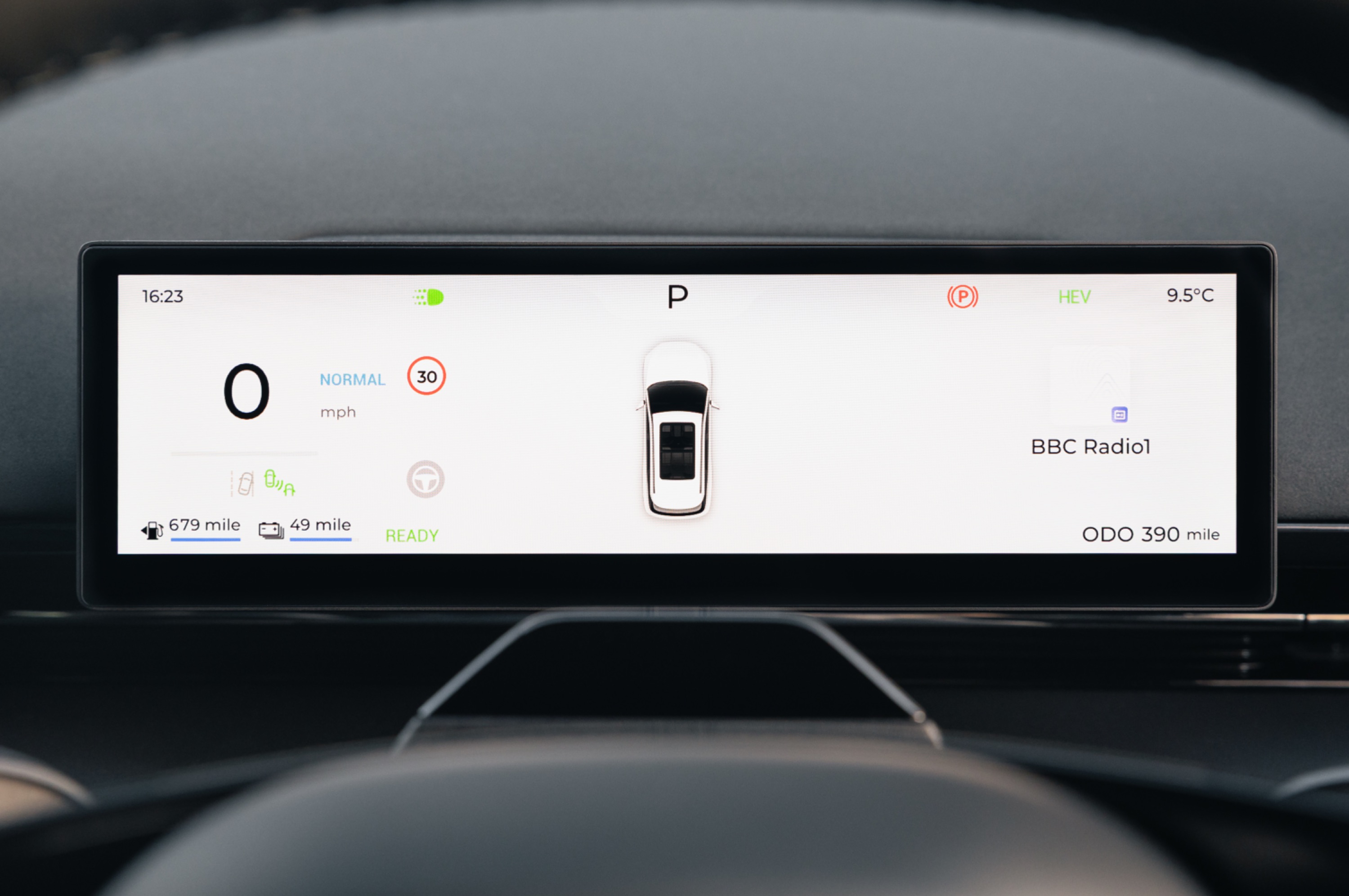
Use all of your juice and the Omoda 7 will manage somewhere around 40/45mpg using the petrol engine to get around assisted by the hybrid tech. If we assume 45mpg, then the car is costing around 16p a mile at current average petrol prices of £1.61.
Charge on a 75p rapid charger and the less-than-3m/kWh efficiency is going to make your running around incredibly more expensive than just running on petrol. You’ll want to charge at home on an EV tariff to feel the benefit of running a PHEV like this. (Check out our guide to help you choose between PHEV and BEV...)
As usual, the 56-mile WLTP figure is a touch optimistic, but 45–50 miles of range is achievable, and just over 40mpg once the battery has run out and you're relying on the petrol engine.
On a plus note, though, there’s 3.3kW V2L capability (which is where you can run electronics off the car’s battery) – better than a lot of proper EVs on sale.
Practicality and boot space
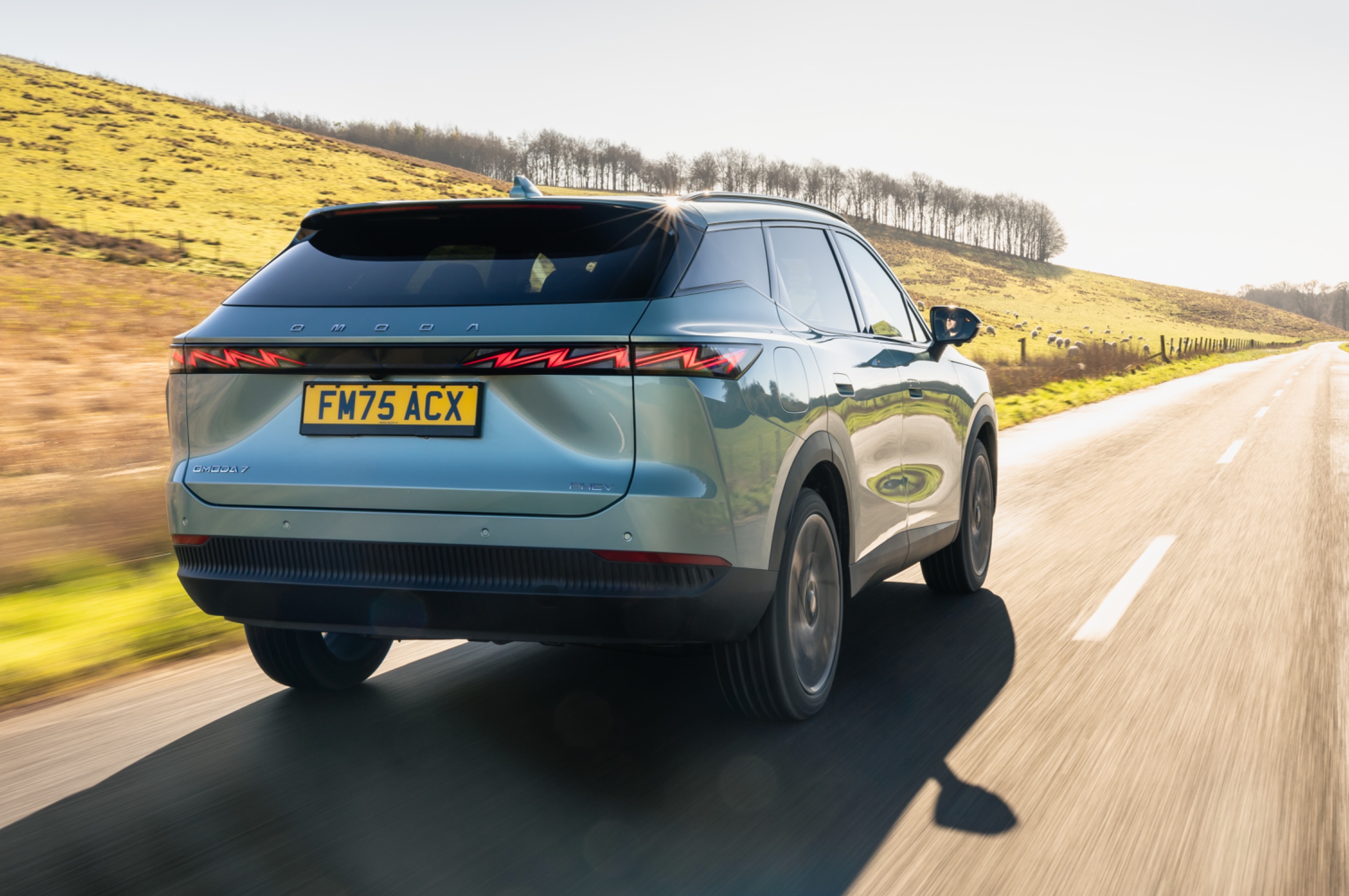
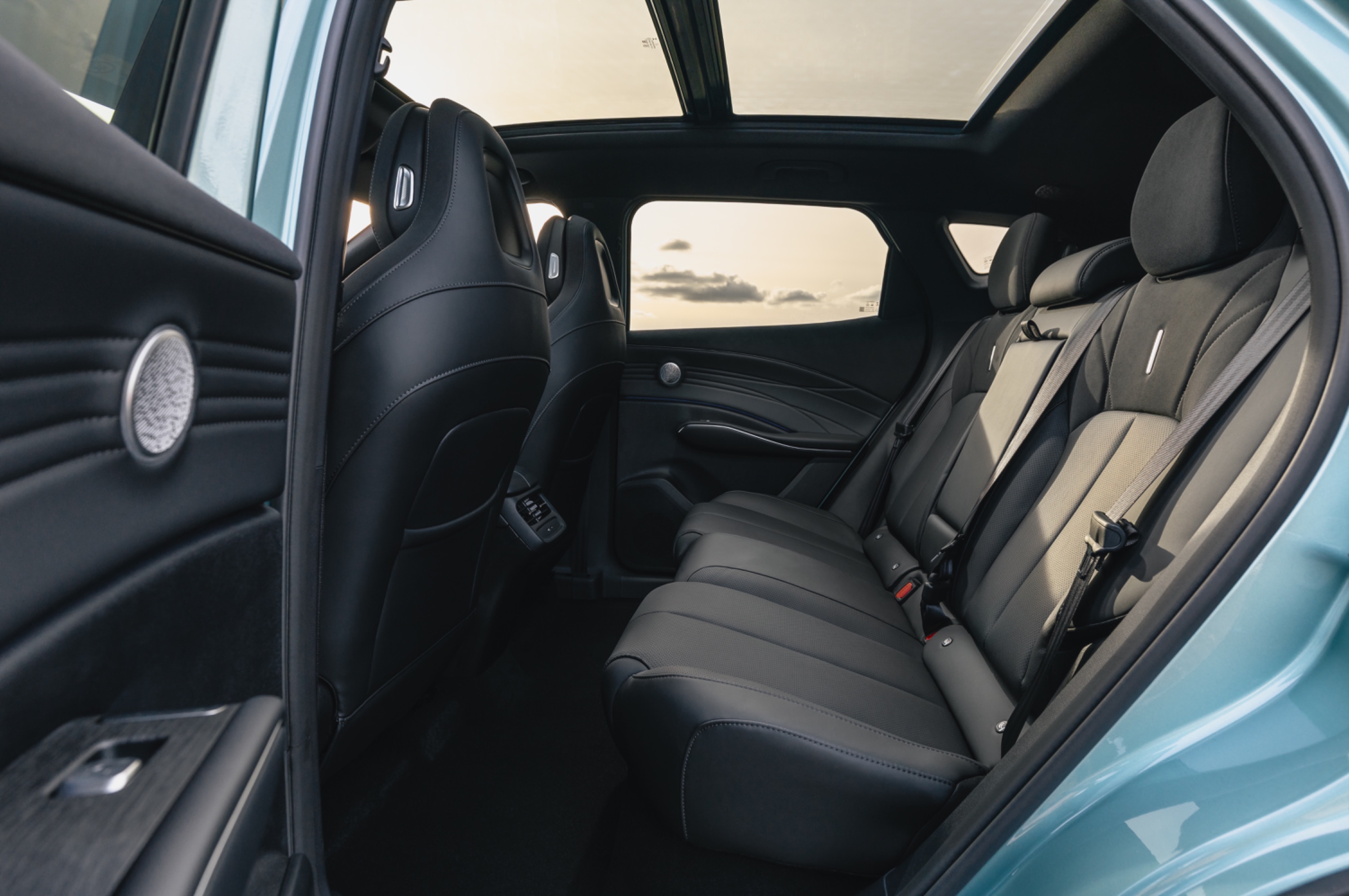
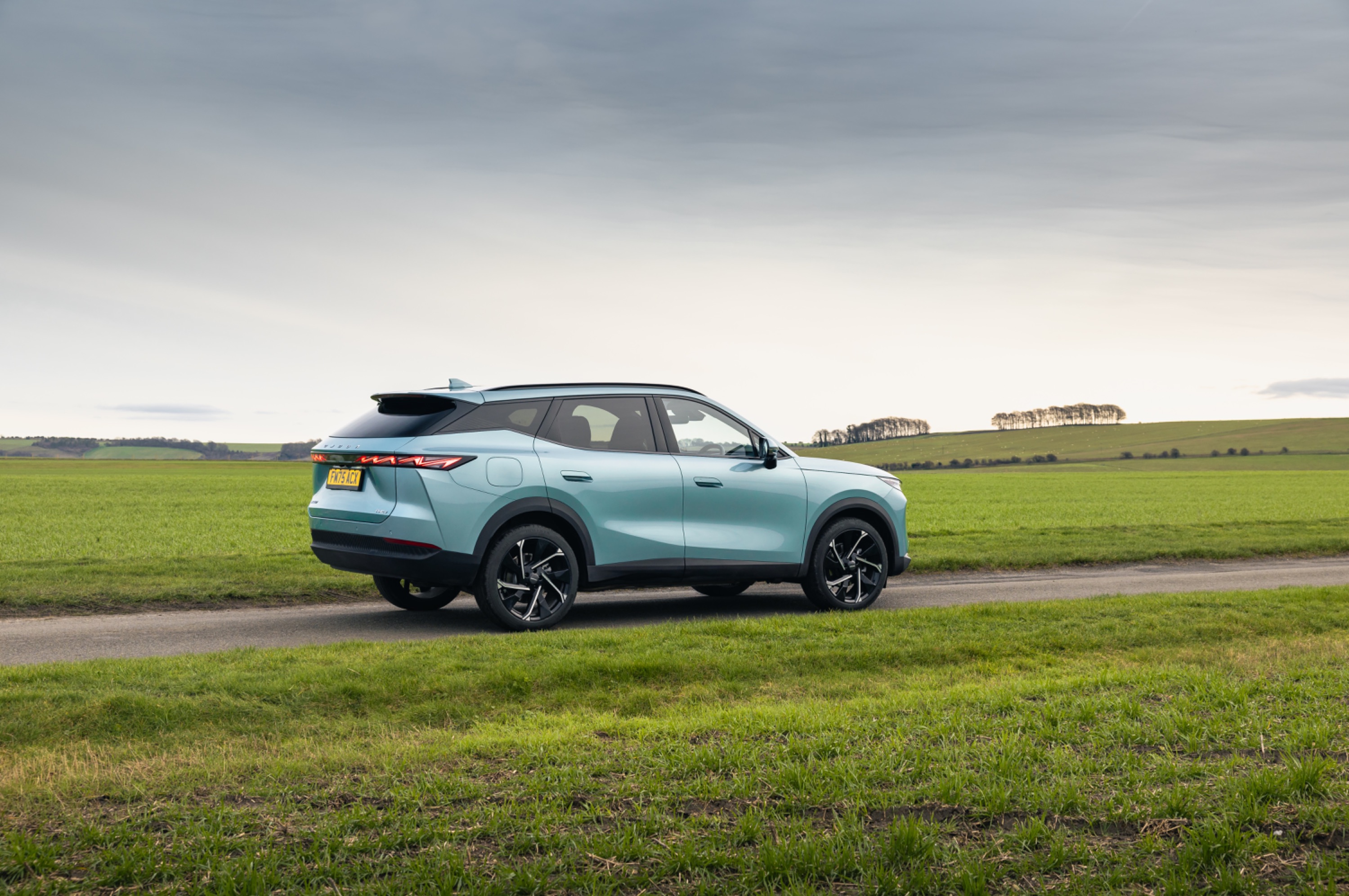
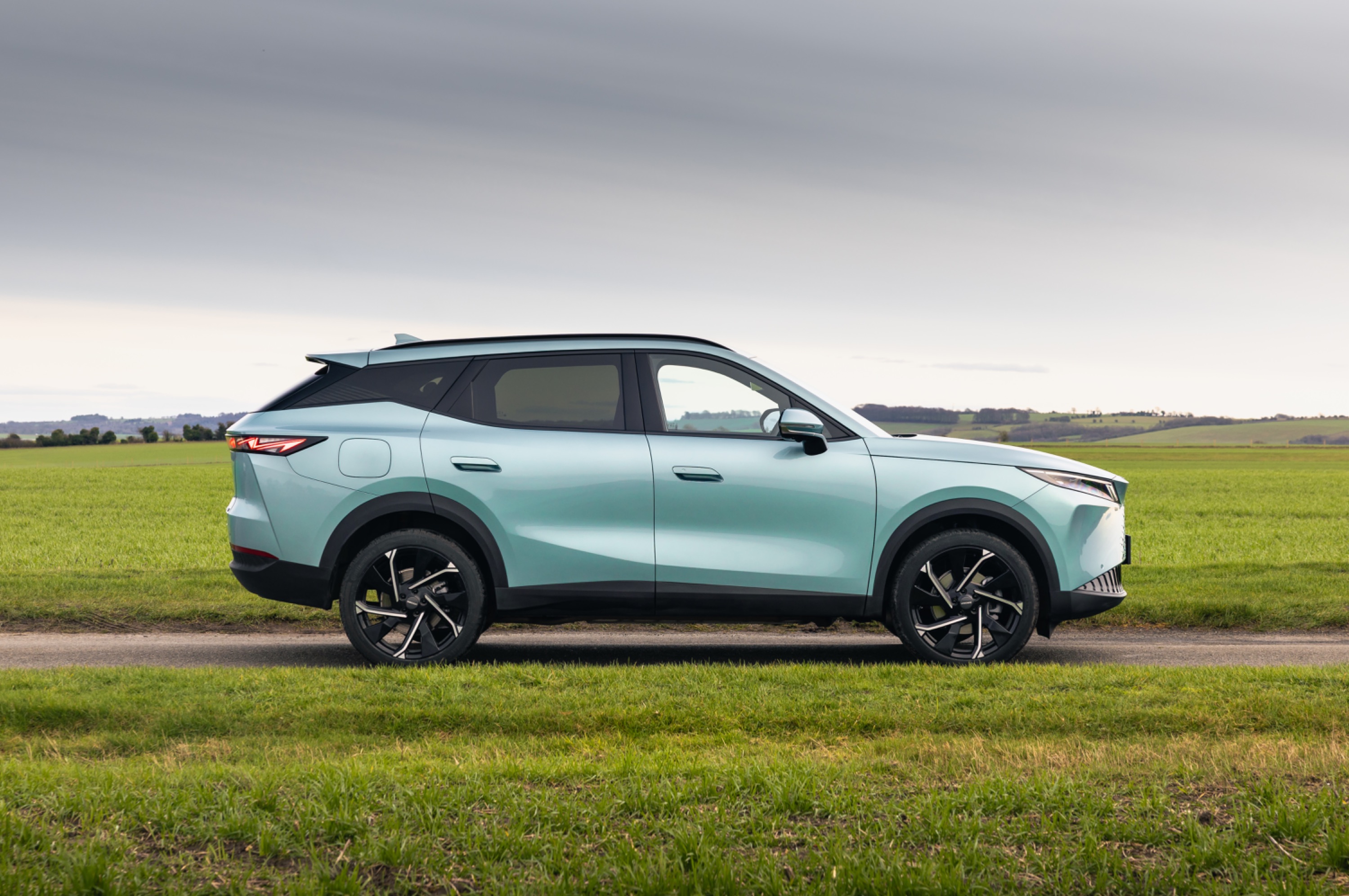
The Omoda 7 is a chunk longer than its Jaecoo 7 or Chery Tiggo 7 siblings, which means that you reap the benefit in terms of rear seat legroom, which is suitably impressive. There’s a flat floor too, which means that you can fit three people in the back seats without too much fuss.
There’s a decent amount of space in the Omoda 7’s boot, with 590 litres available seats up, and 1,417 litres with the back seats tipped down. The standard-fit electric tailgate helps with access to the rear.

But this is another area where the bit of extra length versus its Chery group sibling comes in handy – the plug-in hybrid Jaecoo 7 makes do with a mere 410 litres of boot space, so if you’re regularly loaded up to the gunwales the Omoda makes a solid case for itself.
The Omoda 7 is rated to tow up to 1,250kg too, which is nice – a reasonably sized caravan that, and you don’t have to worry about charging on a long journey in the way you would with a proper EV.
- Dimensions: 4.66/1.86/1.65m
- Max towing capacity: 1,250kg
Interior, design and technology
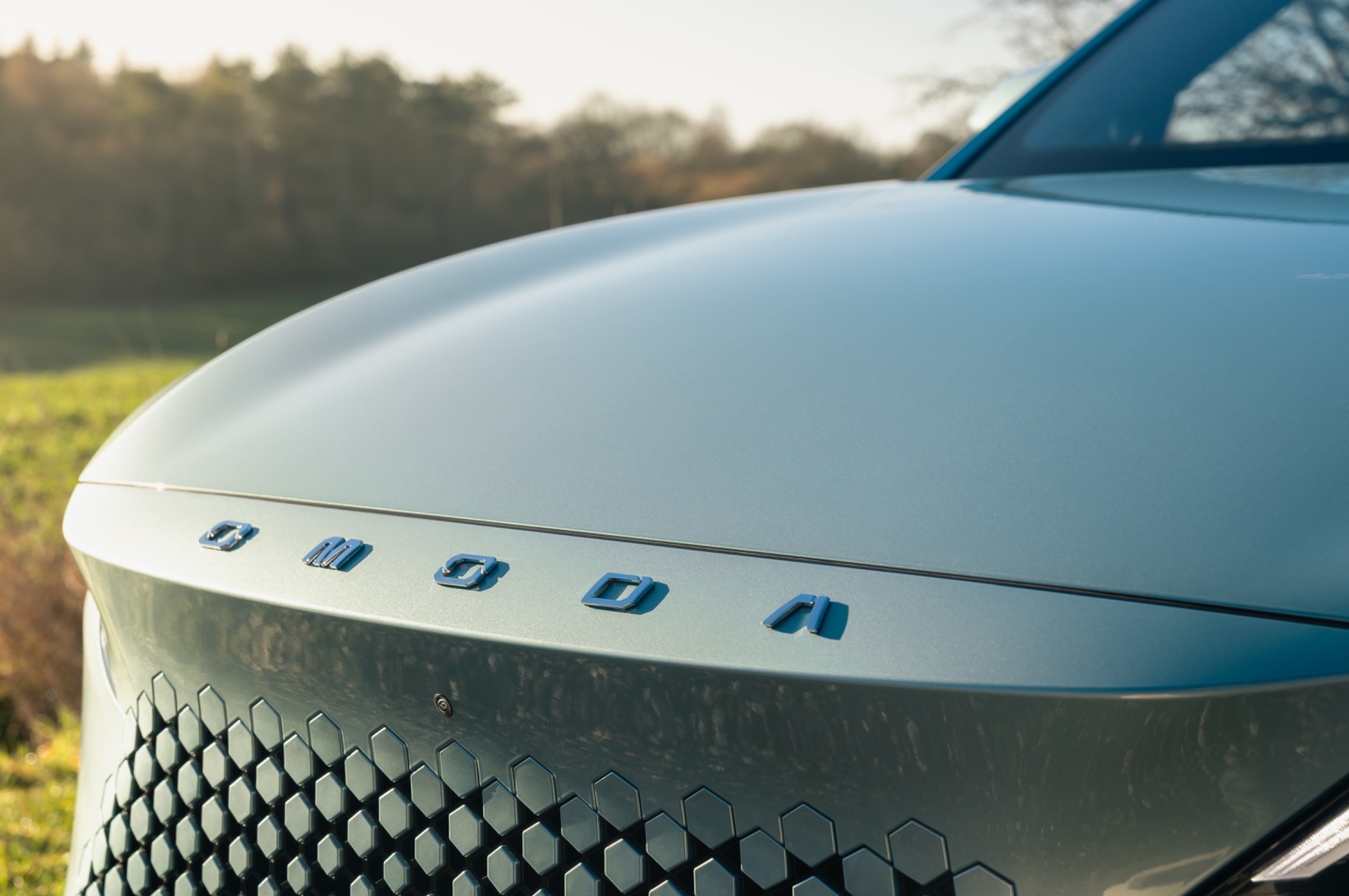
There are two trims to choose from when it comes to the Omoda 7 – Knight and Noble. A weird bit of medieval heritage imagery to try and tap into, but fairly harmless as brand trickery goes.
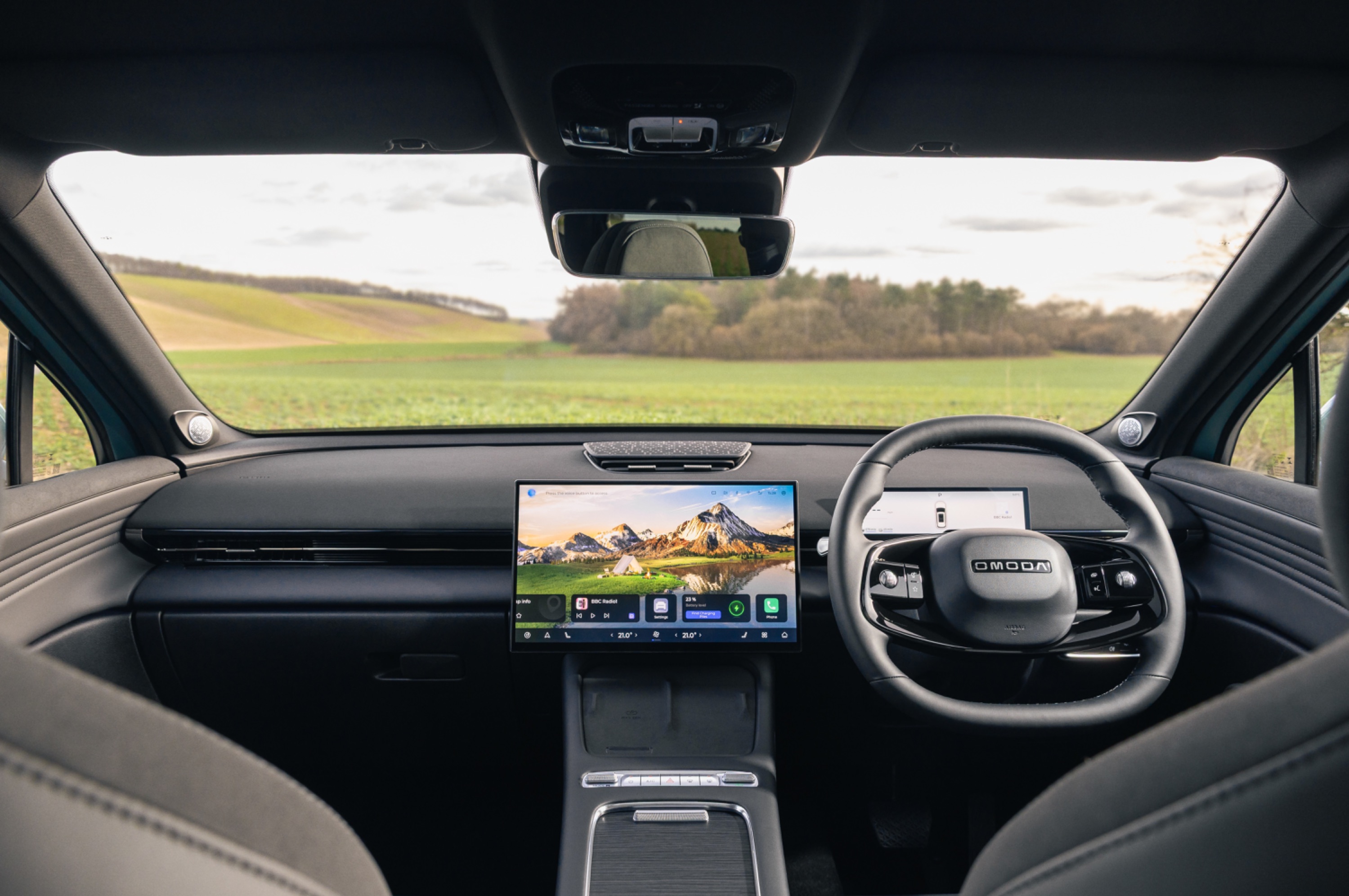
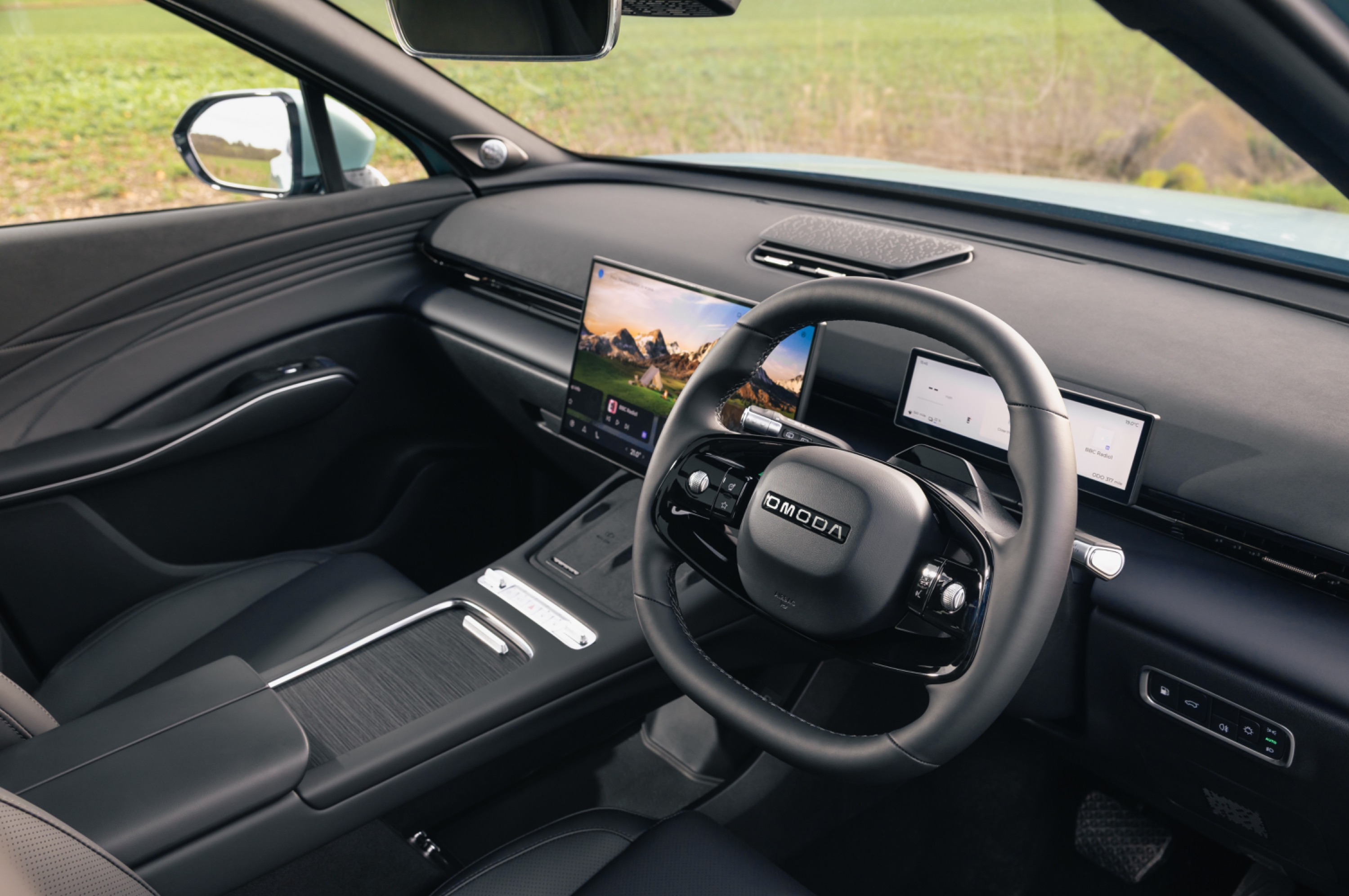
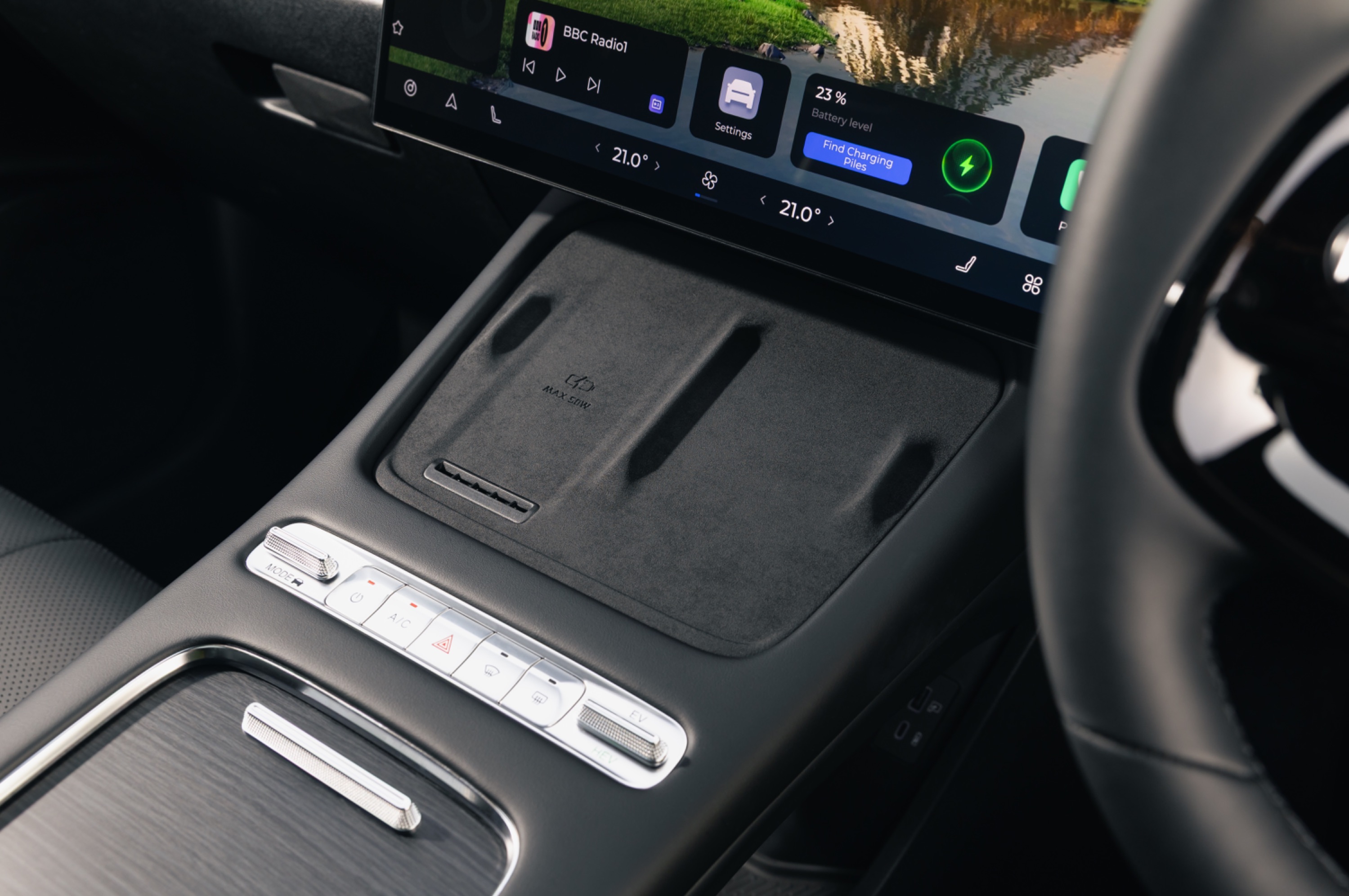
You get 19in alloys as standard, along with LED lights, wireless cooled phone charging, wireless Apple and Android connectivity, dual zone aircon, front and rear parking sensors (and surround view cameras), keyless go and adaptive cruise control.
The Noble trim adds 20in alloys, a panoramic sunroof, ambient cabin lighting, heated and ventilated front seats, four-zone voice control and a powered tailgate.

The Noble model also gets Omoda’s air-conditioning fragrance system, that adds a touch of class to the air as it wafts around the cabin. Was rather partial to a bit of a Forest Bath myself, though other smells are available.
The Omoda 7 sits in the no man’s land between budget and posh – it’s all very pared back and perfectly pleasant, not quite fancy but not stuffed with scratchy plastics. The 15.6in infotainment screen looks like it’s been left leaning against the dashboard, but that’s every car on sale these days. The speakers in the headrest are a particularly swanky touch, though.
You’ve got plenty of safety gizmos that come with the car, and none of them felt particularly intrusive on the move. The USB socket in the rearview mirror is a nice touch if you want to fit a dashcam, and there are four Isofix fittings in the cabin too if you’re overloaded with children.
Motors, performance and handling
I’m going to go out on a limb here and wager that no one is particularly coming to the Omoda 7 PHEV for the driving experience – there’s nothing particularly bad or standout interesting about it, it does everything you’d expect with competence.
Though to be fair, I should single out the noise damping around the petrol engine, which is the one impressive aspect of the powertrain – you don’t really hear when the combustion business is kicking in and out, Omoda has done a nice job of integrating it all.

It might sound like I’m trying to talk the car down, but I’m really not – there’s no complication to running the hybrid system, you just pop the car in drive and do exactly that. You can stop it from using the electric charge if you want to save it up for later, or you can ask the car to charge the battery up a bit using the engine. All very simple.
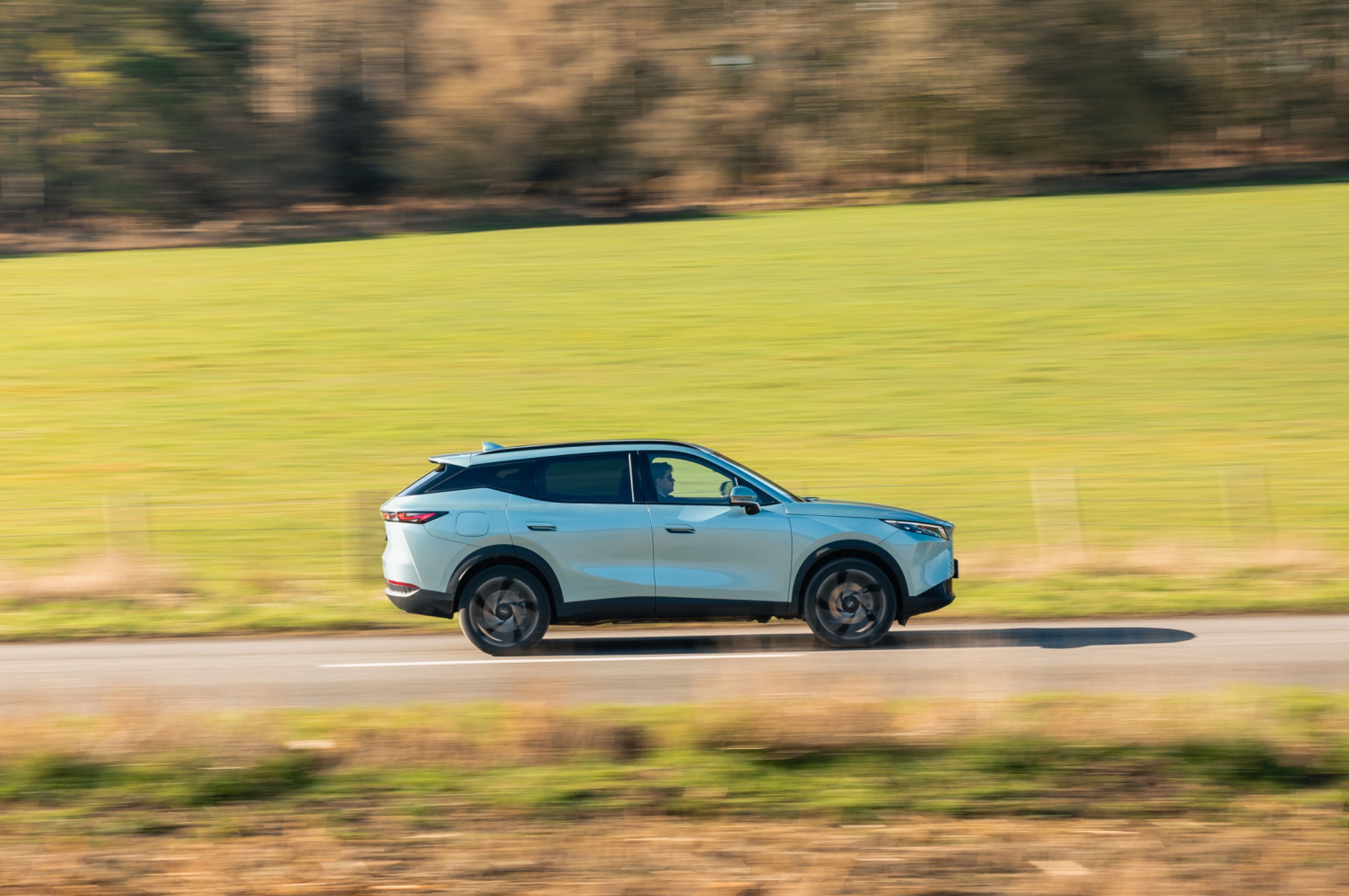
The ride is smooth enough for family shuttling purposes too – there’s a touch of body roll if you try and push the car, but why would you do that? I would be quite happy getting in the Omoda 7 and letting the car do all the work and arriving at my destination just that little bit calmer as a result.
Running costs and pricing
I’ll repeat the early caveats here that a PHEV like the Omoda 7 only really makes sense if you can charge at home on a cheap overnight rate and really get the most out of it.
The 56-mile EV range is decent enough, but we’d still say that you should have a really good look at a proper electric car and think about whether you’d be better off going the whole hog.
The 10% BIK rate for 2026/2027 makes the Omoda 7 fairly competitive for company car tax purposes – it means that a basic rate taxpayer will pay £53 a month for the Knight spec car.
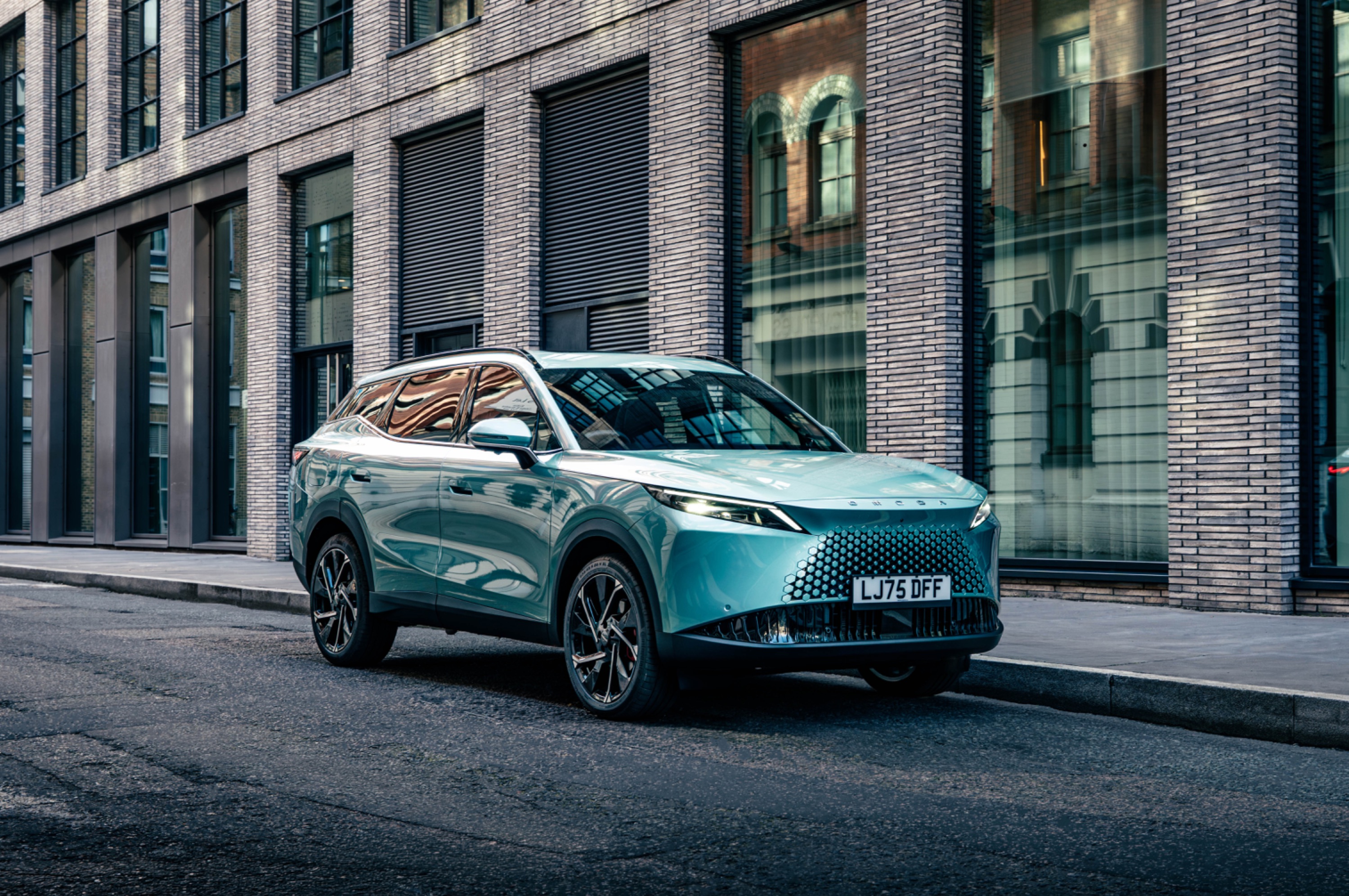
What are the outright cash prices, you ask? Omoda is asking a smidge over £32k for the Knight spec car, £35k for the Noble.
There’s a decent warranty that comes with the 7 as standard – you get seven years/100,000 miles basic warranty and eight years/100,000 miles on the battery.
Servicing intervals for the petrol engine are 12 months/10,000 miles.
The Omoda 7 is competitive against the likes of the Kia Sportage and Peugeot 3008 plug-in hybrid models in terms of price and range, but both rivals do offer known quantity brands with slightly better quality interiors.
Verdict
The Omoda 7 is a pleasant surprise – you’ve got respectable quality for a very competitive price, in a car package that doesn’t ask you to make very many compromises in the process.
Rivals will offer more polish to the drive and things like the infotainment experience, but the latter is something that changes so often in our current era of ‘sell now, polish up with over the air updates later’ that it’s almost not worth mentioning.
The Omoda’s relative rarity might stand in its favour too, offering something that little bit different to the known quantities in what has become a congested part of the new car market.
It’s the most stylish of its Chery/Jaecoo siblings to my tired eyes, and I certainly wouldn’t begrudge someone buying one.




 8
8