






 Battery size: 55.4kWh
 Miles per kWh: 4.2
 E-Rating™: A
 Max charge rate: 100 kW
 Range: 279 miles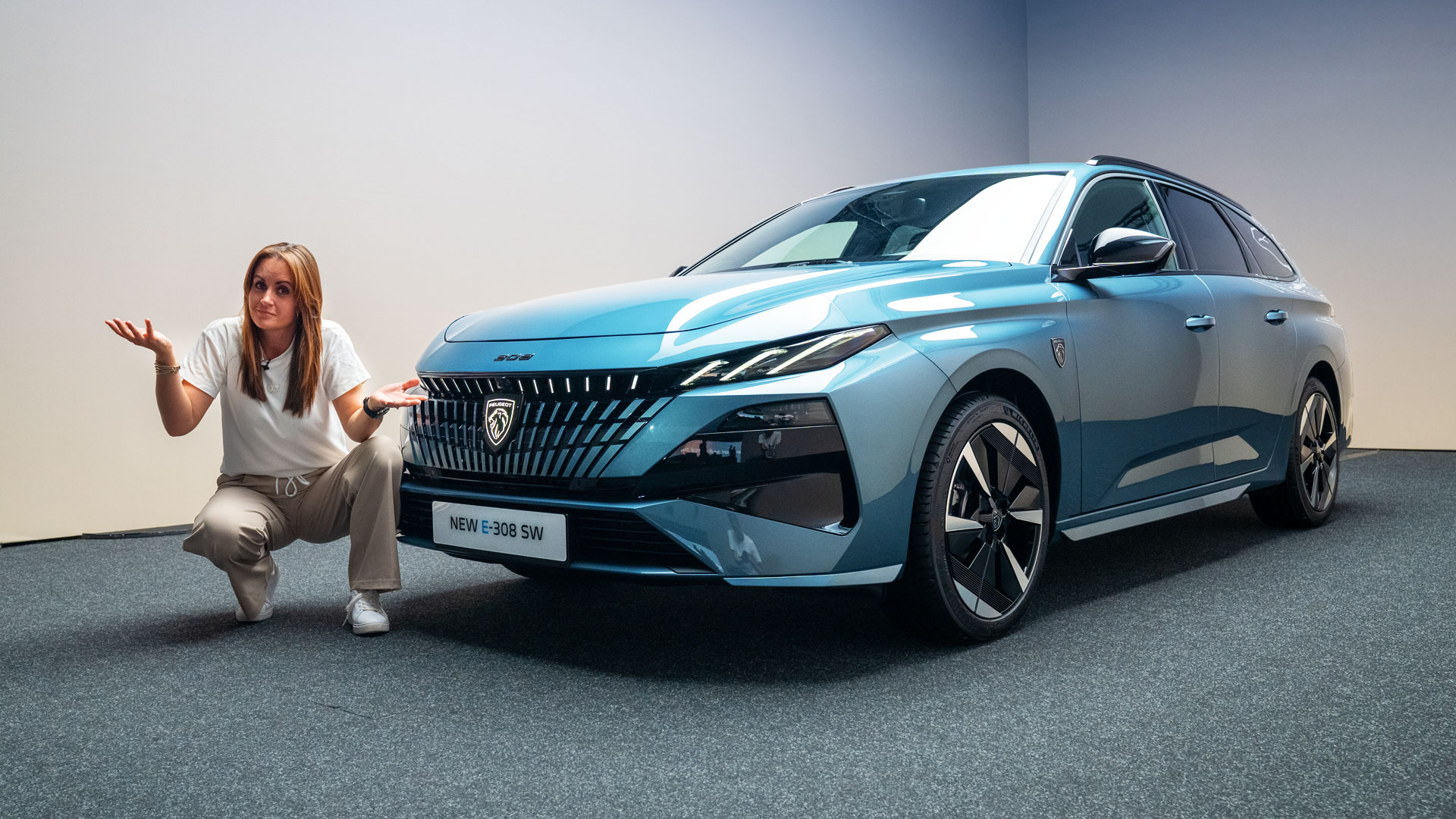



Introduction and model history
The Peugeot E-308 is a smart, traditional family hatchback that’s offered with electric and plug-in hybrid variants, as well as non plug-in petrol models. We’re focussing on the all-electric Peugeot E-308 here, of course, because we’re all about the electric cars at Electrifying.com!
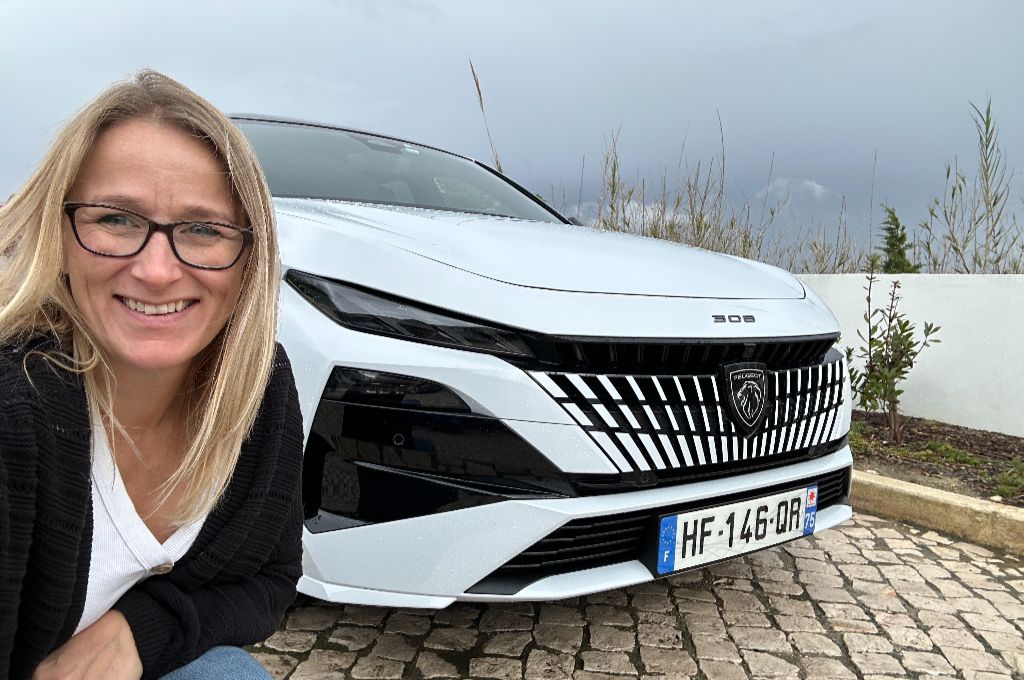
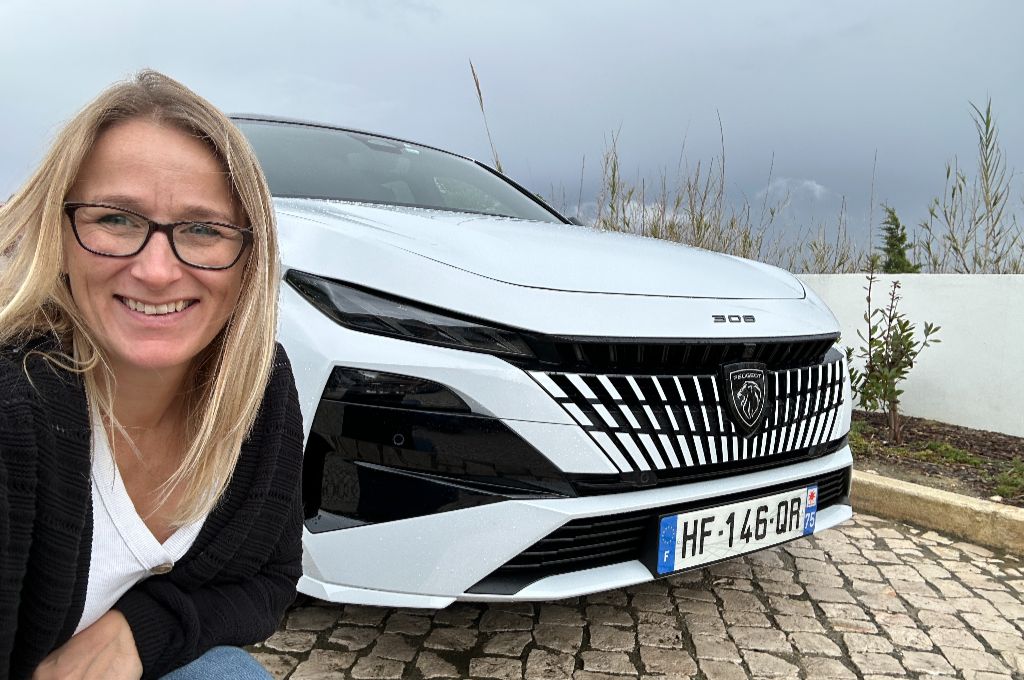
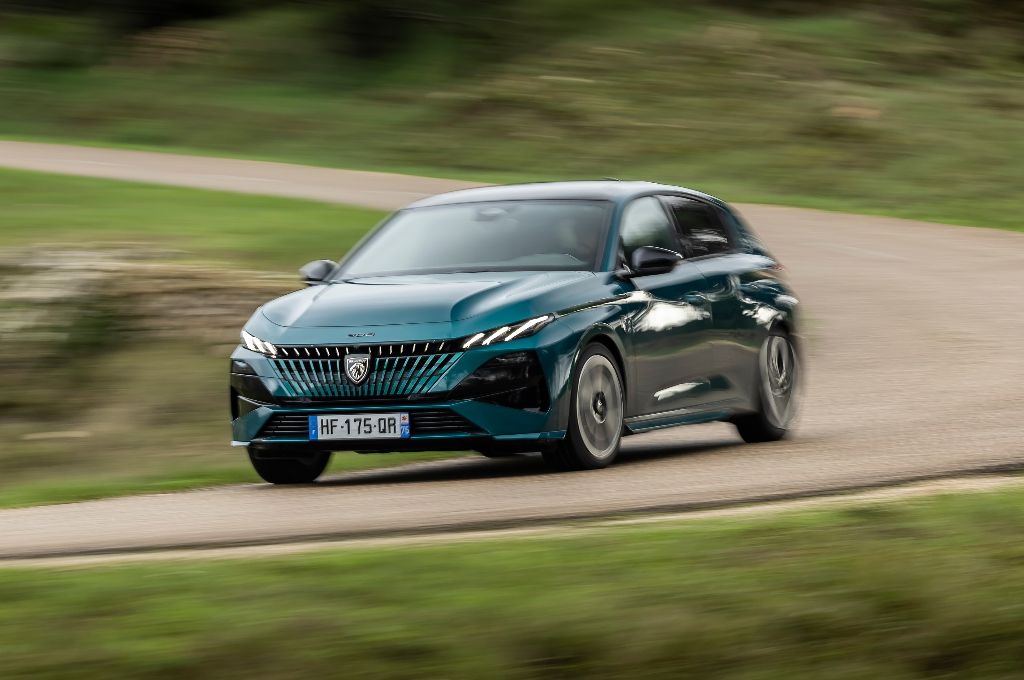
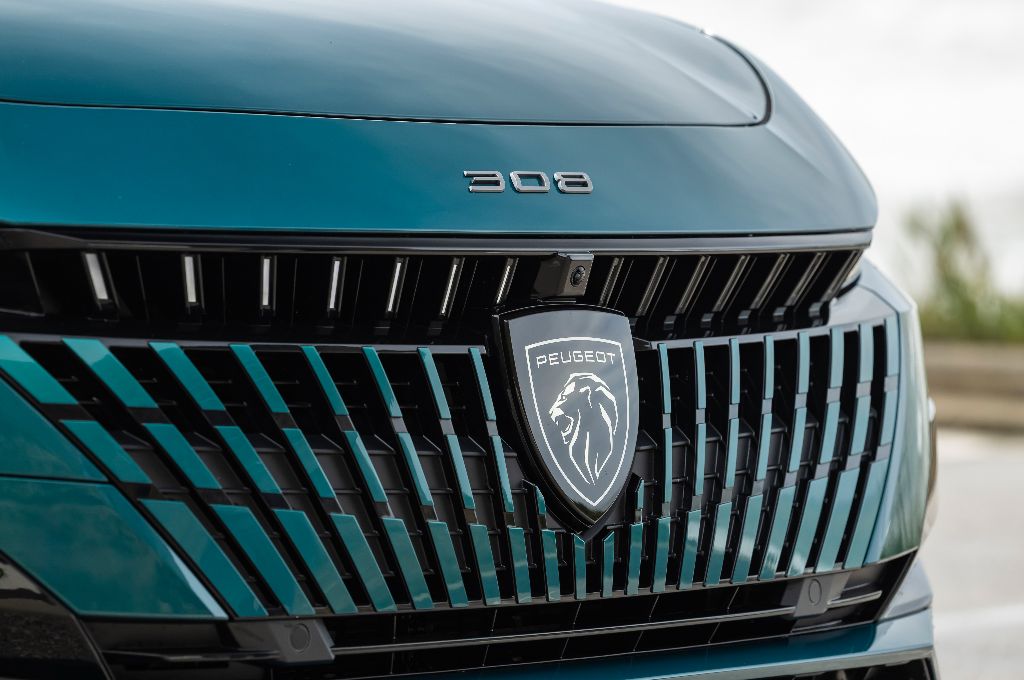
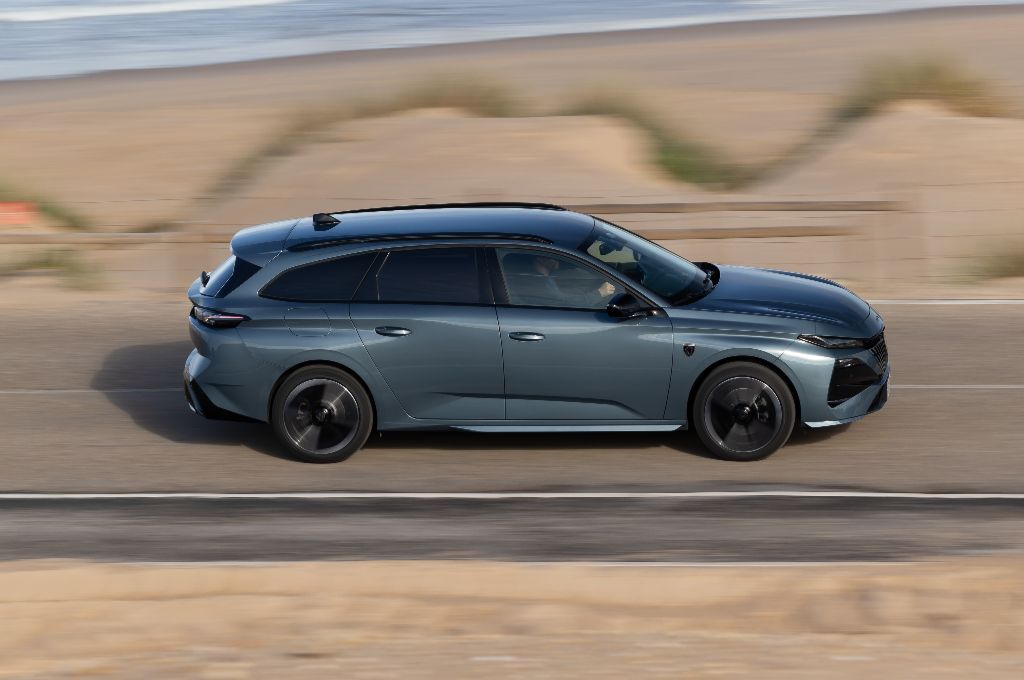
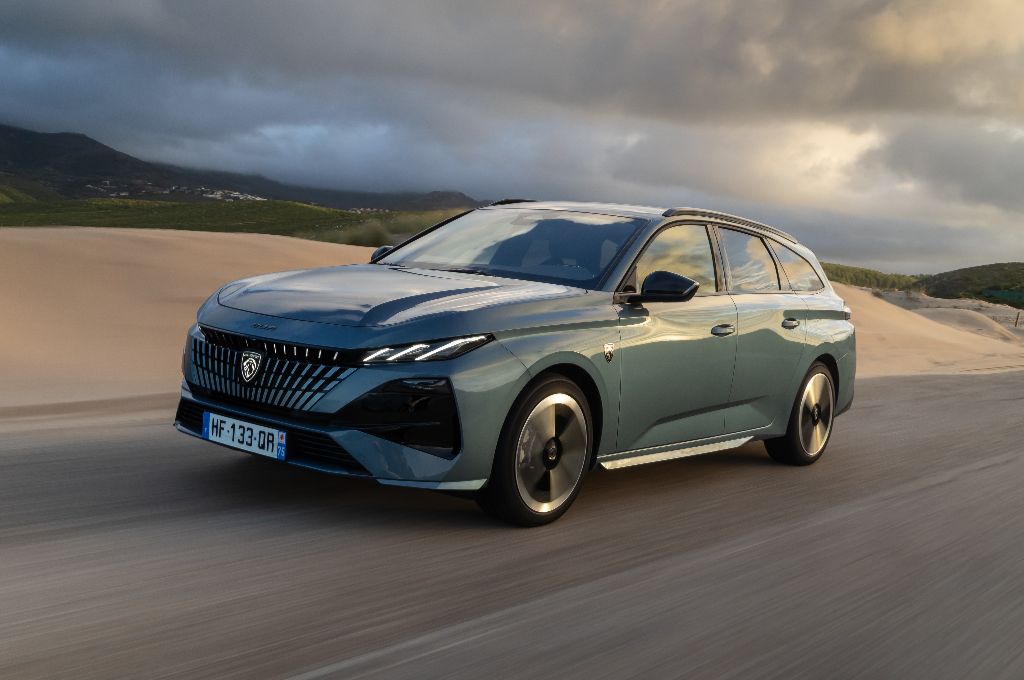
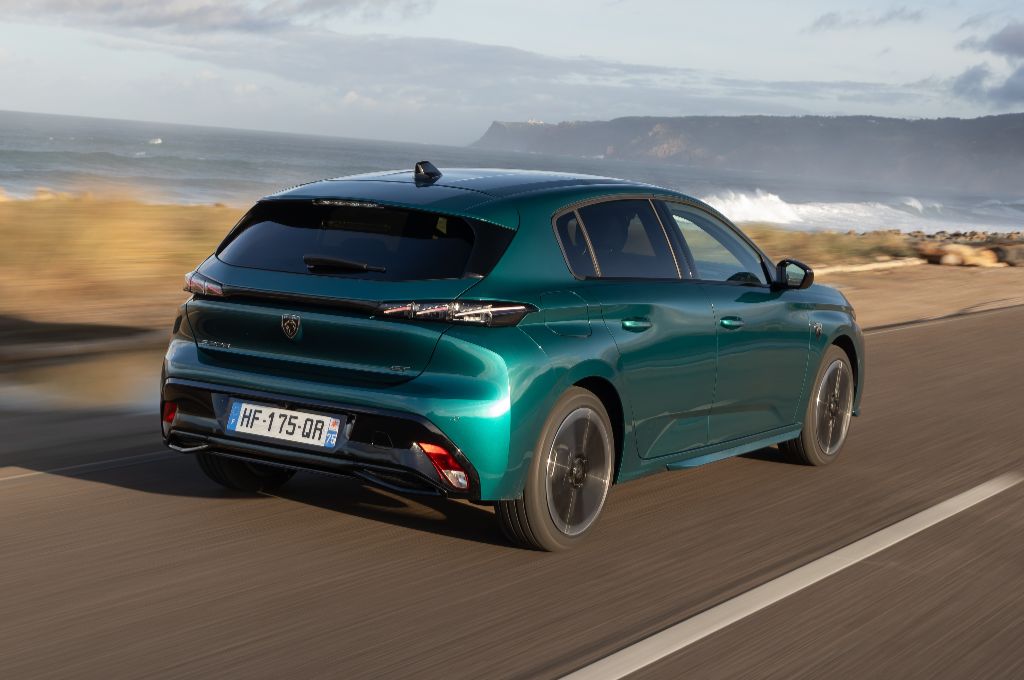
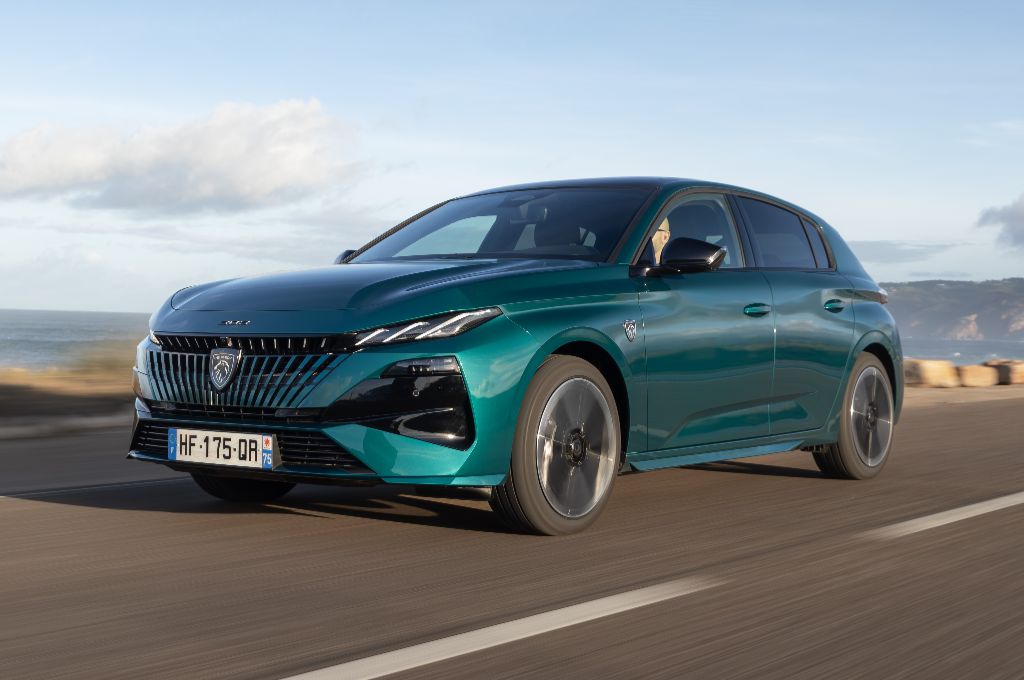
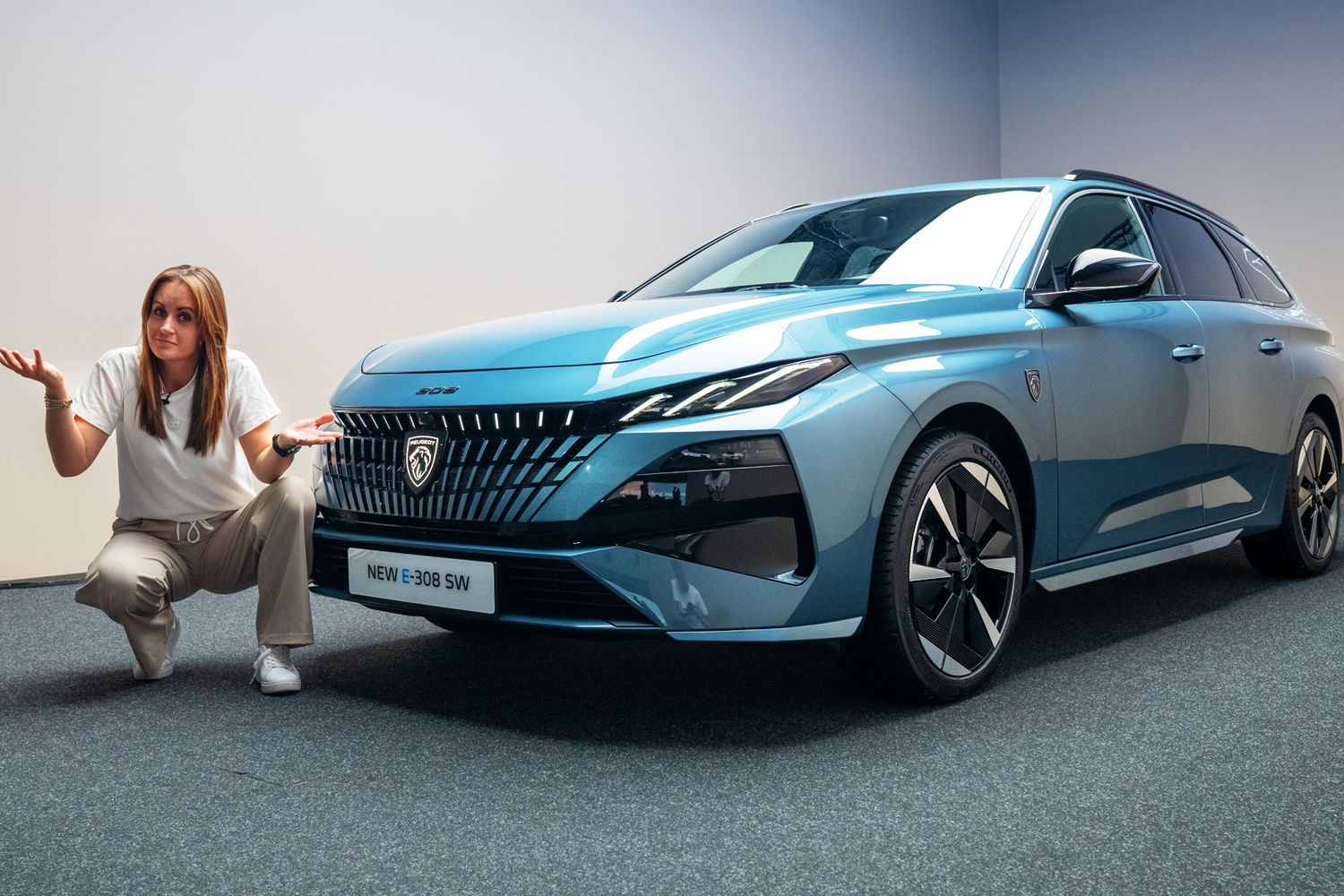
The E-308 has been out since 2023, but it’s now had a facelift for the 2026 Peugeot E-308 model year. A bigger battery for a range of up to 279 miles, and new styling are the main changes. If you’re familiar with the pre-facelift 308 then you’ll know that it was a seriously handsome car, but now Peugeot has dropped the three-claw LED lights, and given it a bigger grille with more illumination – including an illuminated Peugeot badge. I don’t know about you guys, but I preferred the way it looked before? Maybe I’m being mean, but this just seems a bit fussy compared to the lovely, clean yet purposeful looks that the 308 had before.
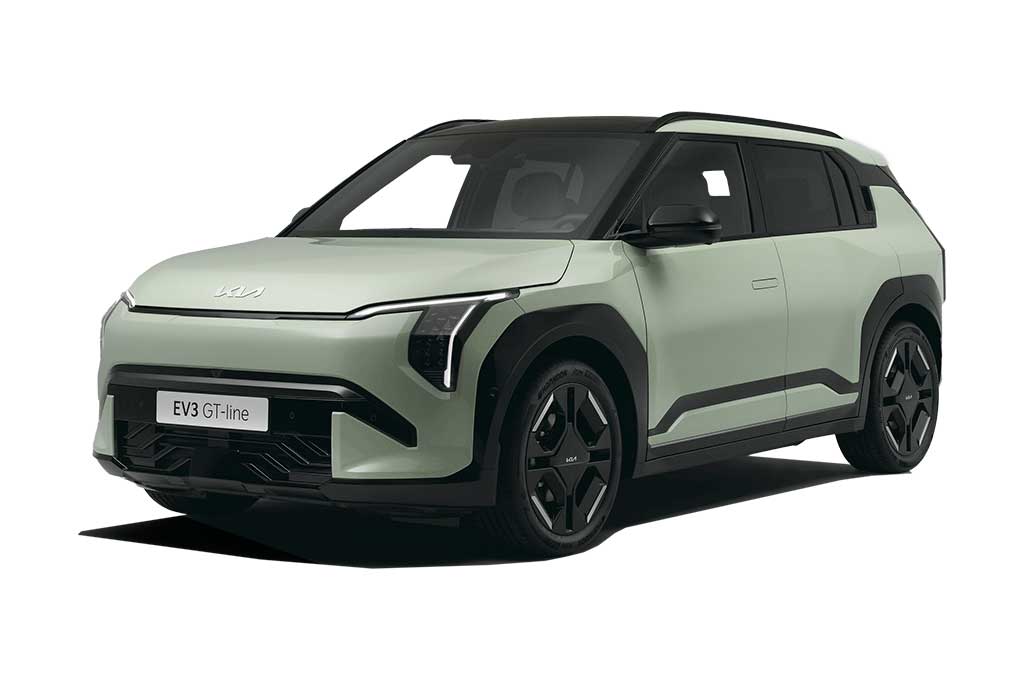
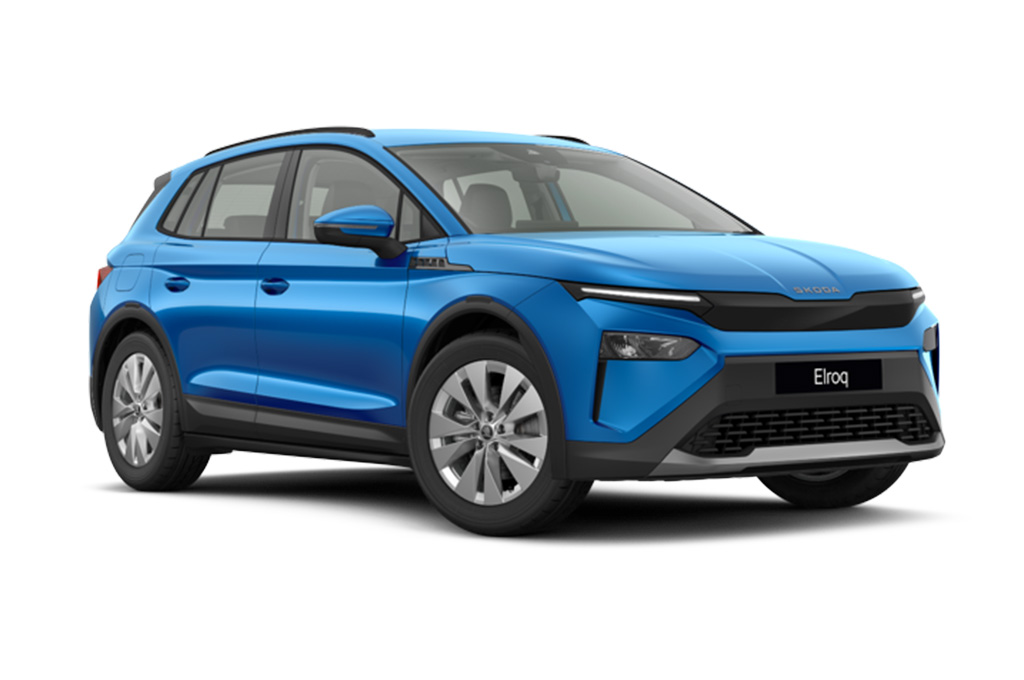
Anyway, that’s a matter of opinion, of course – and you can let me know what you reckon by leaving a comment on Nicola’s video. What is unquestionably great news, is that the new Peugeot E-308 has dropped in price by a huge amount, and is now much better value than it was before. With prices starting from just over £30,000, it undercuts entry-level versions of the Kia EV3 and Skoda Elroq that are among the main rivals that the E-308 must compete with.
Range, battery and charging
Underneath the 2026 Peugeot E-308 is a 58.4kWh usable NMC battery (55.4kWh total capacity), which is good for a 279 miles WLTP range – or 275 miles if you’d rather have the SW estate than the hatchback. That’s not bad by the standards of the class; it’s better than a Ford Puma Gen-E or Renault 4, although the MGS5 EV and entry-level Kia EV3 both go further.

The facelifted Peugeot E-308 gets a maximum DC rapid charging rate is 100kW (unchanged from before the 2025 improvements) which is on par with lots of cars in this class and is good for a 10-80% in as little as 30 minutes. Don’t forget that charging varies dramatically depending on lots of factors, so don’t be surprised if the 10-80% charge on an E-308 sometimes takes closer to 45 minutes, depending on the ambient temperature, your battery’s state of charge and operating temperature, the condition of the charger, how many other EVs are charging at the same site… There are lots of variables, but the Peugeot is competitive in its class, even if the VW ID.3, Cupra Born and Skoda Elroq all have usefully faster charging capability.
On an AC charger, the Peugeot will accept 11kW as standard, so they’d take five and a half hours flat-to-full. That’s also 8 hrs 15mins flat-to-full on a standard home wallbox at the usual 7.2kW.
As of the 2026 updates, the Peugeot E-308 also comes with vehicle-to-load (V2L), which can charge your devices at up to 3.5kW. You’ll have to buy an adaptor from a Peugeot dealer to use that function, but then you can power your electric mower down at the allotment, boil a kettle on a campsite, or run any other standard electric device from your car’s high voltage battery.
A heat pump is a £400 option, and we’d say you should only add it if you do a lot of mileage and will definitely get the benefit, as the real-world gain in winter range is relatively small given how expensive a heat pump is.
Practicality and boot space
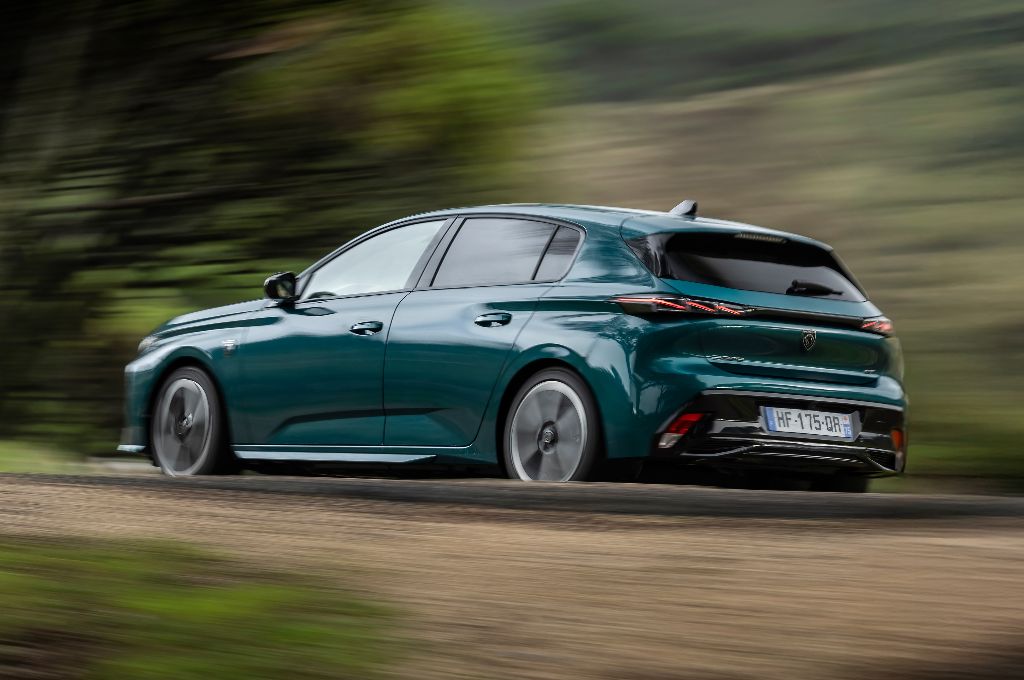
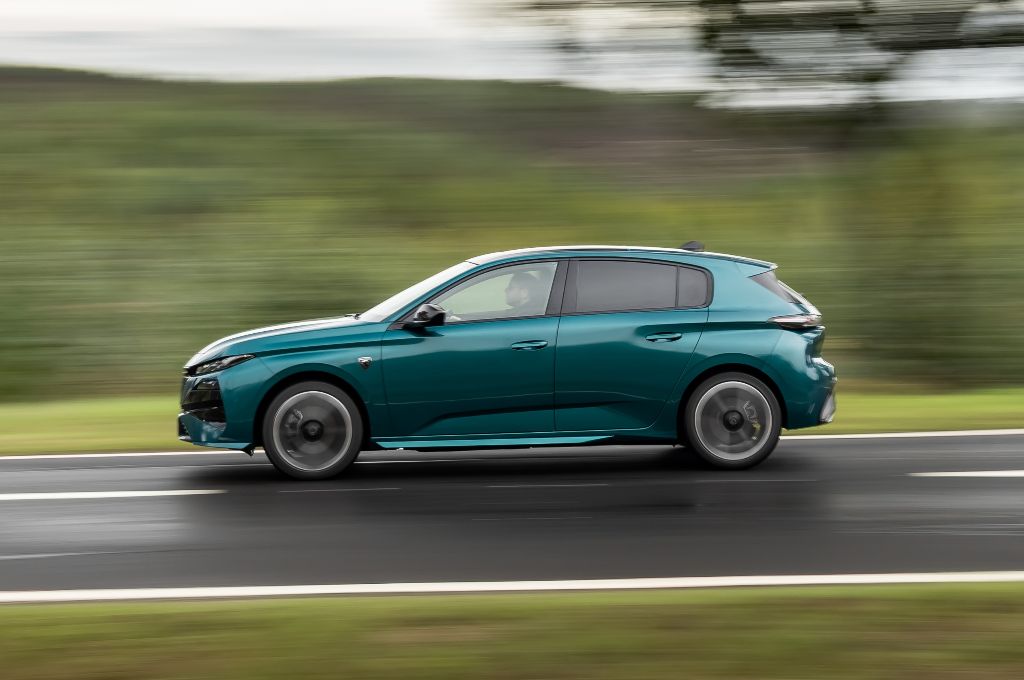
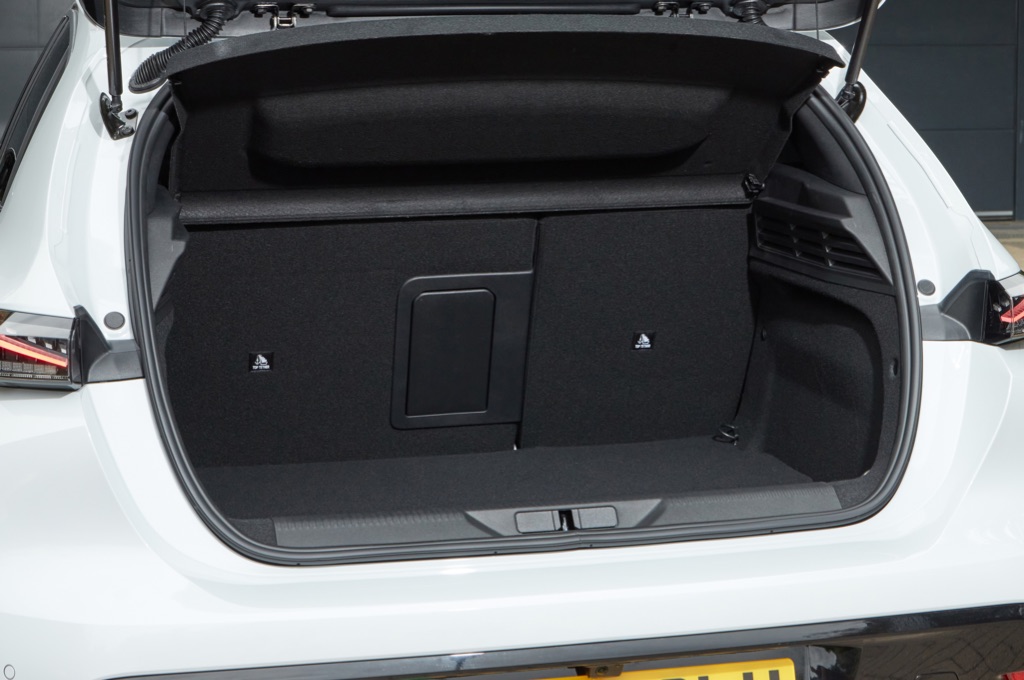
The Peugeot E-308 hasn’t had any changes to its practicality, so you still get a decent boot. Even the hatchback gets 361-litres while the E-308 SW estate gets a much healthier 548 litres. The hatch’s boot will be okay for small families but there are better options out there, but the E-308 SW has a great boot with a low load lip and a long, useful luggage space. I also reckon that the SW estate looks better than the hatch, so it’s definitely the one I’d have. Even though the estate is just over 4.6-metres long (270mm longer than the hatch) it still feels compact enough to be wieldy around town, and the extra practicality will be useful for everyone. Estates for the win, I say!

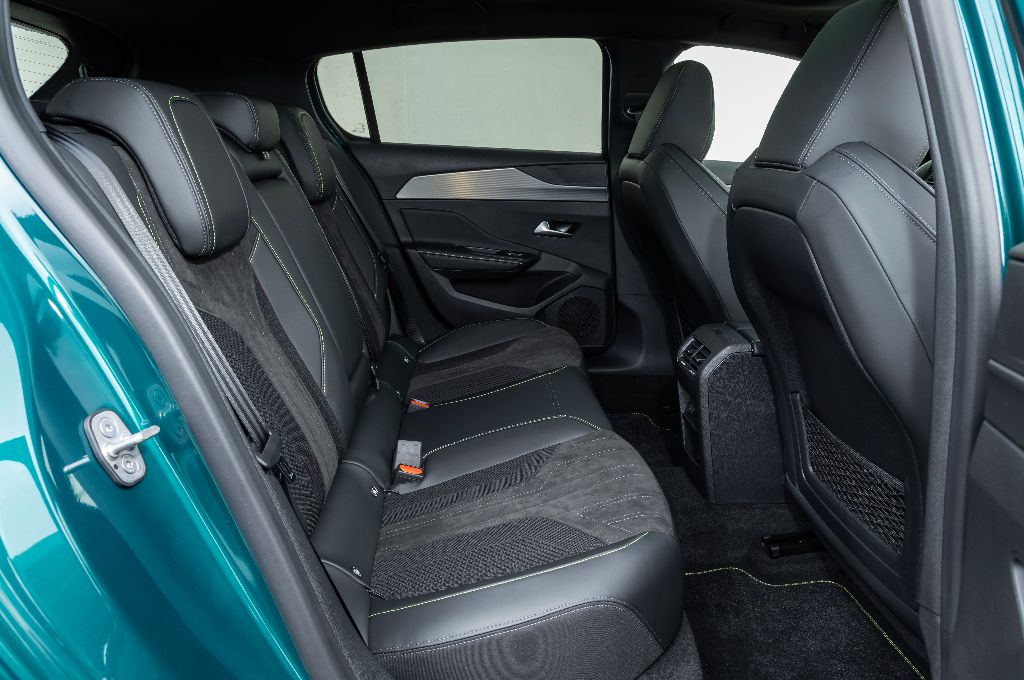
Not only that, but the E-308 SW also gets a bit more rear passenger legroom, and that’s a good thing as the hatch is a bit cramped in the back seats. Taller adults will definitely notice the shortage of room, while the estate is a bit more generous.
The rear seats fold flat in a 60/40 split in the E-308 hatch, while you get more versatile 40/20/40 split-folding rear seats in the 308 SW, so that you can get your skis or through the middle bit of the rear seats while still having two people sat either side.
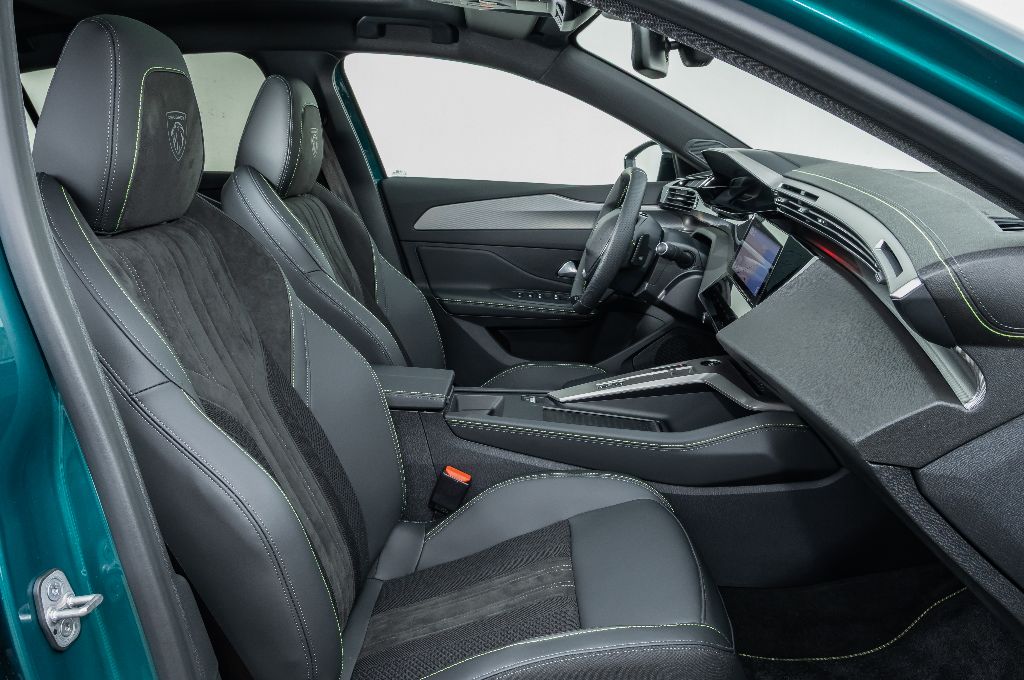
Up front, the E-308 has a really classy, nice feel to the cabin that feels much higher quality than the interior you get in the Ford Puma Gen-E or BYD Atto 2, for instance, even if I’d say that the Kia EV3, Nissan Leaf and Skoda Elroq are just as good on perceived quality.
Interior, design/styling and technology
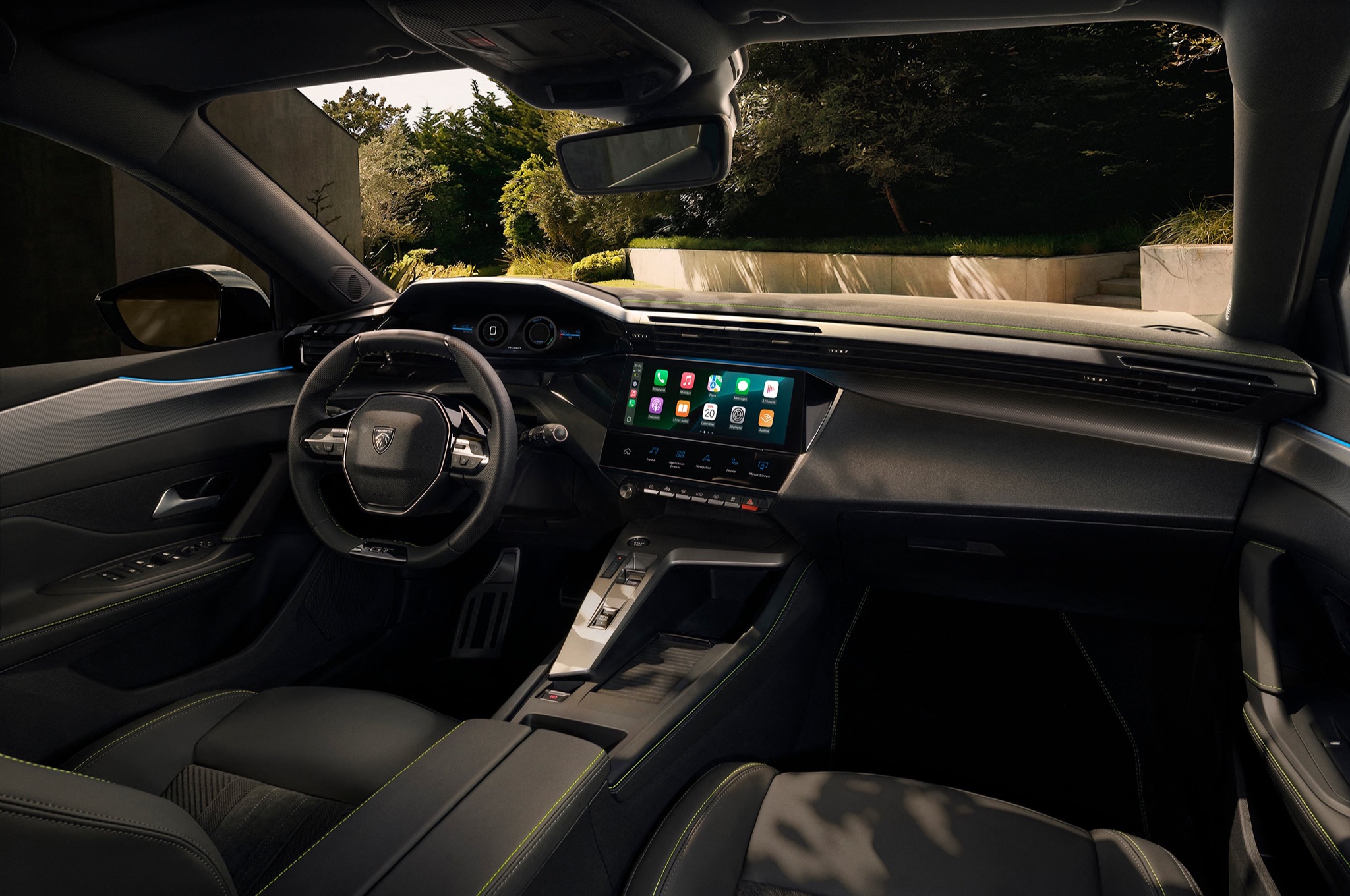
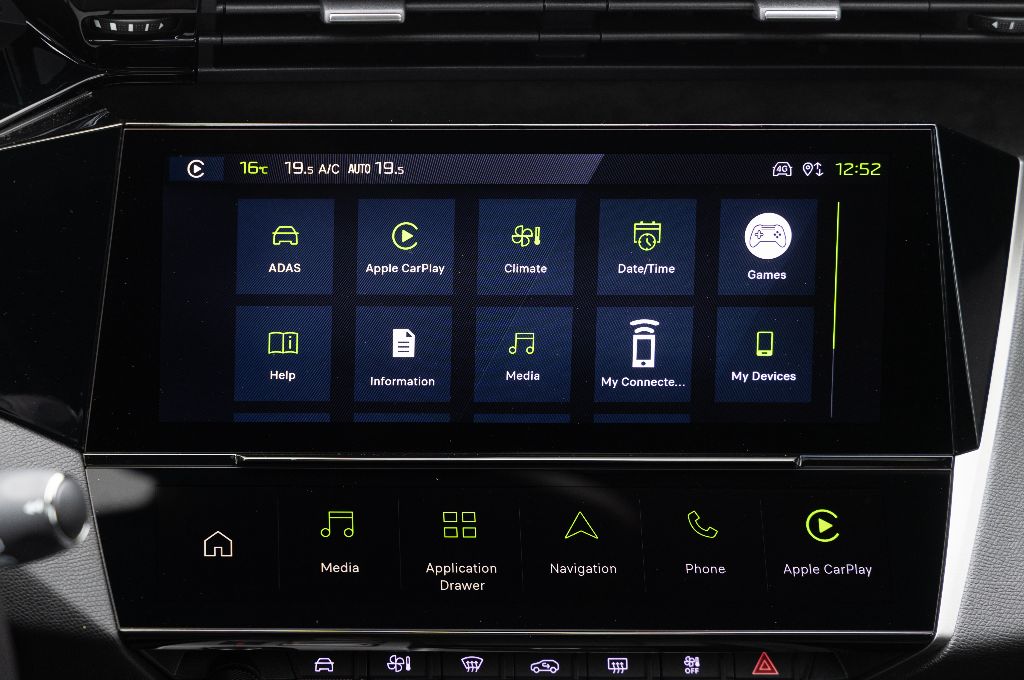
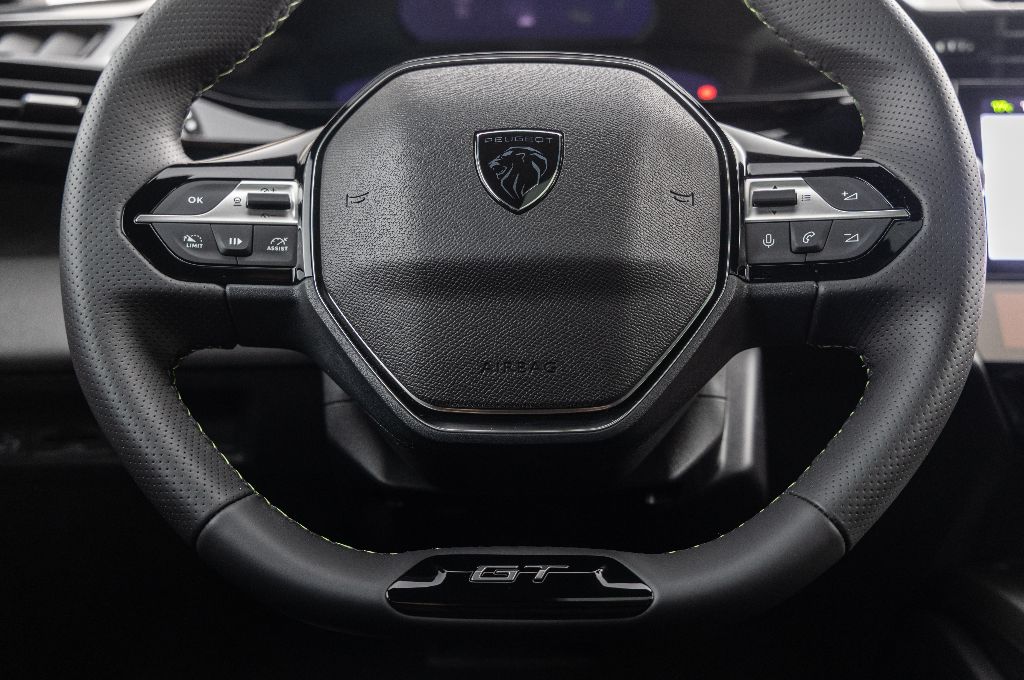
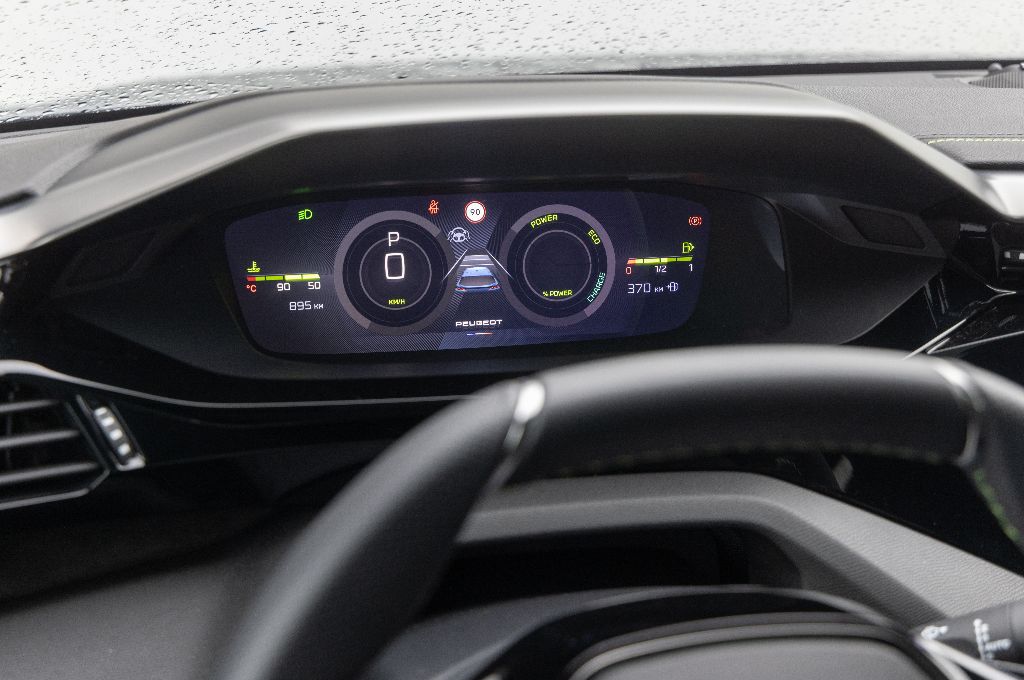
Inside the E-308 you’re immediately confronted by the 10-inch ‘i-Cockpit’ touchscreen, and a digital readout set high above the small steering wheel so that it’s in the driver’s eyeline. This setup annoys some people as they don’t know whether to look through or over, and the small steering wheel can make steering response feel a quite quick and darty,

Then there’s the central touchscreen, and (on the GT trim) an e-Toggle row of configurable shortcut buttons below that. I find it a bit too easy to hit the ‘toggles’ by accident if my wrist brushes against it when I’m using the touchscreen, but this system isn’t too bad these days. It’s a bit laggy, but the graphics are decent, and the shortcuts are useful. It’s got the features you want including over-the-air software updates and wireless Apple CarPlay and Android Auto, although you have to go for GT trim to get in-built sat-nav with charger search function.
Every version of the Peugeot E-308 gets heated seats as standard, which is brilliant. Are you listening, Renault?! Heated seats as standard on every trim – that’s what we want! You don’t get that on a Renault 4…
You also get folding door mirrors, rear parking sensors and a reversing camera on every E-308, so don’t discount the entry-level Allure trim as it’s pretty well equipped. Mid-spec GT trim gets an illuminated grille, 18-inch alloy wheels, front parking sensors, leather steering wheel and upgraded seat upholstery. The top-spec E-308 GT Premium adds Alcantara upholstery, and 8-way massage function and electric seat adjustment for the driver, a 360-degree parking camera, 3D digital instrument cluster.
GT Premium also adds various driver assistance systems including adaptive cruise control (I think it’s a real shame that this isn’t included on lower trims, as loads of rivals have it as standard…) with traffic jam assist, blind spot detection and lane-keep assist.
Motors, performance and handling
The Peugeot is front-wheel drive only, and there’s no four-wheel drive option. which means there’s no surprises for drivers used to hatchbacks like this. Looking at the figures you might assume there’s no fun to be had either. The maximum output of the motor is 156hp, which gives a 0-62mph of 9.3-seconds, which is… relaxed. Okay, so it feels a bit slow if you ask for a burst of acceleration up to motorway speeds, but otherwise it feels just fine in everyday driving; smooth, with predictable acceleration and brake response. The new three-level brake regen’ system, which you can adjust on steering wheel paddles, and the one-pedal mode are all very welcome additions as well, and make for a versatile regen’ system.

There are three driving modes: Sport, Normal and Eco. Only in the Sport mode do you get the full 156hp. In the Normal setting it’s a bit less, and Eco also makes the accelerator response feel really slow and lethargic, so I’d stick to Normal and Sport. Eco also limits the heating and air-con, which can be annoying.
As you sit low in the E-308 you naturally feel closer to the road than you do in an SUV on one of the tall-riding rivals, and while you might take a bit of time to get used to the quick steering response, it does make the electric Peugeot feel responsive and sporty.
It deals with lumps and bumps well too, and the refinement is great, making this a really pleasant way to travel. Not as fun as the Ford Puma Gen-E, maybe, but the 308 feels more grown up in its own way, and has a much nicer interior.
Running costs and pricing
The Peugeot E-308 is really well-priced for such a useful and well-equipped family hatch and estate. It’s a shame that adaptive cruise control and lane-keep assist are only standard on the top-spec car, but they are available as part of a £680 pack.
The E-308 is also eligible for the 2025 and 2026 UK Electric Car Grant (ECG), which you can read more about in our full guide to the ECG.

Peugeot offers a brilliant warranty, now, too. The Peugeot E-308 is covered by an eight year, 100,000 mile warranty – provided you have the car serviced every couple of years at an approved dealer. That’s almost as good as Toyota’s warranty, and is even better than you get on a Kia or MG.
Verdict
The Peugeot E-308 is a really charming, useful family EV. Am I the only one, though, who thinks that this update has made the Peugeot less good-looking? It was so handsome, before – all clean lines and fang-ey LED running lights, and now it looks a bit fussy.
Anyway, let us know what you think in the comments on Nicola’s video. We’d still say that a basic Kia EV3 or Skoda Elroq will be slightly better family EVs than the E-308, but the range, pricing, equipment and general likeability of the Peugeot is impressive, so if you can get a good monthly finance deal and your kids are okay with those back seats, then this could be a great option.

 6
6
.jpg?width=300&height=185)

