





 Battery size: 46 - 48kWh
 Max charge rate: 100 kW
 Range: 224 - 268 miles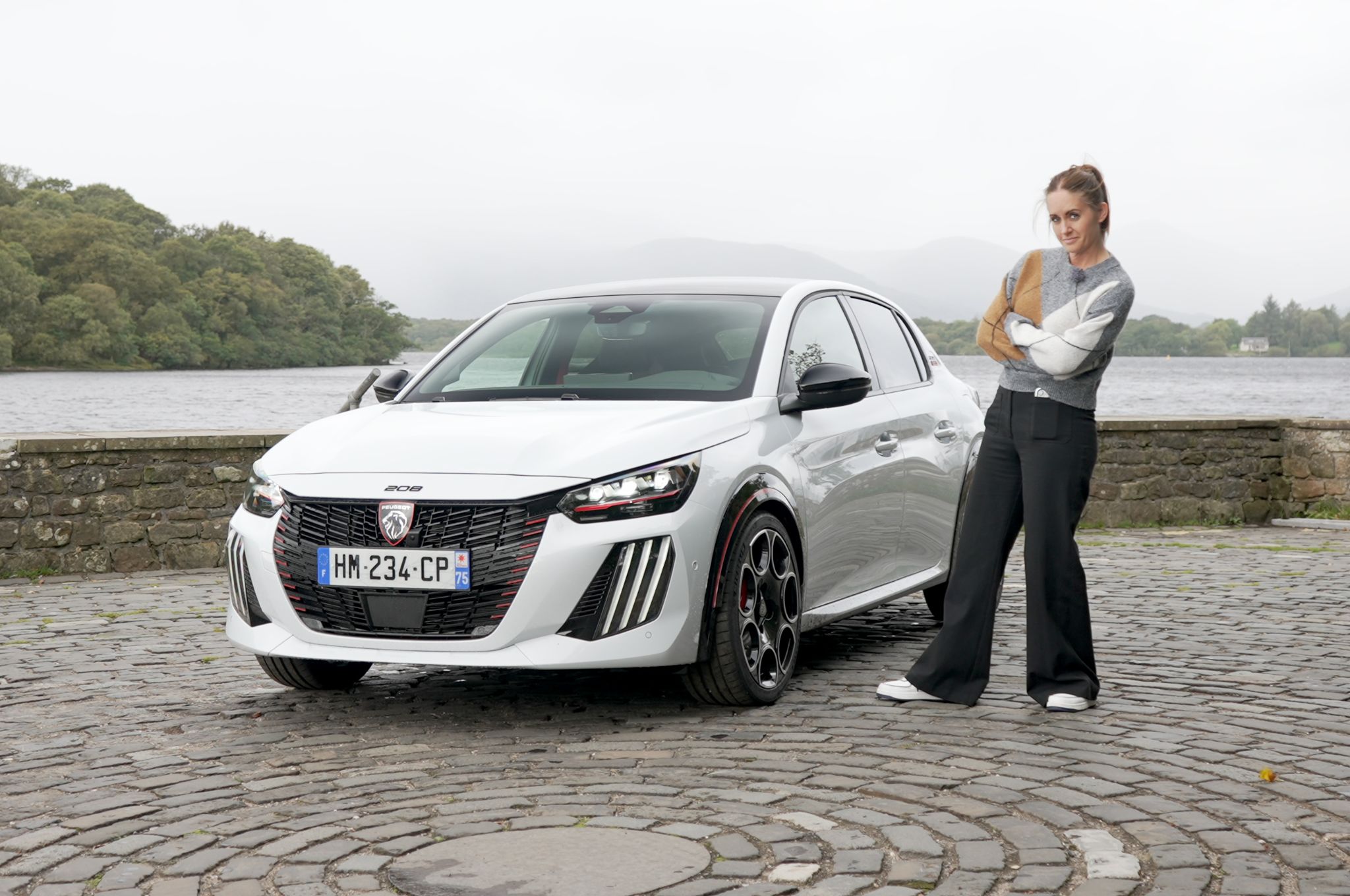



Introduction - Peugeot E-208
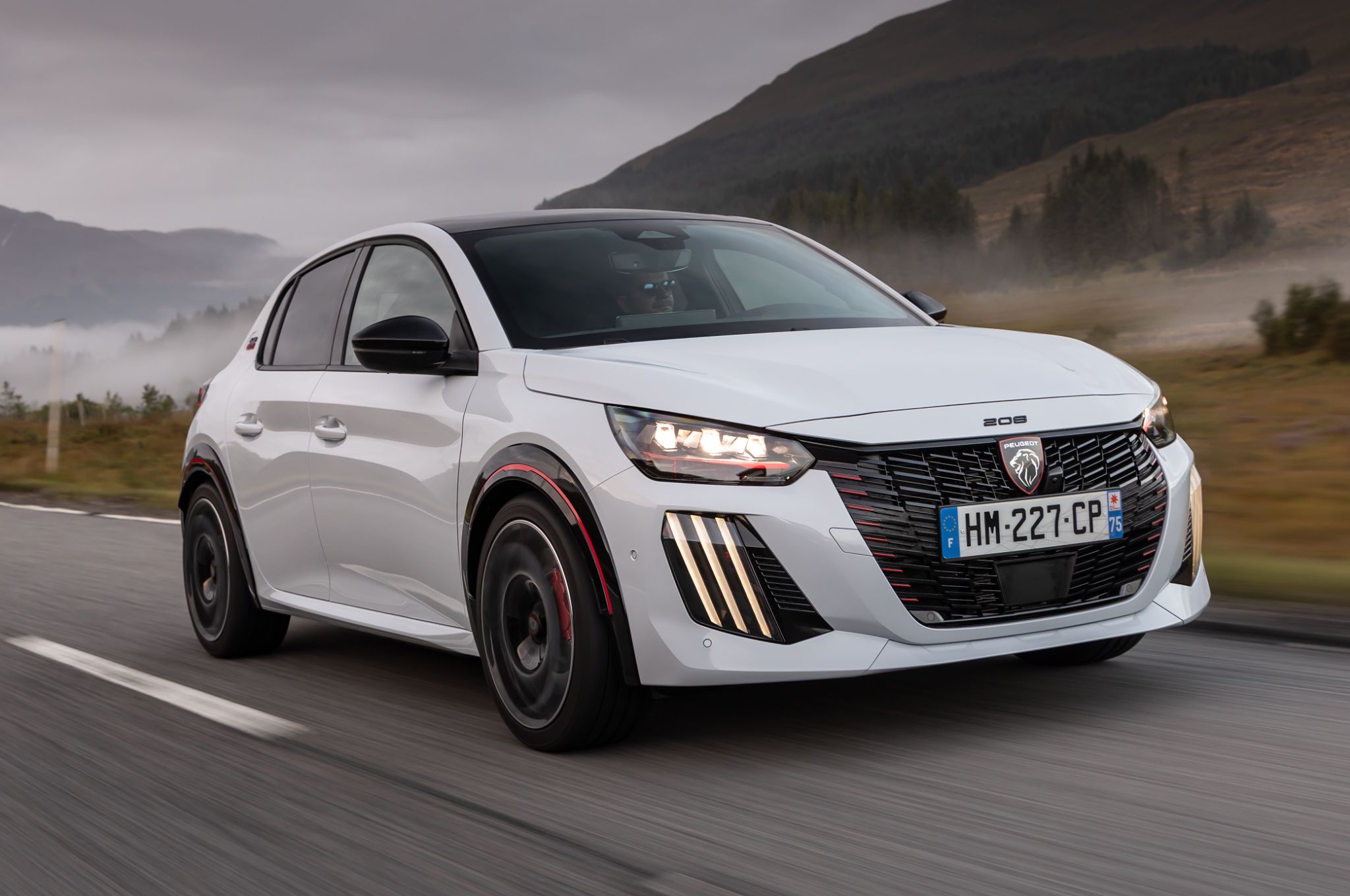
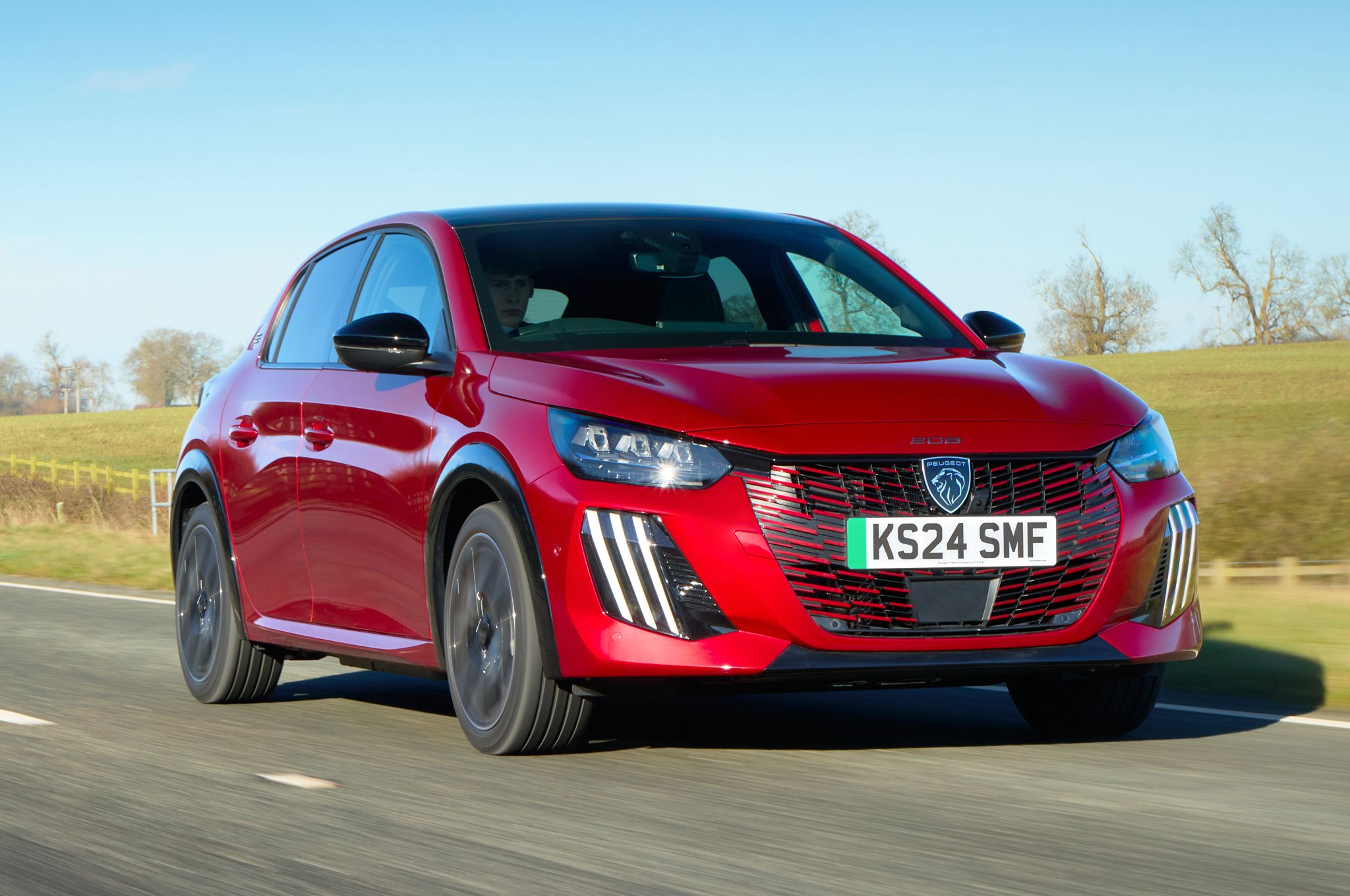
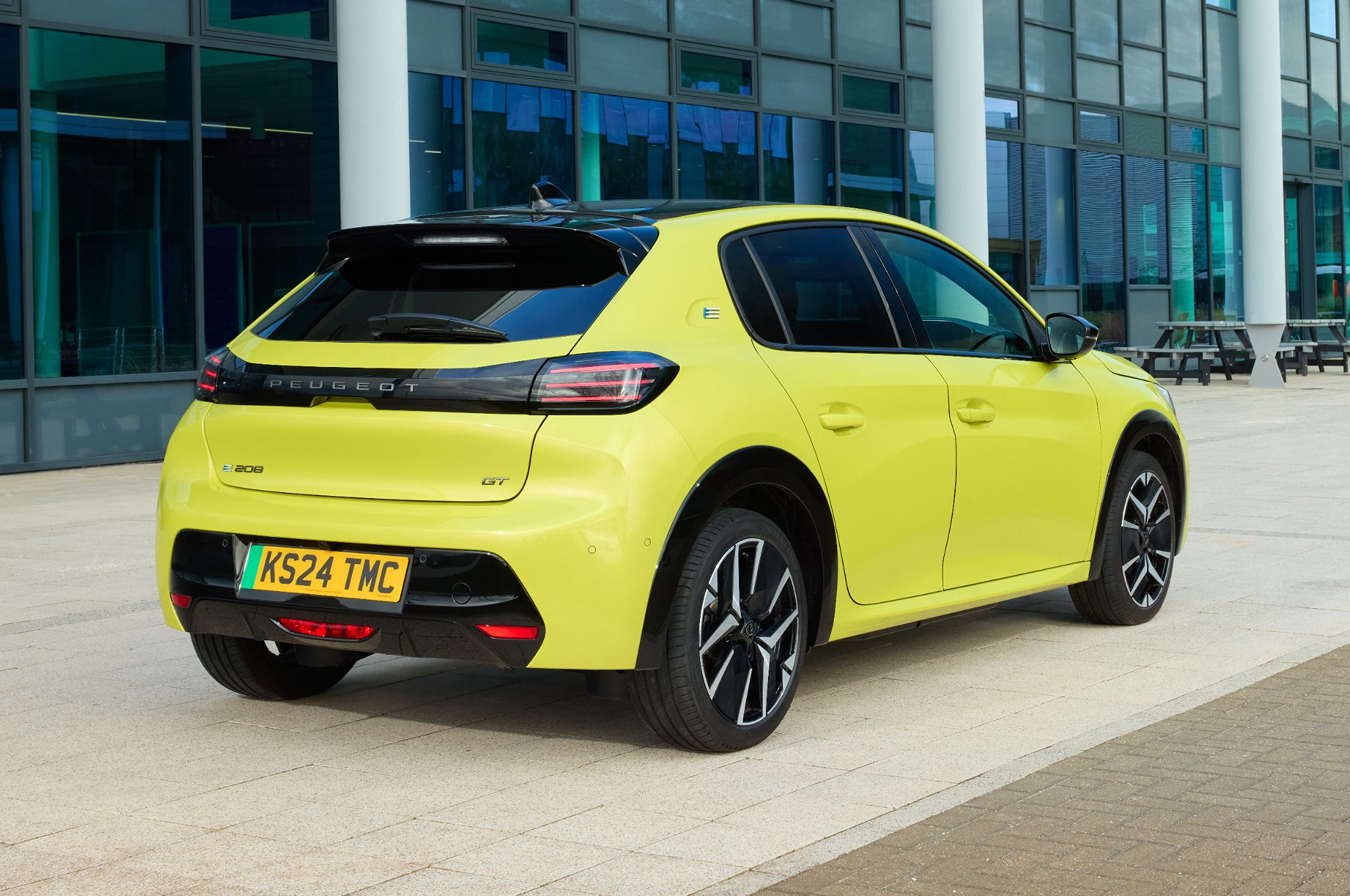
The Peugeot E-208 has been with us since 2019. It was one of those EVs that really demonstrated a change in electric cars from being slightly quirky early adopter tech to being… well, just great cars that ran on battery power. It even looks the same as the petrol 208!

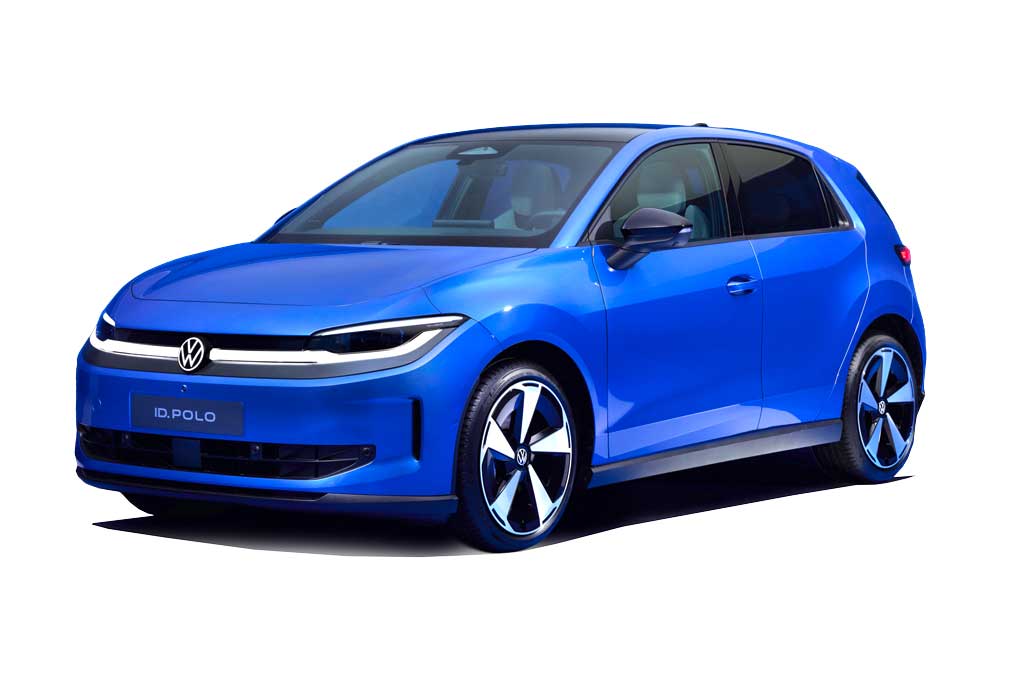
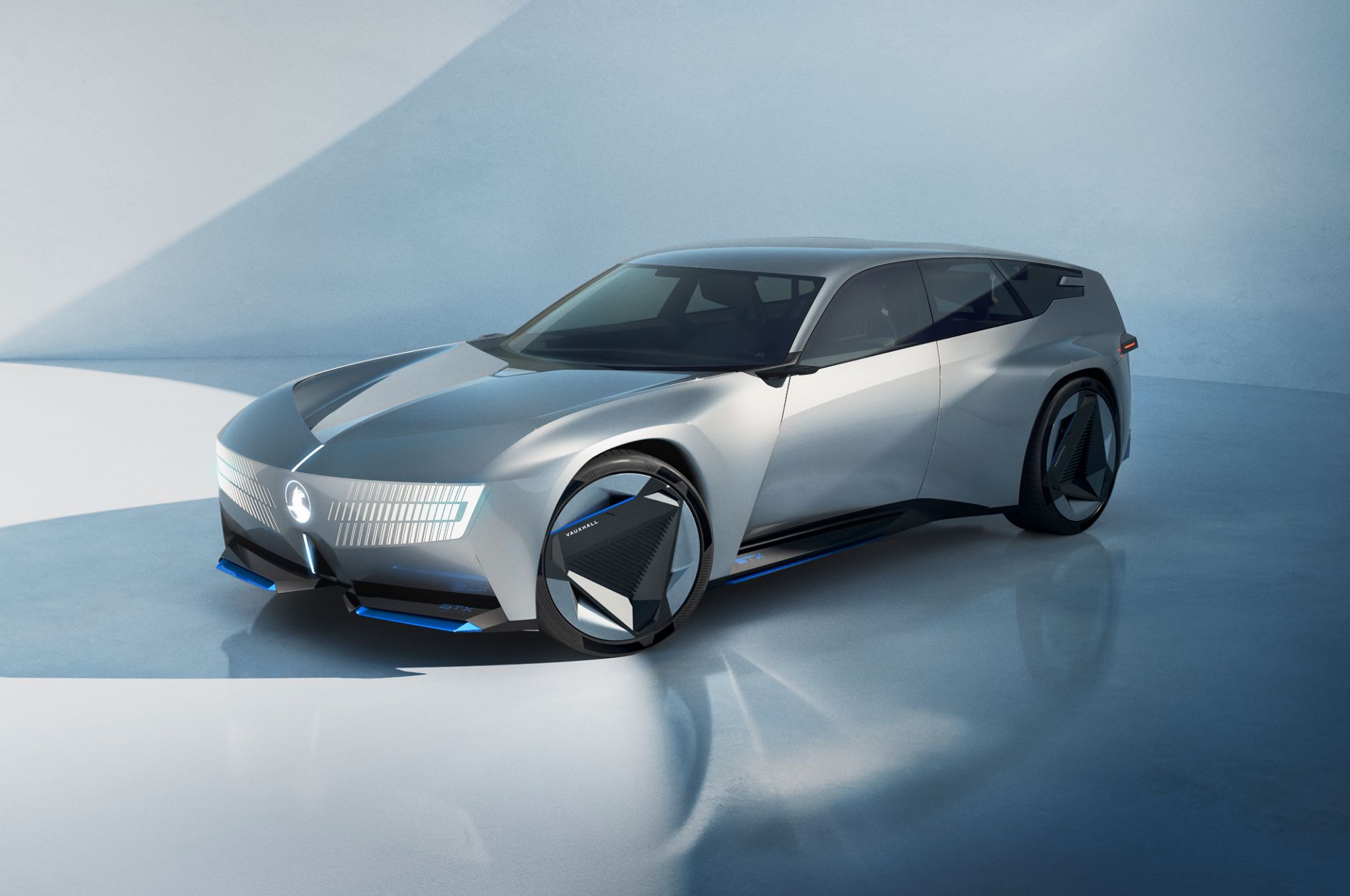
Of course, EV tech moves quickly and there is a kaleidoscope of rivals that have arrived to challenge the E-208 since then, but Peugeot has kept its compact electric hatchback up to date so it’s still a solid option despite new alternatives like the VW ID.Polo, Renault 5, Cupra Raval, MG4 Urban, Geely EX2, BYD Dolphin and many more. In fact, there are lots of new alternatives from within the Stellantis manufacturing group that owns Peugeot including the Citroen e-C3 and e-C3 Aircross, Vauxhall Frontera and the Vauxhall Corsa that shares the same platform, price range and ‘conventional hatchback’ attitude as the E-208.
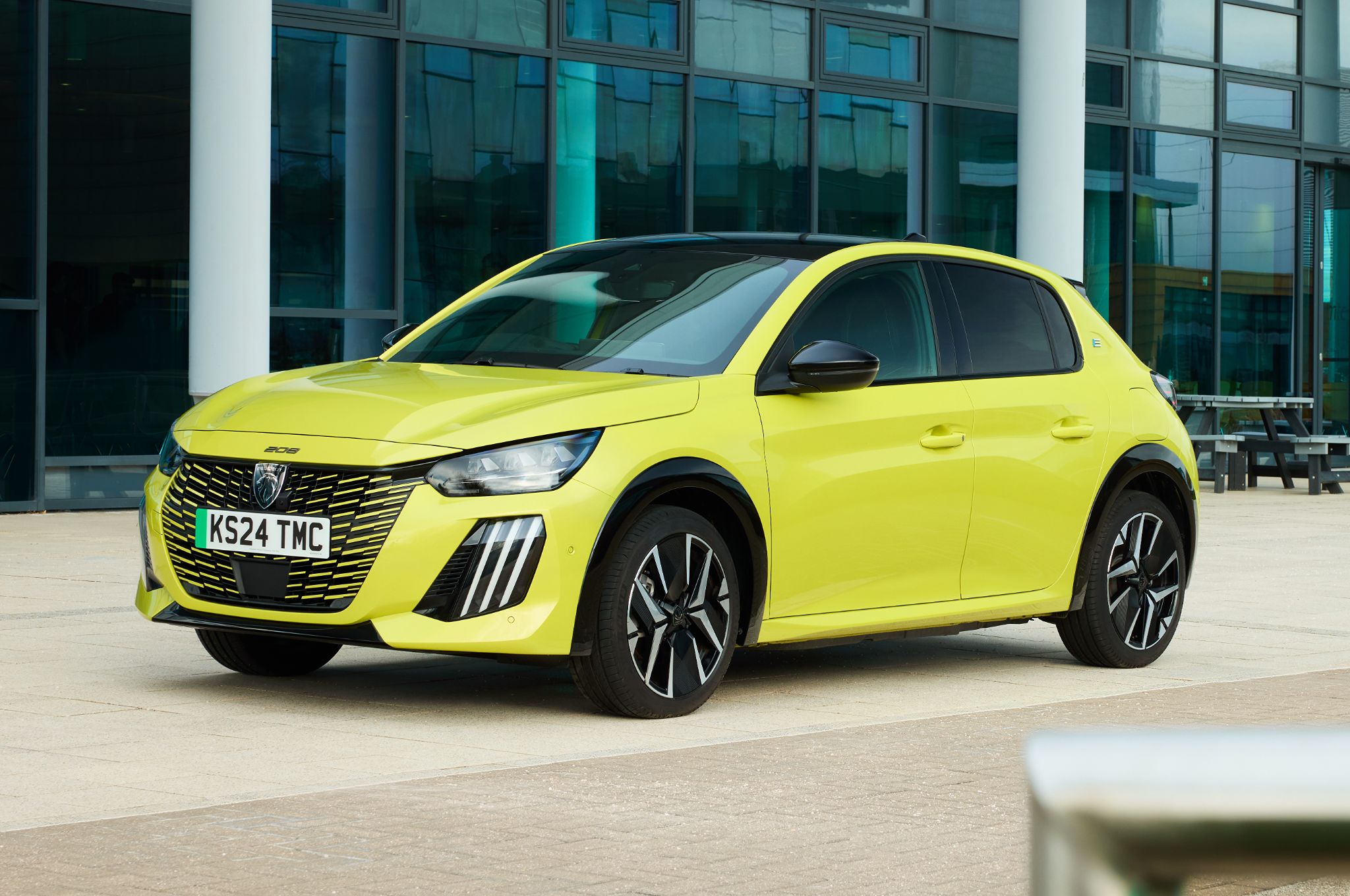
The Peugeot's big attraction is that it feels a little more special than your average supermini. I think it still looks fresh, sporty and modern, while the cabin has enough interesting materials and quirky details to make plenty of bigger, more expensive cars look rather unimaginative. And don’t forget that there’s now a Peugeot E-208 GTi, too. With 281hp and 0-62mph in 5.5 seconds, it's an altogether more serious – and expensive – proposition. Nic’s spent time in that to find out if can live up to the legend of the GTi badge, so check out the separate review and video for that!
Range, battery and charging
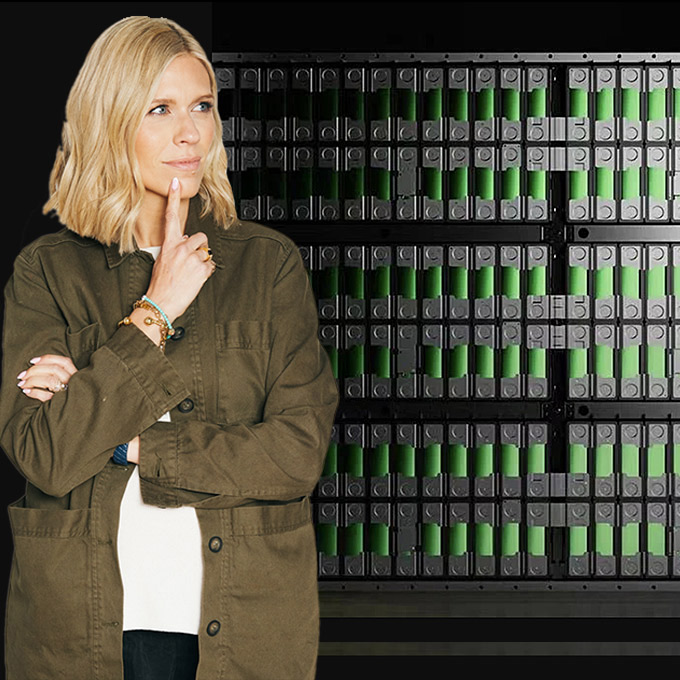
The Peugeot E-208 offers two powertrains. The 136hp version has a 46.2kWh usable NMC battery (50kWh total capacity, which is what you’ll see quoted in all Peugeot’s material) and manages up to 224 miles WLTP range. The 156hp model has a 48.1kWh usable NMC battery (54kWh total) and stretches that to as much as 268 miles WLTP. That’s actually a fraction more range than you get in the updated, 2027 Renault 5 E-Tech, and is not far off what the VW ID.3 and Cupra Raval offer.

Real-world range will obviously be a bit different. I’d expect to see around 200 to 230 miles of range in summer depending on which battery you’ve got, while winter temperatures and solid motorway speeds will see that drop to around 140 to 170 miles. Oh, and while I’m talking about real-world range, the readout in the Peugeot can be rather optimistic. When I ran one of the early, smaller battery cars for a year, it would regularly tell me that I had around 230 miles of range when the battery was at 100%, but I always ended up getting more like 200 miles even if I drove to maximise efficiency.

Don’t trust the range that the readout gives you – especially with a full battery!
Both versions of the E-208 can rapid charge at up to 100kW, giving you roughly a 20-80% charge in around 25-30 minutes (equivalent to around 80- to 100 miles of real-world range). That's perfectly acceptable, although the VW ID.Polo, Skoda Epiq, Cupra Raval and Leapmotor B03X show that things are moving on with rapid charging speeds of around 130kW despite being in this small car class.
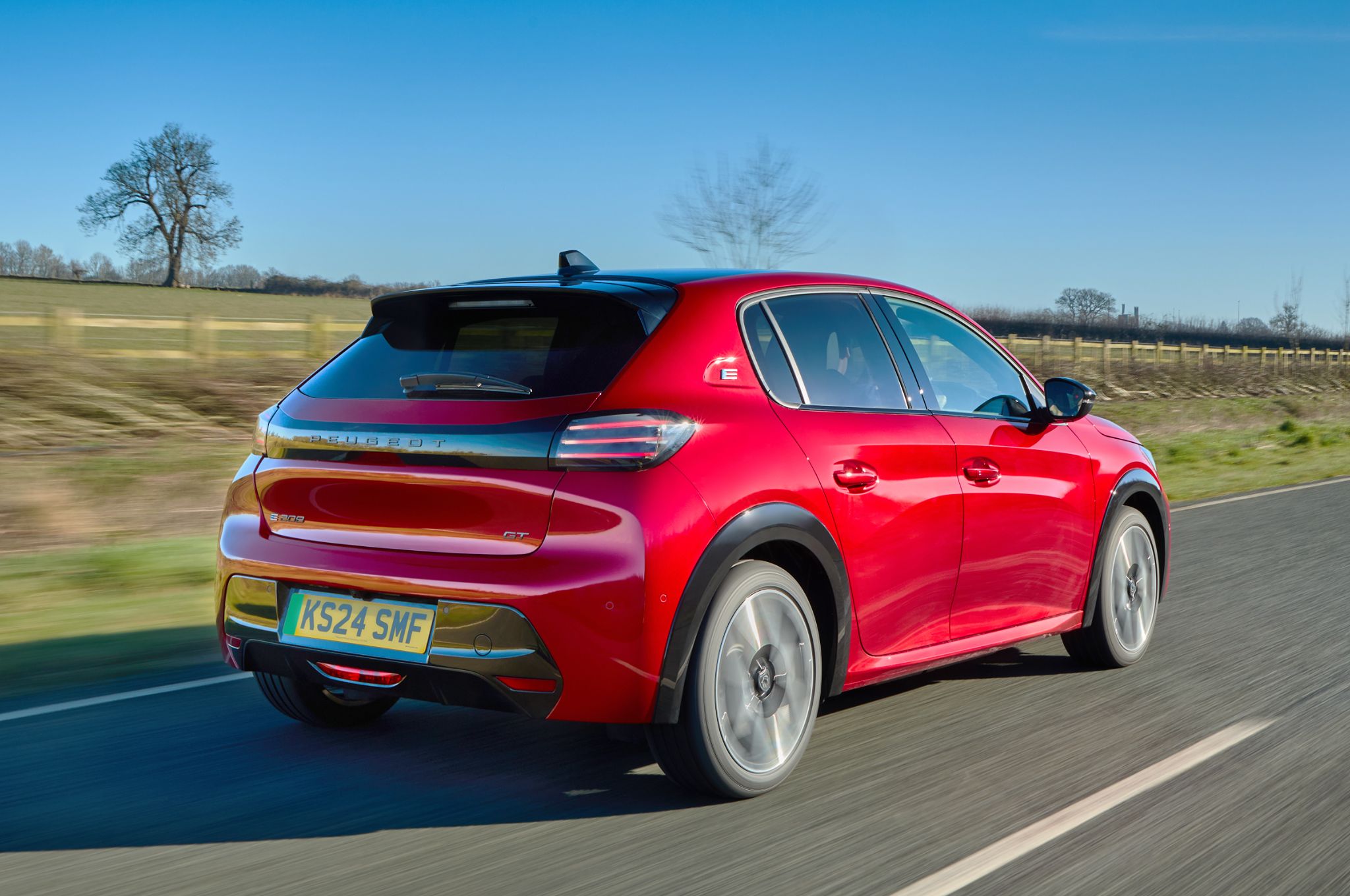
The charging socket is on the left-hand rear wing, and of course it uses the same Type 2 and CCS sockets as almost every EV, meaning that you can charge at just about any public or home charger in the UK and Western Europe.
There's no vehicle-to-load (V2L) facility, sadly! A heat pump, which helps to boost winter range with more efficient cabin heating, is only standard on the top-spec GT Premium trim.
Practicality and boot space
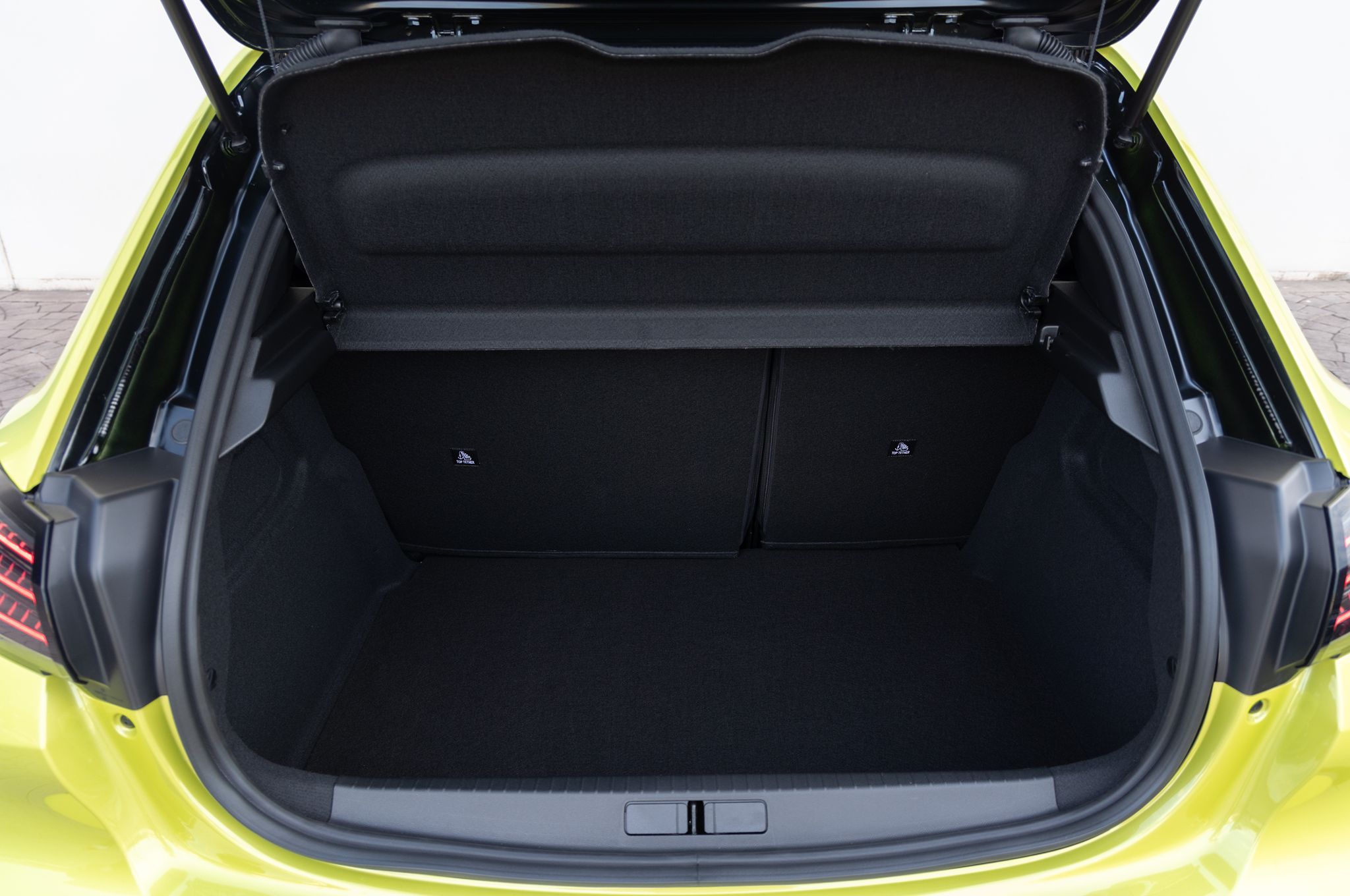
Here's something I rather like about the E-208: it feels entirely normal to live with. You don't have to sacrifice half the boot just because there's a battery underneath you. Mind you, boot capacity is 309 litres, increasing to 1,118 litres with the rear seats folded, and that’s quite a lot smaller than the boot space in a Skoda Epiq or VW ID.Polo. There's no front boot, or ‘frunk’, either. So your charging cable has to live with the luggage.

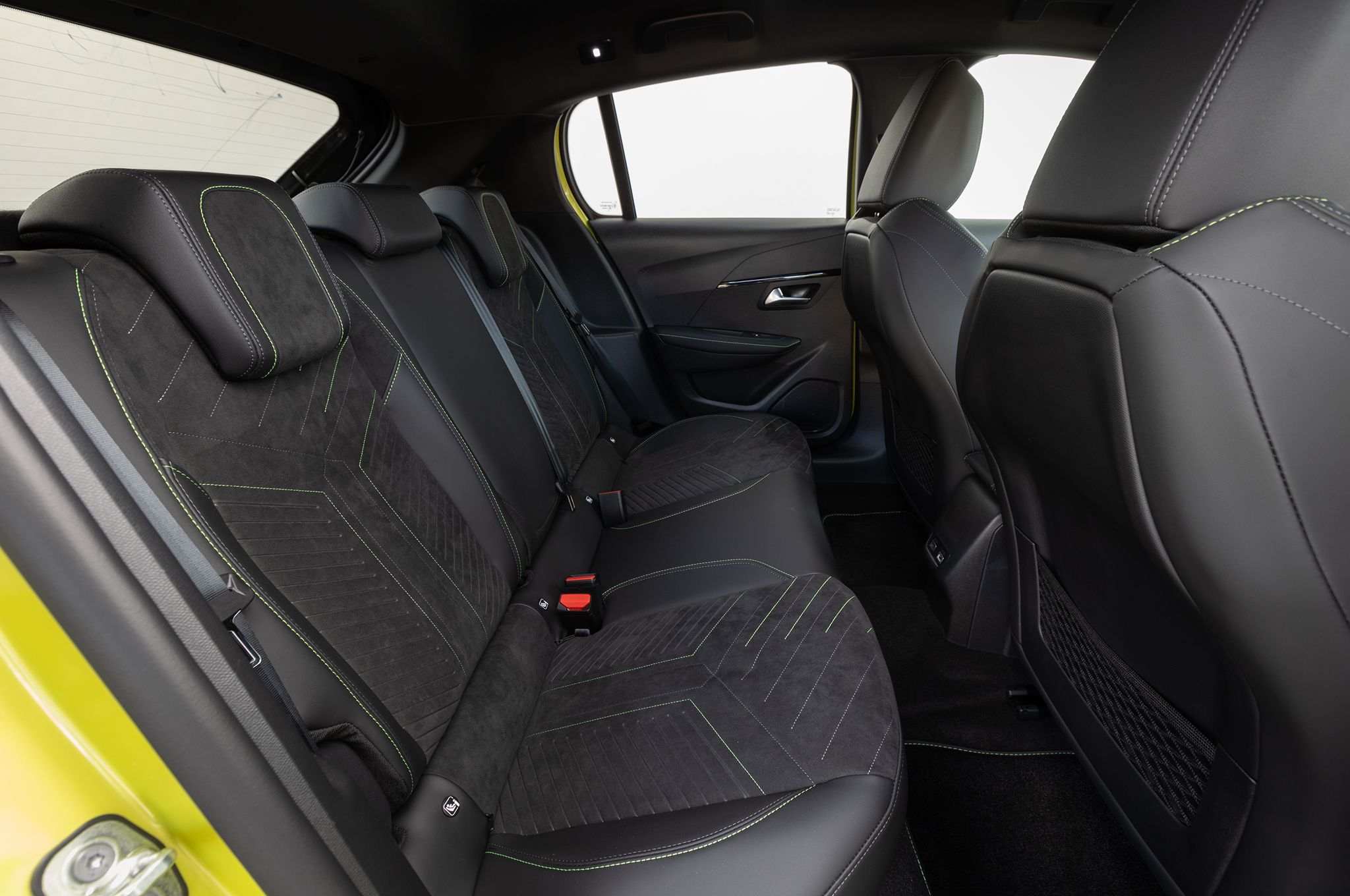
Storage around the cabin is reasonable rather than outstanding, with useful door bins and cubbies for everyday clutter, but rear passenger space is limiting. Children will be okay and adults can cope, but taller passengers will quickly realise they're in a supermini. More importantly, some of the really chunky car seats could be a bit of a squeeze, so do take your kids boosters and seats with you for a test drive to make sure that they fit okay. There are three sets of Isofix as standard, though, including a pair in the front passenger seat – which any parent of multiple kids will know is a huge asset to avoid arguments and to give the kids some space…
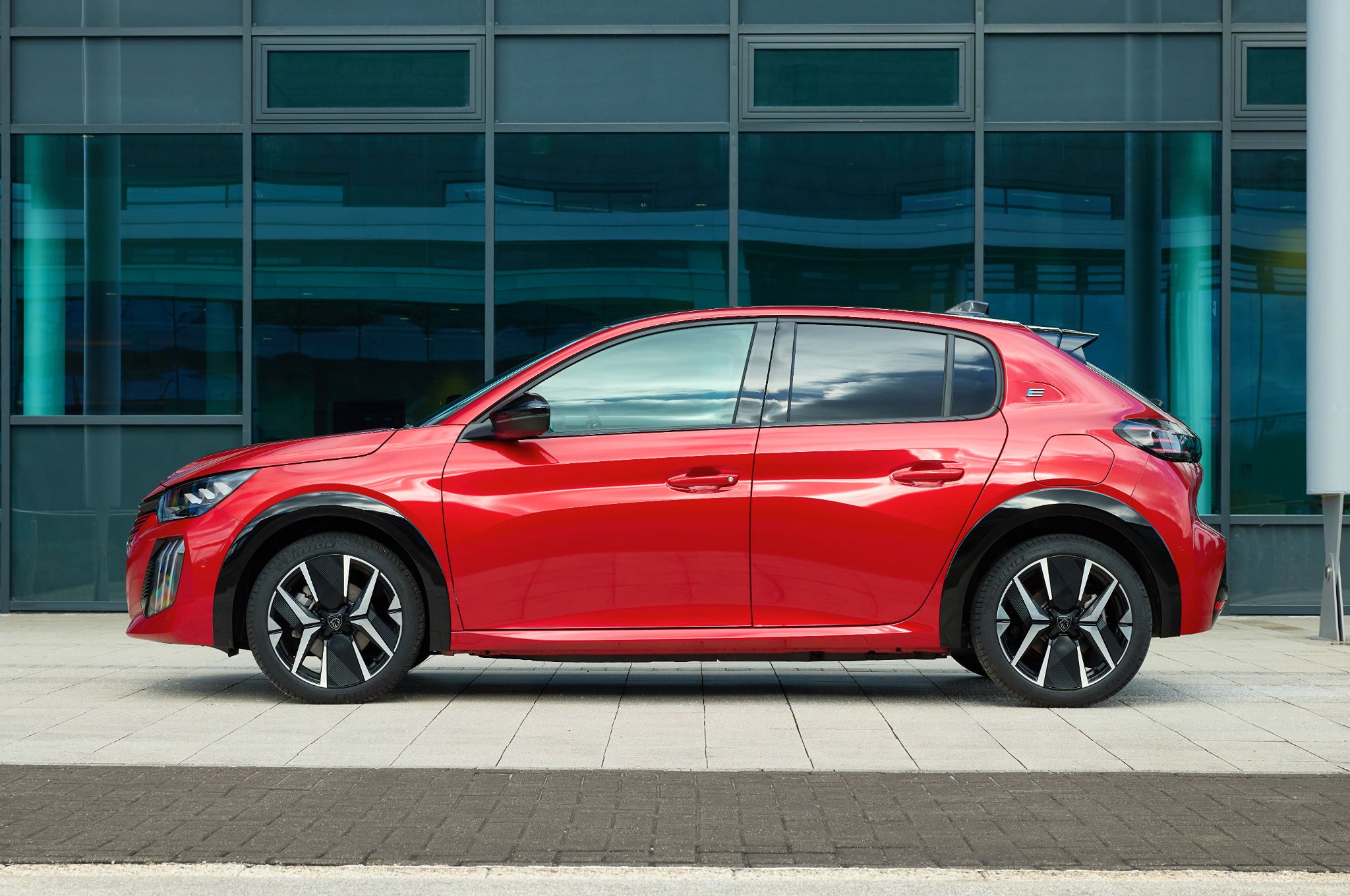
At just over four metres long the Peugeot is a very similar size to all of those rivals we’ve already mentioned, making it brilliantly easy to thread through town and park – even if there are cars out there (such as the Vauxhall Frontera and Citroen e-C3) with better visibility.
- Dimensions (L/W/H): 4.06m / 1.75m / 1.43m
- Max towing capacity: N/A
Interior, design and technology
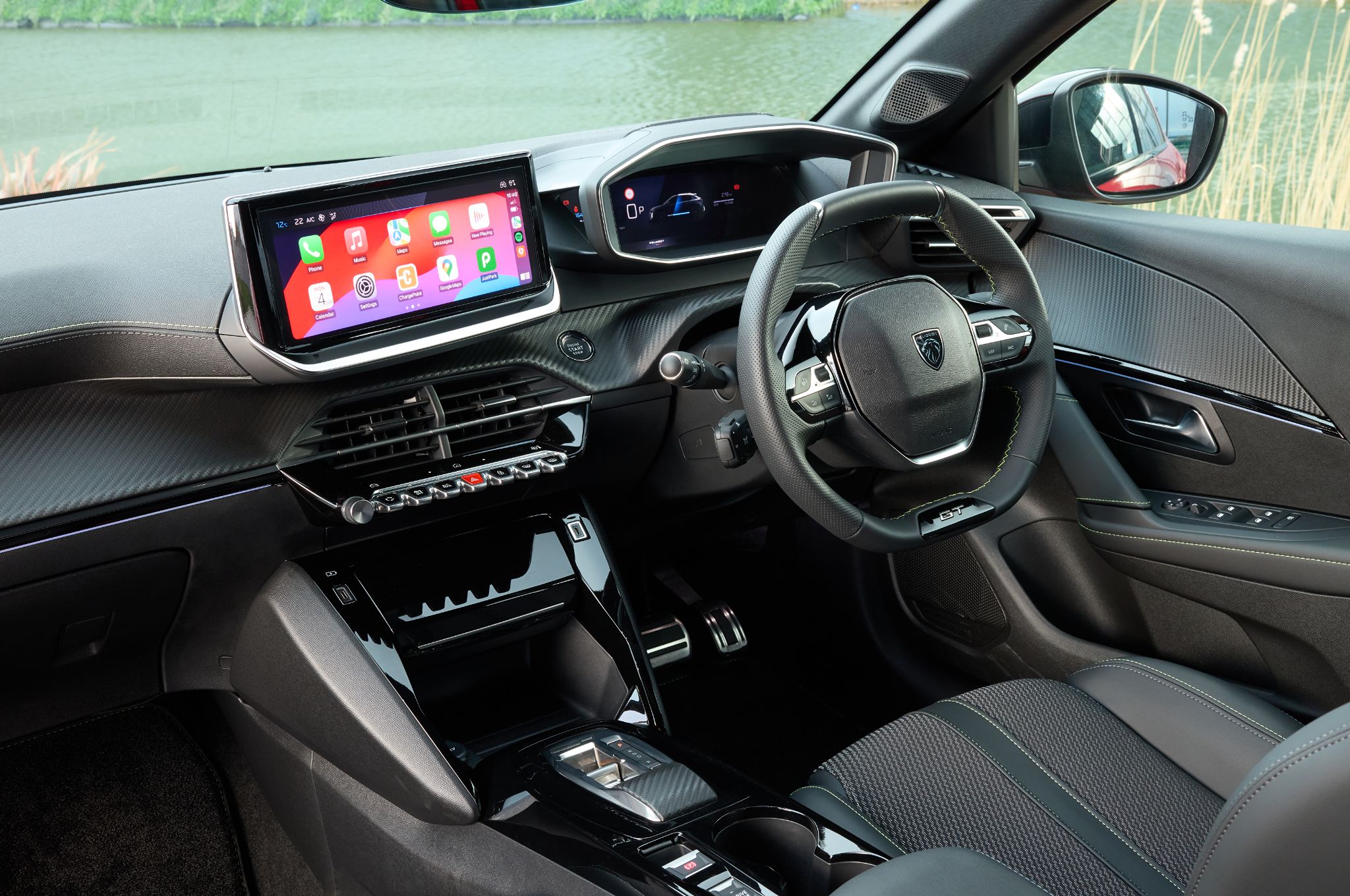
The interior remains one of the E-208's best bits. Peugeot's little steering wheel, high-mounted digital instruments and angular dashboard make the cabin feel far more interesting than the usual small-car fare.
The controversial bit is Peugeot's ‘i-Cockpit’ driving position. You're meant to look over the steering wheel at the instruments rather than through it and, depending on your height, that either works beautifully or leaves the wheel obscuring part of the display. Make sure that you have a drive before you commit to the E-208, as the driving position is definitely one of those things that you might love – or you might think is just plain weird and annoying.

There's a 10-inch central touchscreen complete with wireless Apple CarPlay and Android Auto, which is great as it means you don’t often have to interact with the slightly dated and not terribly intuitive native infotainment. It’s not terrible, but the graphics aren’t great, and I just find it too hard to figure out simple things – like how to dim the screen, how to change your driver assist settings… All of that stuff.
Yes, the piano-key shortcut switches help but I’d still prefer a more logical menu setup, and some physical climate controls. Actually, the Vauxhall Corsa has a more user-friendly interior layout, so if you like the Peugeot but can’t get on with the driving position and dash layout, do have a look at the more sensible but less glitzy Vauxhall.
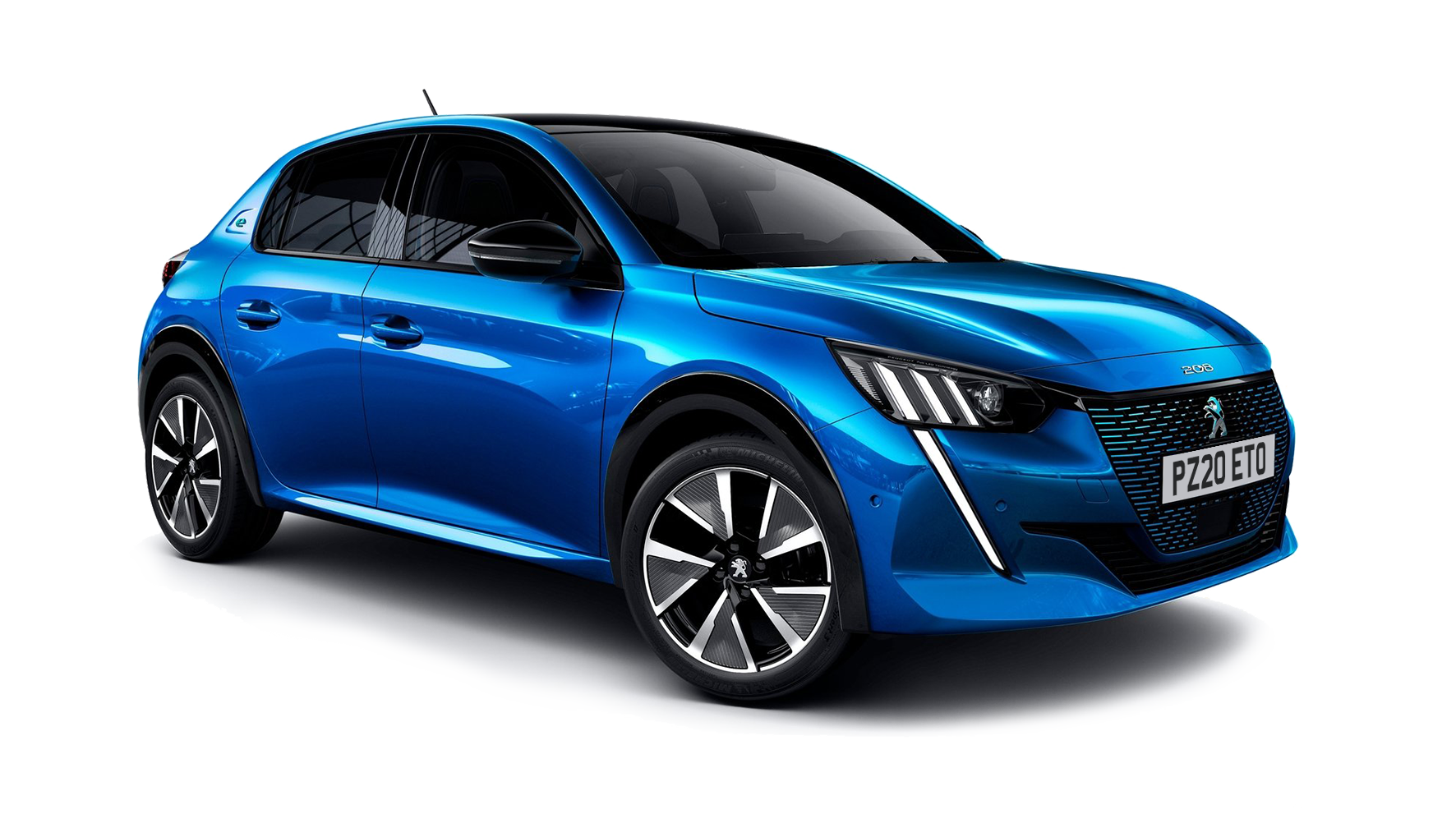
Quality is impressive in the E-208, particularly in the higher trims. Maybe it doesn’t have the outright character and design flair of the Renault 5, or the fancy lighting of the Cupra Raval, but it feels really classy in the little electric Peugeot, and I think it still looks cool, too!
Safety equipment includes autonomous emergency braking, lane assistance and driver-attention monitoring, with additional assistance systems depending on specification. The 208 received four stars from Euro NCAP in 2019, with that rating also applying to the E-208. It only missed out on five stars as entry-level cars didn’t get autonomous emergency braking at the time of launch, but it does now have that included, and the crash test results and safety equipment were scored highly beyond that. So don’t write the E-208 off as a car with poor safety – it’s very competitive on that front and has all the safety kit you want.
I should also mention that Euro NCAP changed the way it tests and scores cars as of early 2026, so results from before that can’t be compared directly with cars tested under today's tougher protocols.
Motors, performance and handling
There are three Peugeot E-208 models available, now. All of them are front-wheel drive and good fun to drive! The regular E-208 136hp does 0-62mph in around 8.1 seconds, which is still plenty for a little hatchback and, like most EVs, it feels particularly nippy away from traffic lights.
The 156hp version takes around 8.2 seconds to reach 62mph. That sounds odd given the extra power, but outright acceleration isn't really the point of the newer motor; its improved efficiency and longer range are far more important. So, basically, it drives much the same. And that’s no bad thing as performance is vigorous but friendly, with nice pedal responses that give you lots of confidence.

Then there's the new GTi, which turns everything up considerably. It produces 281hp and 345Nm, hits 62mph in 5.5 seconds and gets a proper limited-slip differential along with substantial chassis changes. Read Nic’s full E-208 GTI review to find out all about that, but suffice to say that the standard E-208 is still one of the sportier ‘everyday’ electric hatchbacks.
The tiny steering wheel gives it a keen, agile feel and there's lots of grip so that you can really relish chucking it round tight roundabouts or threading down a nice country road. The suspension can be firm over scruffy roads, particularly on bigger wheels, but it settles down nicely at speed.
The Peugeot E-208 does have regen braking, but it’s only very mild in default drive mode and then gets a bit heavier in ‘B’ mode. There’s no true one-pedal mode, though, available, although it isn't a true one-pedal system.
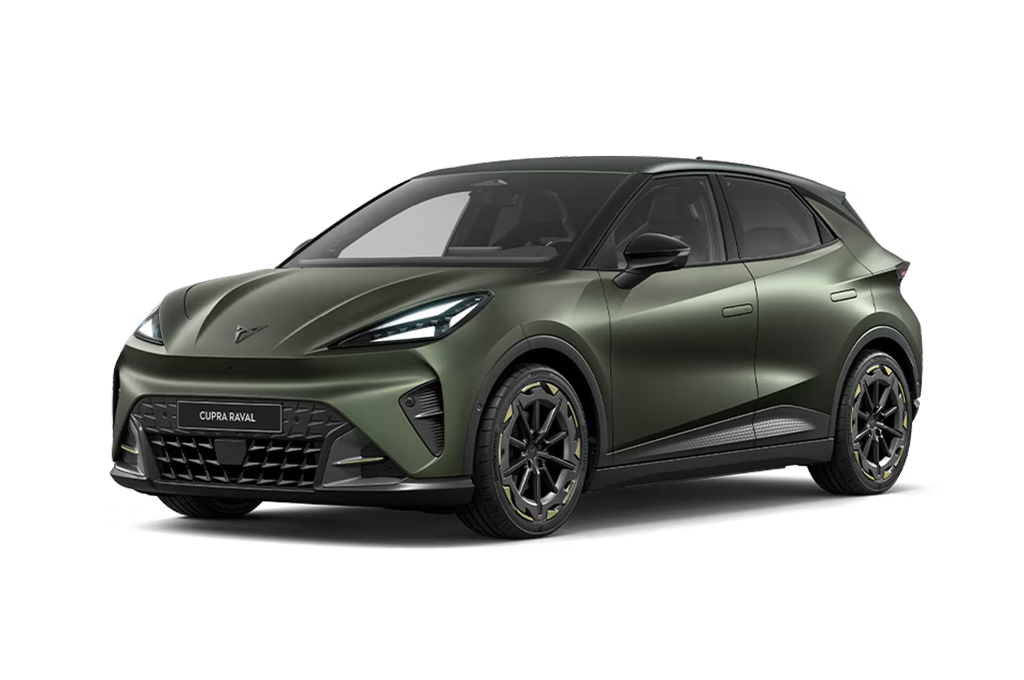
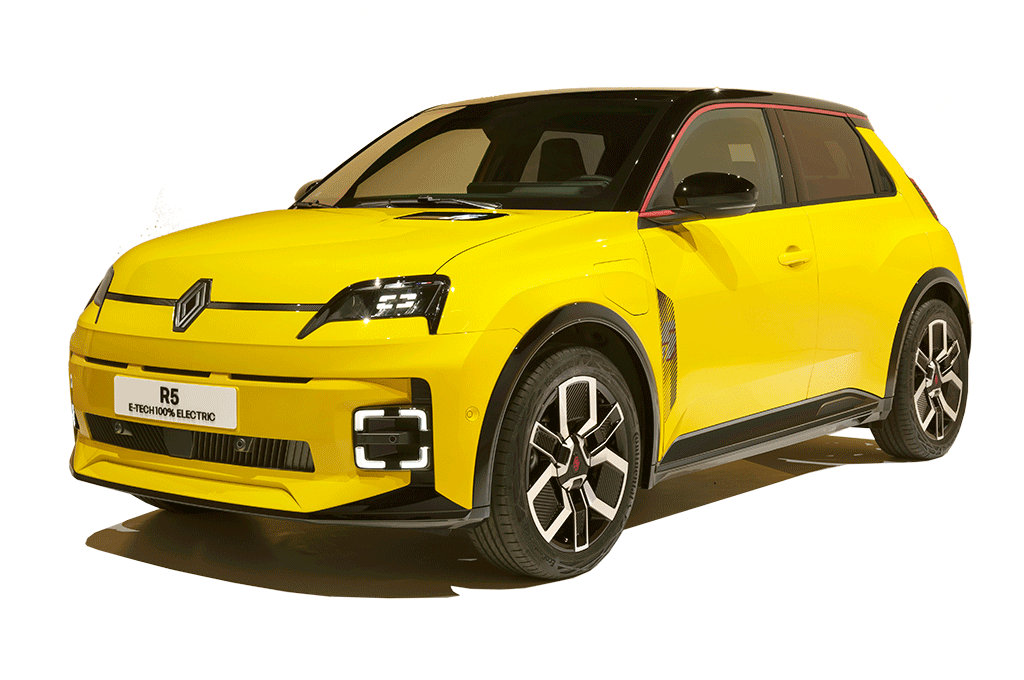
What I would say is that the Cupra Raval does offer an even sportier drive in an everyday electric hatchback. And the Renault 5 is also fabulous fun, and has slightly better ride comfort than both the Cupra and the E-208! So, if you’re after a small, affordable EV with really cool looks and a fun, zingy drive you’d be very wise to test drive the Cupra, Renault 5 and the Peugeot E-208. There’s not a bad car there, so you can take your pick of whichever you like best!
- Power: 136hp - 281hp
- 0-62mph: 8.2 – 5.5sec
- Powertrain: FWD
Running costs and pricing
The E-208 is eligible for £1,500 off with the UK car grant, so while we always state prices excluding the grant, you know that (for now) you can take that much off than to the plug-in car grant.
Prices for the E-208 Allure start at around £25,000, and you get decent equipment on that car including front-and-rear parking sensors, climate control, LED headlights, all the touchscreen and safety goodness that we’ve already mentioned, 16-inch alloy wheels and more.
GT adds a reversing camera, 17-inch alloy wheels, auto high-beam lights and ambient cabin lighting, as well as some other style upgrades. GT Premium adds a heat pump, Alcantara upholstery, heated front seats, electric seat adjustment with lumbar support – and even a massage function! - adaptive cruise control and blind spot monitoring among other extras. Just be careful that you’re not paying more than you should, if you go for this top spec car. Peugeot is replacing the E-208 within a year or two, and there’s a lot of newer competition out there.
Consider a used E-208 to get a brilliant value little EV - you can read our full used Peugeot E-208 review, here, and there are hundreds of used E-208s for sale on Electrifying here. or push for a really good monthly finance deal that’ll save you money over those newer alternatives if you really want a shiny new Peugeot E-208.
Peugeot offers a warranty of up to eight years and 100,000 miles on the car and the high-voltage battery system, subject to servicing at an official Peugeot dealer. That means you’ll need a first service after one year or 8,000 miles, followed by scheduled servicing every two years or 16,000 miles. It’s worth keeping up with the servicing to validate that long warranty, though! Only Toyota does better than that for a standard warranty, while Kia, Hyundai and MG are all close behind.
Verdict
The Peugeot E-208 is a small electric car that appeals to me for reasons that have nothing to do with spreadsheets. It has personality. The styling still looks fresh, the interior is interesting and classy, and it has that slightly cheeky, agile character that you want from a little Peugeot.
Fortunately, Peugeot has been realistic about pricing in light of how much competition is out there so you can get some great finance deals – or check out a used one, as they’re fantastic used buys.
If you want a compact EV that's efficient, stylish and actually quite good fun, the E-208 remains very easy to like.
 8
8
.jpg?width=300&height=185)