





 Battery size: 52kWh and 77kWh
 Miles per kWh: 4.04
 Max charge rate: 135 - 185 kW
 Range: 227 - 345 miles (WLTP Standard)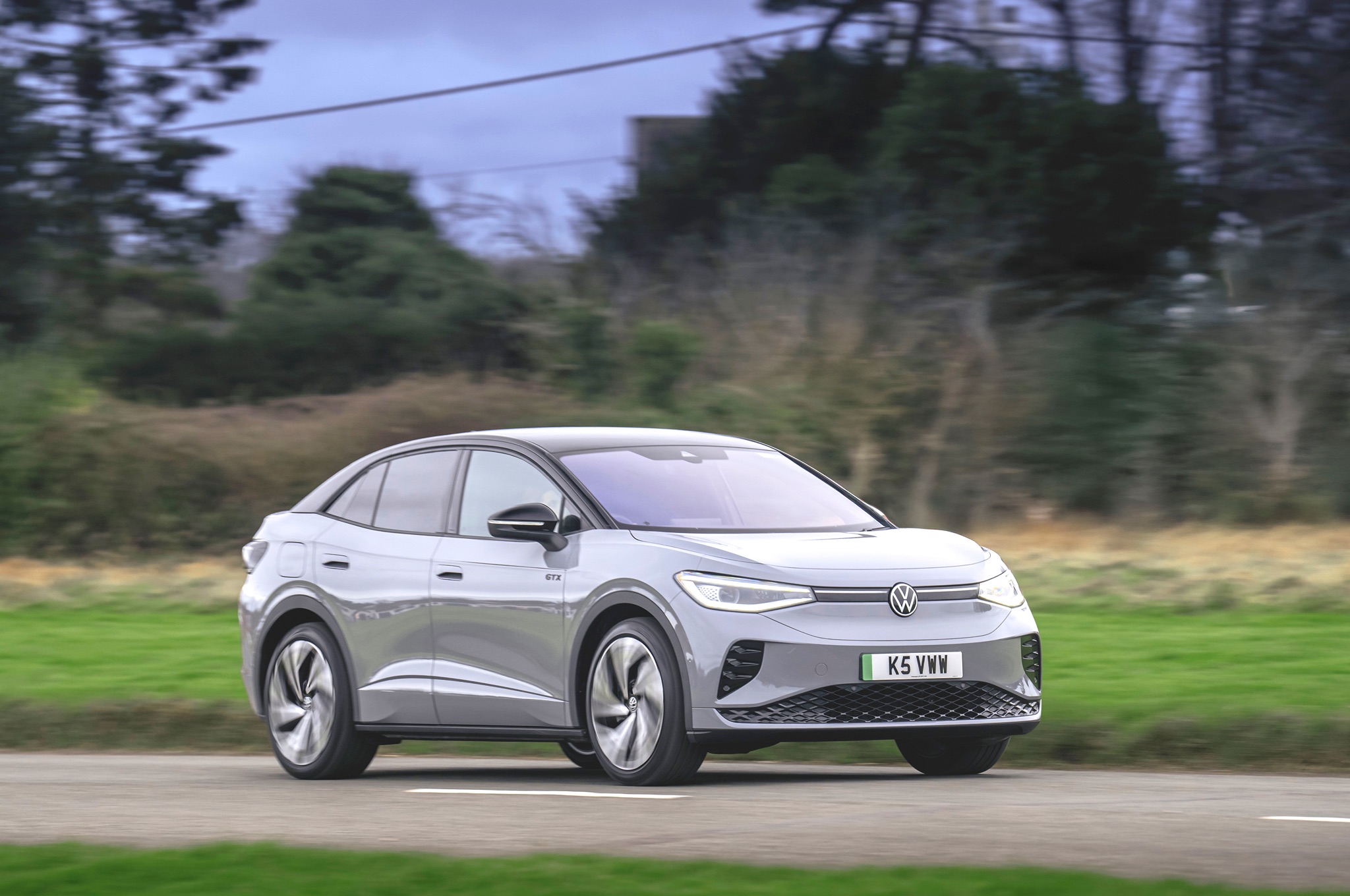
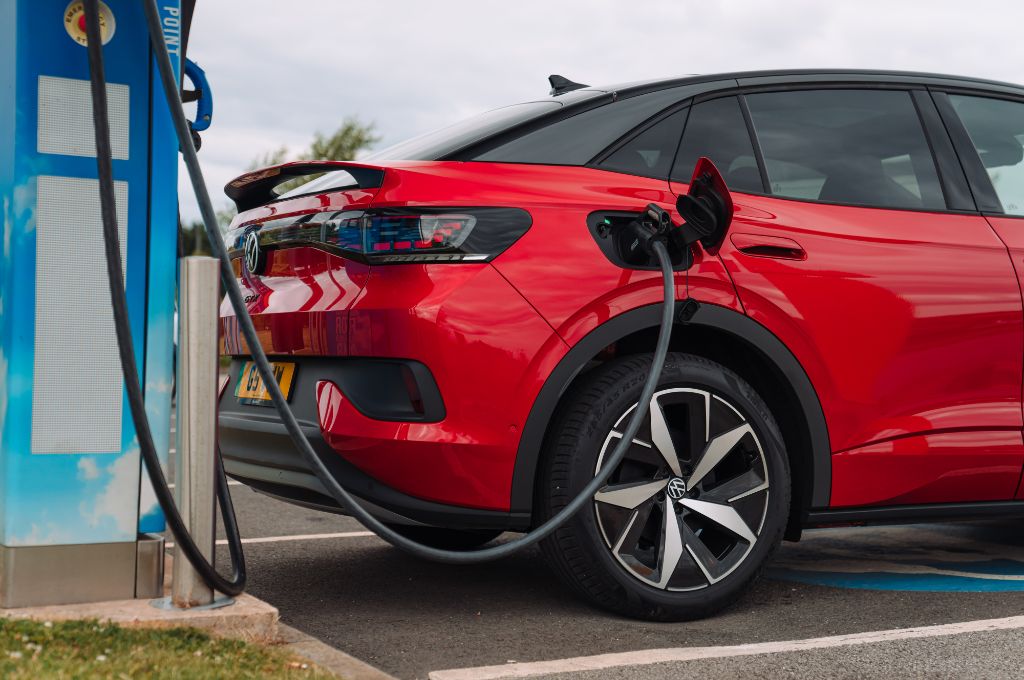
.jpg)
.jpg)
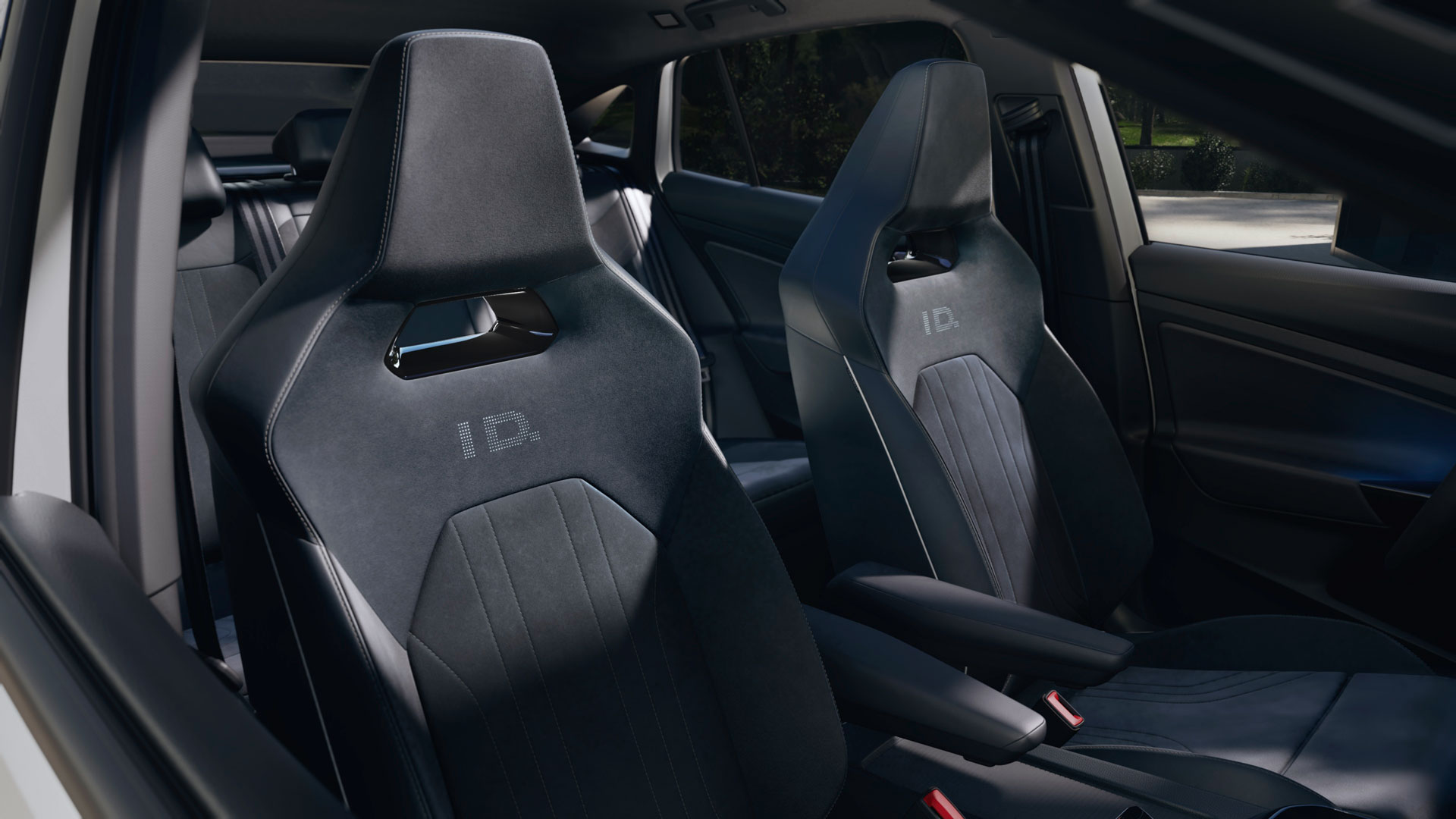



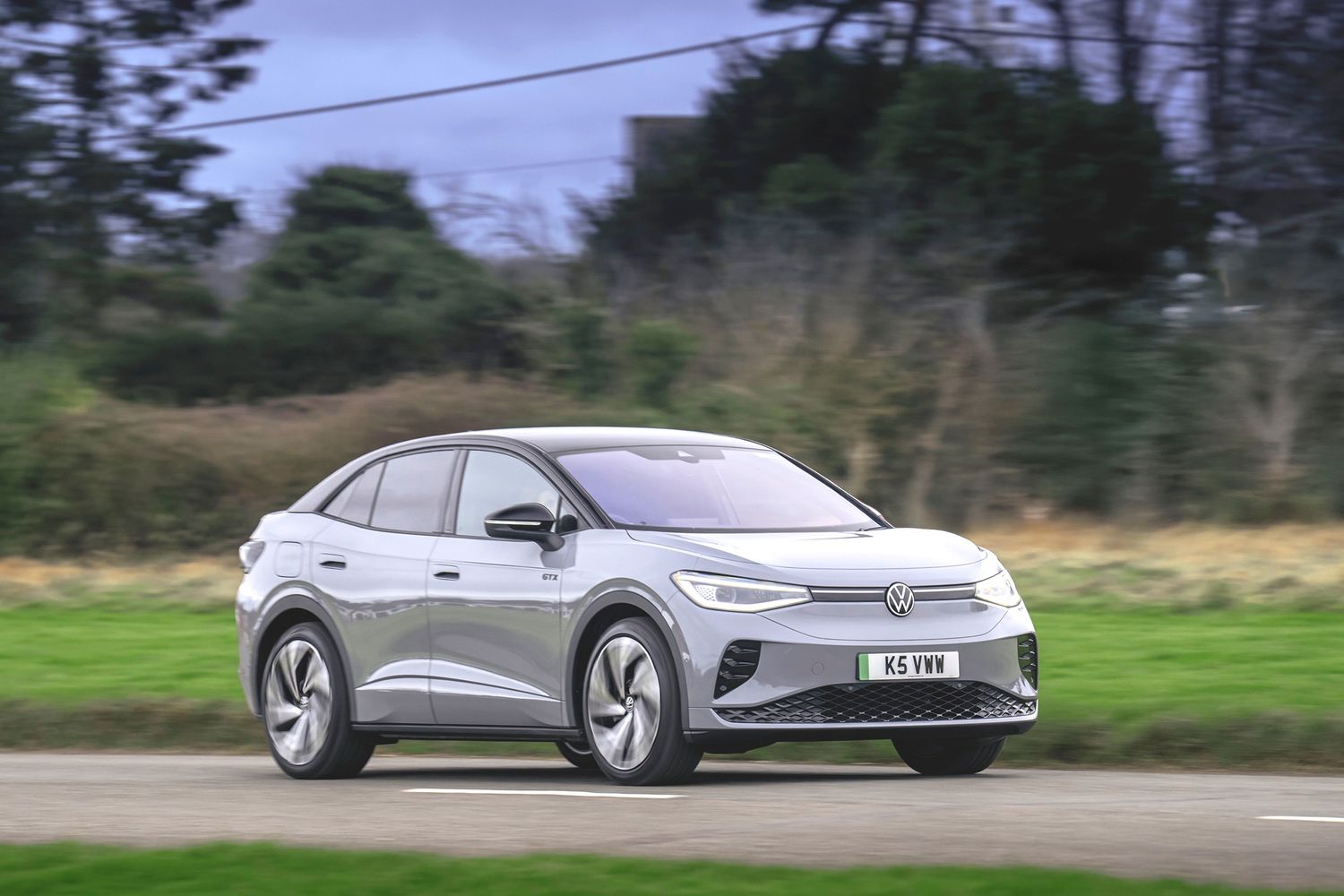
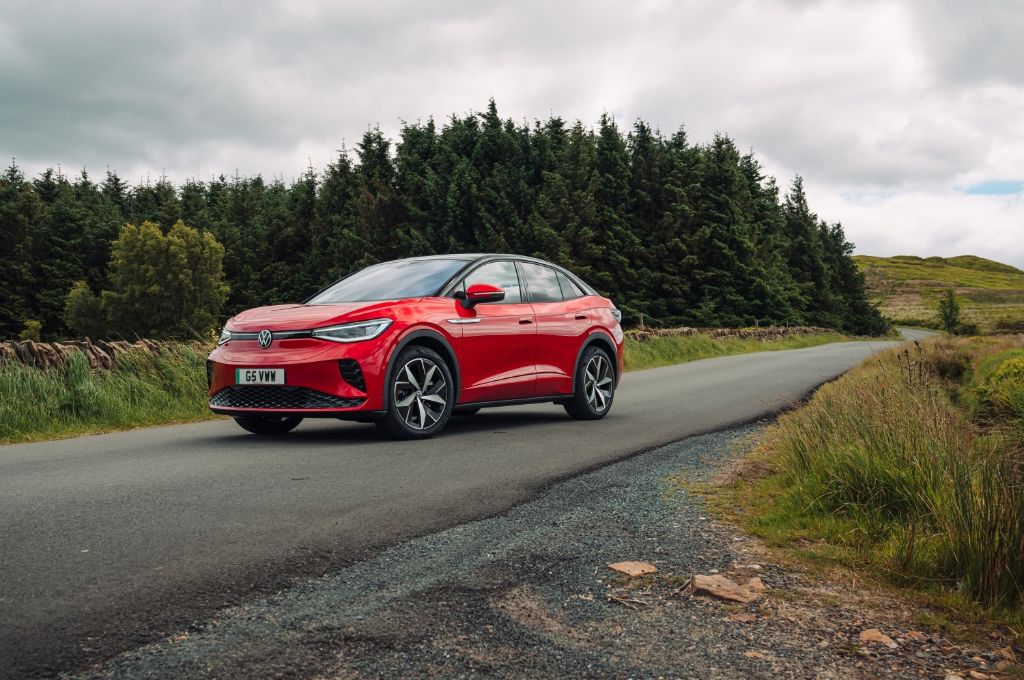
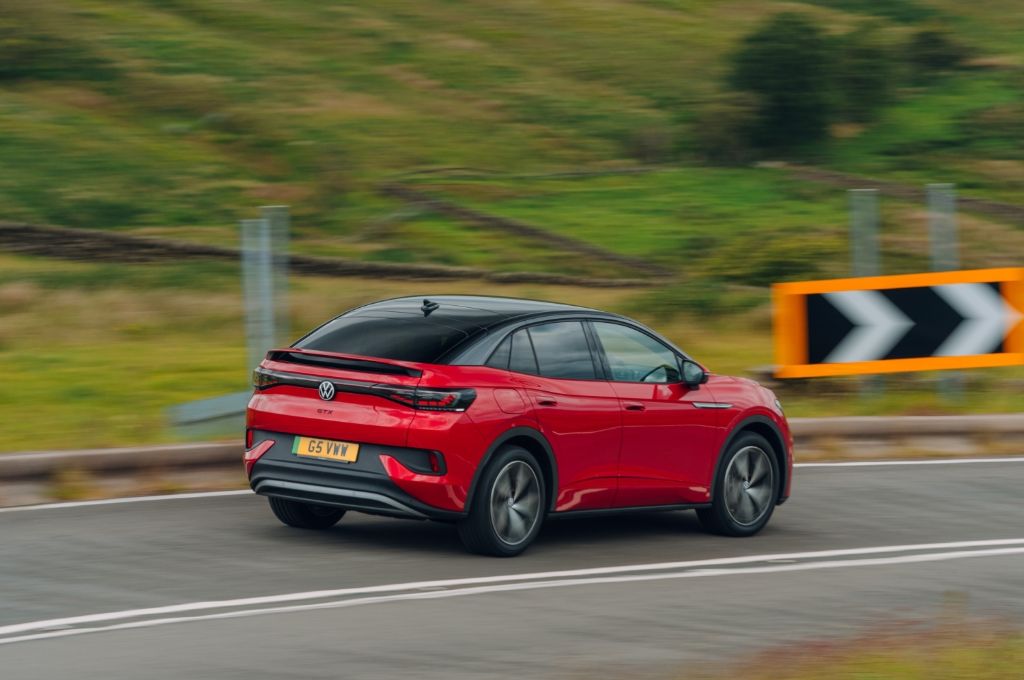
Can’t decide between a coupe and an SUV? The ID.5 thinks it can go one better than the ID.4, with a swoopier rear end which adds a bit more style - and oddly makes the car more efficient too.
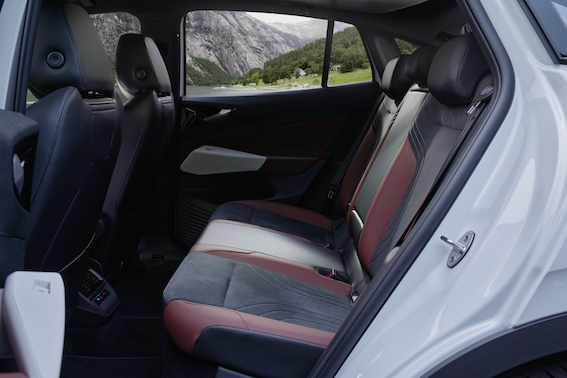
The boot is still hugely practical though, and you will only miss the boxier back end when you need to carry something tall like furniture or a big dog.
The ID.5 costs a little more than the 4 when new, despite having less metal and a missing rear wiper. Buyers pay more for them on the used car market too, with a premium of around £1,500 to £3,000 like-for-like.
What’s the real-world range of a used Volkswagen ID.5?
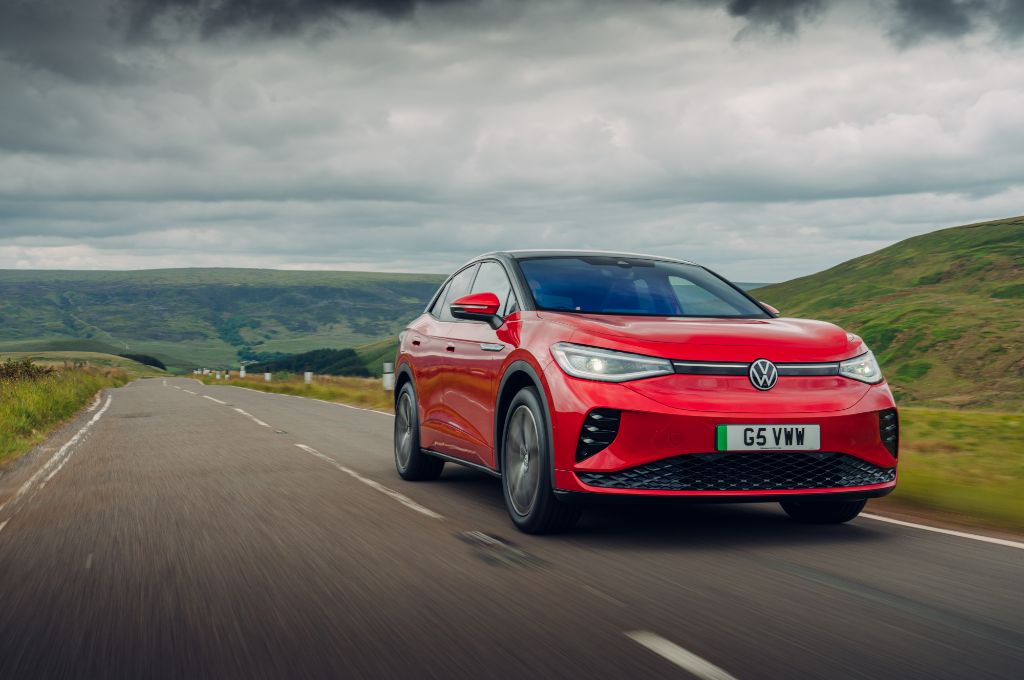
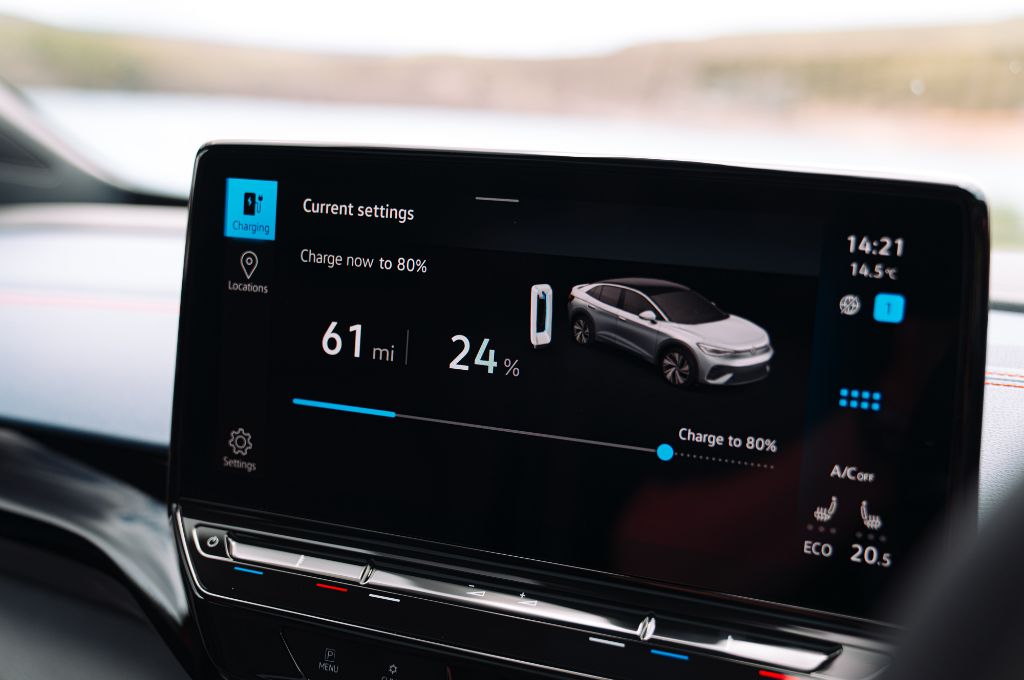
The ID.5 might not look much different from when it was first launched in 2021, but it’s had plenty of updates over the years - both big and small. In 2025 there was a new, smaller battery, with a 227 mile range, while the all-wheel drive ID.5 GTX arrived with 328 miles. Official efficiency is between 3.7- and 3.9 miles per kWh, which isn’t bad but not quite what you get from a Tesla Model Y.
As for real-world range, you’ll see around 260- to 320 miles from the ID.5 Match depending on conditions. The smaller battery ID.4 Pure should get around 160- to 200 miles, depending on the weather and conditions.
A heat pump is a £1,000 option when new but has negligible value on a used car, so is worth looking for a car with it fitted. Most dealers won’t even know.
How long will the battery on the Volkswagen ID.5? last?
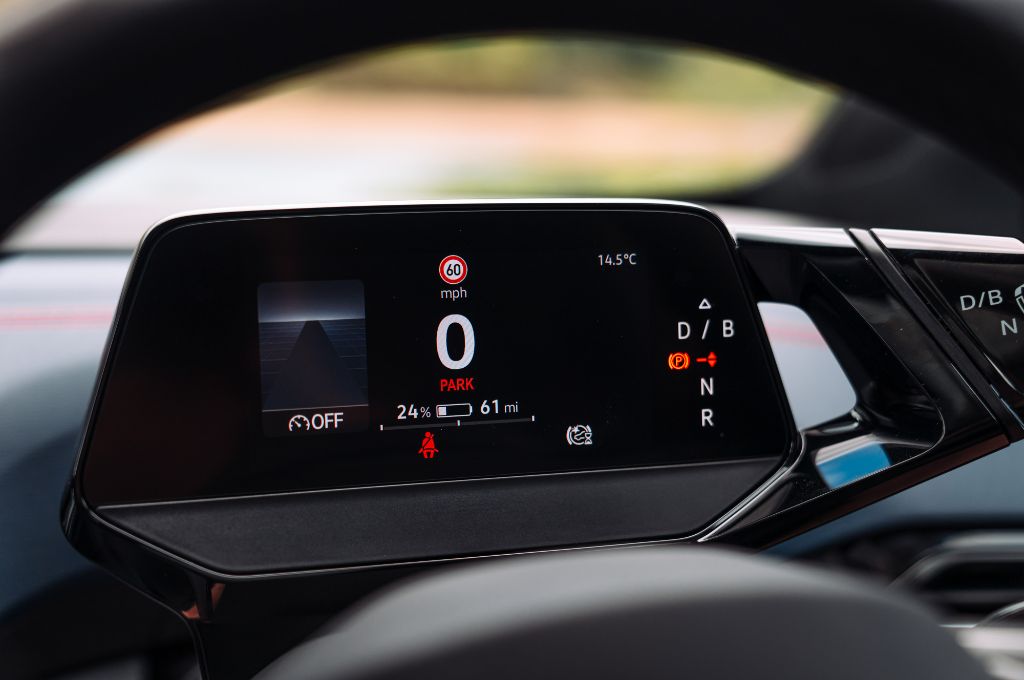
There are no reported battery issues with the ID.5, or any other car in the VW electric car line up. In terms of degradation you can expect roughly 1- to 2% of battery life loss each year, as your time with the car progresses, depending on the mileage and how you have been charging.
Many ID.5s will have been used as company cars so may have higher miles. I spotted a three year old car with a whopping 72,000 miles and the battery check showed it still had 94% life.
How reliable is a used ID.5 and what are the common problems?
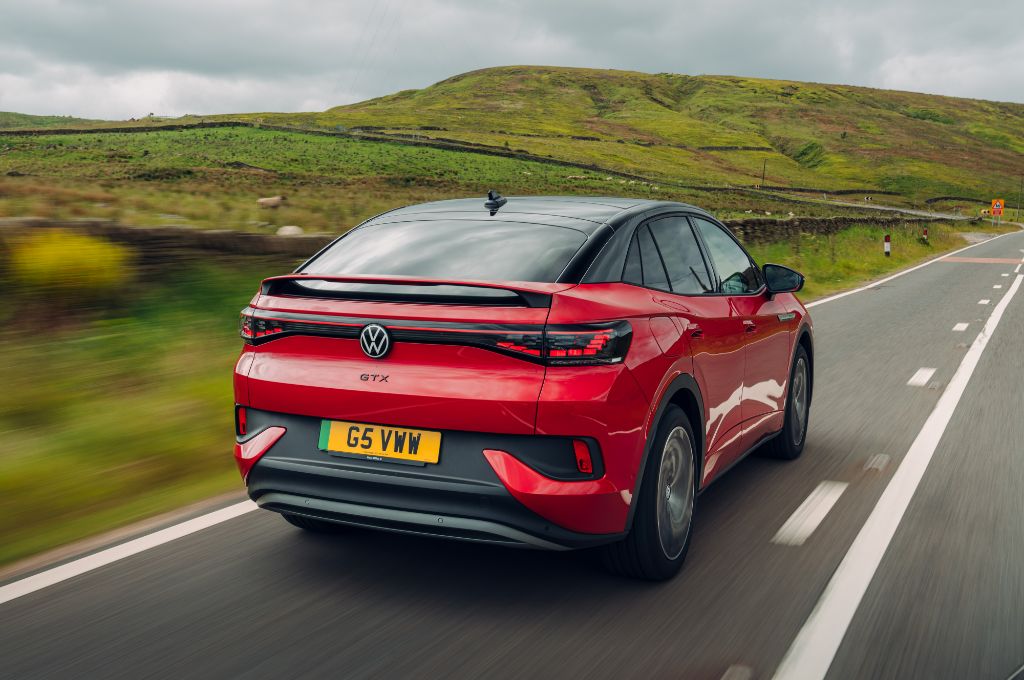
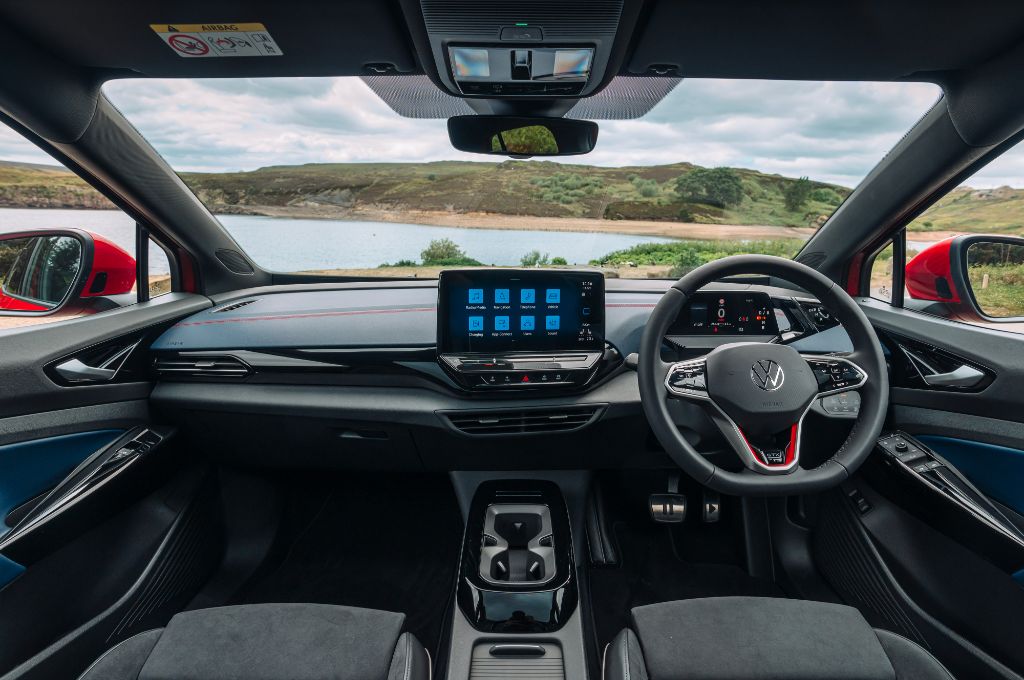
There are no huge red flags around reliability. But you will want to make sure you can get on with the software and switches. The issues are well documented and should’ve been fixed either at a dealer or over the air, but that doesn’t fix the sometimes infuriating lack of proper switches.
Bear in mind that the ID.5 has massive two year, unlimited mileage service intervals. This is great for your pocket as the maintenance costs less, but if you are buying used you might want it to have been looked at recently rather than when it’s not seen a mechanic for nearly 24 months. A lot can go wrong in that time with tyres, brakes and suspension through neglect or even potholes.
Which is the best version to buy?
.jpg)
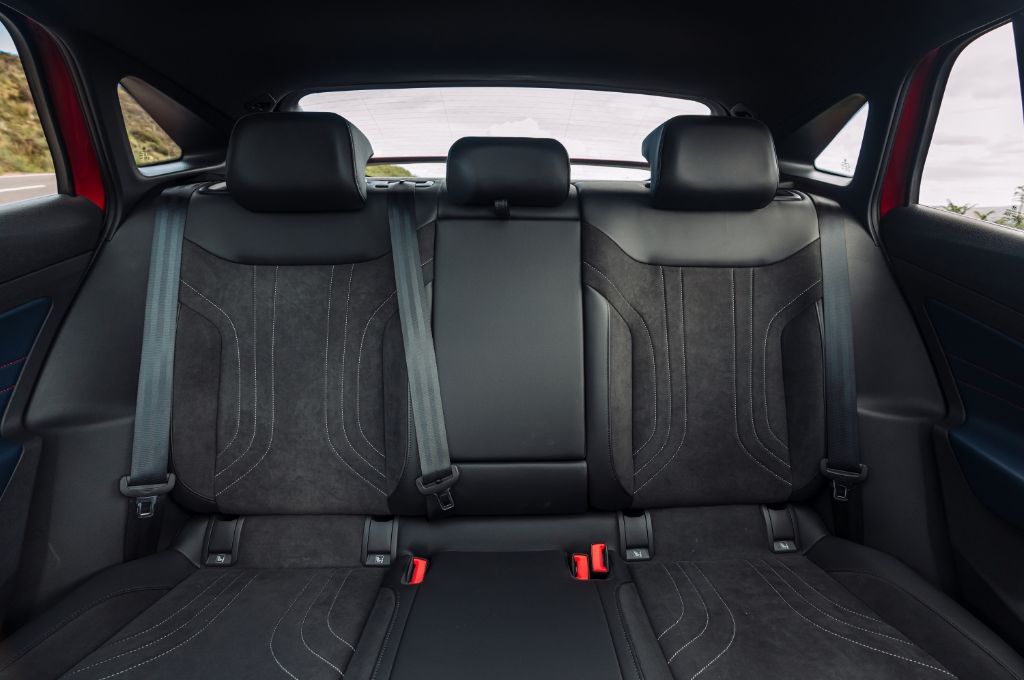
Obviously you will need to choose a ID.5 which best suits your needs, budget and taste. And remember that there’s not as much choice of these as the more common ID.4. But if you do get a choice, I would suggest a 2023-onward ID.5 is generally a better bet than a very early 2021/2022 model. It will come with the improved software, faster DC charging, and a slightly tweaked interior.
The Pure Match is the entry level, which is usually paired with the smaller 52 kWh battery, but is still reasonably well equipped. The Style is available with the larger 77 kWh battery and either the Pro (174hp) or Pro Performance (204hp) powertrains.
The larger 77kWh battery gives a useful boost in range if you are tackling motorway work, while the GTX is much more expensive but gives all-wheel-drive traction, faster acceleration and more interesting styling. It is less efficient and expensive to insure, however.
How long is the warranty?
.jpg)
You are covered for three years or 60,000 miles for the car and eight years or 100,000 miles, as long as you keep the servicing up.
What are the ownership and running costs of a Volkswagen ID.5?
The ID.5 is reasonably efficient with its electricity compared to other SUVs of the size. For insurance, the standard ID.5 - such as the Match trim - sits in Group 35, which is lower than many of the prestige brands and better than the Tesla Model Y. At the other end of the scale, the performance-oriented, dual-motor ID.5 GTX climbs up to Group 40.
Servicing is cheap and only needs doing every two years - that’s a chunky saving over rivals which need annual maintenance. An expense to watch though is the tyres. Depending on the trim, the ID.5 rides on 19-inch, 20-inch, or 21-inch alloy wheels, and rubber for them isn’t cheap. At the lower end it will be £160 per tyre, but expect quality brands for the GTX to be £260+.
The only other expense which might catch you out is the luxury car tax supplement on the road tax, or VED. Unless you have loaded a lower trim model with optional extras which push the official list price over £50,000, the only ID.5 you have to watch out for GTX, which starts around £54,400. That means you will pay the standard £200 VED rate plus the £440 supplement for years two to six. If you are buying used, don’t expect the vendor to volunteer this information so ask directly about the rate.
What other cars should I consider?
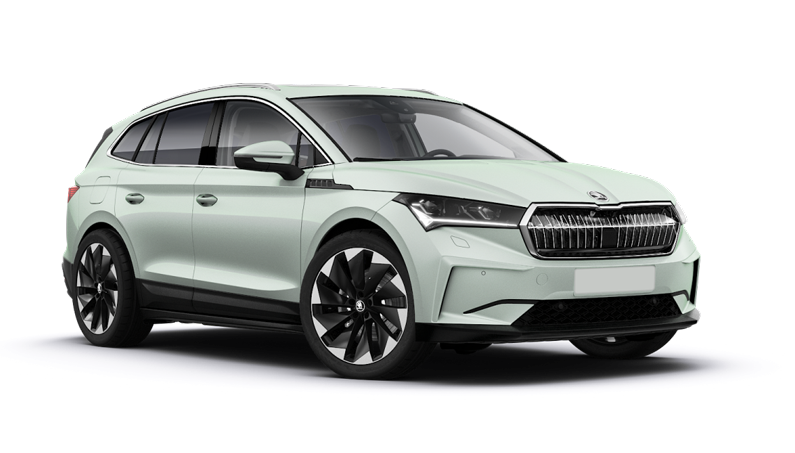
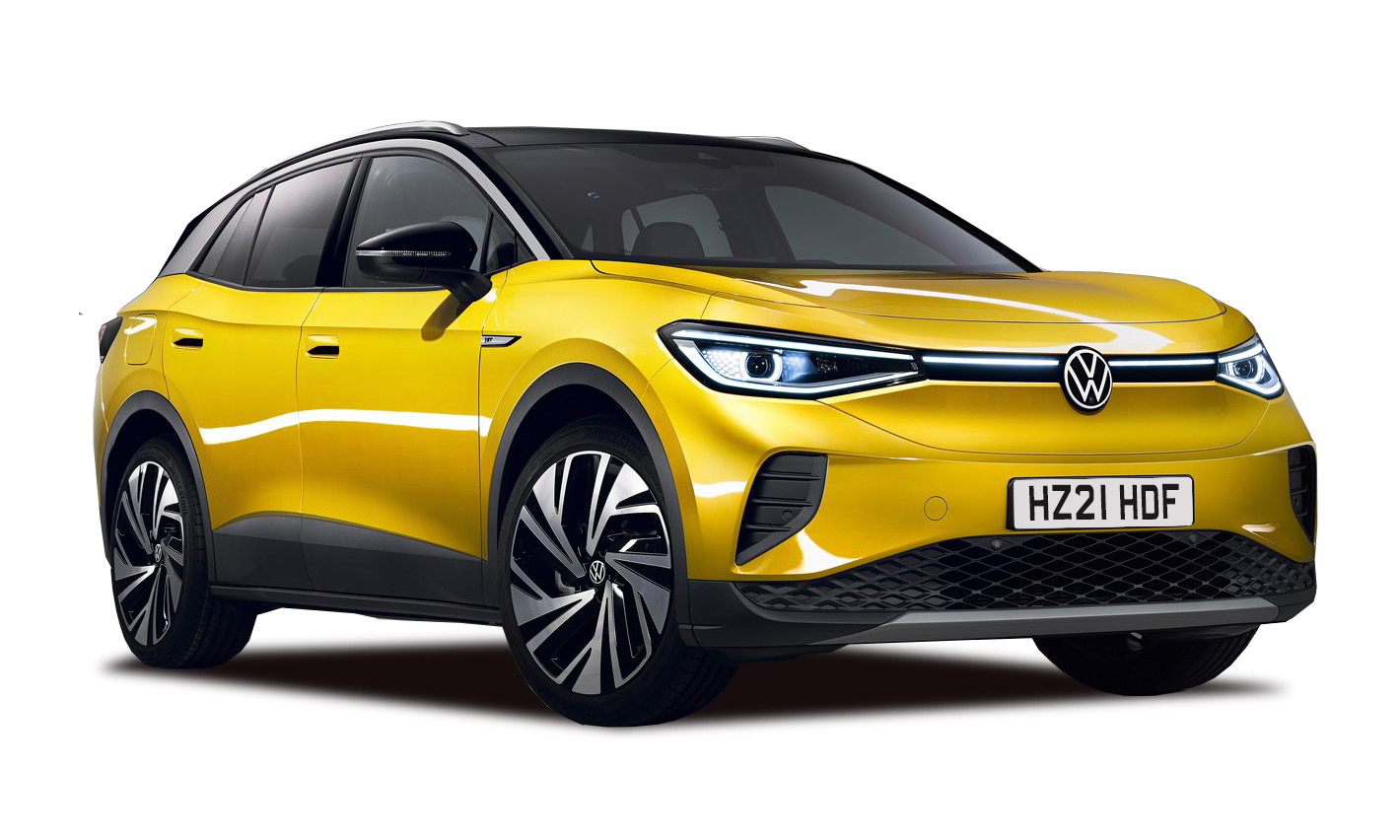
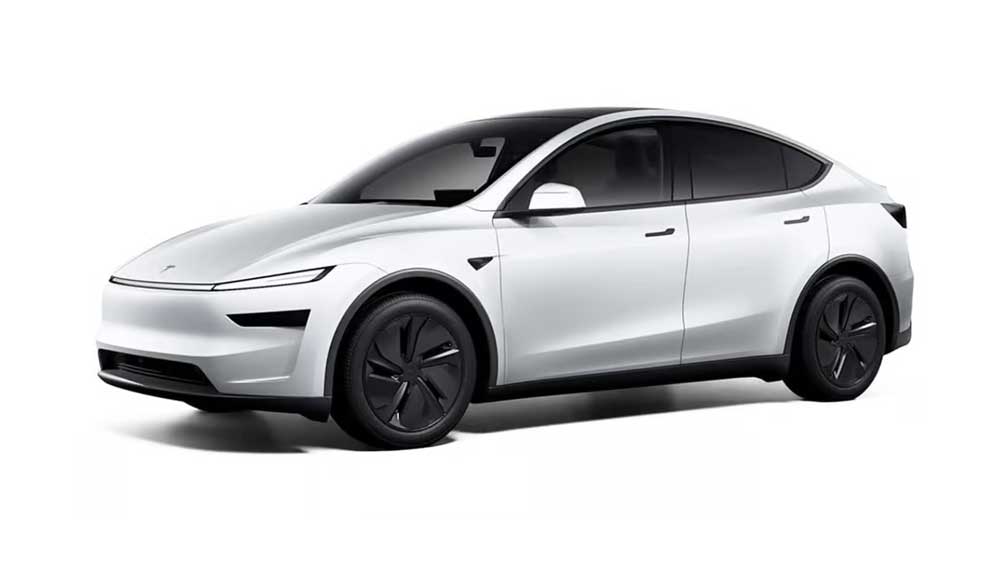
The obvious contender is the ID.4, but the most competitive rivals are the Skoda Enyaq which has the same mechanicals and is also available as a coupé. The Ford Capri also uses the same bits underneath. Then there is the big selling Tesla Model Y and the Volvo C40/EC40.
.jpg)

 8
8