





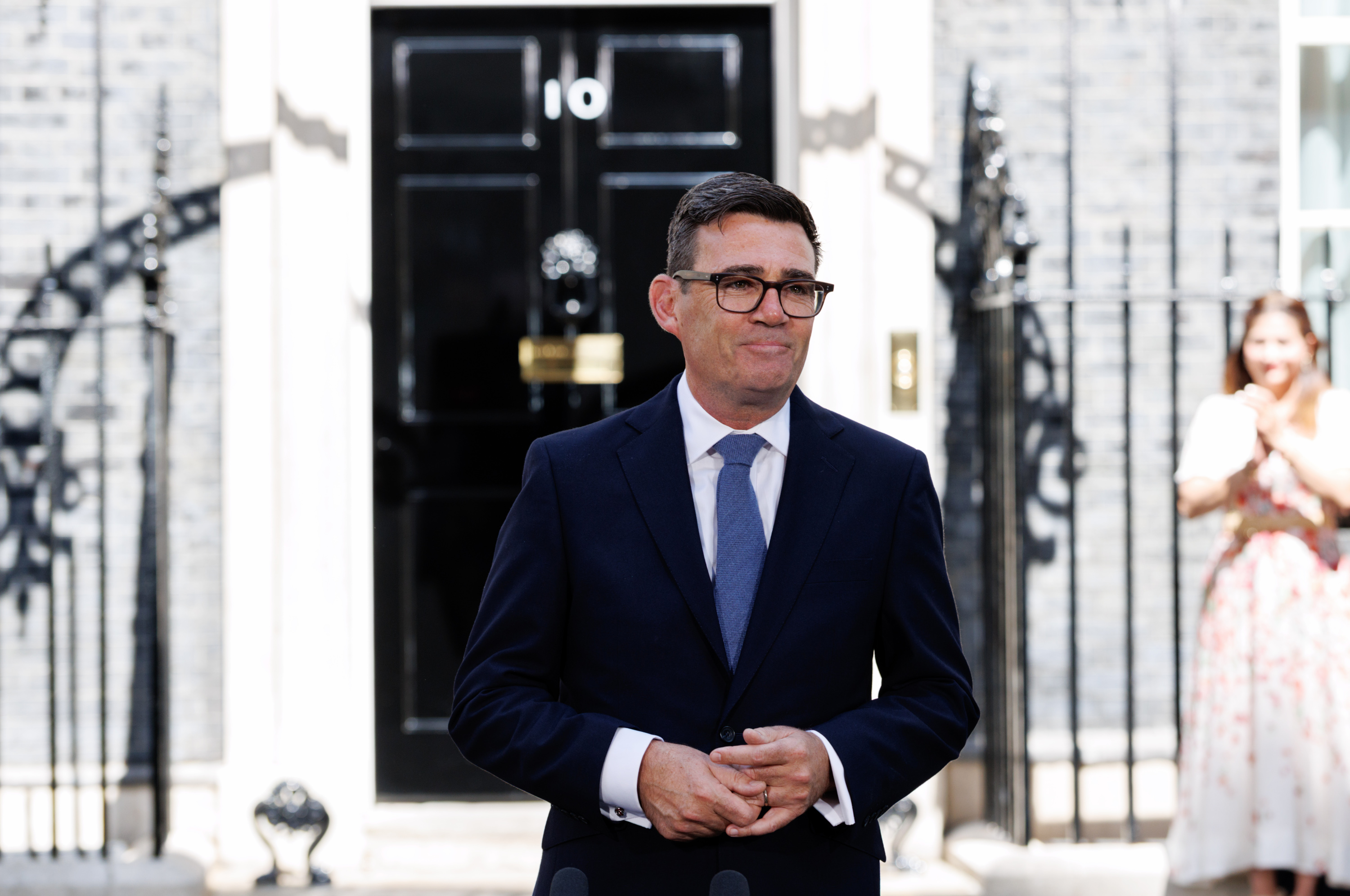
Andy Burnham is getting his feet under the table at Number 10 following the resignation of Keir Starmer, but our seventh prime minister in 10 years remains something of an enigma policy-wise, without having had to contest a leadership or general election.
Electric cars won't be right at the top of his agenda, he's got nuclear codes to memorise and a government to finalise. But what will the new PM actually mean for policy around electric cars? Until this week Andy Burnham has been very light on policy, but he set out a principled agenda when he arrived at the door to Number 10 for the first time, saying that he was planning a 10-year recovery plan for the country.
Electric cars and the ZEV mandate are part of a long push to lower the country's emissions that was put in motion by Boris Johnson back in the day, but the UK car industry is pushing back on the requirement to sell increasing numbers of electric cars and calling for changes – mainly because everyone else is doing it better.
What has Andy Burnham said about electric cars?
Our latest prime minister hasn't had much to say on electric cars, though as Manchester mayor he did order more than 200 electric buses from the Northern Irish company Wrightbus as part of a push for green public transport.
One of his rare missteps in office was the clean air zone he spent over £100m on introducing back in 2022 – polluting vans and lorries would have had to pay up to £60 a day to drive in Manchester. Private cars were exempt, but the backlash from business was considerable and the scheme was scrapped.
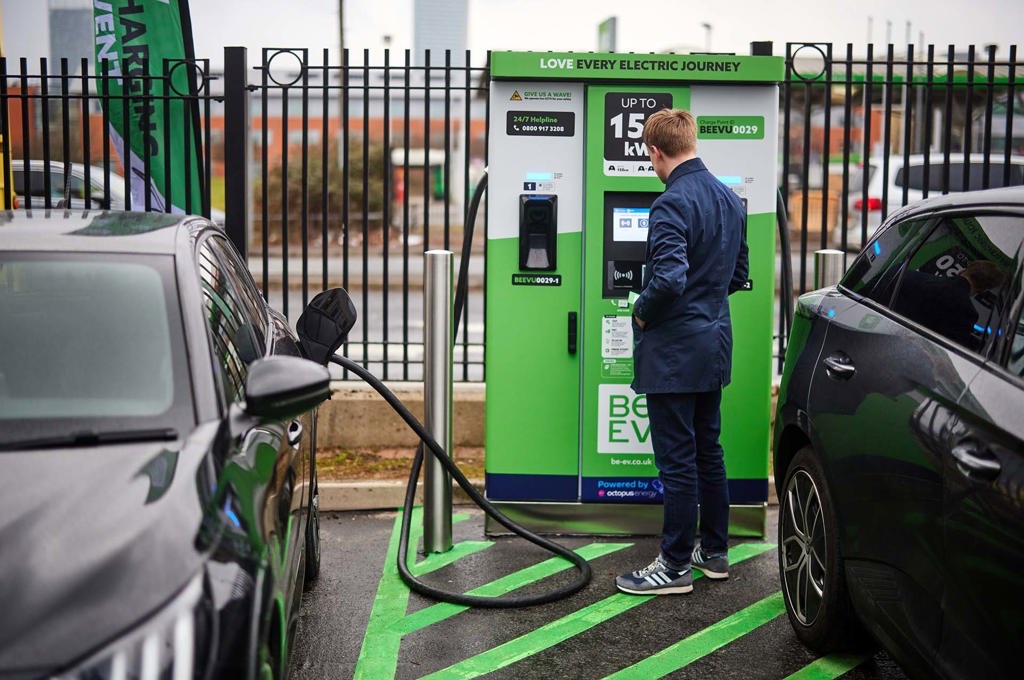
Not that Burnham can claim ignorance of anything to do with EVs – his wife, Marie-France van Heel, is on the board of directors at charge network Be.EV, a largely Manchester-focused provider that has its eye on becoming a bigger player across the country, especially since its takeover of Mer.
Will the electric car grant stay in place?
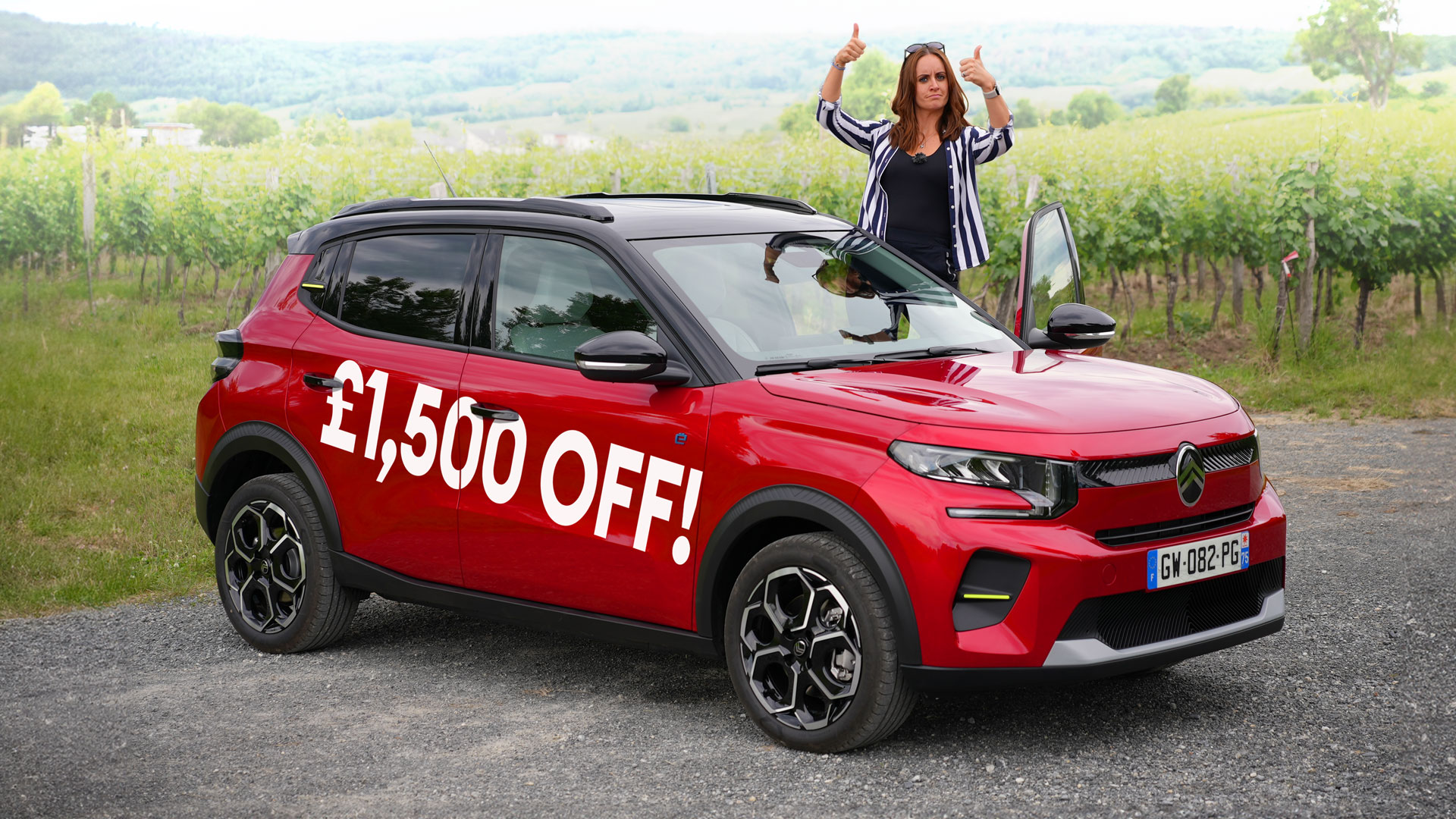
The electric car grant was introduced in 2025 and has been more or less successful in promoting the sales of EVs and reducing list prices, but viewed from a distance it looks more like an effort to help carmakers than the buying public. Other EV incentives around the world (including Scotland) have included help for buying secondhand EVs, which would go a long way to helping more people to make the switch to electric.
We should remember though that the grant is only in place until 31 March 2029, or until the £650m allocated to it runs out. Could the scheme be repurposed before then? Will something else be needed to tip the new car market over the line to 2030?
Could the ZEV mandate change?
There have been rumours in recent months that the Starmer-led government was planning to water down the ZEV mandate – that's the rule that requires 80% of cars sold in 2030 to be electric, with a ban on pure petrol and diesel sales in 2035.
Many of the major car manufacturers that build in the UK have been lobbying for the 80% figure to be weakened to 50% and greater emphasis put on hybrids and plug-in hybrids. Nissan, Toyota, Jaguar Land Rover and Stellantis are among the worst performing carmakers when it comes to the EV sales mix, and they seemed to find a sympathetic ear in then business secretary Peter Kyle.
Interestingly, Heidi Alexander has kept her role as transport secretary, which could signal business as usual on the ZEV mandate and eVED (below). Jonathan Reynolds is the new business secretary, albeit in charge of a beefed up department that once again includes innovation and skills within its remit.
New chancellor John Healey is a relatively safe pair of hands at the Treasury, but he's going to be under pressure to find tax money down the back of the sofa wherever he can.
What about the eVED road tax?
A surprise bit of news in the week before Starmer stepped down was the government's response to its consultation on the new pay per mile tax on EVs that's due to be introduced in 2028. Not the response itself – no surprise there, but the government had no significant changes to make following the consultation.
The response itself was interesting, coming as it did during a self-imposed government ceasefire on controversial announcements ahead of the new government being formed. Will a Burnham government still press ahead with the introduction of eVED? All the evidence so far indicates that it will make the job of trying to convince people to go electric that bit harder, which seems silly when the goal is the opposite.


.jpg?width=600&height=600)