






The UK’s Climate Change Committee has criticised the government’s progress on meeting its net zero ambitions in its latest report, saying that any slowing down of progress on the measures will harm the economy.
It has recognised the progress made on electric vehicle sales, but warns that any loss of EV market share to plug-in hybrids will “offer neither the fuel savings nor the emissions savings of EVs”.
There has been speculation in recent weeks that the government is preparing to water down its zero emission vehicle rules to appease the car industry, but a new prime minister could change that very quickly.

What’s the climate change big picture?
The UK’s overall emissions fell by 1.8% in 2025, says the Climate Change Committee, which is on track with current targets but these will get tougher to meet in the coming years.
The CCC’s report says that the UK has only met half of the indicators that are being monitored to see whether the country is on track to meet its obligations.
Industry has been slow to meet its targets, the CCC says that efforts are needed to ensure quicker grid connections for new renewable electricity generation sites. The country is also missing its targets on household recycling.
Benefits from net zero economy
CCC chair Nigel Topping has warned against any rowing back of climate measures, saying that the net zero economy is worth over £100bn to the UK’s economy, and that it’s the fastest growing sector.
The CBI (Confederation of Business Industry) recently produced a report highlighting the economic benefits and creation of high paid jobs in net zero efforts.
What does the Climate Change Committee say about electric vehicles?
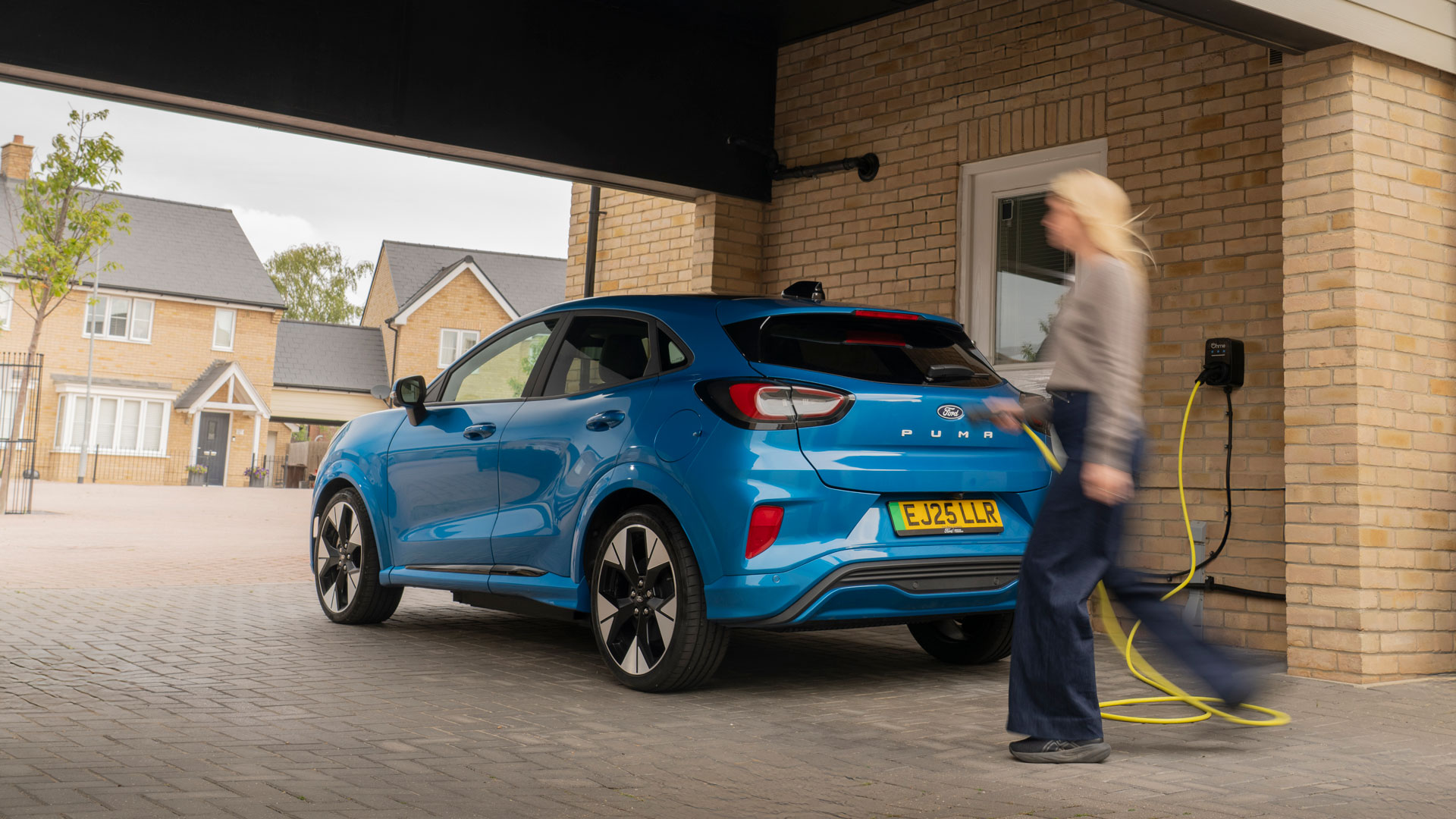
Electric vehicles are leading the way on emissions reductions however, representing nearly one in four new cars sold. The CCC says falling prices of EVs are encouraging buyers, but it does also say that commercial EV sales are “significantly off track”.
The report says that a push to electric vehicles across the board would have a net benefit across all industries, reducing their impact on the environment.
Takeup of electric HGVs and vans has stalled in recent months despite the incentives currently available to businesses.
The CCC also says that ambitious future targets like the current 80% EV aim for 2030 are achievable looking at other European countries like Denmark.
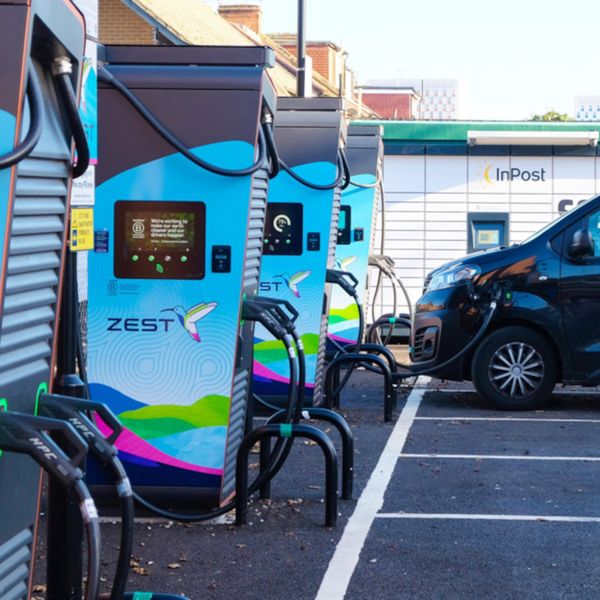
The report singled out public EV charging as a factor that is putting off EV drivers, with charging on public points significantly more expensive than charging at home.

Potential household savings from going green
The report indicates that an average UK household could save around £1,200 today if it bought an EV, installed a heat pump and solar panels and switched to an incentivised electricity tariff.
It also looked at the benefit that could come from a so-called ‘cascade effect’, saying that people who have had a good experience getting an electric car are more likely to then go on to install measures like battery storage, solar panels and heat pumps in their homes.
Heat pump take-up drops significantly
Installation of heat pumps in homes has slumped, growing just 7% compared with the previous year’s 56%.
Introduction of the energy saving devices is starting from a very low base, so growth shouldn’t be difficult to achieve, but the government has ditched all of the incentives that were previously on offer.
There’s now a requirement to fit heat pumps in new build homes, but it’s retrofitting the systems in existing houses that has slowed right down.
A number of heat pumps can also cool air down, which would be a significant benefit if heatwaves are to become a regular occurrence.

Opposing views on CCC report
Climate change committee chair Nigel Topping said that the move to greener alternatives isn’t just about the environment, but helping people to save money too.
“The transition to clean electricity is not happening fast enough,” Topping explained. “Government support to accelerate the shift to electric vehicles and heat pumps is critical, not only to keep our climate targets within reach but to unlock savings.
“At this moment of political uncertainty, any weakening of current positions risks slowing these transitions, undermining investment and the long-term consistency businesses need.”
SMMT boss Mike Hawes has predictably come out strong against the report, representing as he does the interests of the car industry. “The dependence on electrification to deliver our climate goals is self-evident but the pathway cannot be built on blind optimism,” he said.
“Reducing surface transport emissions is essential but energy prices remain too high, production costs uncompetitive, charging infrastructure at best uneven, and natural demand too low. Yet the CCC doubles down by telling government to ‘stand firm’ on the ZEV mandate, with the heroic assumption that 95% of the new car and van market will be EV by 2030.”


.jpg?width=600&height=600)
.jpg?width=600&height=600)


