





Business secretary Jonathan Reynolds has told car industry leaders that the government aims to publish its response to the consultation on electric car sales targets by the end of the year, amid mounting pressure from manufacturers to overhaul the ZEV mandate.
Speaking at the SMMT’s (Society of Motor Manufacturers and Traders) annual dinner in London, Reynolds reaffirmed the government’s commitment to an electric future, although there was a clear emphasis on ensuring that the pace of the transition was manageable for manufacturers.
His comments follow reports that ministers are considering cutting the proportion of new cars that must be electric in 2030 from 80% to around 60%, while retaining the commitment to all new cars being zero emission by 2035.
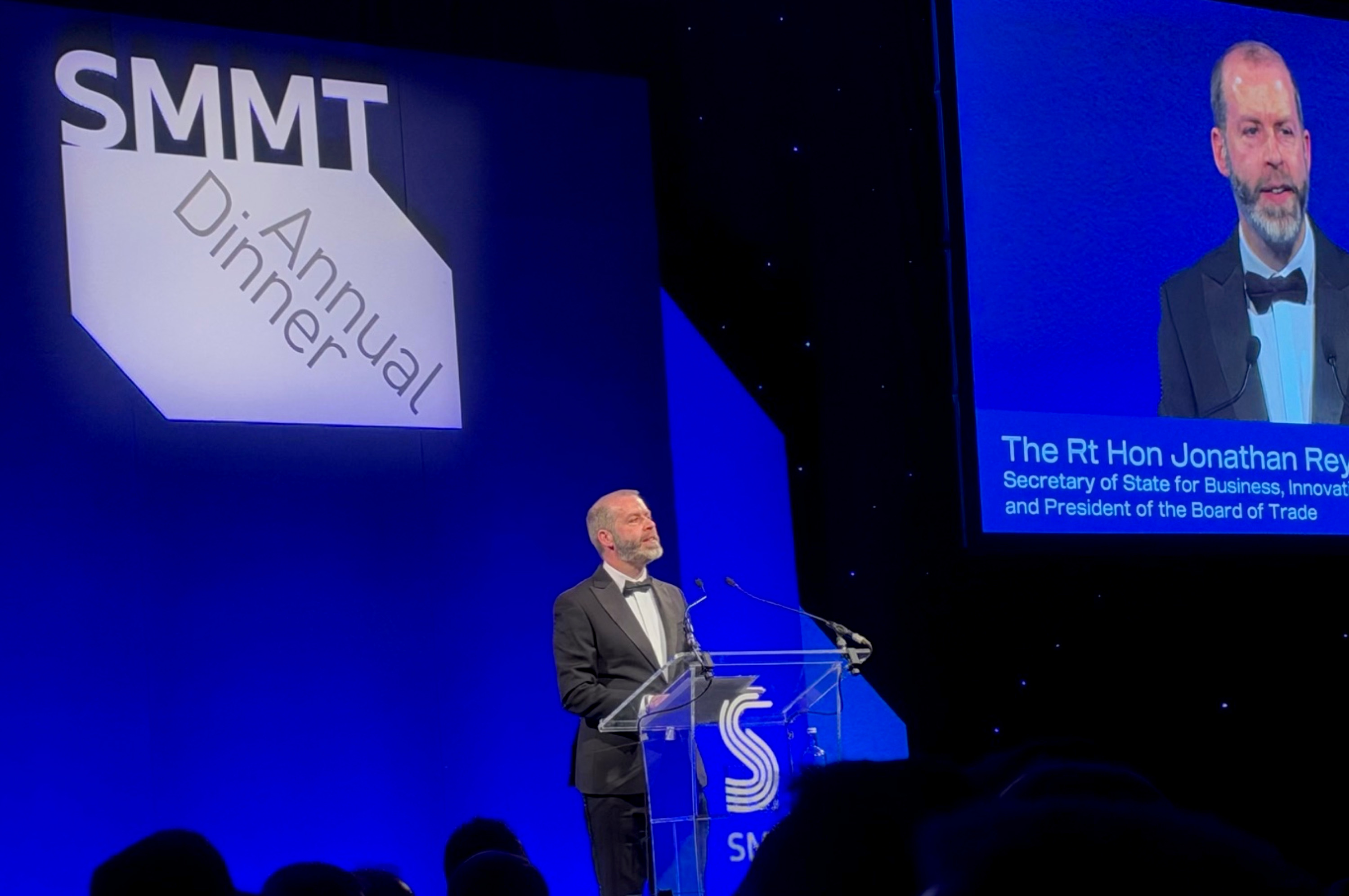
Reynolds said the government aims to publish a joint response to the consultation with the devolved governments by the end of the year, telling the audience that “the path we choose, and the pace we set are key”.
Earlier in the evening, SMMT president and Kia UK boss Paul Philpott described the cost of complying with the mandate as “eye watering”, arguing that manufacturers should not be penalised for investing in an electric future when it was consumers, rather than carmakers, who were hesitant to embrace the change.
Interesting thoughts given the recent performance of his own company. Kia registered 31,813 electric cars in the UK in the first nine months of 2026, accounting for more than a third of its new car registrations.
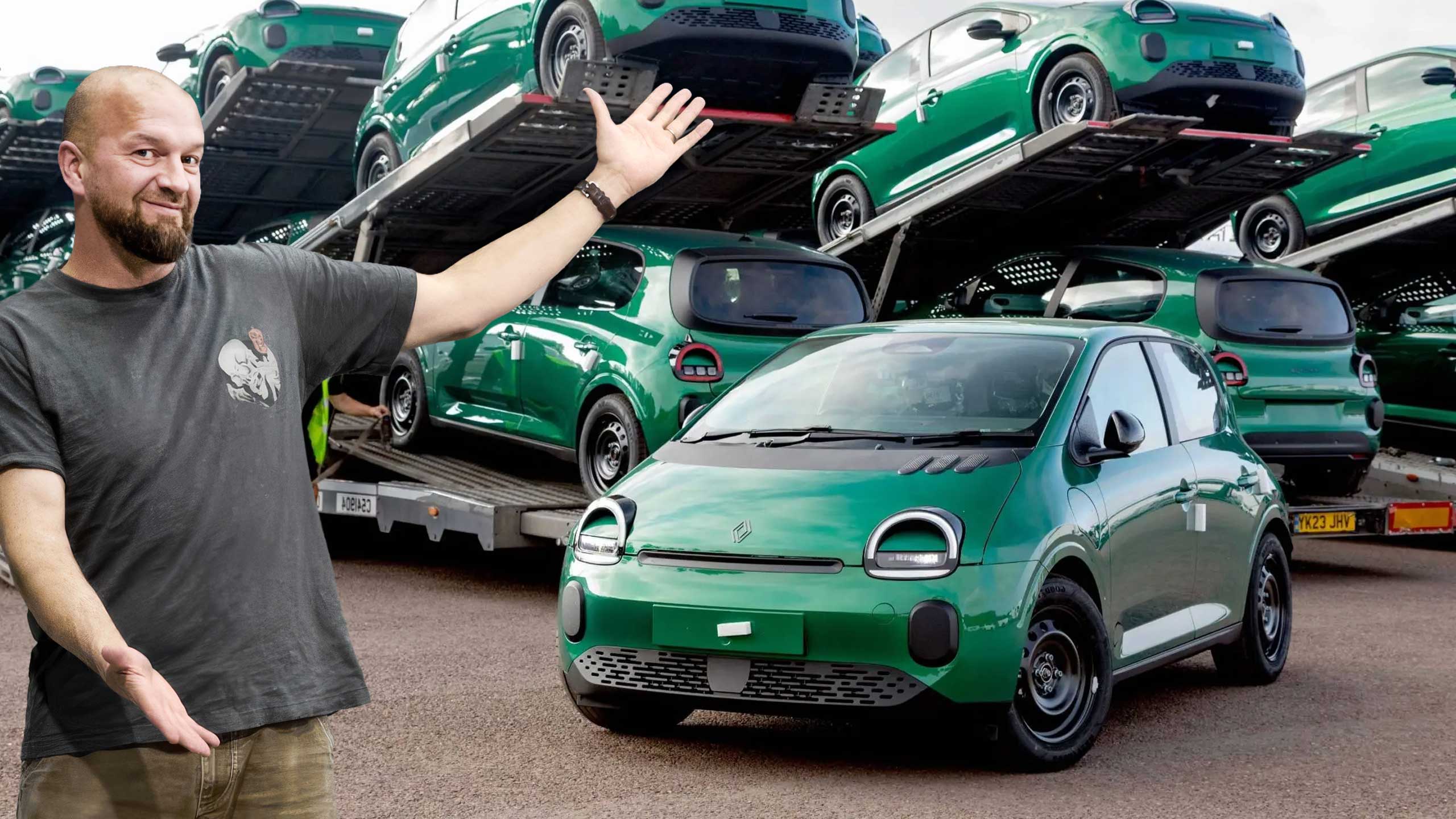
Kia’s new EV2 was Britain’s bestselling electric car among private buyers in September and Kia went on to become the UK’s bestselling electric car brand in October.

Of course, strong sales don’t necessarily equate to healthy profits, and the industry maintains that the level of discounting required to stimulate demand is unsustainable despite the generous flexibilities in the ZEV mandate.
But Kia’s success does suggest that there is an appetite for electric cars when the right products are offered at the right price.
As Reynolds himself pointed out in his speech, once drivers make the switch to electric, very few want to go back to petrol or diesel, citing research which suggests that just 3% would consider doing so.
Given that, I can't help but wonder why, when so much time and energy is being spent debating how many electric cars manufacturers should be selling, there isn't a greater focus on educating consumers, addressing their concerns and giving them the confidence to make the switch in the first place.

Our most recent research carried out with the AA involving around 12,000 motorists highlighted just how much work there is still to do.
Just 22% of non-electric car owners said they would know how to charge an electric car, while only a quarter were aware of specialist electricity tariffs that allow drivers to charge at cheaper rates overnight.
These are precisely the sort of issues that we hear of regularly and while there are undoubtedly genuine barriers to electric car ownership, particularly for those without access to home charging, there is also a considerable gap in consumer knowledge that both government and industry could be doing more to address.
As reported extensively on Electrifying, analysis by independent research organisation New Automotive suggests that the new car market as a whole is ahead of its obligations under the ZEV mandate once the existing flexibilities are taken into account, although the picture varies considerably from one manufacturer to another.

One of the biggest questions remaining for me is whether the government will retain the concessions that effectively allow manufacturers to count improvements in emissions from petrol, diesel and hybrid cars towards their electric car sales obligations, while also reducing the headline targets – effectively letting the car industry have its cake and eat it.
There was little in the speeches at SMMT’s annual dinner to suggest that we’re about to see any significant new measures to help consumers make the switch.
But if, as Reynolds himself acknowledged, the vast majority of people who make the switch to electric don’t want to go back, surely helping more people to get to that point deserves as much attention as changing the targets in the first place…