





 Battery size: 58kWh-79kWh
 Miles per kWh: 3.4
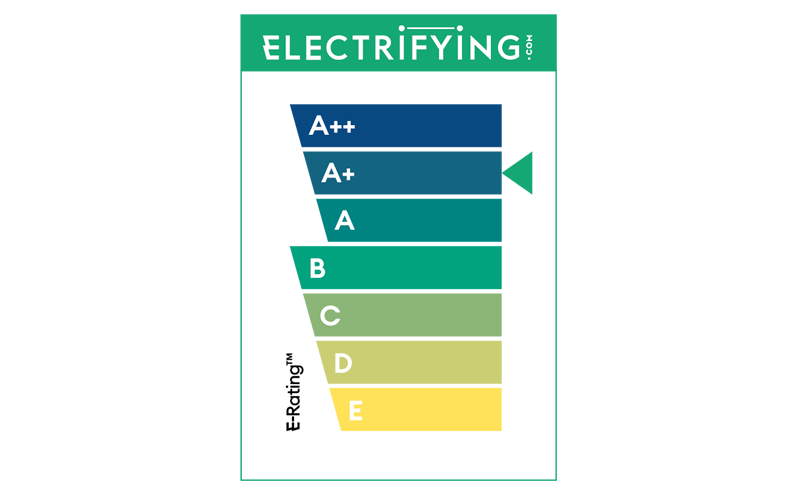
 E-Rating™: A
 Max charge rate: 125kW-170kW
 Range: 259 -366 miles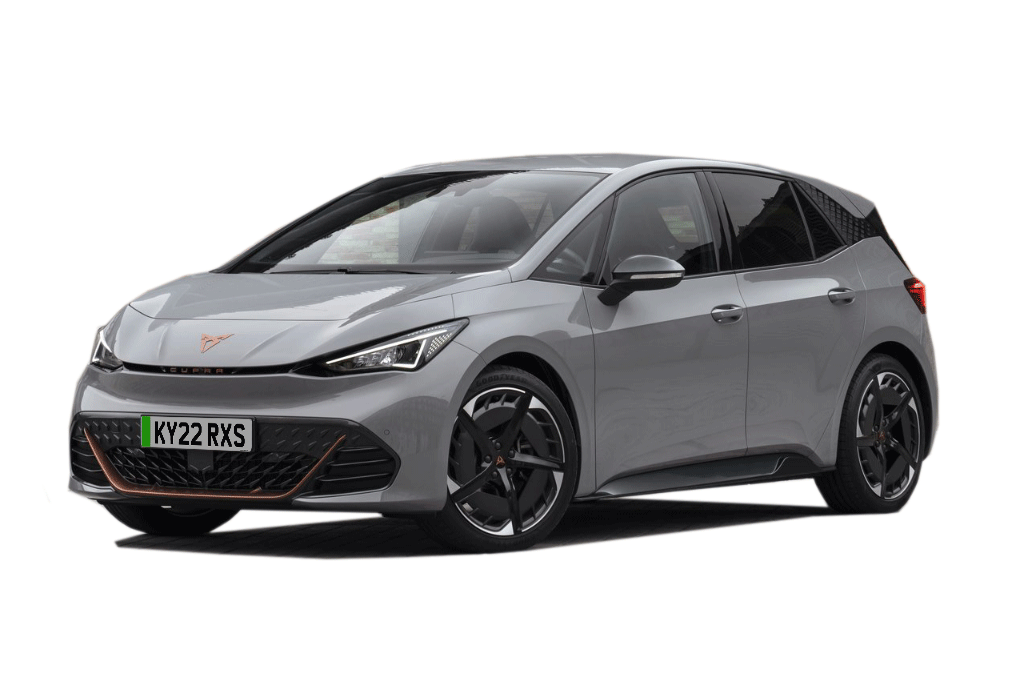



Introduction and history
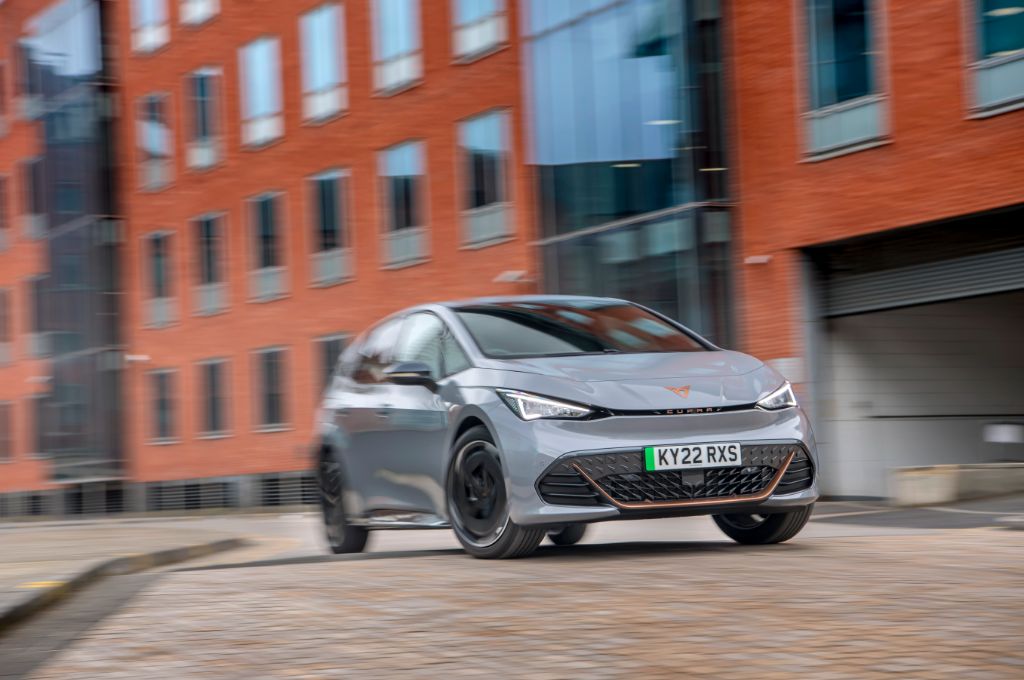
The Born was instrumental in cementing the Cupra brand in the UK. We are currently being flooded with new marques from China, but the Volkswagen Group (which owns SEAT, Audi and Skoda) has established Cupra as a new, youth-focused brand with attitude and a sporty brief.
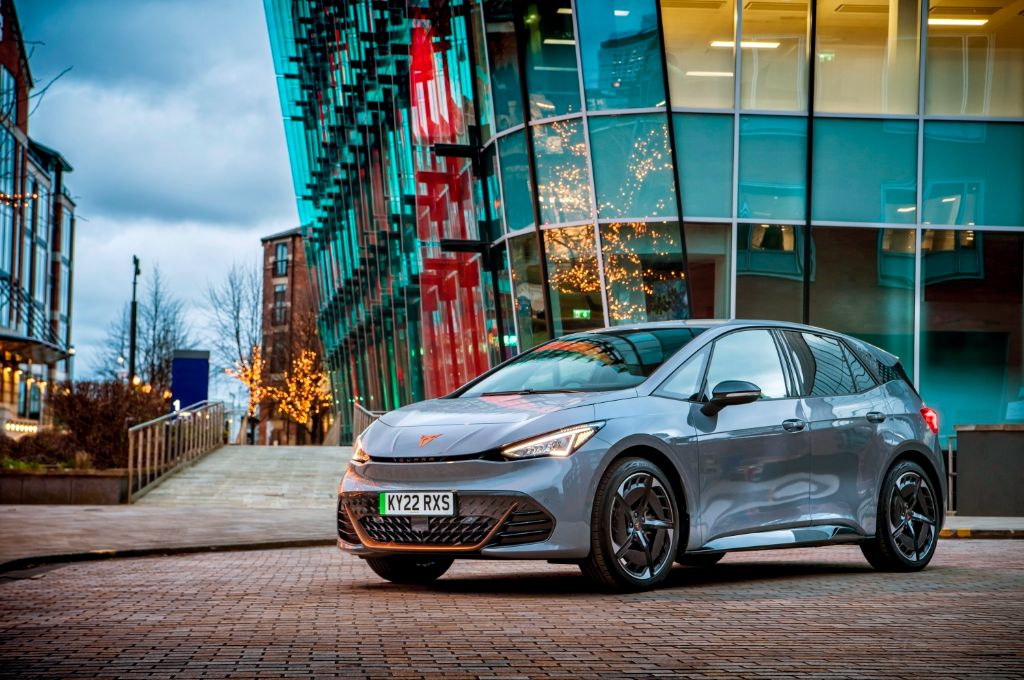
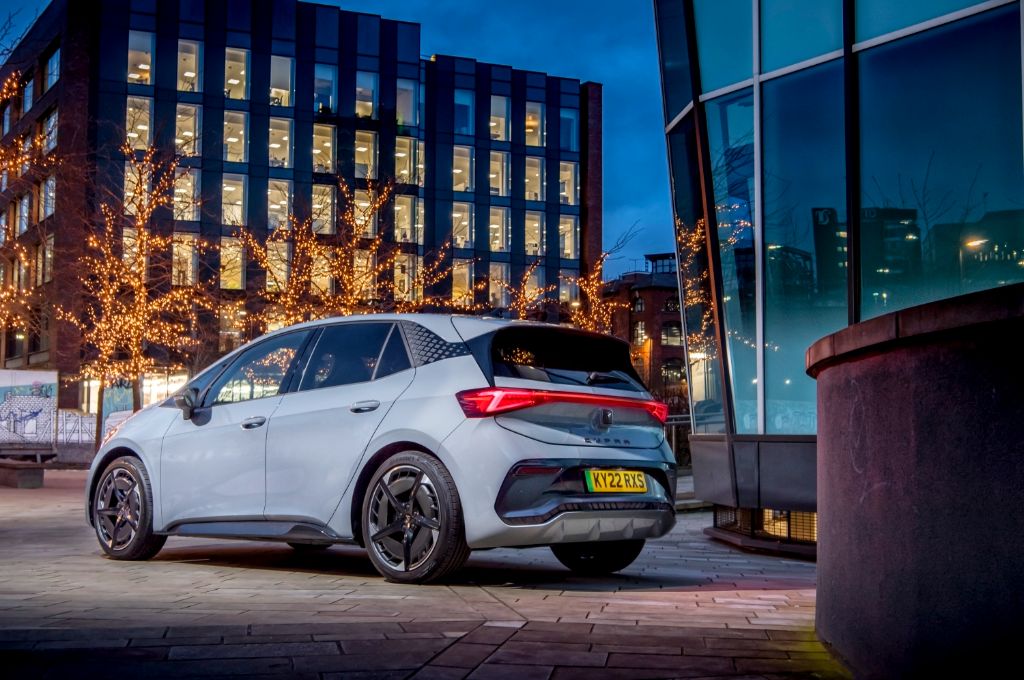
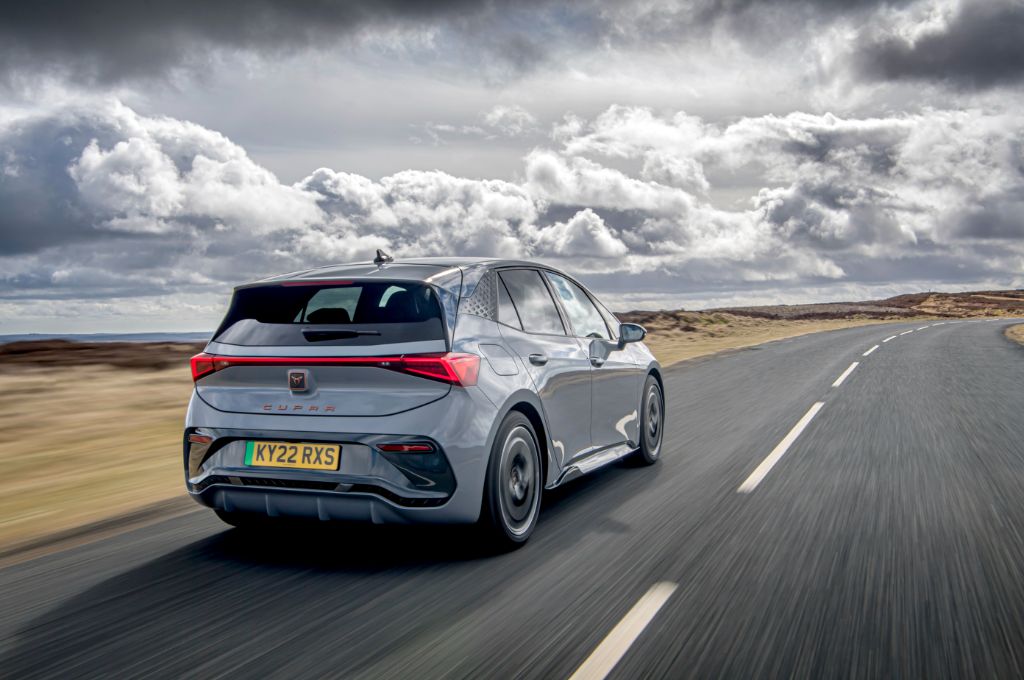
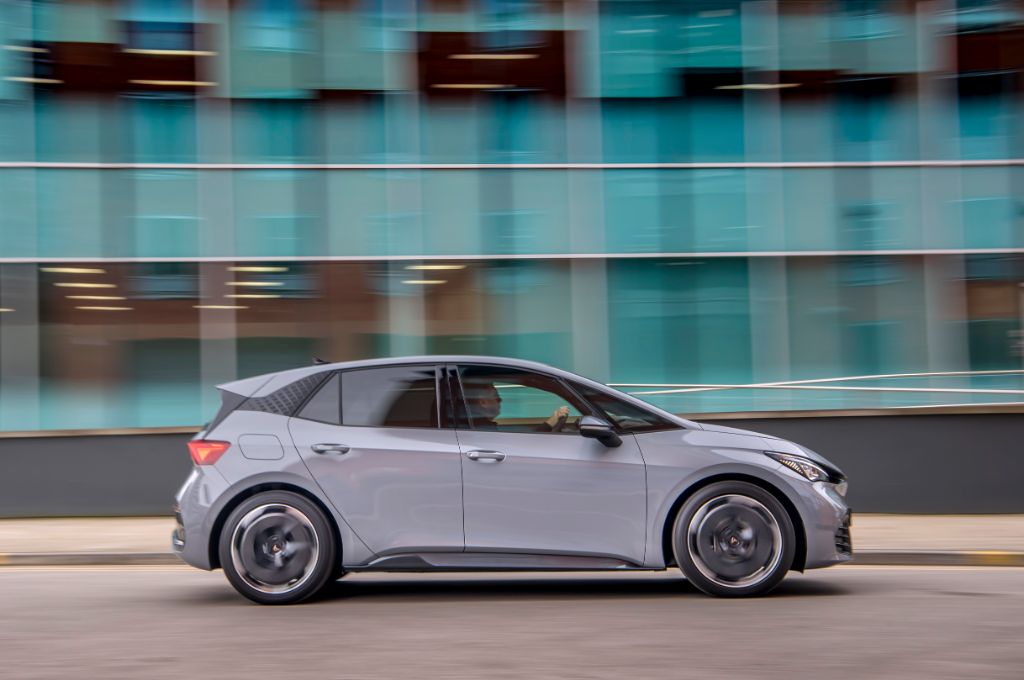
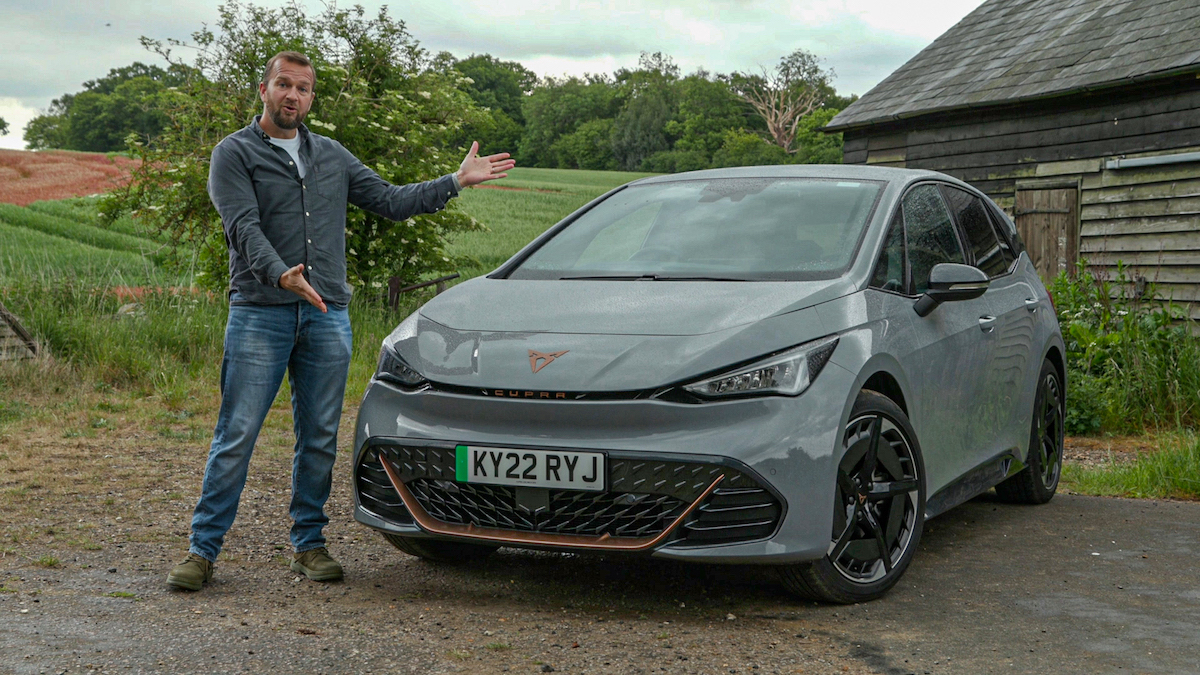
It means the Born has a sportier edge than the VW ID.3. Look at the two together and it’s immediately apparent that the Spanish machine is leaner and meaner with a more assertive look. It’s a clever bit of design and will appeal to buyers who crave a bit more visual drama than the family SUVs deliver.
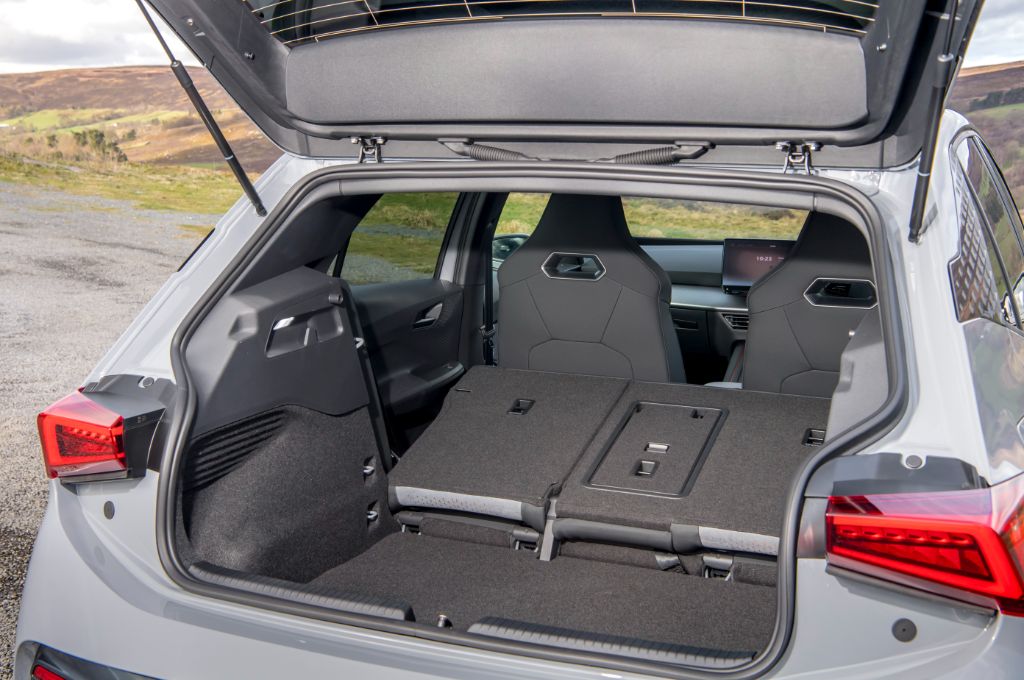
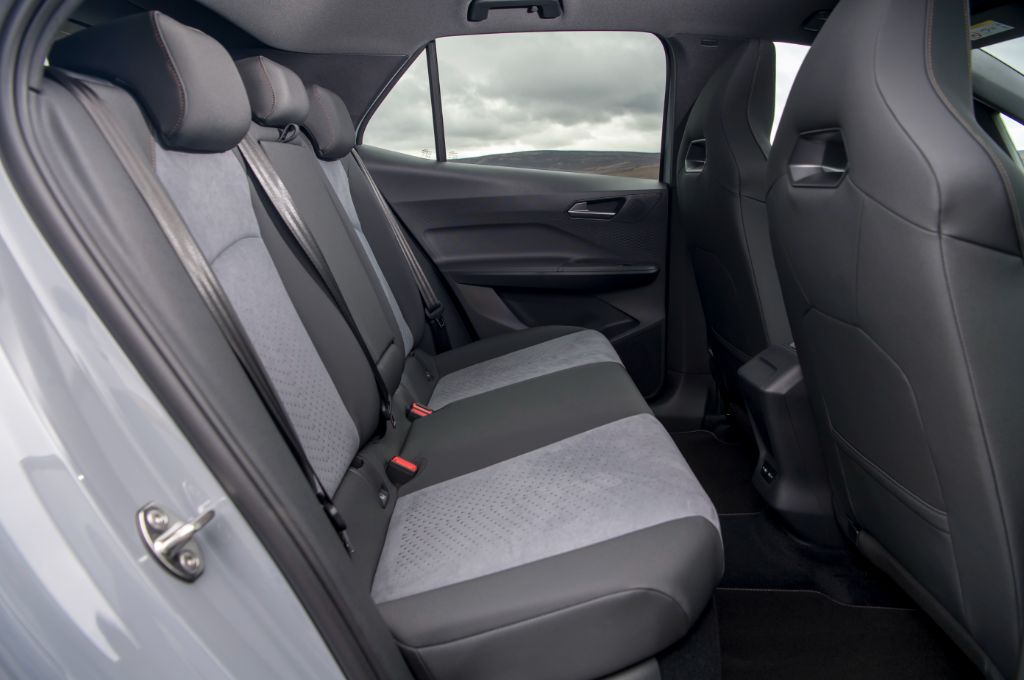
It’s almost as practical as those SUVs though, with plenty of space for adults in the front and back. There's 385 litres of boot room too, which expands to 1,267 litres with the seats folded. Unsurprisingly that's identical to its VW sister car, but is a little on the small side by class standards. A Renault Megane E-Tech (440 litres) and Kia Niro EV (475 litres) are much larger.
The first gen Born was, er, reborn several times in the five years it was on sale. Early versions used a 58kWh battery and 204HP motor, giving an official WLTP range of around 261 miles. The faster e-Boost versions arrived in 2022, initially offering 231HP and either the 58kWh or a larger 77kWh battery. The bigger pack gave a claimed range of 342 miles.
Later cars were upgraded with a 59kWh battery, while the larger battery also got an extra 2kWh of capacity. The range was also topped by a sporting flagship, called the VZ and with 326HP, from 2024.

What’s the real-world range of a used Cupra Born?
With so many trim levels and battery packs to choose from, you need a spreadsheet to keep track of all the different range figures. In the real world though, you can bank on an average of around 250 miles for the small battery models and over 300 for the 77 or 79kWh versions, including the VZ.
As with all electric cars, this will fall in winter – especially as most Borns won’t have a more efficient heat pump fitted – and with high-speed motorway journeys. Also bear in mind that the cars with the smallest wheels will be the most efficient.
How long will the battery on the Cupra Born last?
Like all EVs, the batteries in a Born will lose some capacity over years simply due to the natural wear and tear on the internal chemicals. This will increase according to the number of charge cycles and vary according to the way the car has been driven, stored and charged.
You can’t tell this just by looking at it of course, but many dealers will now give you peace of mind with a battery state-of-health check using independent tests that can’t be fudged.
We scanned the adverts for Borns and there don’t appear to be any big issues, with every car we spotted being in the ‘A’ category with a retained capacity of 90% or more. This included a four year old car which had 108,000 miles on the clock, so is quite an achievement.
Examples with between 30,000 and 60,000 miles seemed to hover around 94% and an 86,000 miler stood at 92%. There was only one car which fell out of the pattern; a four year old car with 54,000 miles which had a disappointing 90%. This might have been driven or charged unsympathetically, but is proof that a battery test is important.
Cupra covers the battery with an 8-year/100,000-mile high-voltage battery degradation warranty, but this only means it will repair the pack if the SOH falls below 70% within that period.

How reliable is a used Cupra Born and what are the common problems?
The Born's biggest weakness isn't its electric powertrain, which has proven very reliable. The only headaches come from the electronics and software – just like every other electric model in this VW Group portfolio.
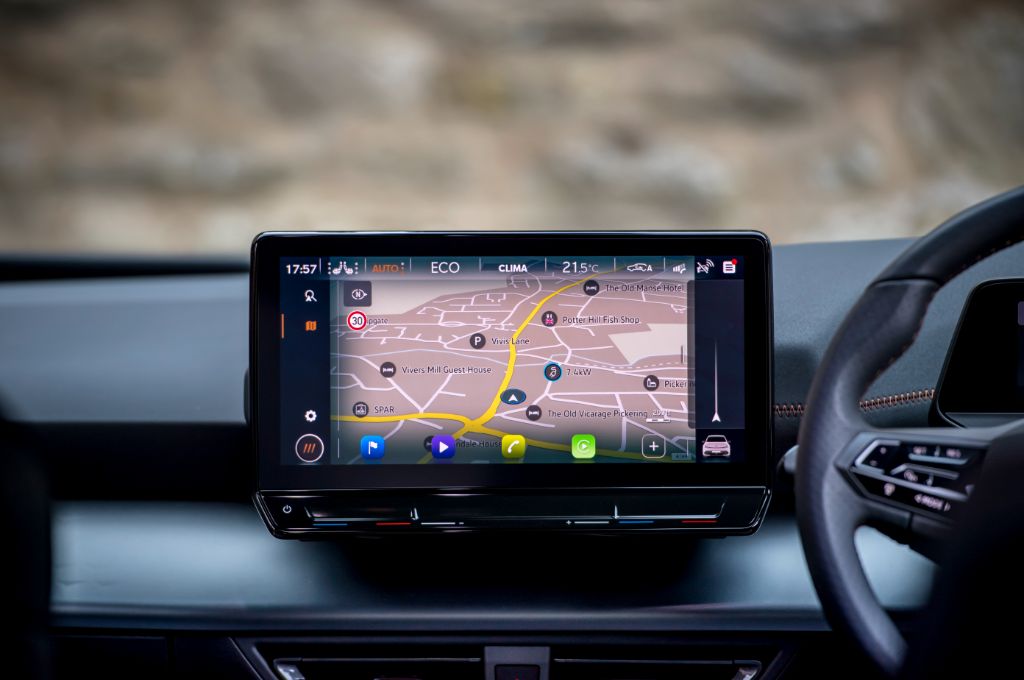
The infotainment systems are better now after a series of software updates, but even the latest models suffer from poor responses and frequent freezes. Mostly they will sort themselves out after a few minutes or a restart, but that is little comfort if you lose the navigation in the middle of an unfamiliar town or the assistance systems start cancelling the cruise control or throwing up error massages.
This can also affect the charging, meaning the car occasionally doesn’t recognise cables or programmed schedules. While frustrating, these are usually cleared just by trying again.
Those are the only faults which every owner can expect to experience, while other more serious problems are rare. The most worrying is a failure of the heating matrix, which will lead to damp inside the car and the ventilation system struggling to get warm.
Damp at the back of the car is more likely to be caused by a leak from around the tailgate handle.
There have been no safety recalls, but Cupra carried out a ‘service campaign’ in 2023. To have battery modules inspected and replaced if necessary.
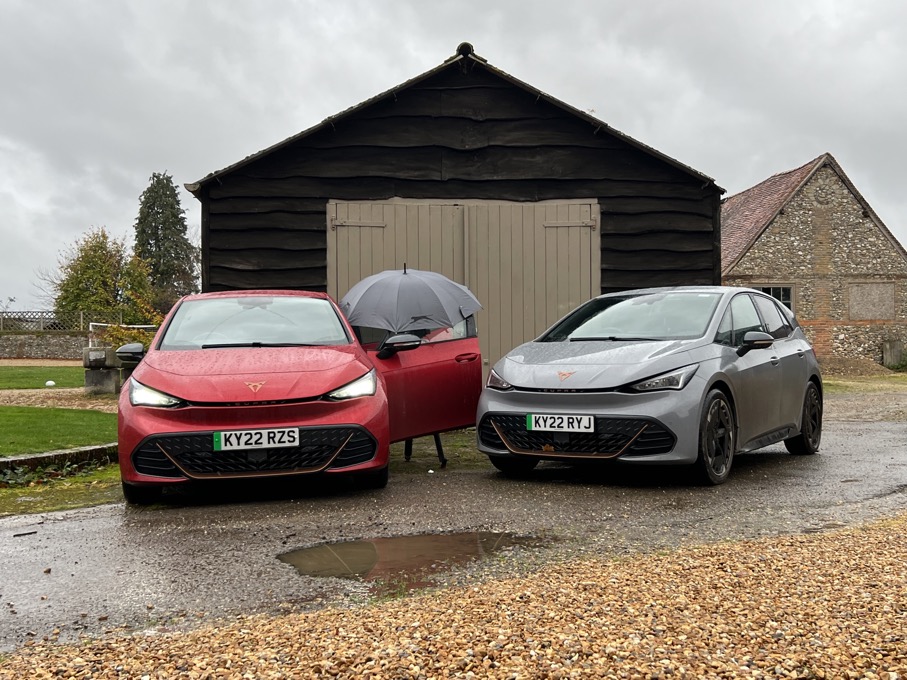
The only other issue could be around the trim and paint, which can look tired after the normal rigours of daily driving. The grey paint especially is soft and chips easily, while the hard trim inside collects scuffs and rattles.

Which is the best version to buy?
Since they’ve been on sale for longer and are cheaper, the 58kWh models are the most common finds on the used market, in the V1 and V2 trim levels. The e-Boost versions offer slightly more performance without the price and weight penalty of the larger battery, so are more attractive if you can find one.
The 77kWh cars are rarer, but the extra range means they’re attractive to high mile drivers.
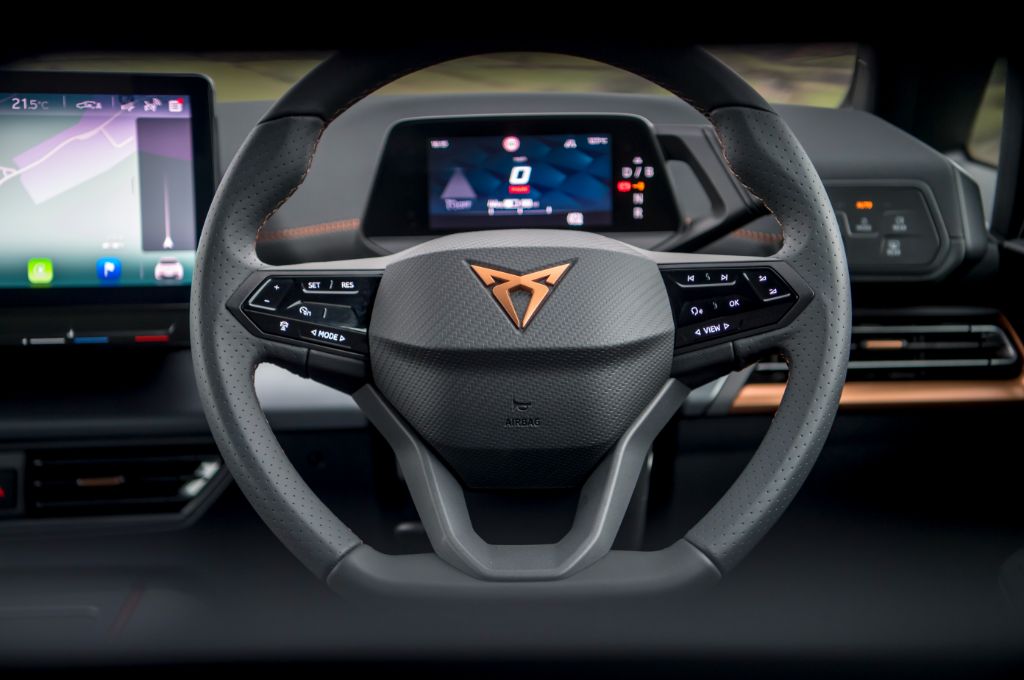
Compared to many rivals, the Cupra Born range is delightfully simple and easy to understand. The entry-level V1 has most of the kit you need, such as a rear view camera, sports suspension, sports seats, wireless Apple CarPlay and Android Auto. You have to go for the V2 models to get heated seats, though, which we consider something of an essential these days, which is why the V2 is our pick of the range. You can spot them easily as they also have privacy tints on the rear windows.
The V3 adds extra luxuries such as a panoramic roof, 20-inch wheels and premium Beats audio, while the VZ is impressively fast but compromised in other ways.
The 2024 Model Year bought a big update under the skin. The chepaer models moved to the 59kWh battery and 230HP e-Boost powertrain, while the larger battery became 79kWh. Charging performance also improved significantly, with the 59kWh cars actually charging faster than the new 2026 models.

How long is the warranty?
This depends when your Born was registered. Cars ordered from 3rd April 2024 onwards were covered by a five-year/90,000-mile manufacturer warranty, compared with the original three-year/60,000-mile cover.
The Born’s battery gets extra cover. It is covered should the capacity drop below 70% within eight years or 100,000 miles. Because of the Electric Car Grant rules, any cars bought using it also have to be covered for 80% capacity at the three year or 40,000 miles mark. Although something would have to have gone badly wrong to call on this cover.
Cupra will also offer an option to extend the high-voltage battery warranty at extra cost for two additional years once the standard cover ends.
What are the ownership and running costs of an Cupra Born?
Compared to a petrol or diesel the costs of running a Born will be tiny, especially since you can plug into the very cheapest home intelligent electricity tariffs without needing a special charger. The Born will talk to the servers at companies such as Octopus and E.On and plan the best time to charge.
Servicing is cheap too, as the Born can go two years between services, saving a couple of hundred quid and a lot of hassle compared to rivals which need annual maintenance. A typical standard service costs around £220.
Insurance is reasonable, with the V models in groups 25–30, while VZ versions are around groups 34–35. That’s still lower than many cars with similar performance.
The biggest potential cost is tyres – especially on cars with 20-inch wheels. The approved fitment rubber is specially designed for EVs. And direct replacements cost £250+. The wheels are pricey to replace too.

What other cars should I consider?
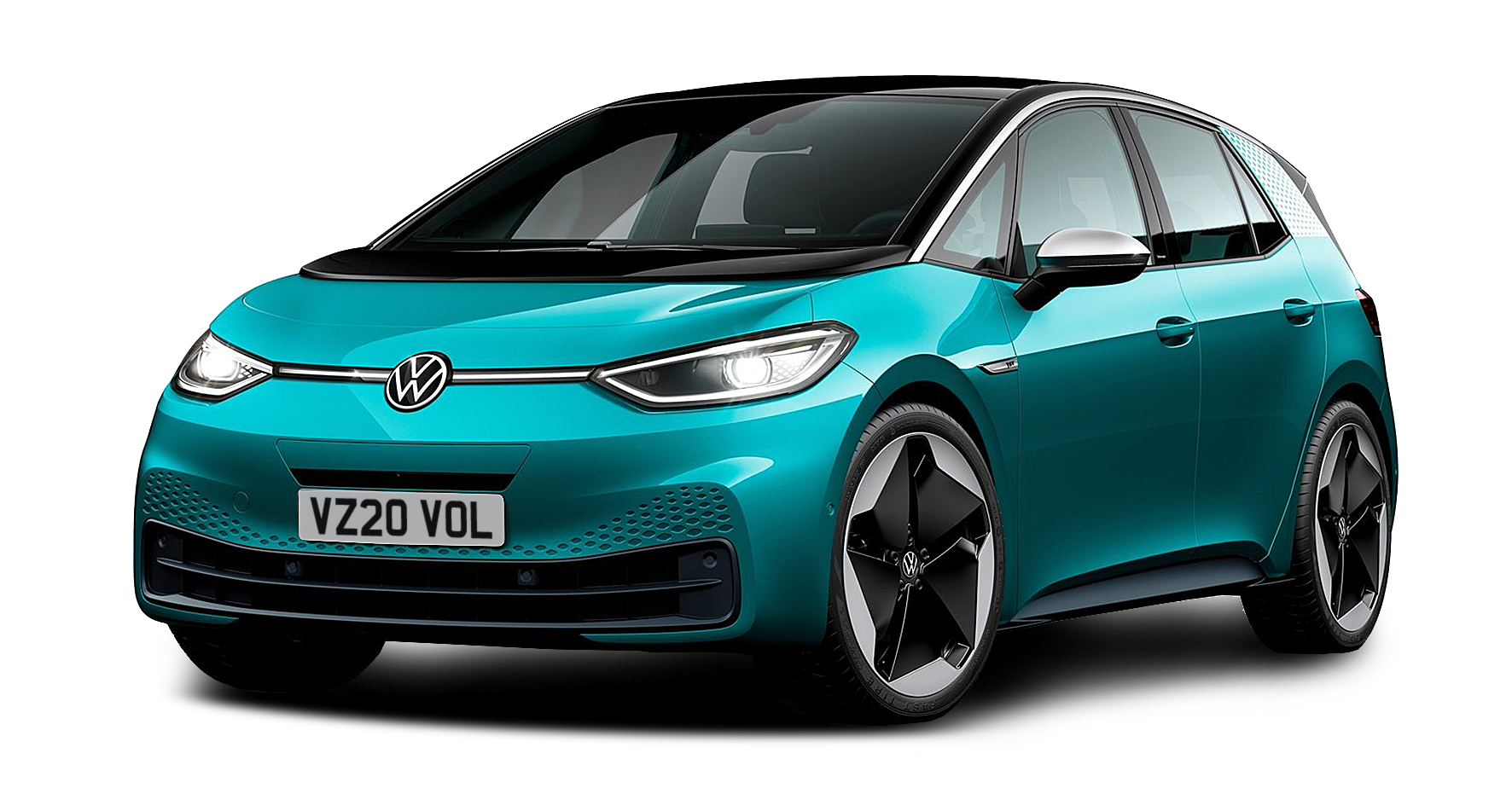
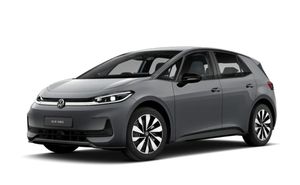
The obvious alternative is the very similar Volkswagen ID.3, but it doesn’t look or drive as sharp as the Born. It is more relaxed though, and usually cheaper – especially at the entry levels.
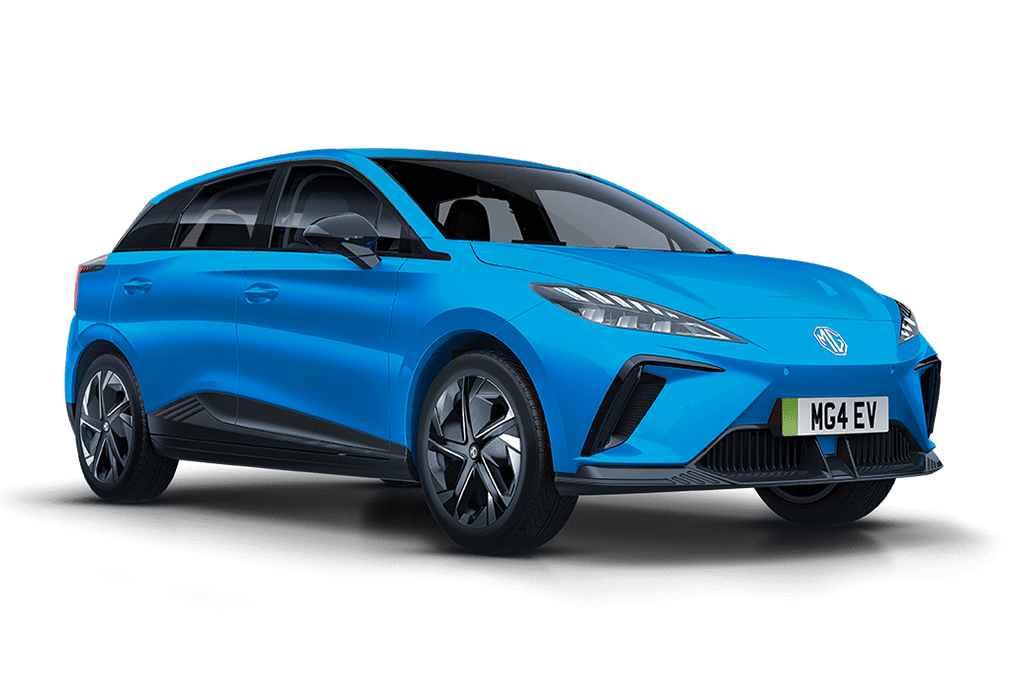
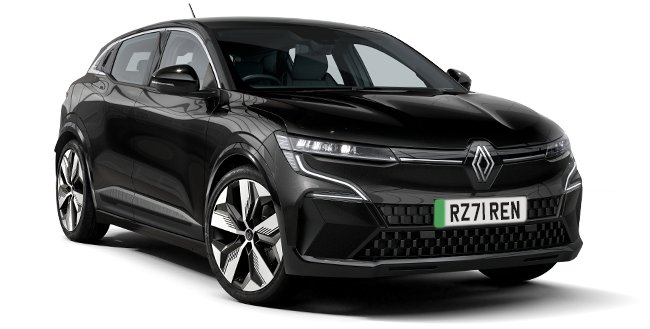
The MG4 gets close to the Cupra's blend of fun-yet-comfortable, and the Renault Megane E-Tech is also worth looking at if you're after an engaging, electric family car, but the Cupra is the best all-rounder of the lot.
Like the idea of a used Cupra Born? Try these...

 8
8
.jpg?width=300&height=185)