






One of the biggest questions for anyone looking at buying a new or used electric car is how long the EV battery is going to last. In fact though, battery degradation isn’t necessarily the big issue that many seem to think.
Nearly 40% of people who responded to our annual survey in 2025 said that they would be more likely to buy a used EV if it had a battery health certificate, while more than half of respondents said they were worried that a battery wouldn’t last as long as an engine.
We’ve been looking at real-world battery health data to find out which EVs retain the most battery capacity as they pile on the miles – and what affects battery degradation. We'll keep updating this guide as new studies are published, of course. Most recently, we've included data from a recent 2026 survey by Aviloo, which factors in battery degradation data from 500,000 EVs - including data on high mileage electric cars, and the sort of battery life you can expect. Great info to have - especially if you're buying a used electric car!
What do the numbers actually tell us?
Contrary to some of the worries over recent years, studies have shown that EV batteries are lasting longer than people initially thought.
You’ll often see us talk about ‘usable’ capacity on an EV – because the amount of battery that’s available to drive the car is less than the total capacity of the battery. The software on the car keeps a few kWh of capacity on standby to make sure the battery is always operating at its best.
.jpg)
Research has shown that generally speaking, EVs lose 1–2% of their capacity each year. That varies between models, types of battery and depending on how you treat the car (see below for more).
Many EV drivers will try not to charge their cars past 80% to keep the battery healthy, but carmakers like BYD that use LFP chemistry will encourage you to charge to 100% because of the way their batteries work.
How long do EV batteries actually last?
It’s very rare that the battery on an electric car actually fails – and faults like that would normally be covered by a manufacturer warranty up to around eight years old.
Degradation is a normal part of EV ownership and you can use a car perfectly normally even as its total capacity falls.
The number you’ll see mentioned is the battery’s SoH, or state of health. It’s the percentage of the battery’s original usable capacity that still remains.
A battery with 90% SoH at three or four years old still has 90% of its original capacity and is still perfectly usable. It might sound dramatic, but in practice it means that an EV with a 300-mile range now has a 270-mile range.
What happens to EV batteries as their mileage increases?
Battery health firm Aviloo has released its own results from thousands of battery tests looking at a range of EVs on sale and even different battery sizes within a model range.
The results show median figures from across all SoH numbers taken, ie the figure that sits right in the middle. It does mean that you can have a wide spread of percentages, or they can all be concentrated in a smaller spread.
Aviloo has presented the SoH numbers from cars taken at 50,000km (31,000 miles) travelled, 100,000km (62,100 miles) and 150,000km (93,200 miles).
Let’s take four cars from the 20 presented by Aviloo (you can check out the full graphic from the 150,000km test below) and compare the median SoH numbers from the 50,000km and 150,000km results – the 78.8kWh Tesla Model Y, 77kWh Volkswagen ID.4, 72.6kWh Hyundai Ioniq 5 and the 40kWh Nissan Leaf ZE1 (second generation).
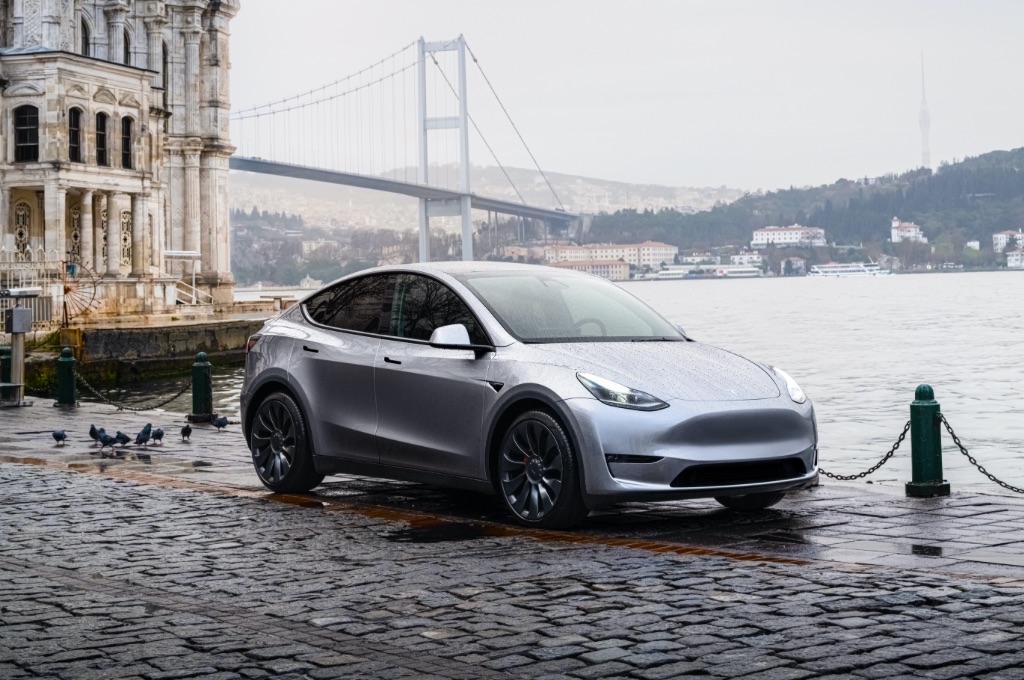
50,000km – 94.5%
150,000km – 90.3%
This data showed a drop in real world range from 236 miles at 50,000km travelled to 225 miles on the median car. But there was an 11% spread in the cars tested, which made for 29 miles of difference between the best and worst cars tested.
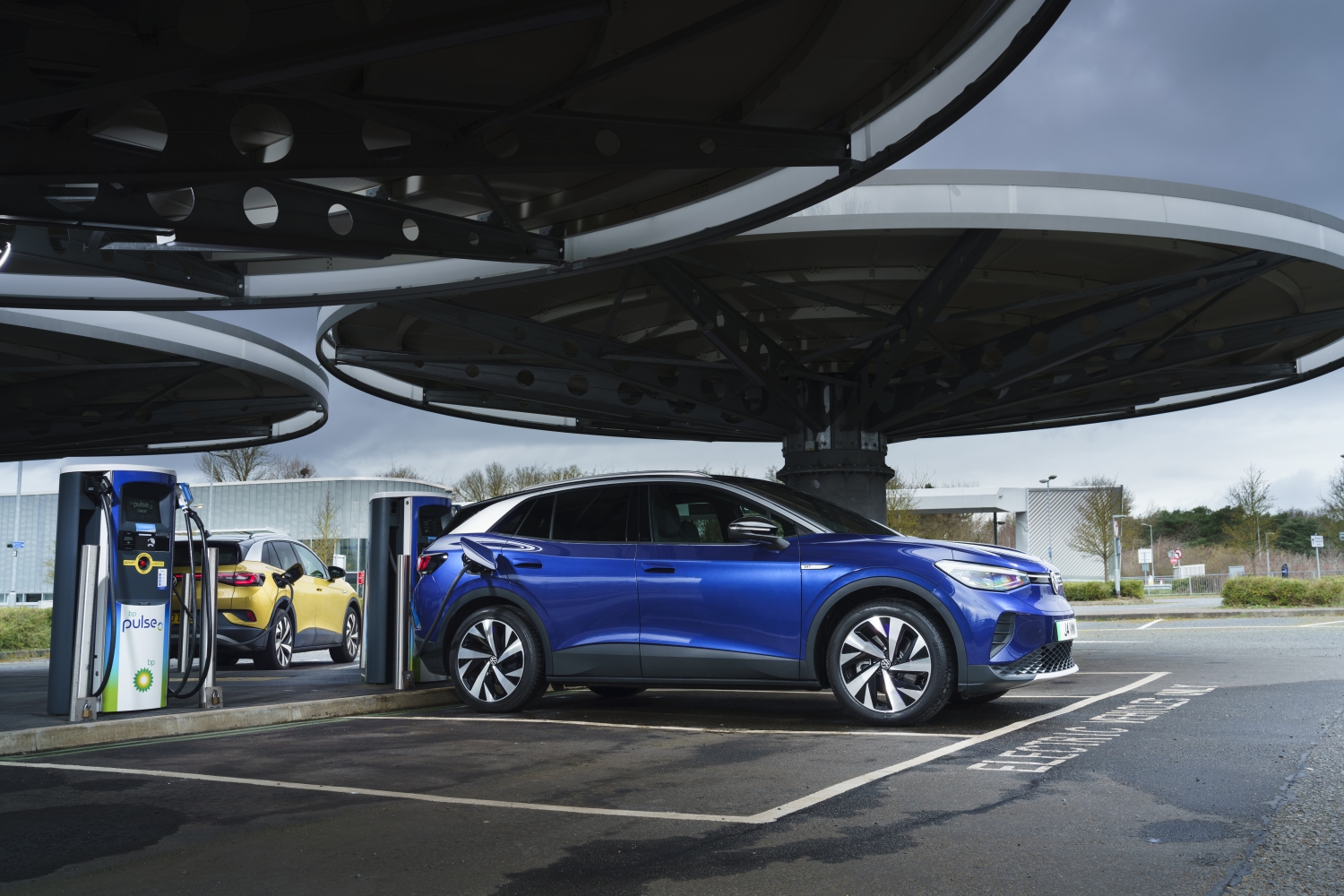
50,000km – 95.3%
150,000km – 90.6%
The ID.4 went from 232 miles of real world range to 220 miles and there was a 12% spread across the cars tested, representing a 28-mile difference from top to bottom.
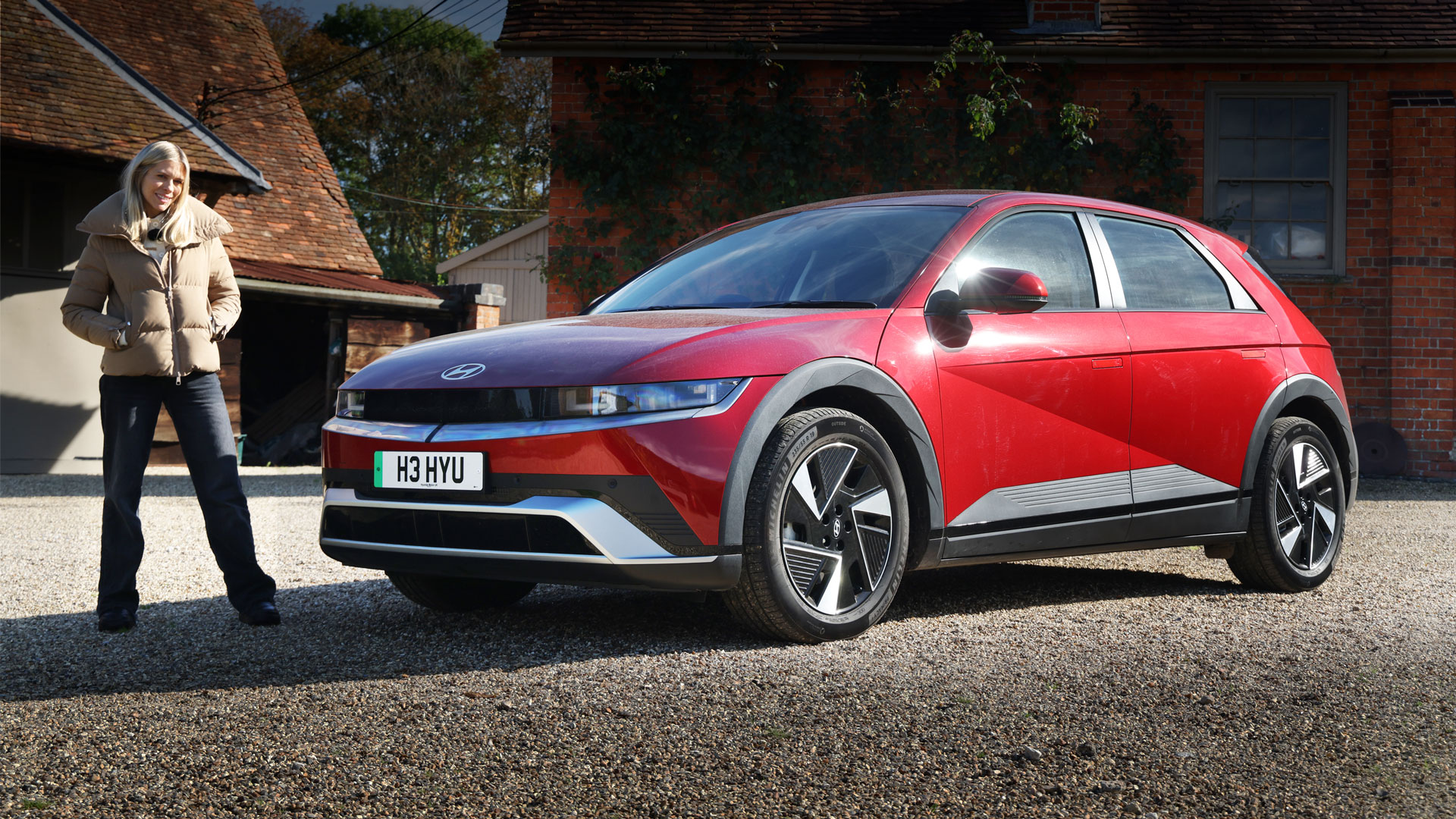
50,000km – 97.2%
150,000km – 92.8%
The Hyundai’s batteries were in the best condition here, and real world range dropped from 208 to 198 miles. The 12% spread between models represents 26 miles of range.
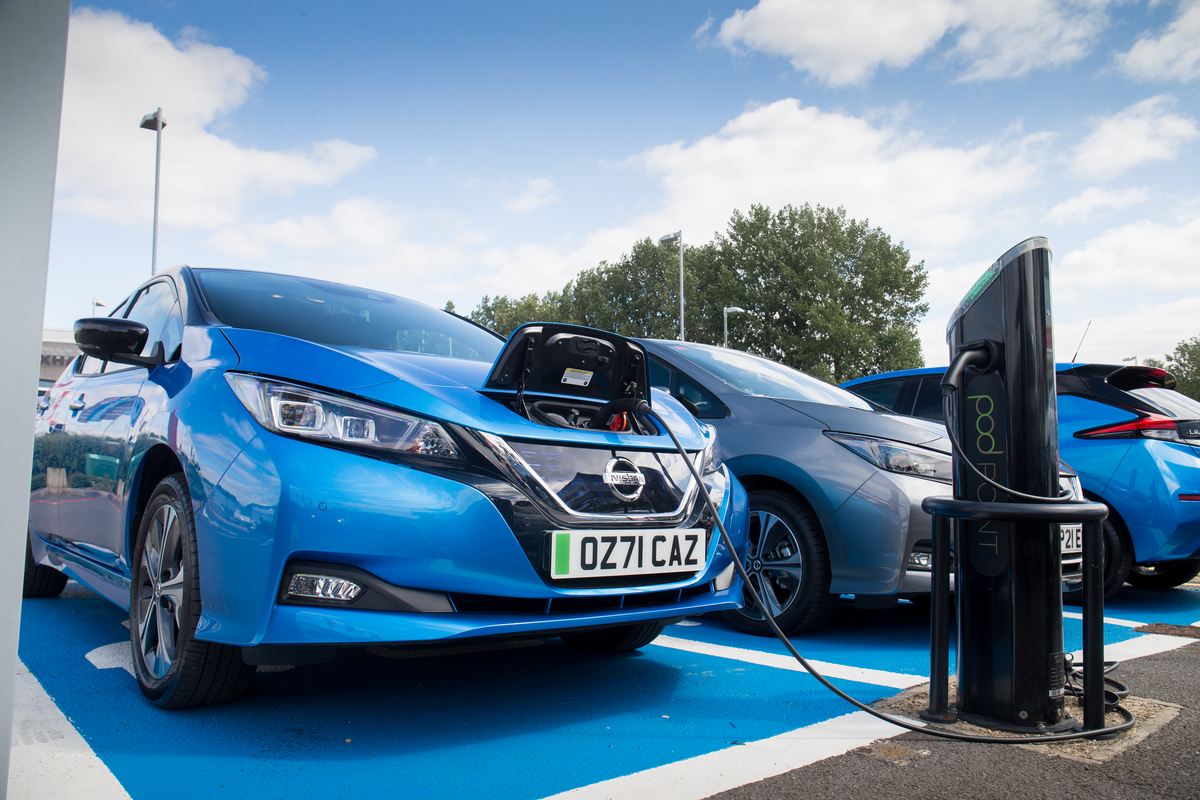
50,000km – 91.1%
150,000km – 86.3%
The Leaf’s battery was in the worst state of the cars tested here, and real world range dropped from 122 miles to 115. It showed the biggest spread across these cars tested at 13.5%, but that only represents an 18-mile difference in real world range between worst and best because of the smaller battery.
One thing that Aviloo says about the Leaf and its 40kWh battery is that it finds smaller batteries tend to degrade faster over the same distances because they need more charging cycles for the same distances.
Which EVs performed best?

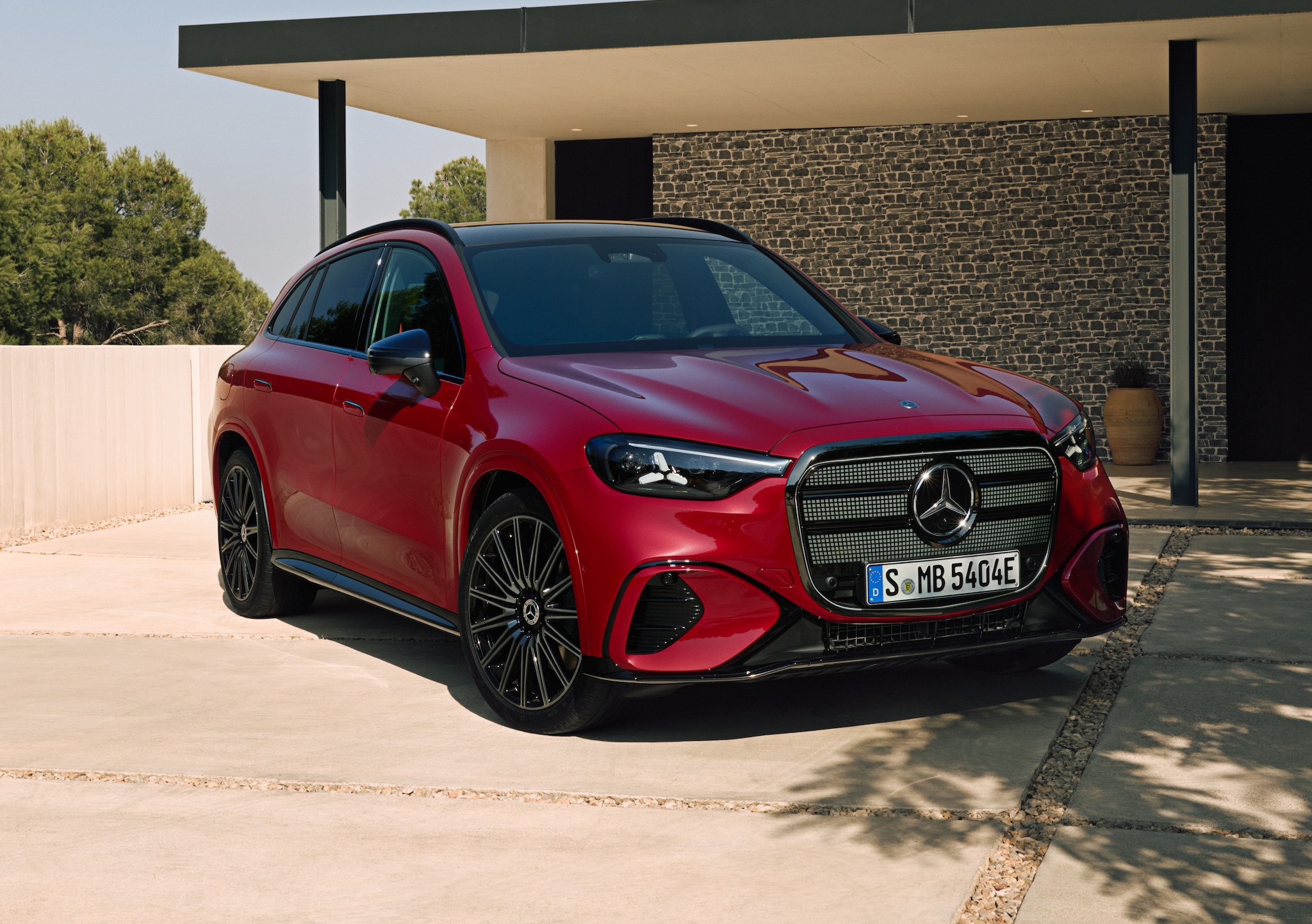
In the Aviloo data, the best EVs at 150,000km travelled were the Mercedes-Benz EQA, BMW i4 and Hyundai Ioniq 5, which all had median SoH figures of 93%.
The worst performing cars were the Mini Cooper SE, Renault Zoe and Nissan Leaf. All smaller batteried, older models interestingly.
What do other EV battery studies show?
This article is regularly updated with new independent research into EV battery health. Last updated: September 2026.
Aviloo
September 2026: data released from over 500,000 tests across 20 models, highlighting EV battery performance at 50,000km, 100,000km and 150,000km intervals.
Recurrent
January 2026: one billion miles of data reached over five years and 50,000 vehicles. US-focused battery health and analytics startup reported that “battery degradation isn’t the problem people think it is” and that among EVs from 2022 onwards there’s a battery replacement rate of just 0.3%. Even among EVs built from 2011 to 2016 it’s just 8.5% – so most EVs ever sold still have their original batteries.
Geotab
May 2025: 22,700 electric vehicles analysed across 21 different models. Found an average annual degradation of 2.3%, and said that rapid charging over 100kW is the “single largest stressor” of batteries. Research also found that there was no need to worry about fully charging or emptying the battery generally, but degradation speeds up when the EV battery spends more than 80% of its time at nearly full or nearly empty charge levels. Research also found that degradation is at its highest in the first year or two of running, then in most EVs studied it levelled out at 1.4% a year after that.
What causes EV battery degradation?
So there are the obvious factor – age and use mean that degradation is just a natural part of the EV process. Temperature has an impact too – Geotab found that EV batteries in hotter countries wore out marginally more than those in colder countries. It suggested EV owners could park in shade or inside during heatwaves to avoid temperature spikes.
Using predominantly DC rapid charging to fill the battery can make it degrade faster, especially higher powered charging. Geotab also warns against prolonged periods of time spent at high or low states of charge – so if you’re parking your EV up, best to leave it within the 20–80% charge window.
Does rapid charging damage an EV battery?
Rapid charging itself doesn’t damage an EV’s battery, but the process of getting that much electricity inside the cells so quickly causes heat, which can cause damage over time.
That possibility of overheating is why your charging speeds slow down so significantly after you’ve reached 80% charge, but the car’s software is designed to manage the heat and will change the charging speed accordingly.
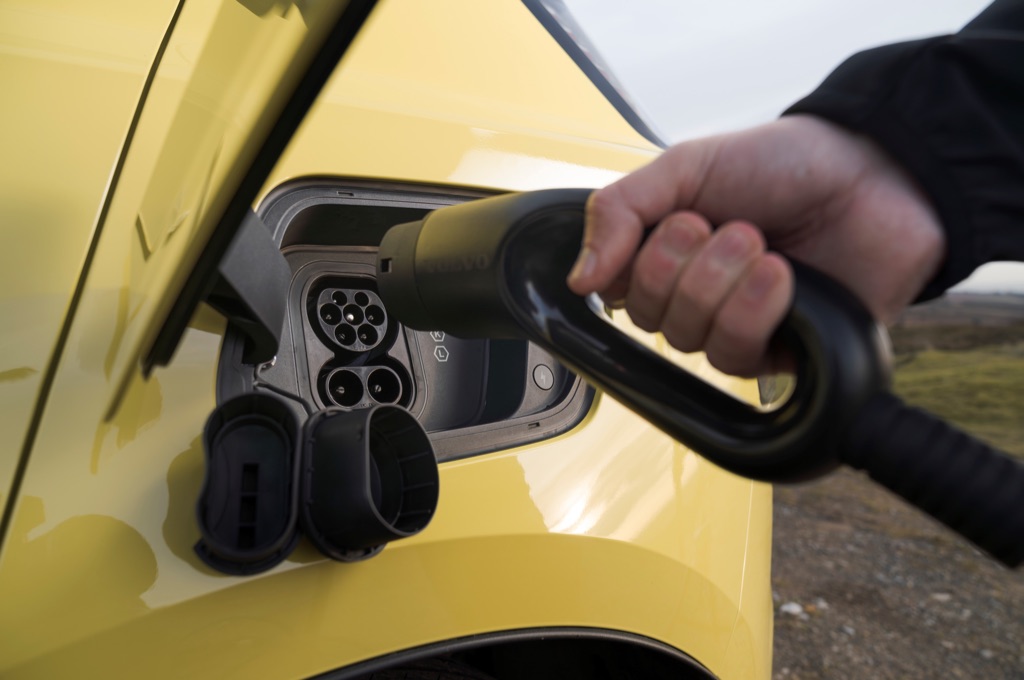
The battery chemistry does make a difference though, and companies like BYD have developed batteries that can charge incredibly fast almost all the way to 100%.
So exclusively charging your EV on ultra-rapid charge points and cycling the battery frequently from nearly full to nearly empty will put a strain on the battery, but otherwise you’ve not really got too much to worry about.
How can I check the battery health of a used EV?
You can’t rely on the dashboard range readout, though it can give you an indication of the battery health, because that remaining mileage number is often calculated based on the driver’s behaviour and where the car has been recently. So lots of gentle urban driving will give you a much more generous number.
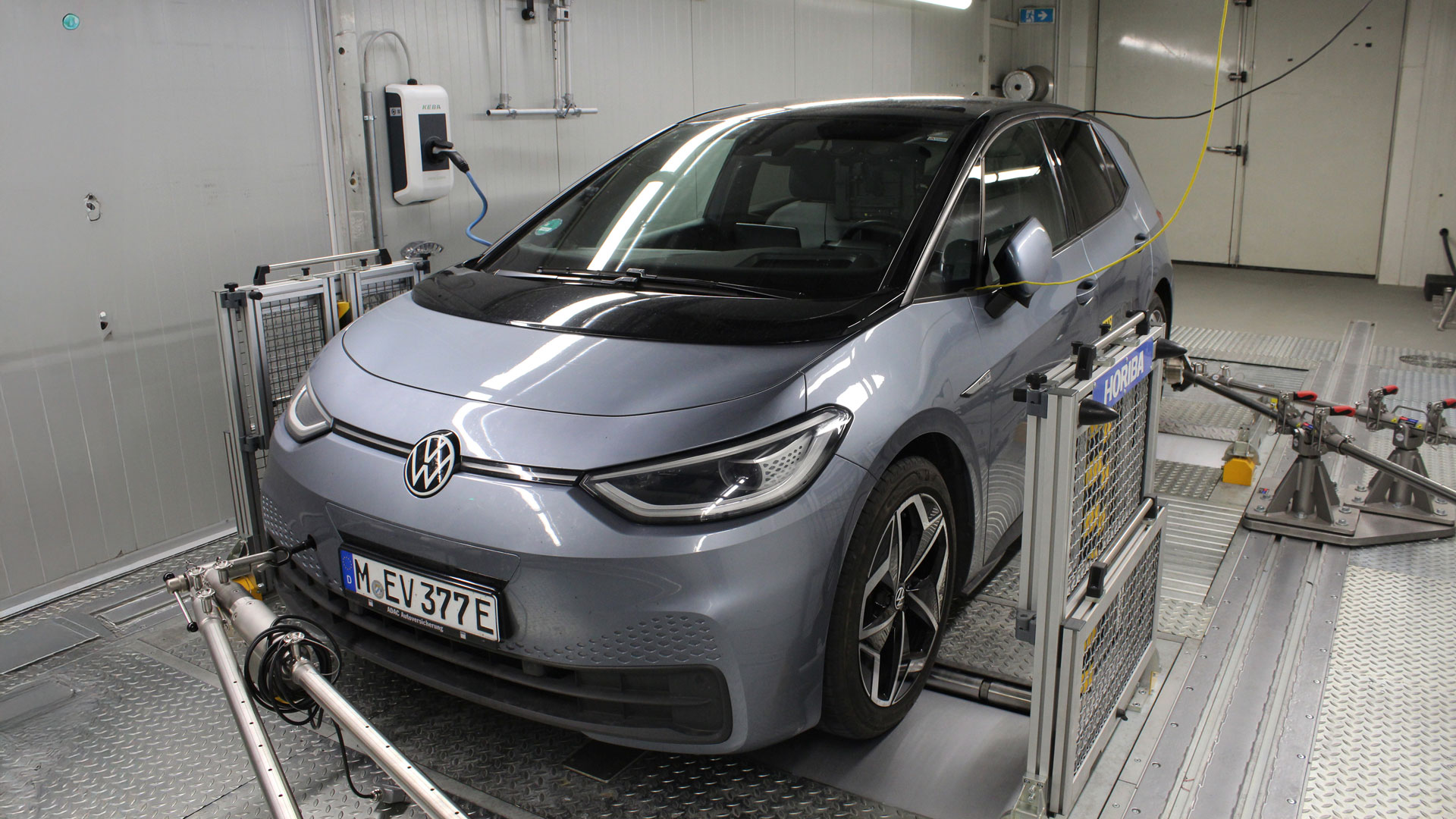
Some EVs will tell you the battery’s SoH inside the settings somewhere, which is the easiest way to check. There are also a number of independent companies emerging that will perform a battery health check and give you a certificate to let you know what condition the battery is in.
Electrifying and a number of other EV experts recently called for there to be mandatory battery health certificates to go with secondhand electric cars sold from dealerships, to offer peace of mind to buyers.
The SoH percentage could be a key number when it comes to deciding between similar EVs on the used car market.